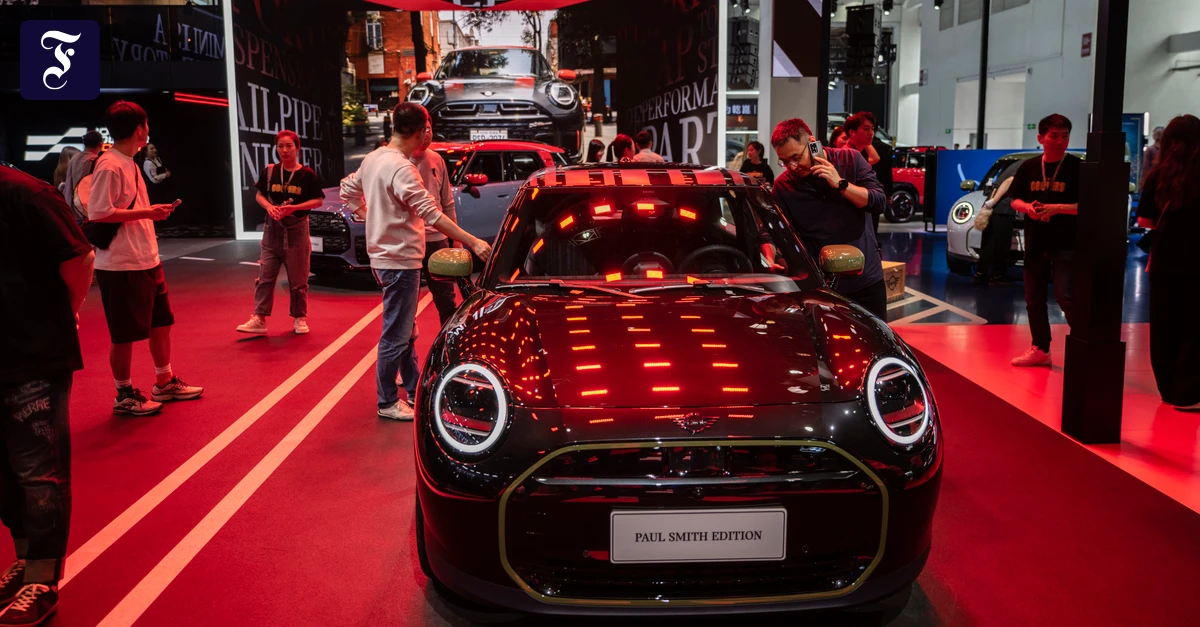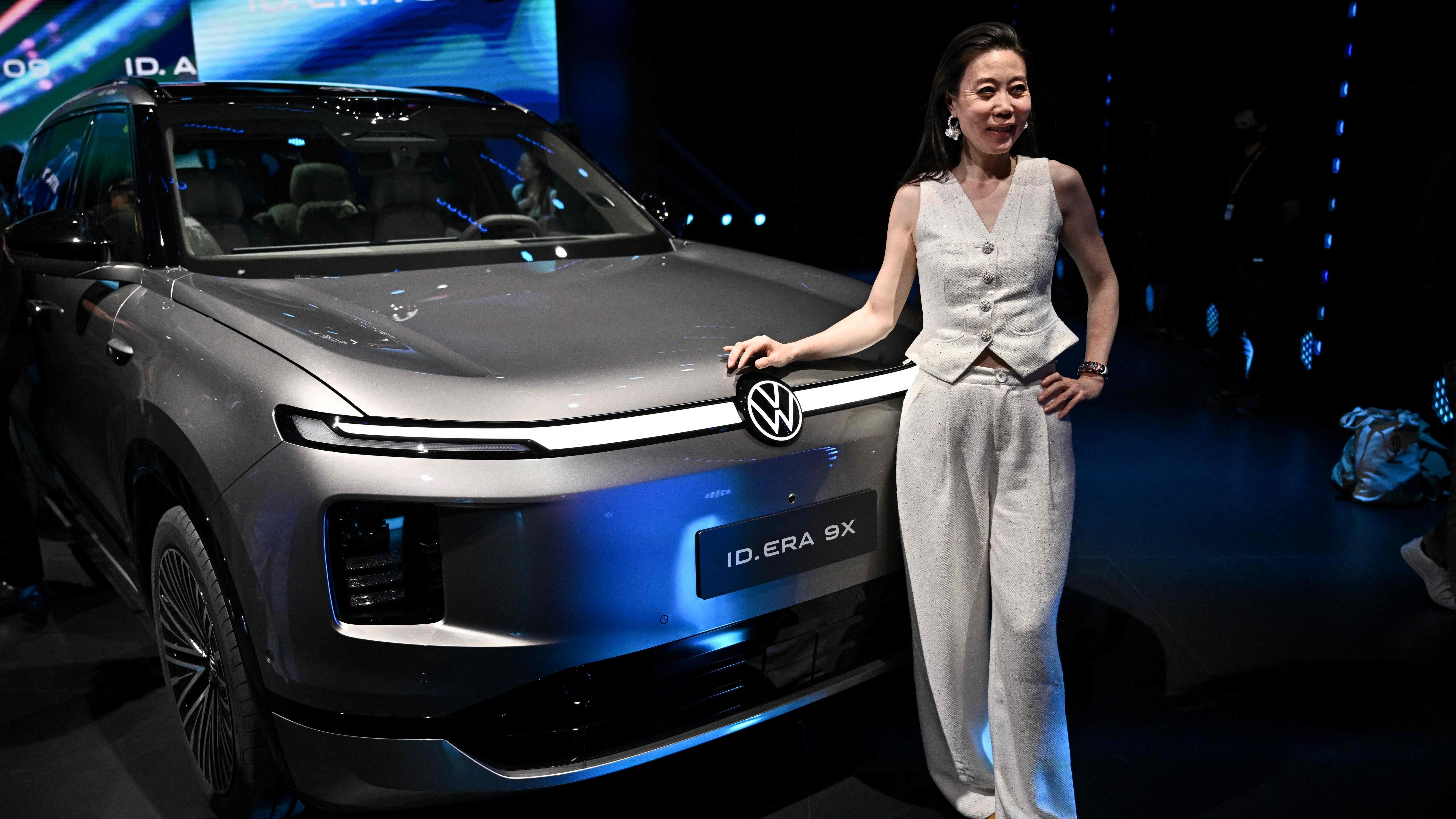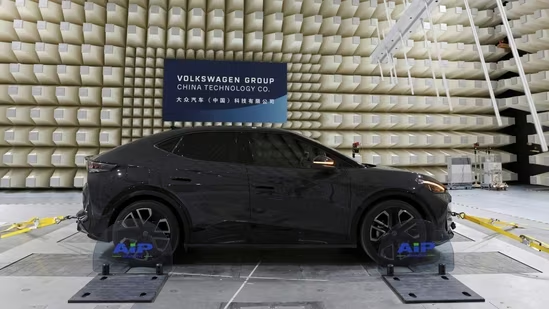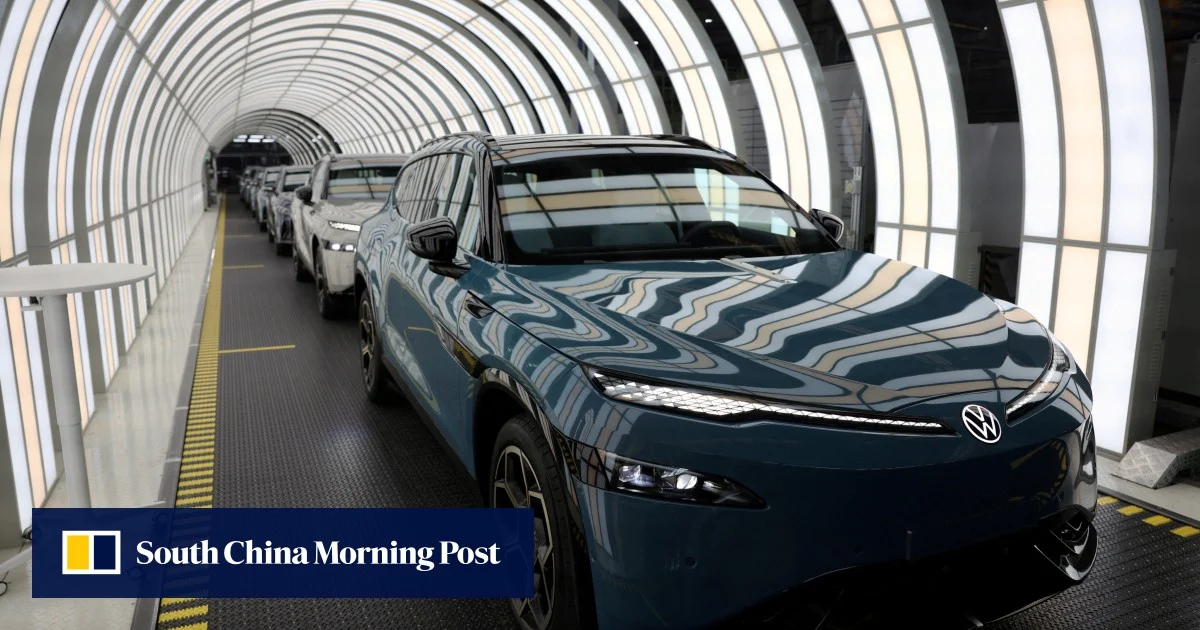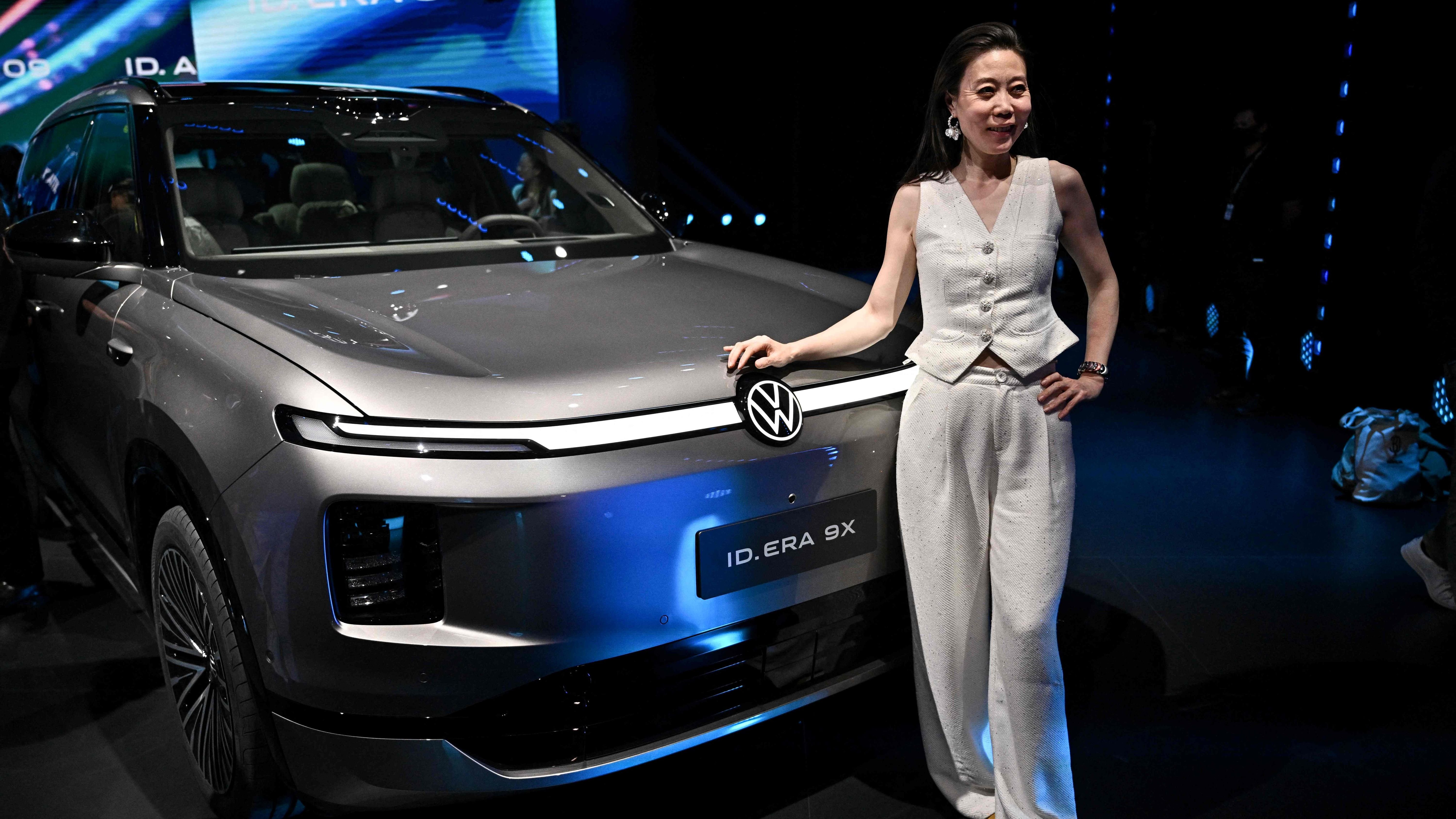
Boxy, sturdy and no-nonsense, the Volkswagen Santana became a hit among Chinese government officials after the German carmaker began a 100-car trial assembly run with local partner Shanghai Automotive Industry Corporation (SAIC) in 1983.The car entered larger-scale production near Shanghai two years later, bringing modern European engineering to roads that were dominated at the time by dated, state-built bangers.In 2003, China overtook Germany to become VW’s largest market by car sales, with the Jetta surpassing the ageing Santana as the group’s most popular brand among a range that also included the Passat, Bora, Polo, and Audi.While China remains by far VW’s biggest market, it reported on Friday that its vehicle sales in that country slumped by almost 32 per cent in the first half of this year. It underperformed the wider market, which declined by one-fifth, according to China Passenger Car Association figures, driven by weak consumer confidence and an oversupply of electric vehicles (EVs) after government subsidies were scaled back following years of explosive growth. The vast majority of VW vehicles sold in China continue to be made locally, through joint ventures, even if Beijing has, over the past decade, gradually abolished the need for foreign automakers to have Chinese partners. Closer to home, VW car sales only edged 1.3 per cent higher in western Europe in the first half, even as figures from domestic industry associations show that new car registrations across Germany, the UK, Italy, France and Spain, the largest markets in the region, rose between 5 per cent and 10 per cent. In a market underpinned by growing demand for electrified cars, Chinese groups such as VW’s oldest local manufacturing partner, SAIC; BYD; Geely; Chery and Leapmotor, had captured 9.3 per cent of the EU market as of the first half of the year, according to European Automobile Manufacturers’ Association figures published on Thursday. That’s up 50 per cent on the year and from a virtual standing start only a few years ago. Years of investment have given Chinese manufacturers an advantage in batteries, supply chains, software and large-scale EV production, putting pressure on European carmakers as they overhaul business models built around the combustion engine.The vast majority of VW vehicles sold in China continue to be made locally, through joint ventures. Photograph: Qilai Shen/The New York Times
VW’s China playbook may come back to haunt it when rivals take it to Europe
German carmaker is dealing with plunging sales in its biggest market
992 words~5 min read