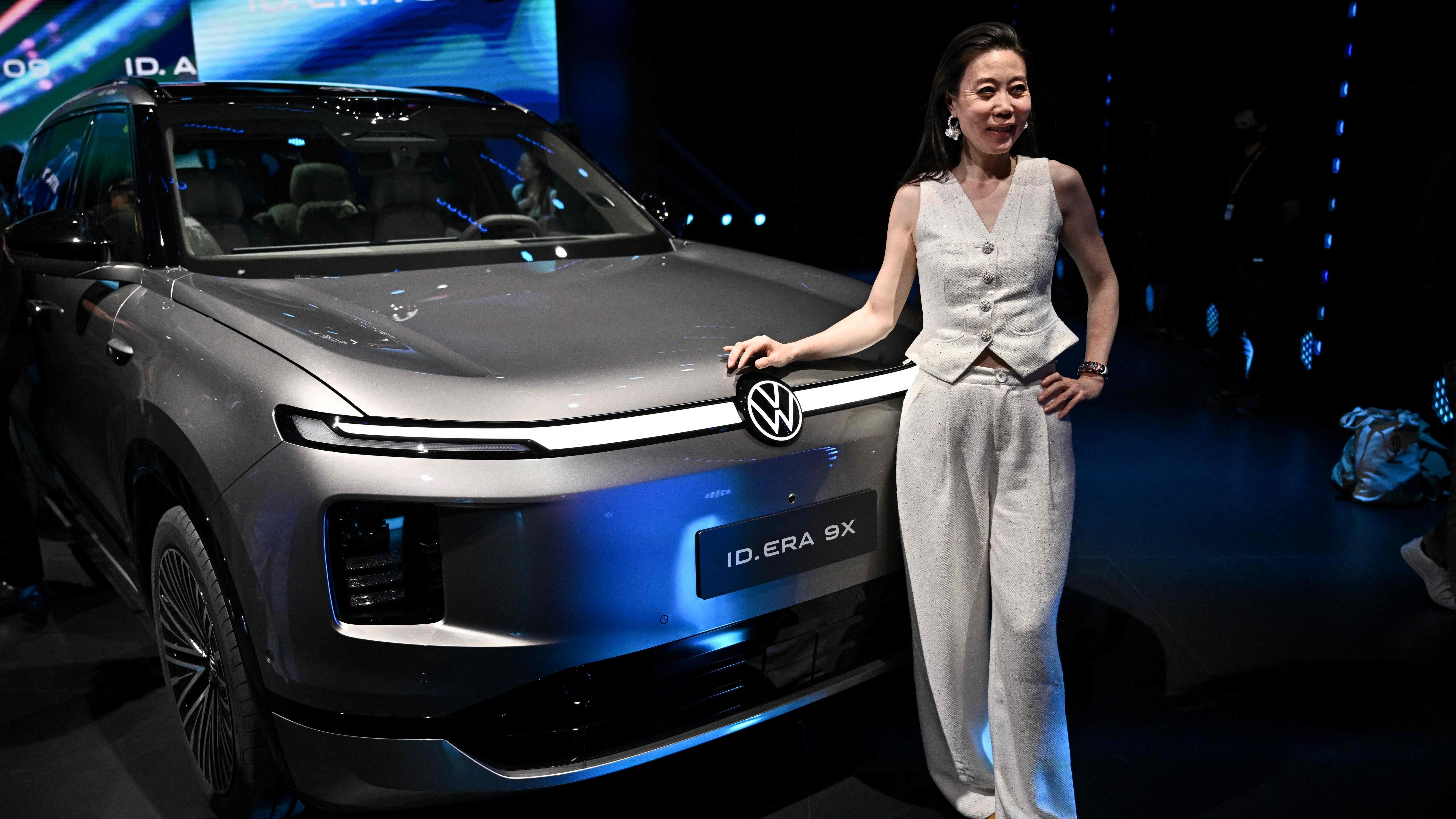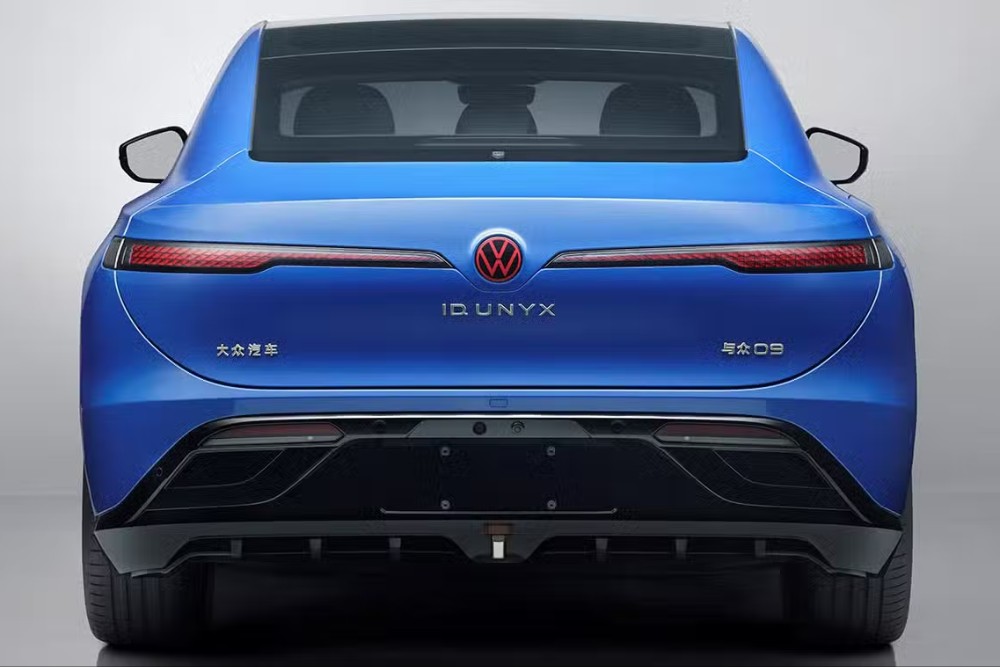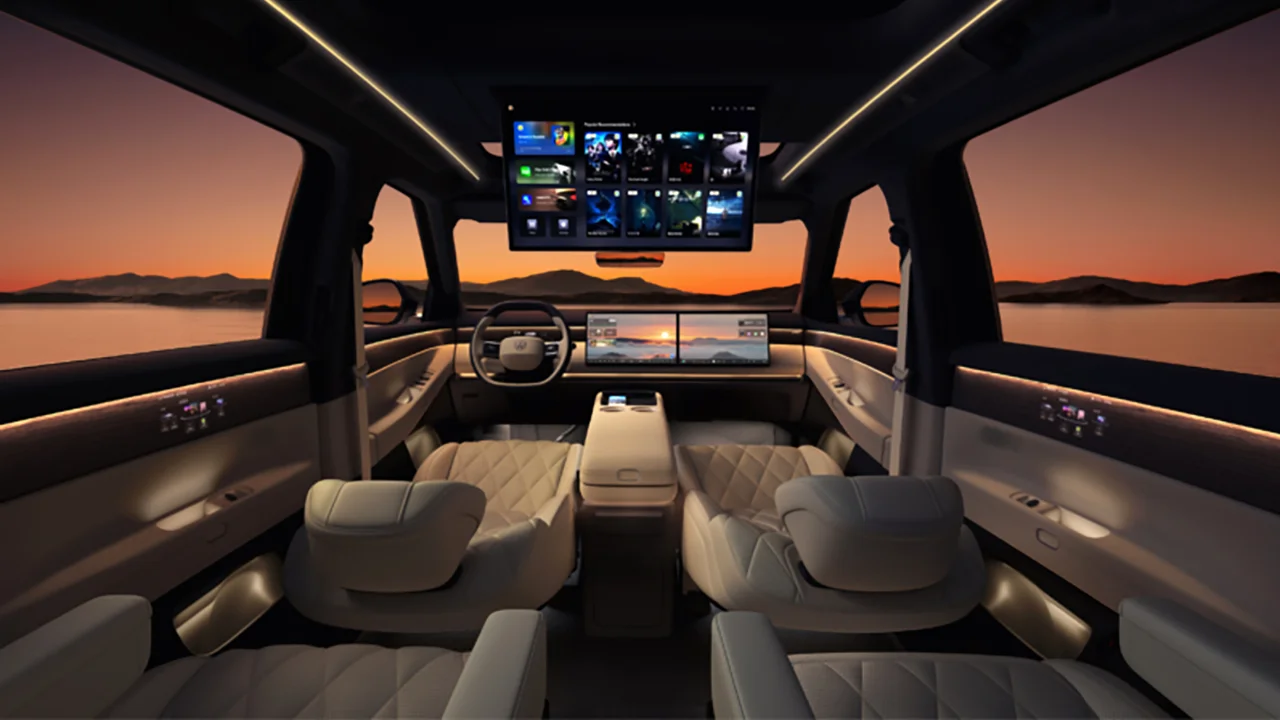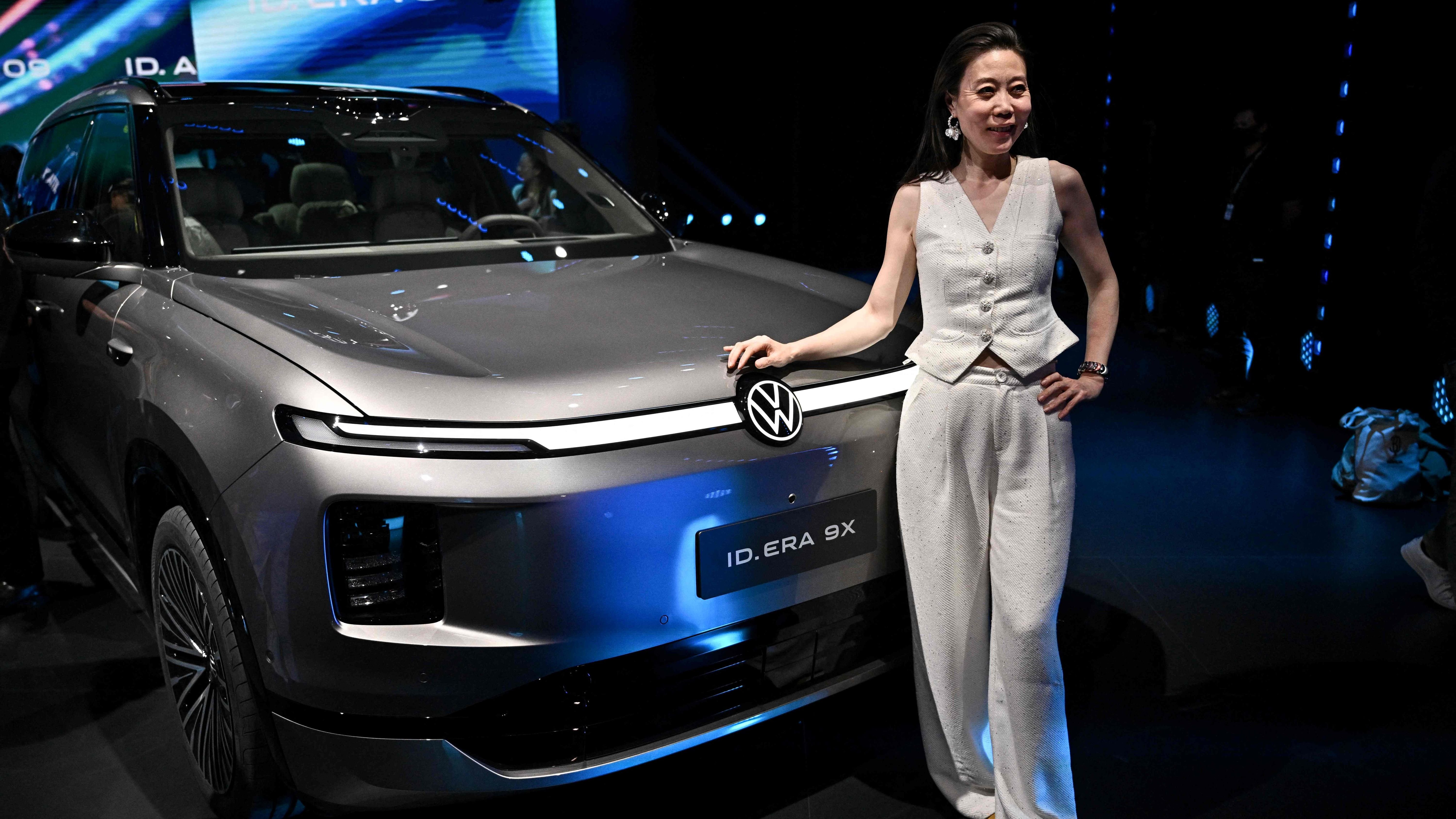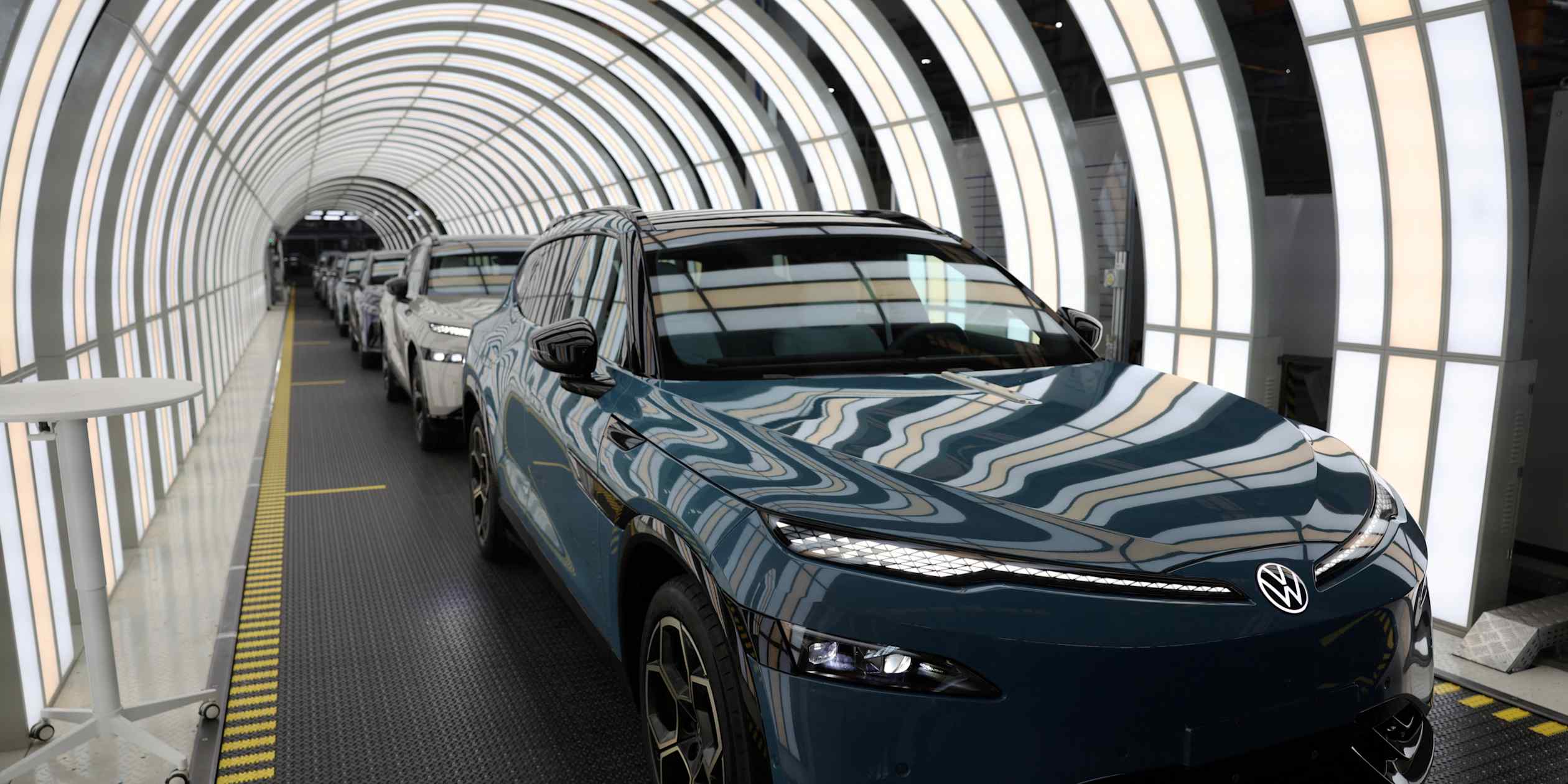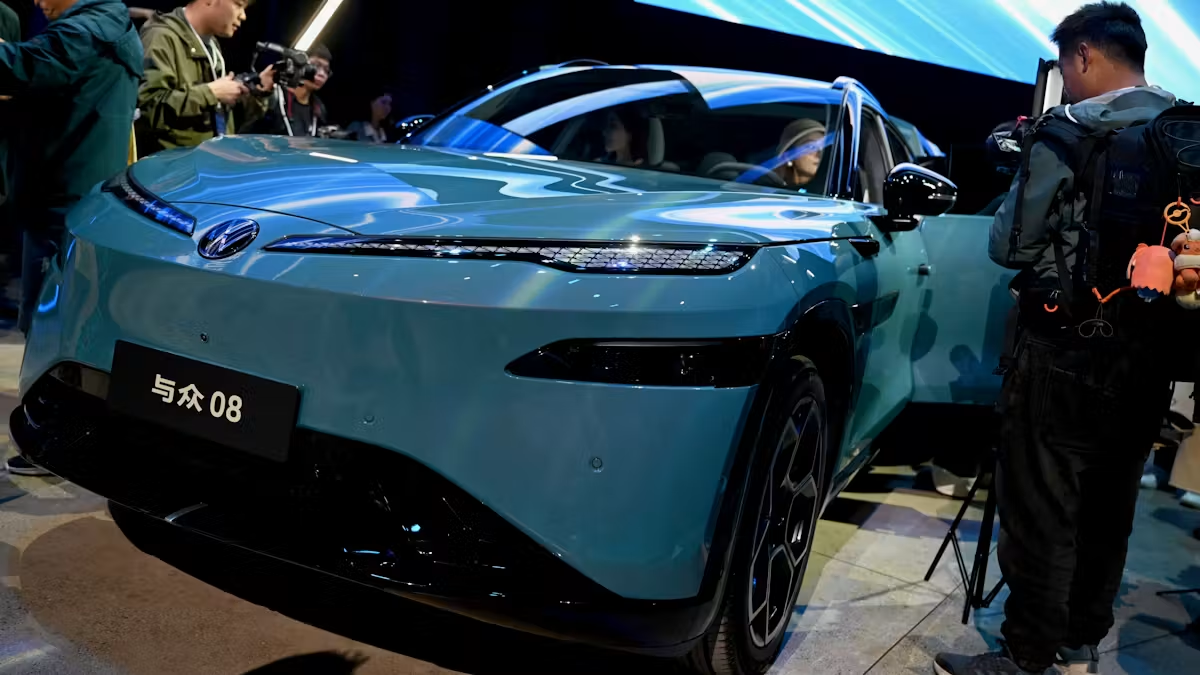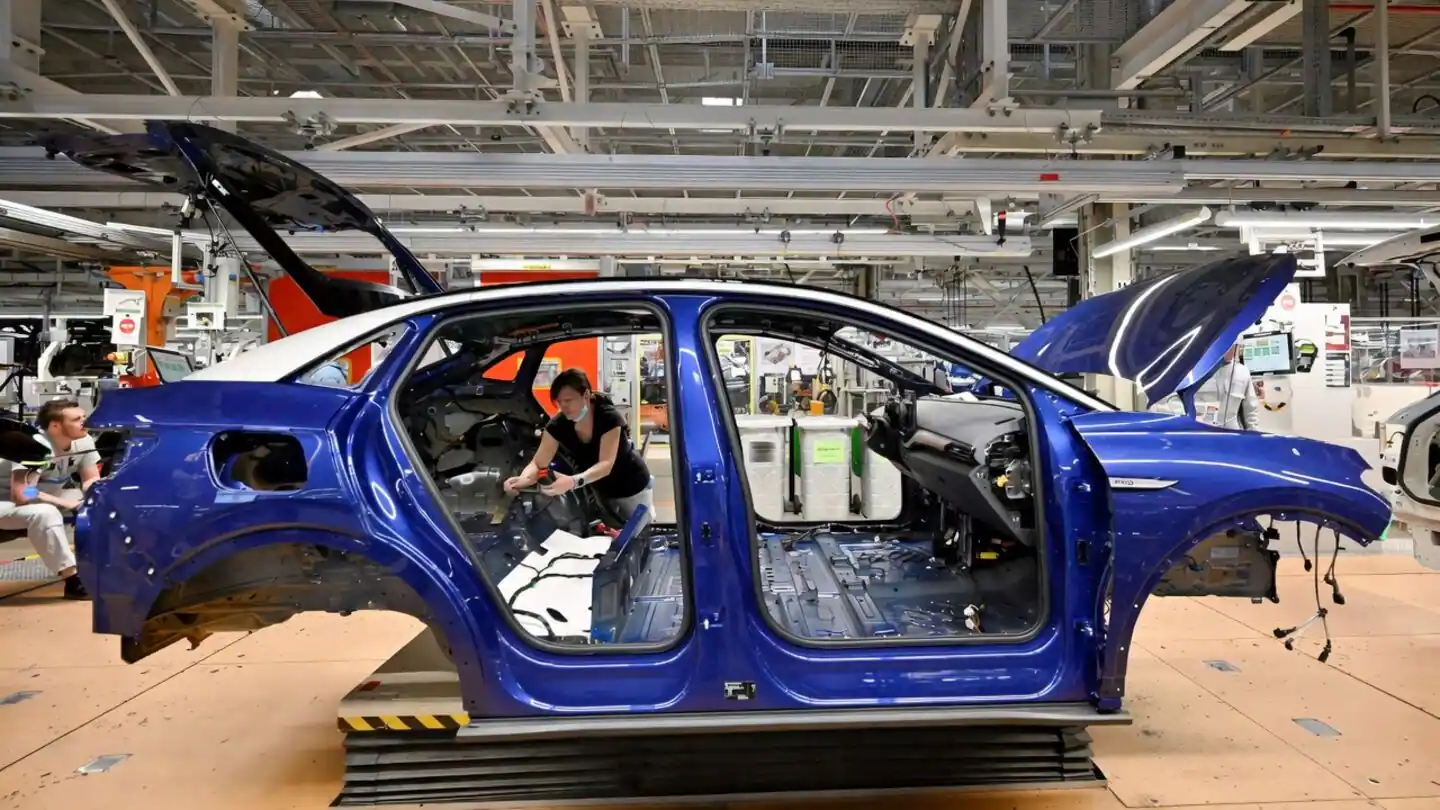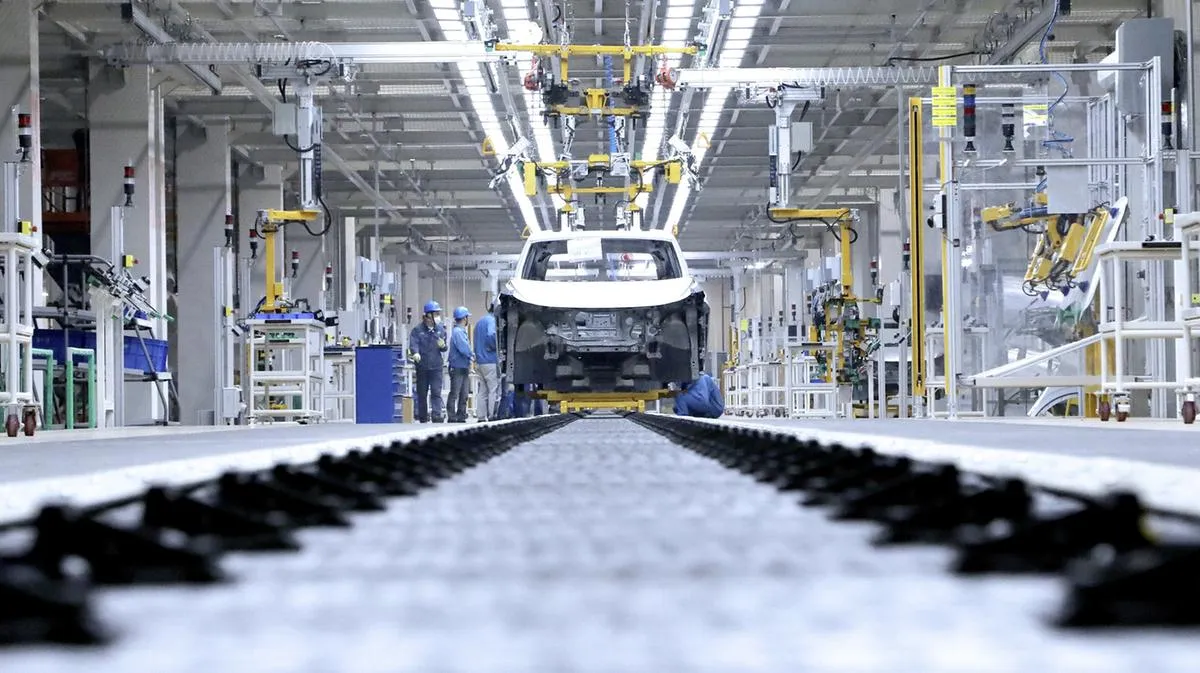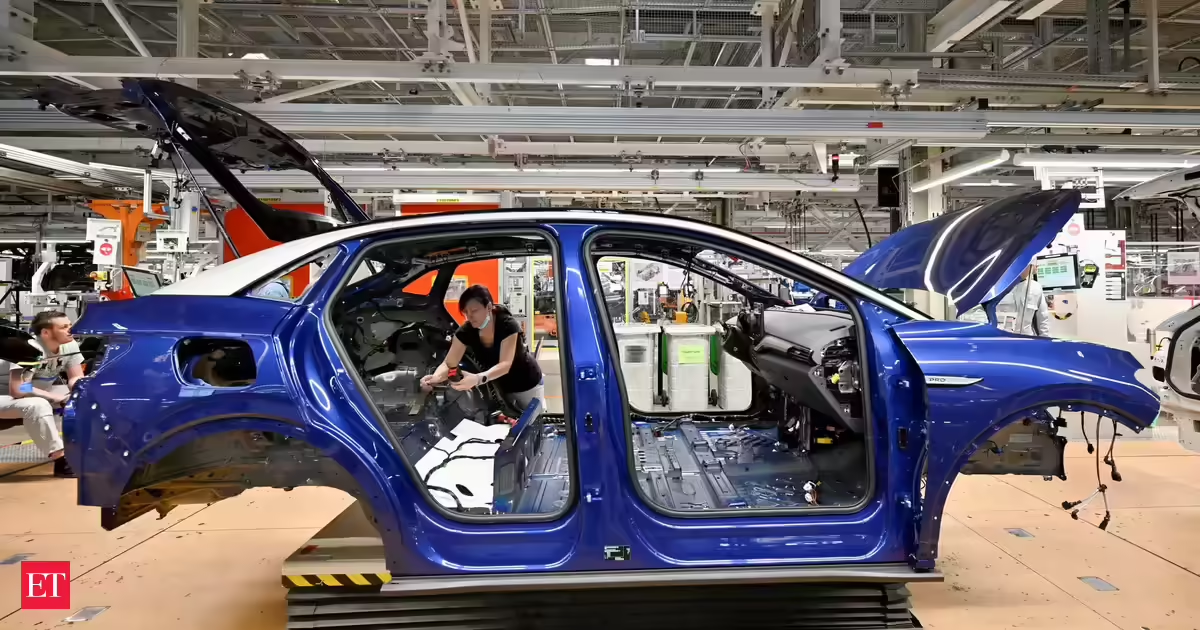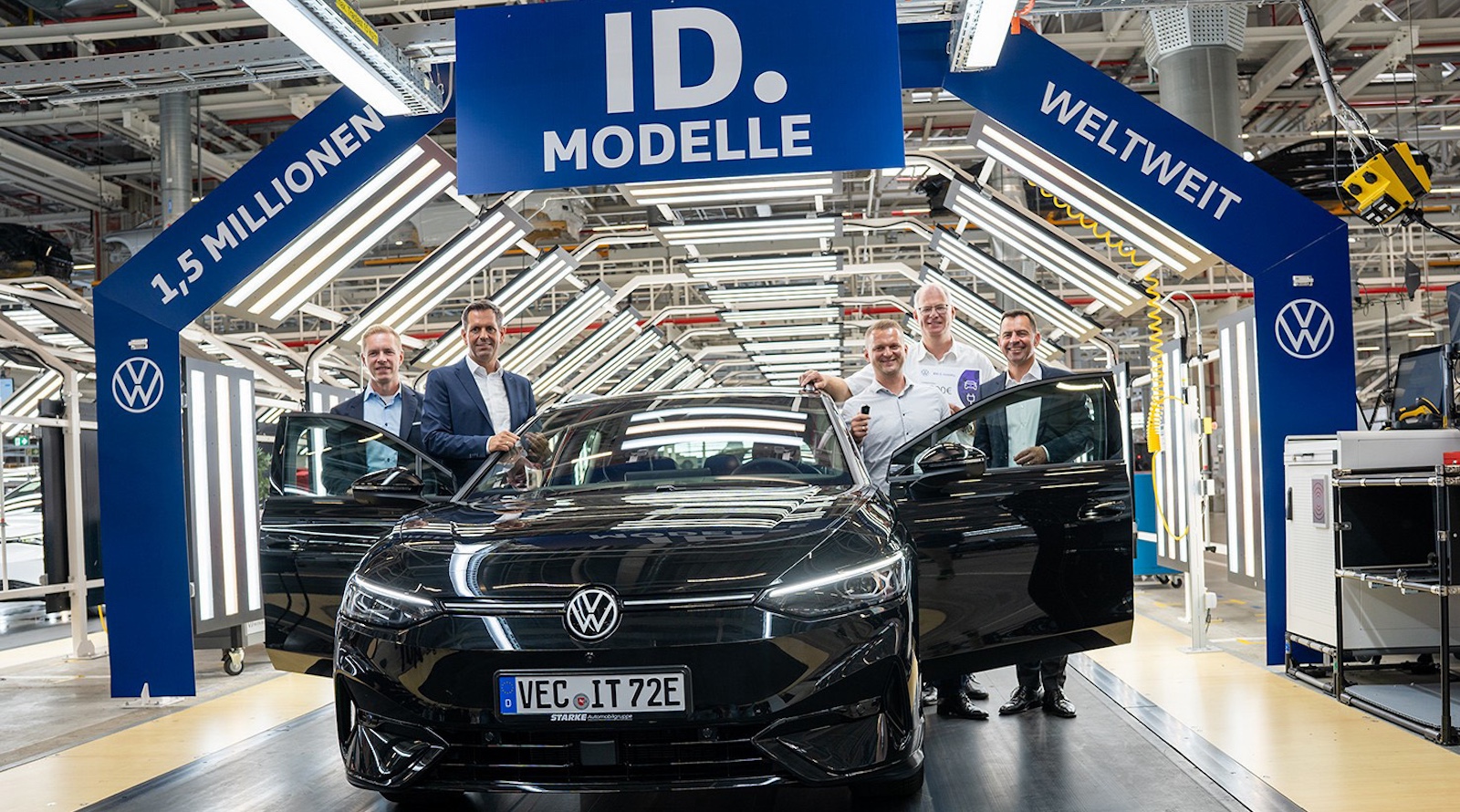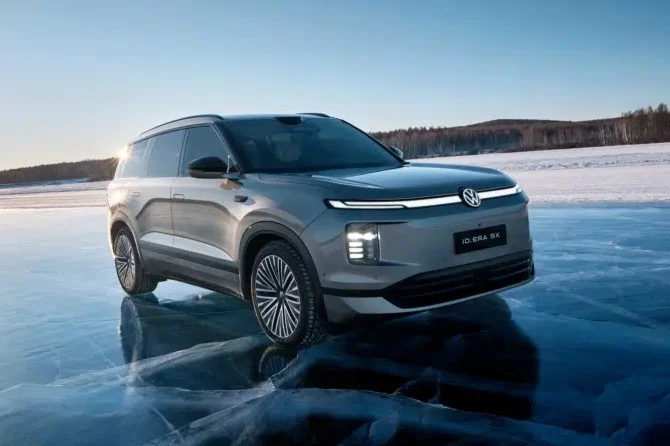
Volkswagen is reportedly evaluating the export of models developed for the Chinese market to Europe. The group is also said to be considering local production of such vehicles at its European factories, including the underutilised plant in Zwickau, Germany.China model VW ID.Era 9XImage: VWVolkswagen remains under pressure following reports last week that the board, led by CEO Oliver Blume, is allegedly planning to cut 100,000 jobs worldwide and close the company’s German plants in Hanover, Zwickau and Emden, as well as Audi’s factory in Neckarsulm, in the medium term.Against this backdrop, Handelsblatt reports that Blume’s transformation plans could go further than previously known. According to the business newspaper, Volkswagen is seriously considering bringing VW-branded models developed for the Chinese market to Europe for the first time. The report cites sources within the company. Volkswagen has so far declined to comment on the matter.The plans reportedly involve two elements. Firstly, Volkswagen is considering importing vehicles produced in China to Europe. Secondly, the carmaker is evaluating whether models developed in China could be built at underutilised European plants, including its factory in Zwickau, which has faced weak demand for an extended period.State premier backs China-developed VWsThe proposal to manufacture Chinese-developed Volkswagen models in Germany was first raised last week by Lower Saxony’s Minister President Olaf Lies. Lies also serves on Volkswagen’s supervisory board and represents the German state of Lower Saxony, which is one of the carmaker’s largest shareholders and holds special voting rights that allow it to block certain strategic decisions.Speaking to the news agency dpa, Lies said: “If we were to produce vehicles that we currently build in China here as well, we could stabilise plant utilisation. This would also bring new development and innovation opportunities to our sites. For me, it is about stabilising employment and capacity in our plants instead of watching others build new factories outside Germany.”Lies was likely referring in particular to Volkswagen’s plants in Emden and Hanover in north-western Germany, both of which have faced low utilisation amid weakening demand.According to the latest Handelsblatt report, Volkswagen’s management is currently assessing whether to bring the China-developed ID. Era 9X SUV to Europe as a first step. The model was developed jointly with Chinese partner SAIC Motor and is the first vehicle within the Volkswagen Group to feature a range-extender powertrain.The 5.21-metre-long SUV is equipped with a 220 kW electric motor in its entry-level version and is available with either a 51.1 kWh or a 65.2 kWh battery. According to the Chinese CLTC test cycle, the batteries enable an all-electric range of up to 267 kilometres or 340 kilometres, respectively. A 1.5-litre turbocharged petrol engine serves as a range extender and delivers up to 105 kW of power.Imports hinge on tariff decisionImporting a range-extender vehicle could offer a regulatory advantage, as such models are not currently subject to the European Union’s additional tariffs on vehicle imports from China. Battery-electric vehicles manufactured in China face an extra duty of up to 35.3%, depending on the manufacturer, on top of the EU’s standard 10% import tariff.However, the European Commission is currently examining whether these additional tariffs should also apply to plug-in hybrids and range-extender vehicles in the future.The Volkswagen Group has already been affected by the measures. The Cupra Tavascan, which is built at Volkswagen Anhui in China, was initially subject to an additional 20.7% tariff. Since the beginning of this year, however, the model has been covered by a minimum price agreement with the EU, replacing the surcharge.According to Handelsblatt, another option under consideration is an SUV based on Volkswagen’s new China Scalable Platform (CSP), which is scheduled to debut next year. The model is said to be similar in size to the outgoing Touareg.Volkswagen developed the CSP architecture specifically for the Chinese market. The platform supports both battery-electric and range-extender powertrains. However, according to the report, exporting such a vehicle to Europe would not be possible before the end of 2027 at the earliest.Software adaptation or replacement requiredOne of the main hurdles to bringing Chinese-developed Volkswagen models to Europe would be the required software modifications. Vehicles developed for the Chinese market use driver assistance systems supplied by local partners, while the underlying software architecture differs significantly from that used in Europe.According to Handelsblatt, Volkswagen is currently evaluating whether software developed for the Chinese market can be adapted to meet European requirements and regulatory standards.The report provides few concrete details on the potential production of Chinese-developed Volkswagen models in Europe. It suggests that the approach could help improve utilisation at the company’s European factories, while allowing Volkswagen to benefit from lower development and production costs and bring vehicles featuring the latest technologies to market more quickly.However, it remains unclear which models could be built in Europe or what production volumes might be involved. According to the report, the plans are still at an early stage and could yet be shelved.handelsblatt.com, handelsblatt.com (Olaf Lies; both in German)
Volkswagen considers bringing China-developed EVs to Europe - electrive.com
Volkswagen is reportedly evaluating the export of models developed for the Chinese market to Europe. The group is also said to be considering local production
818 words~4 min read