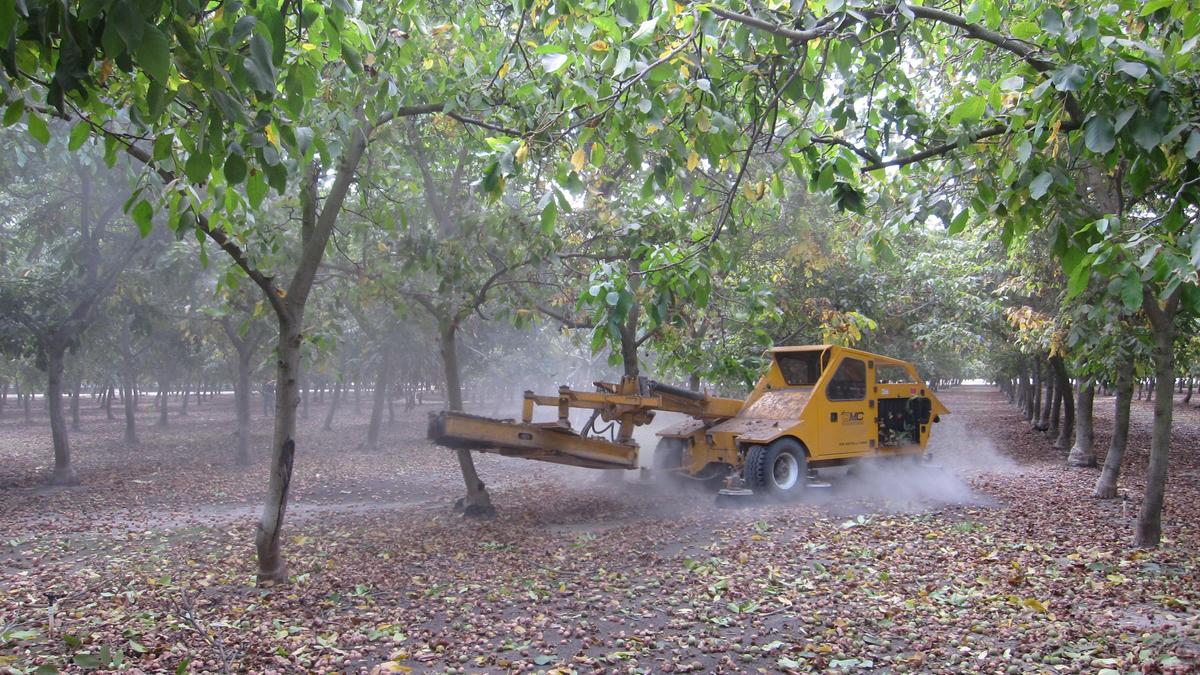
Consumer demand is not the bottleneck here, supply is. Younger, increasingly health conscious Indian consumers are eating more nuts than ever, in cereals, snacks and everyday cooking and right now a large share of that demand is met by imports rather than homegrown produce. Every tonne grown domestically at competitive quality is a tonne that doesn’t need to travel from California or Australia to reach an Indian kitchen.Hill states have a genuine climate advantage here. The cold winters and well drained slopes across Himachal, Uttarakhand, Jammu and Kashmir and parts of the Northeast mirror the growing conditions found in the world’s established nut belts. This isn’t a crop being forced onto unsuitable land. It fits the terrain, which means lower input costs than crops that need constant irrigation or chemical support to survive the same slopes.Flipping the equationThere’s an ecological argument too, one that gets less attention than it should. Once established, nut trees need far less tilling than seasonal crops and their root systems help hold hill slopes together rather than exposing them to erosion year after year. On terrain where soil loss is a genuine long-term concern, that’s not a small benefit.That matters because traditional hill farming rarely pays well. Wheat, maize and even some fruit crops grown at this altitude often deliver thin margins once labour and transport are accounted for. Nuts flip that equation. They carry higher income per acre, hold their shelf life far longer than perishable produce and tap into a demand curve that keeps climbing rather than flattening out. A farmer switching even a portion of their land to walnuts or almonds is often trading a low margin harvest for a genuinely commercial one.The employment case is just as strong and it doesn’t end at harvest. Nut orchards need people through cultivation, but also through grading, cracking, sorting and packaging once the harvest comes in, work that currently happens inconsistently or gets outsourced simply because local processing infrastructure hasn’t caught up with production. Built out properly, that processing chain alone could anchor rural employment well beyond a single growing season.The missing linkThere’s already policy momentum building around this. Recent budget announcements have specifically flagged almonds and walnuts as priority high-value crops, and on the ground, efforts like importing thousands of early-fruiting, thin-shelled sapling varieties into Jammu and Kashmir show a real shift away from slow-maturing traditional trees. What is still missing is coordination: reliable cold storage near growing clusters, structured training for farmers moving away from subsistence crops and consistent access to quality grafted planting material rather than the older seedling stock that can take a decade to bear fruit.Turning this into a scalable model will take coordinated effort, state horticulture departments, farmer producer organisations and industry bodies working from the same roadmap rather than isolated pilot projects. The climate advantage and the market demand are both already in place. What hill states need now is the institutional push to connect the two.The author is Founder & President of NDFC (I)Published on July 25, 2026
Beyond traditional crops: Why high-value nut farming could be the next growth opportunity for hill States
Discover how high-value nut farming can transform hill states, leveraging climate advantages and market demand for sustainable growth.
502 words~2 min read