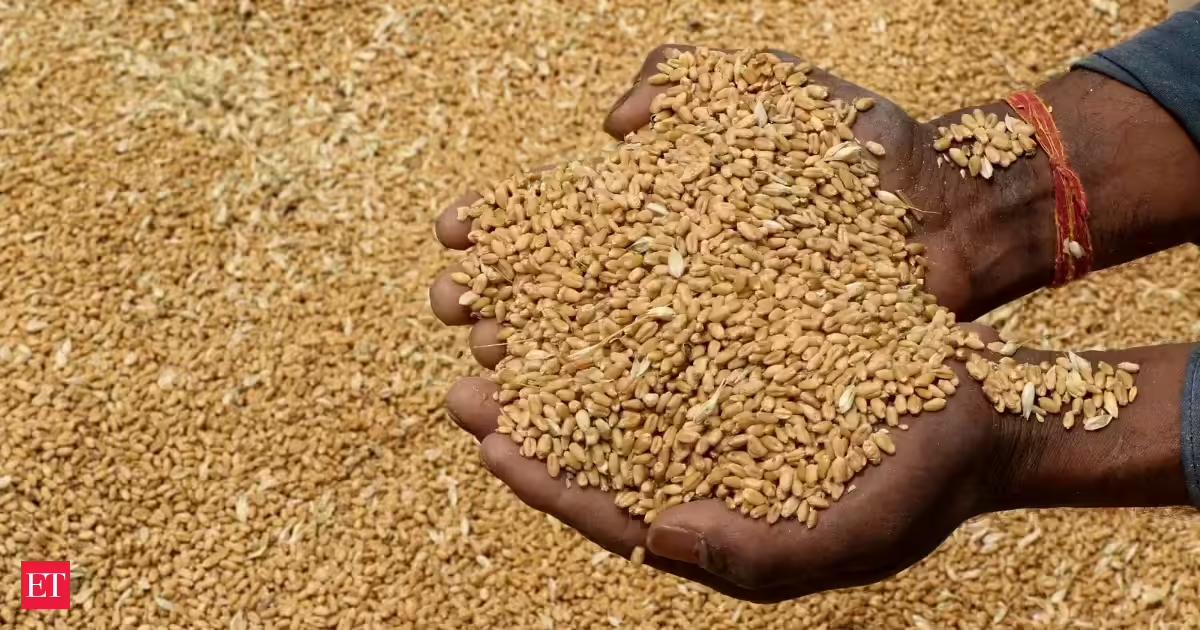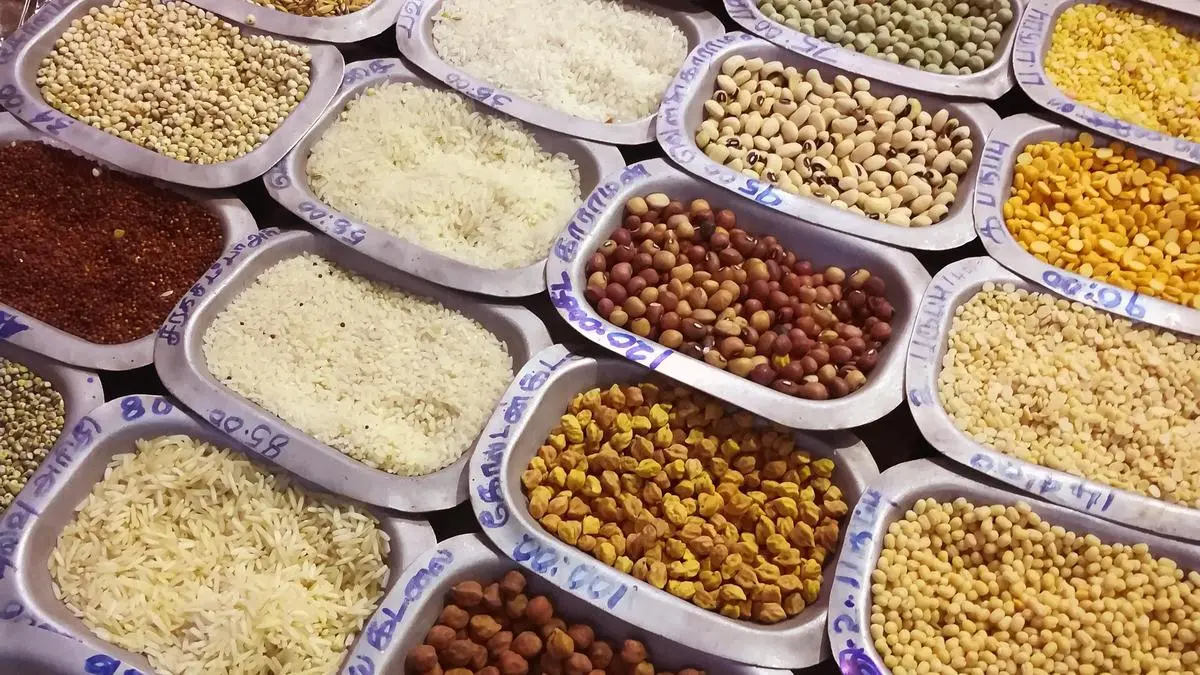
A decision to expand value-added products from traditional cereal-centric dependence over the last decade has helped India to maintain agriculture exports even when faced with periodic ban on key items.“India’s agri exports have historically been concentrated in rice, wheat and cereals and these commodities are vulnerable to domestic food security pressures. There have been periodic policy interventions including curbs and prohibition on shipments which create volatility in export earnings,” said an official.He said the government’s agri export promotion body APEDA has been promoting high-potential products internationally over the past decade. The number of products exported at the HS 8-digit grew from 298 in FY2014–15 to 438 in FY2025–26. Besides, there has also been expansion into niche and emerging destinations worldwide, he added.The share of processed and value-added products has grown steadily in the past few years. “The three-way diversification — products, markets and value addition, has made India’s agri export sector more resilient and globally competitive,” the official added.While rice exports were banned twice by India since the global food price spiral in 2008, wheat exports have been partially opened up after a gap of nearly four years with quantitative limits and export permits.According to APEDA data, India’s rice export in 2025-26 fiscal was 21.57 million tonnes (mt) worth $11.54 billion, against 20.19 mtworth $12.47 billion in 2024-25 due to lower realisation. In April 2026, rice shipments were 2.04 mt (valued at $1.01 billion), as against 1.88 mt (worth $1.08 billion) in the corresponding period a year-ago.Rice exportsThe commerce ministry’s latest data show rice exports in terms of value were $1.02 billion in May 2026, which is 5 per cent more than $967 million in the year-ago period.Basmati export by India in April 2026 was 474,091 tonnes worth $436.01 million. In 2025-26 fiscal, exports of Basmati rice were 6.52 mt worth $5.67 billion. In case of non-Basmati rice, exports were 15.04 mt worth $5.86 billion in last fiscal.Meanwhile, according to the official export data for May 2026 in the current fiscal, the shipments of Marine Products marginally dropped from $730 million (in May 2025) to $728 million, Spices from $403 million to $387 million, Fruits And Vegetables from $309 million to $288 million, Oilseeds from $103 million to $94 million and Tea from $66 million to $56 million.Those agriculture categories/items which registered higher exports include Meat, Dairy and Poultry Products from $442 million to $630 million, Cereal Preparations and Miscellaneous Processed Item from $265 million to $277 million, Coffee from $201 million to $209 million and Oilmeals from $89 million to $111 million.Published on June 18, 2026
India’s agri export promotion shifting to value added products, niche markets
India's agri exports are diversifying, focusing on value-added products and niche markets for global competitiveness.
427 words~2 min read