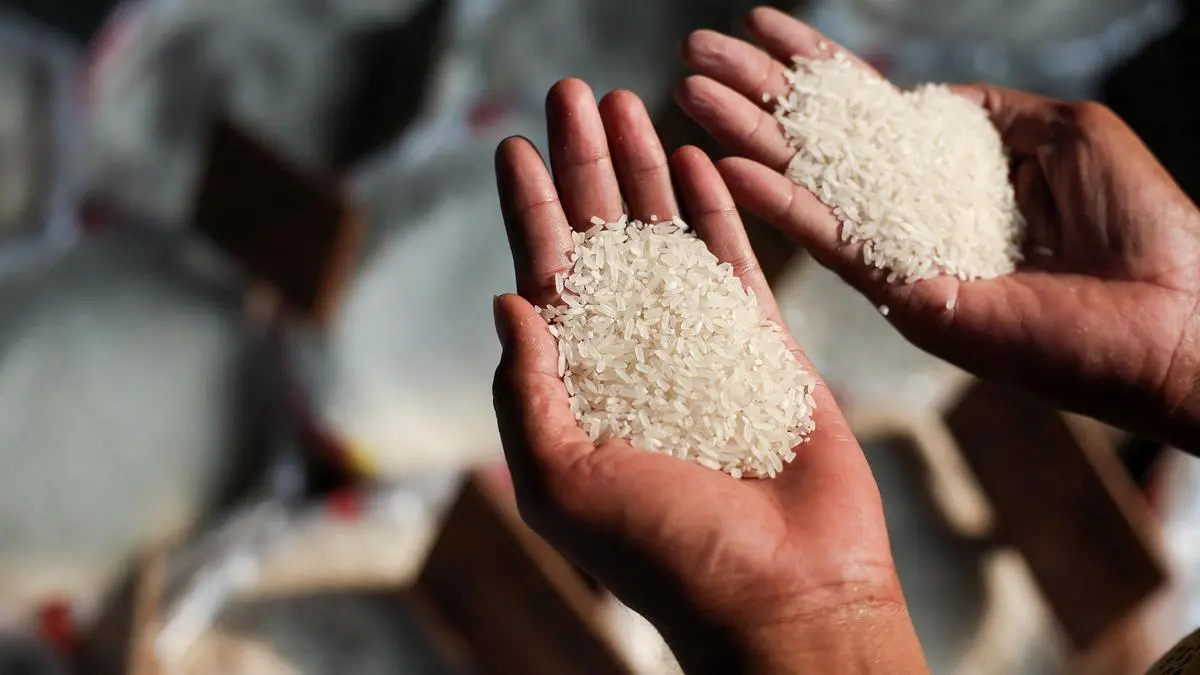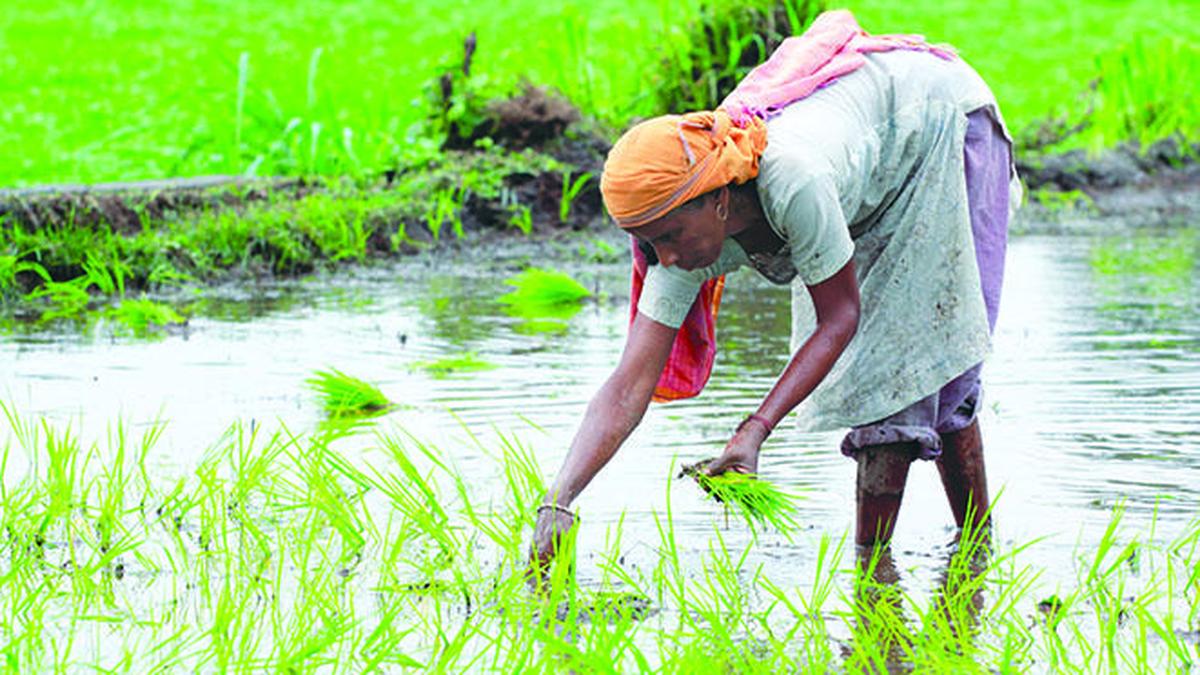
In FY26, India’s export diversification generated nearly $202 million in additional exports through new product-entry combinations, with sectors like marine products, pulses, and agri-processing contributing significantly. At the same time, India’s agricultural exports rose 2.8 per cent to $52.55 billion despite geographical disruptions and global inflationary headwinds.While these numbers reflect resilience, they also underline the structural limitations. Growth in agri exports today is not being constrained by demand; it is being constrained by logistics inefficiencies, fragmented cold-chain systems, inconsistent quality management and high wastage levels. If India wants to emerge as a dependable global food supplier, supply chain reform with integration of advanced tech can no longer be a secondary conversation.Statistically, about 15-20 per cent of India’s agricultural produce is estimated to be lost annually due to inadequate storage, transportation and processing infrastructure. This becomes even more critical in perishable categories such as sea-food, vegetables, dairy and sea-food, where international buyers demand consistency, traceability, and shelf-life assurance, along with reliability, sustainability, quality compliance and faster turn-around times. Countries competing alongside India like Vietnam, Thailand and Brazil have significantly invested in integrated agri-logistics ecosystems, digital traceability and export-oriented processing clusters. It is time that India also now needs to accelerate in the same direction.Pressure on climate change diastersThe pressure is also building as climate change disasters affecting global trade flows are also coming under pressure. Already, food supply chains around the globe are being affected by heatwaves, unpredictable monsoons, high freight prices and geopolitical conflicts. The recent turmoil in West Asia had an impact on rice shipments to the markets in the Gulf, which are a case in point that supply could be disrupted even with agile supply chains in place. India needs a single chain of supply in place instead of a disjointed agricultural value chain.The country needs to give greater importance in building up cold-chain facilities, it is important. Despite all the advances, there is still a lot to be done on the production centres to refrigerated logistics. In investment terms, the farm-gate investment is also to be made through decentralized storage hubs, reefer transportation and modern packhouses, and investment in metro cities.Secondly, there is a need for digitisation of the supply chain to be essential. The farm-to-fork traceability is gaining momentum as a global demand for farm products. With the advent of AI-powered demand prediction and blockchain-enabled traceability and smart inventory management, Indian exporters can enhance transparency, minimize wastage, and cut down on delays. The use of technology will also help the MSME exporters in becoming more competitive in the premium markets in the world.Value-addition the keyThird, there is a need to promote value addition in India. It’s important to remember that exporting raw commodities will only provide short-term returns on investment. This is because, processed foods, ready-to-cook products, nutraceuticals and specialty agricultural products make more profit and have high market demand in the international market. The increase in processed food exports by just 2% in FY26 is a minuscule figure and huge potential exists.Last but not least, policy coherence between the agriculture and logistics and export sectors needs to be strengthened. Achievement of quick clearance of ports and establishment of multimodal transport corridors and clusters of agri exports can provide a great competitive edge. The government has provided good foundation and has started to put footings for export diversification but execution of infrastructure will determine whether India can continue to lead the way in making market access a stepping stone to continuous leadership.India has a great golden opportunity in next 10 years. Food value chains are being re-aligned and buyers are seeking to diversify their food sources. India is on the path of scaling, diversification and entrepreneurship.The future of agri exports won’t be decided just at farms, it will be determined at the warehouses, logistics corridors, the cold chains, the technology platforms. The supply chain reforms, if brought to fruition to export goal can help India come a long way from being a large agricultural producer towards being one of the trusted food supply partners in the world.The author is CEO and MD Rassense India Pvt LtdPublished on June 6, 2026
India entered 1,821 new markets in FY26: an agri exports keep pace without supply chain reform?
The future of agri exports will be determined at the warehouses, logistics corridors, the cold chains, technology platforms
684 words~3 min read