Story audio is generated using AI
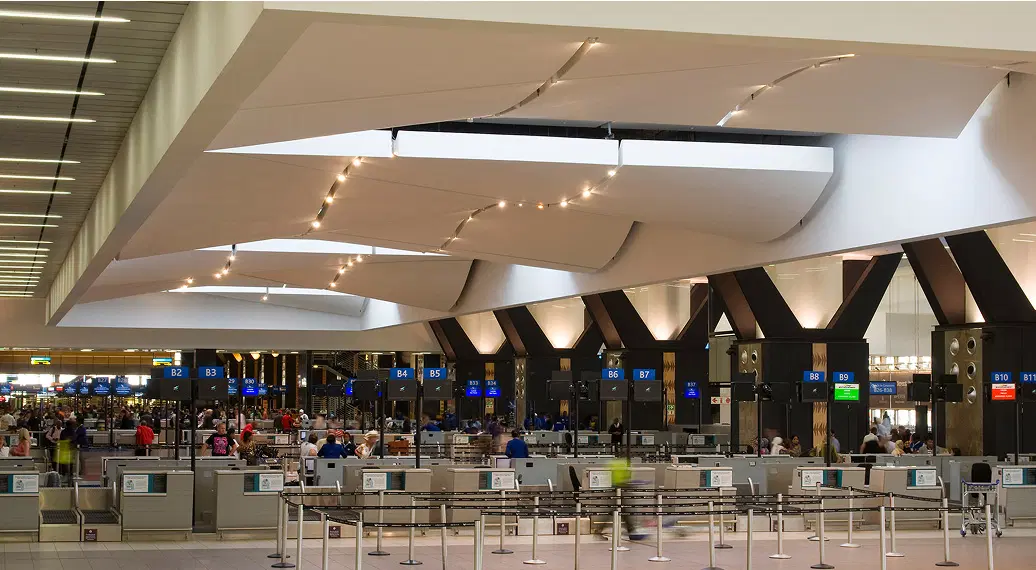
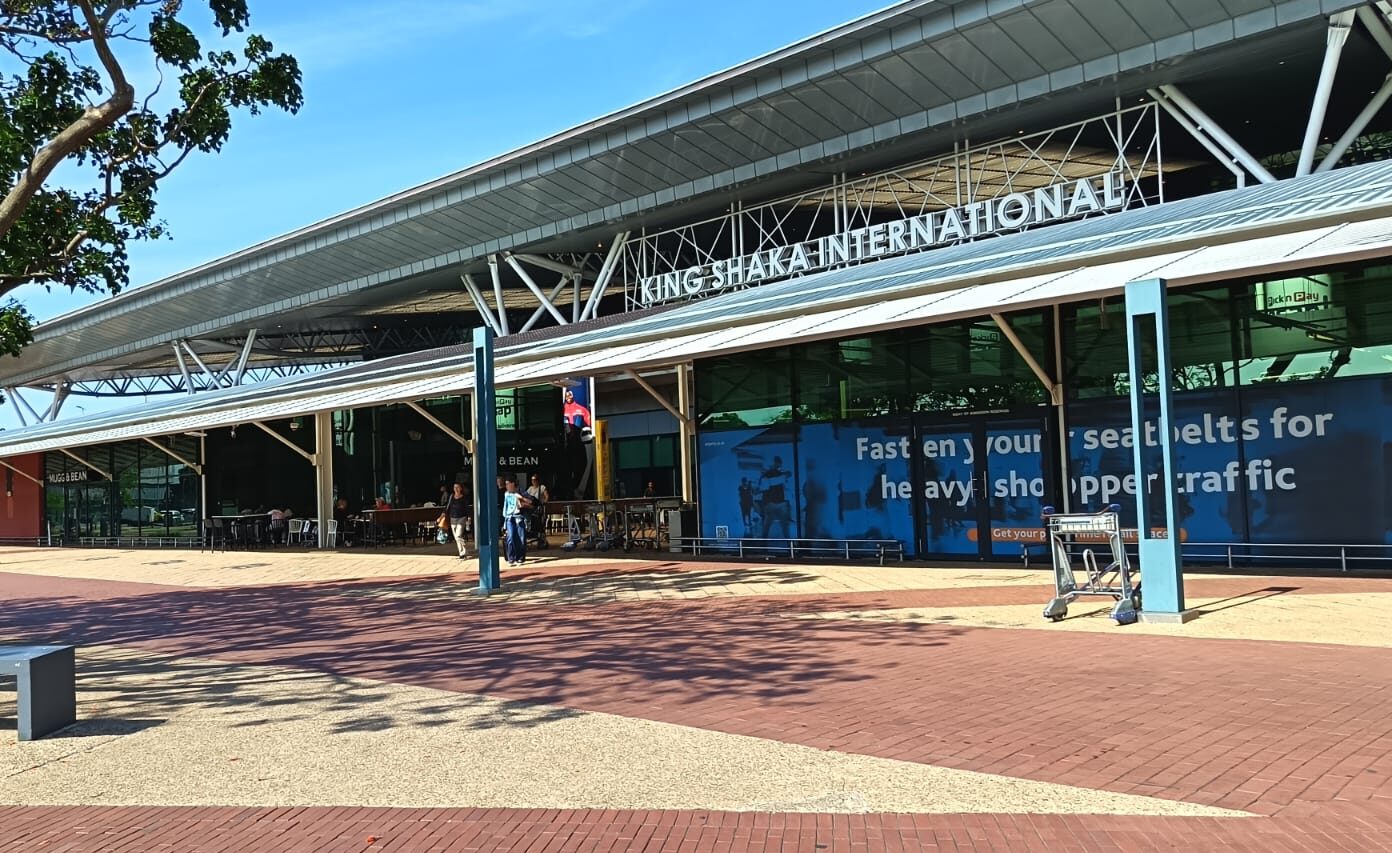
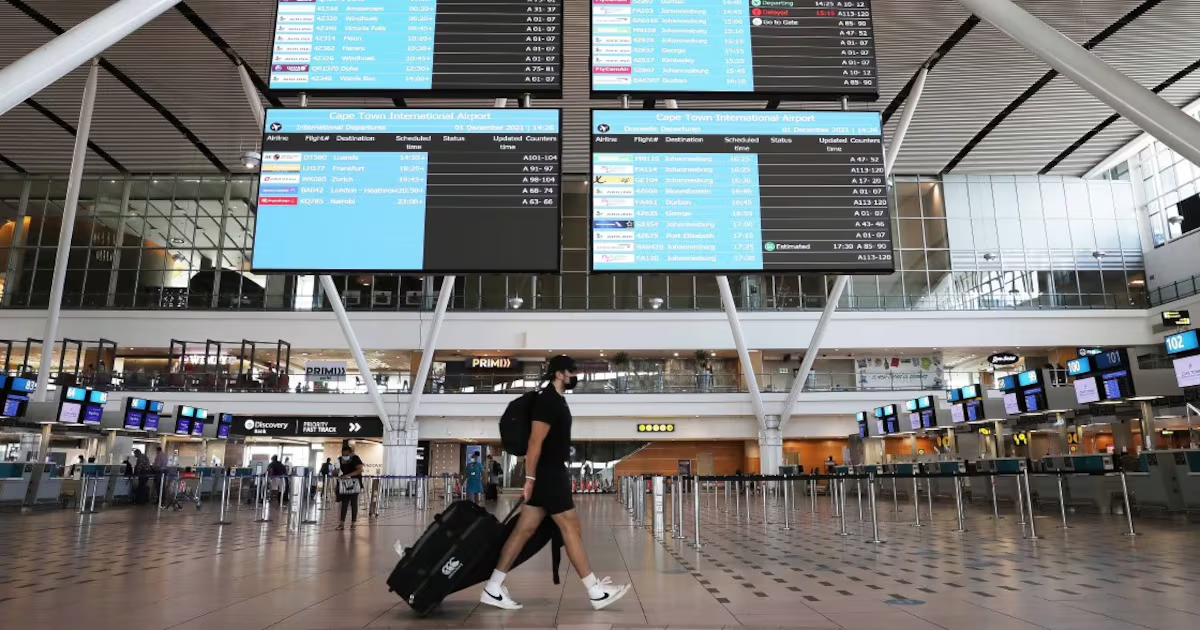
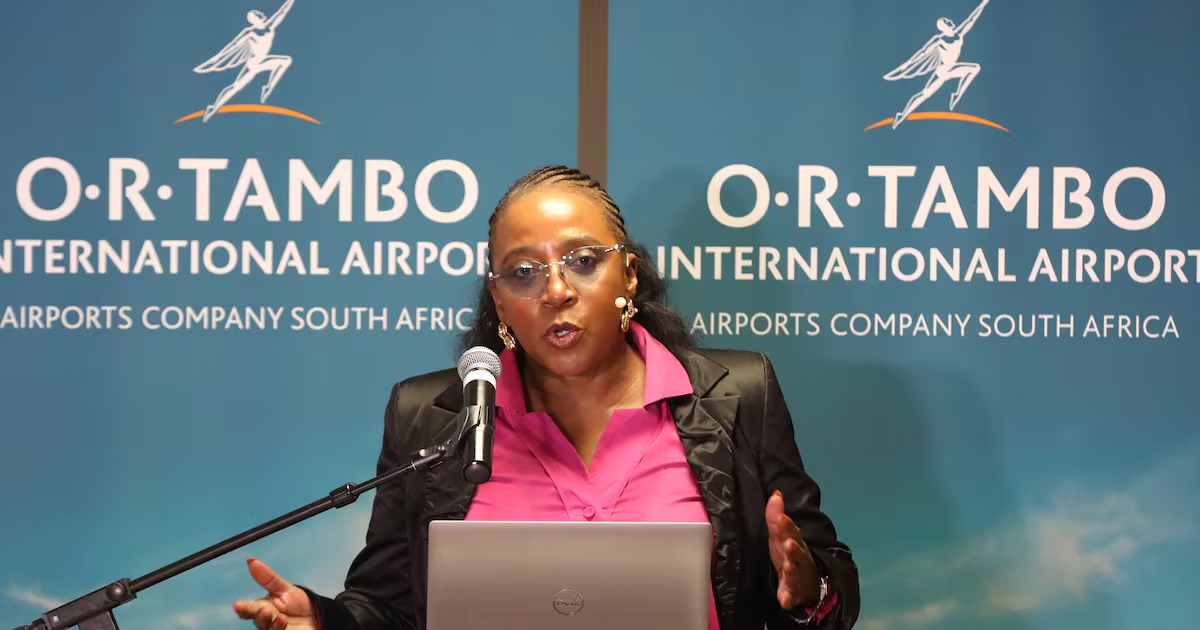
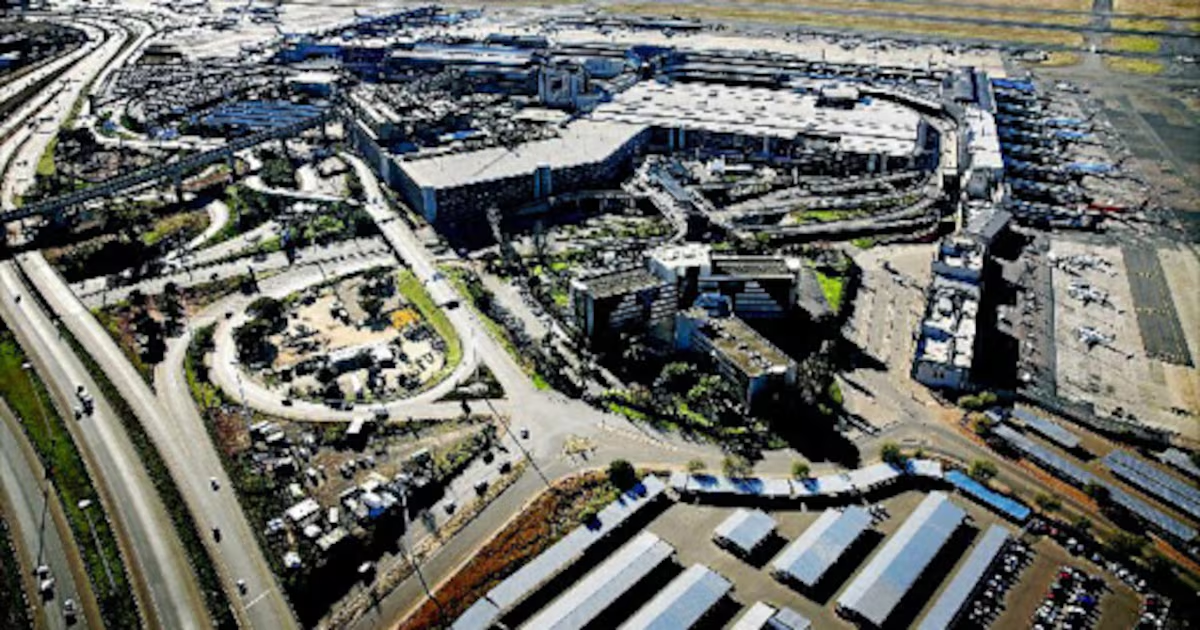
Airports Company South Africa (Acsa) is pressing ahead with its multibillion-rand Aerotropolis plan to convert the country’s three main international airports into mini-cities that also serve as gateways to the skies.Acsa group manager of transformation, Elelwani Tshikovhi, told Business Times that the development of an Aerotropolis at Johannesburg’s OR Tambo International Airport remains a strategic collaboration with other stakeholders, as Acsa cannot build it alone.“We really want to build an airport city against the backdrop of the Aerotropolis,” she said. “That’s why, when we announced the record net profit of R1bn and our revenue growth to R7bn last year, they said that there is a need for us to grow, because the more we grow, the more passengers we’re going to require in terms of capacity.”Aerotropolis plans were first mooted in 2011 by the government, with Acsa making a R22bn investment to convert the three international airports into Aerotropolises.Tshikovhi said Acsa needs to build a midfield cargo complex and the midfield cargo terminal at OR Tambo, which is currently operating at 75% of its current design capacity.“Sustainability investments are key for us, including the solar rollout across all our international airports. This supports our goal of achieving level 3 Airport Carbon Accreditation and strengthens our environmental management systems.”She said in the broader scheme there was a roughly R20bn project pipeline, which is dedicated to OR Tambo alone. She said Acsa relied on the metros hosting the international airports as critical partners in this goal from a governance perspective.“In Cape Town, the City of Cape Town becomes key, because you’ve got other players that make it possible. Then you build the city around the airport so that people look at the airport not as an airport for them to be able to connect and ferry and transit to other countries but also see it as a mall, see it as an office park, and see it as other things.”Tshikovhi said that to achieve the “airport city” vision, it has become critical for Acsa to work with other stakeholders and meet with them in the various structures where discussions around the Aerotropolis are being held.“It is still at a very early stage, so I cannot share much more at this point. Acsa is very involved in that process because it serves us in good stead if our airport [is involved], because then we’ll be able to attract more people, which means more passengers; then we make more money, and our communities benefit, and the country as a whole; then the economy also gets impacted [positively].”Acsa is also working to improve its internationally benchmarked Airport Carbon Accreditation rating, aiming to get to level 3 carbon accreditation across all three international airports.Tshikovhi said that after Acsa develops a solar PV facility at Cape Town International Airport, the entity will look to embark on a broader decarbonisation programme that will also include battery-storage technology.“Solar capacity alone doesn’t solve the problem for us, but integrating variable renewable generation into a legacy grid built for stable dispatchable power requires us to have intelligent grid technologies.”US international carrier Delta recently told Business Times that South Africa has been a trusted partner in the company’s vision to continue serving the global aviation market, with the country a critical gateway into the region.Solar capacity alone doesn’t solve the problem for us, but integrating variable renewable generation into a legacy grid built for stable dispatchable power requires us to have intelligent grid technologies.— Elelwani TshikovhiMatt Long, Delta’s chief in Europe and Asia, said South Africa was still one of the most robust regions from a tourism perspective, with many Delta passengers coming to South Africa. “The beauty of the South African market from [a] corporate [perspective] is just the diversity of spend across multiple lines of business,” he said.The department of transport’s national airports development plan says the Aerotropolis model offers connectivity to suppliers and customers across the globe, as airports have become major drivers of urban development, economic activity and city competitiveness.“It could facilitate economic initiatives such as the Aerotropolis concept, airport cities, special economic zones linked to international airports aimed at promoting economic growth, trade and tourism, and job creation. It could further facilitate the expansion of tourism, including sport and adventure tourism.”Business Times