Story audio is generated using AI
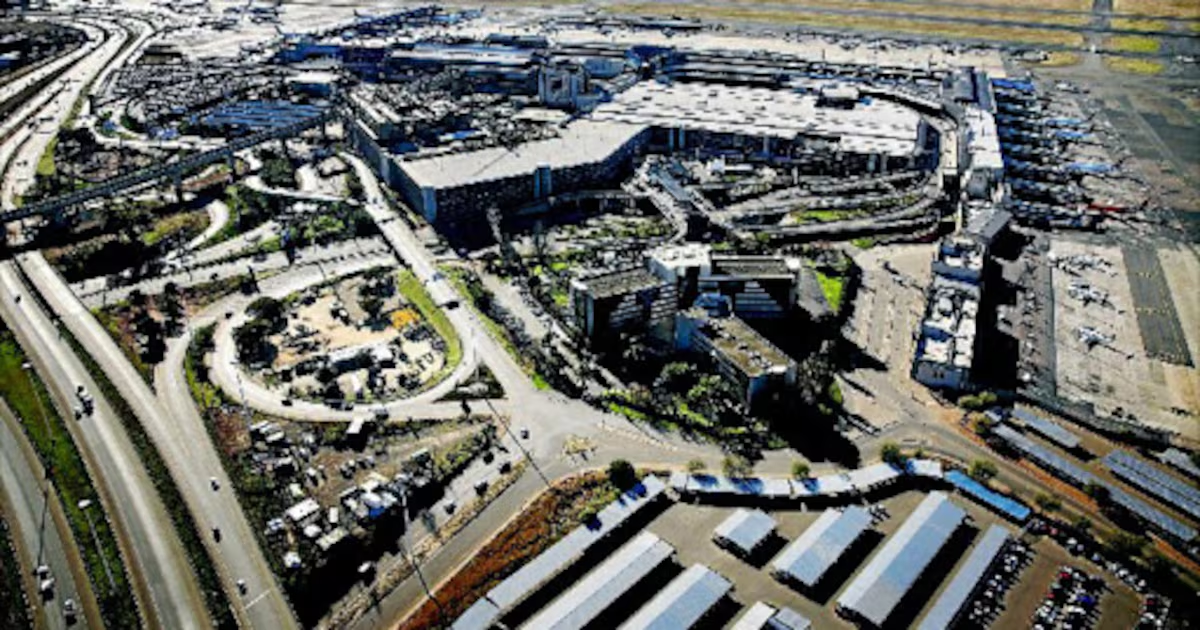
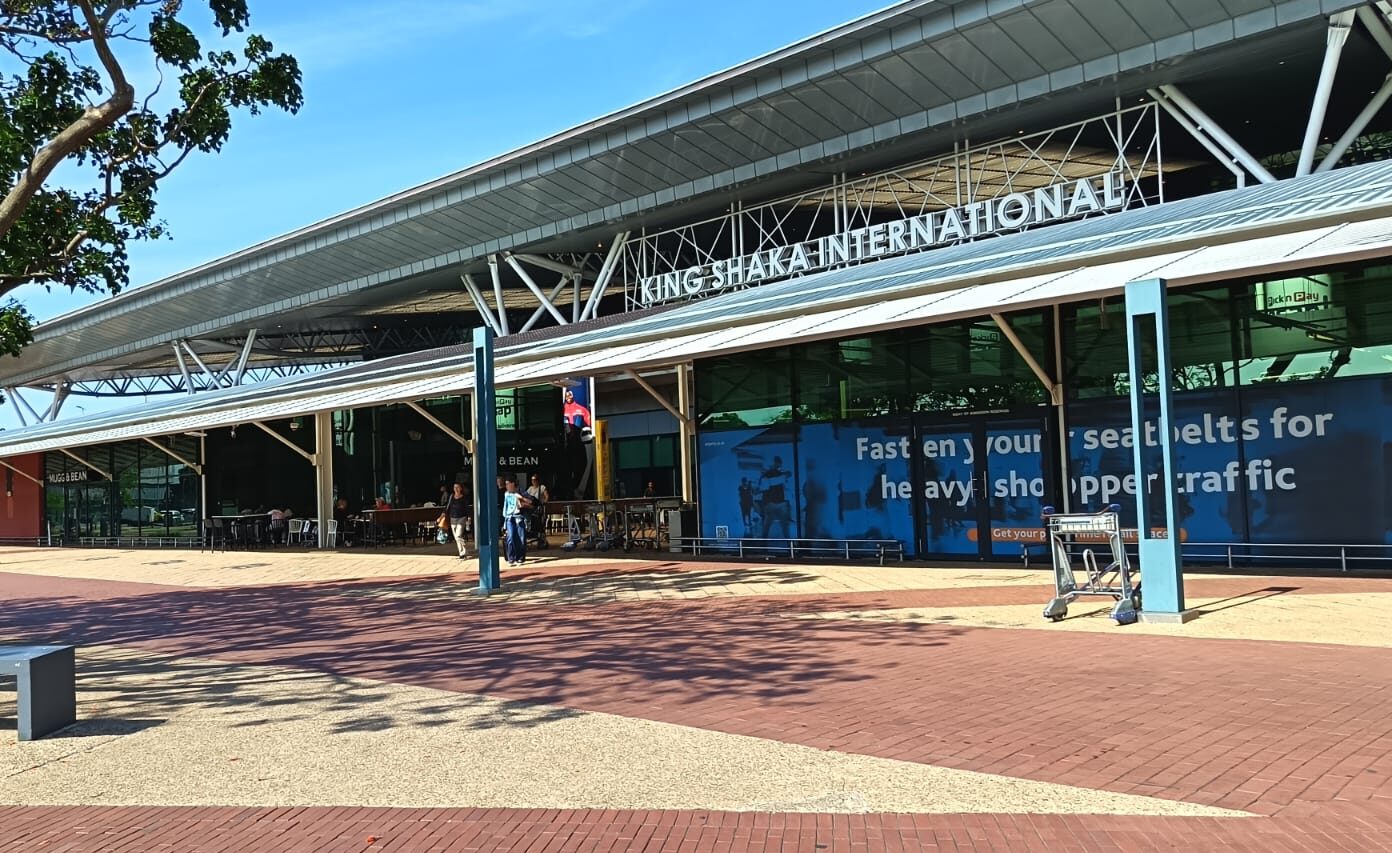
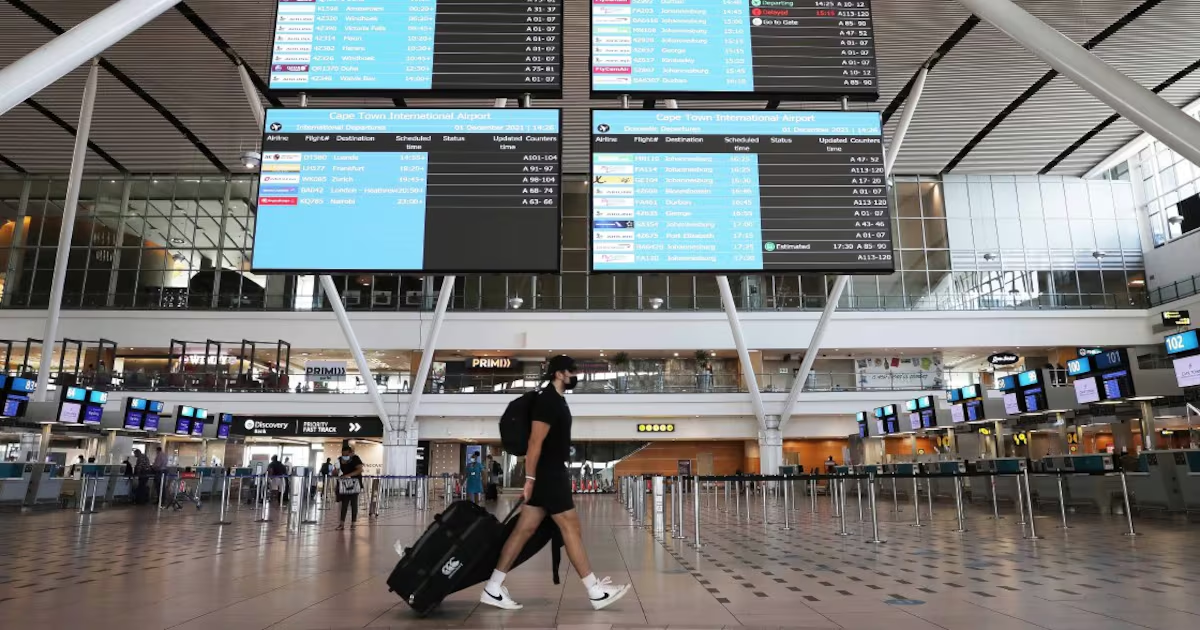
Cape Town International Airport is leading the charge among South Africa’s big three airports to achieve international green accreditation through the installation of an on-site solar farm. The Airports Co South Africa (Acsa) told Business Times development of the solar panel facility at Cape Town International, which would produce at least 2.5MWp (megawatt peak, a measurement of the maximum potential output of power), was at an advanced stage. “Aviation, which constitutes approximately 3% of global CO₂ emissions, is en route to decarbonise, with the Airports Council International (ACI) officially launching, in mid-2023, the initiative of ‘airports of tomorrow’ to address the energy, infrastructure, and financing needs of airports in coming decades,” Acsa said. It said solar power had already been implemented at six smaller airports, and OR Tambo International Airport and King Shaka International Airport were on the to-do list.“Airports need to migrate to renewable and cleaner energy for their infrastructure and operations, while users of the airport could also source this energy; an airport is part of an intermodal transport solution to connect people, goods and services for economic benefit and job creation.”Acsa’s sustainability and ESG strategy is in line with the International Civil Aviation Organisation’s long-term aspiration to decarbonise the aviation industry and reach net zero by 2050.“The implementation of this 2.5MW facility will yield benefits for Cape Town International, including reduced operational costs on utilities, reduction of carbon emissions, reduced electricity grid dependency, and improved security of energy supply,” Acsa said. Using solar power was part of the effort to achieve ACI level 3 carbon accreditation status at all three international airports by 2031.Aviation, as a hard-to-abate sector, must play its part and has committed to achieving net-zero carbon dioxide emissions by 2050ACI has urged member states to establish enabling policies and remove regulatory and technical barriers to the generation, procurement, use, and storage of renewable and low-carbon energy for and at airports.“The global energy transition must be accelerated across all sectors to meet the objectives of limiting global temperature rise to well below 2°C, and preferably to 1.5°C,“ it says. ”Aviation, as a hard-to-abate sector, must play its part and has committed to achieving net-zero carbon dioxide emissions by 2050, a goal formalised through several complementary initiatives.“In 2021, ACI was the first in the industry to adopt a net-zero carbon goal at a global level. The airport carbon accreditation programme continues to provide a structured framework for airports to measure, reduce, and ultimately neutralise their carbon footprint.”The organisation said airports’ energy demands will continue to rise because they are integral to transport systems, and serve as hubs of economic activity and technological innovation.“As infrastructure operators managing already energy-intensive systems, they will require access to reliable, clean power to meet growing demand, support emerging electricity-dependent technologies, and achieve emissions reductions.”Edna Sathekga-Montse, group chief transformation and sustainability officer at African Bank, said market appetite for sustainable development finance was strong. “We must make sure that we avoid greenwashing and ticking boxes without any impact.” Wayne Cowie, CEO at Energy Exchange South Africa, said even with increased capacity, bringing renewable energy online is not as simple as flicking a switch.“Due to their nature, renewables are inherently variable — solar generating during the day when it is sunny and wind generation when wind conditions allow. Compare this to a legacy grid built to dispatch regular, stable coal-fired power, and there’s a disconnect.”He said integration of renewable power into South Africa’s “rigid, legacy grid requires intelligent grid technologies, the most pressing of which are battery energy storage systems”. Business Times