Story audio is generated using AI
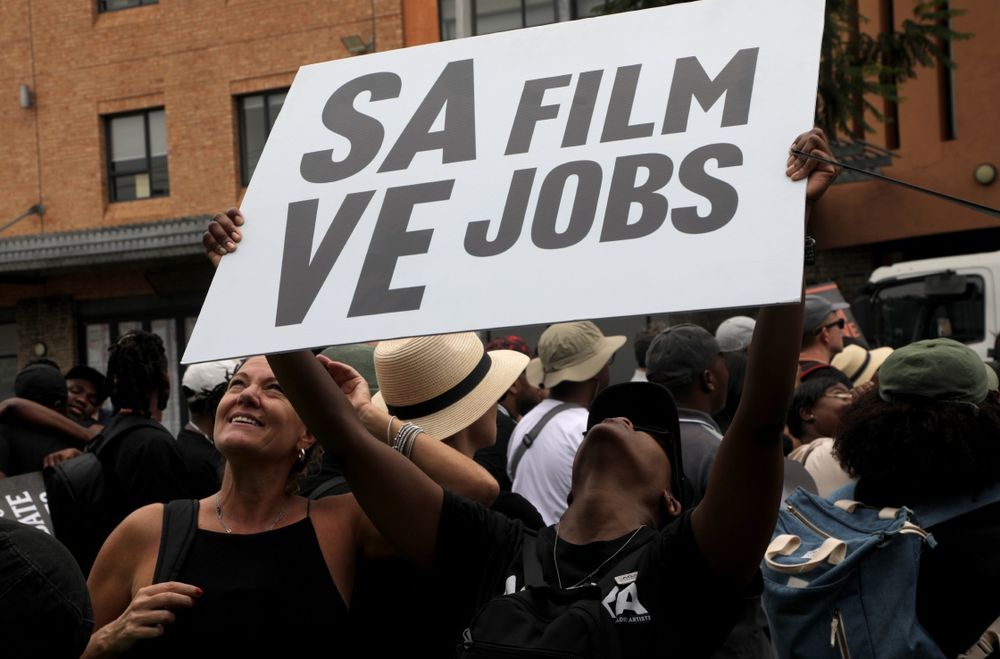
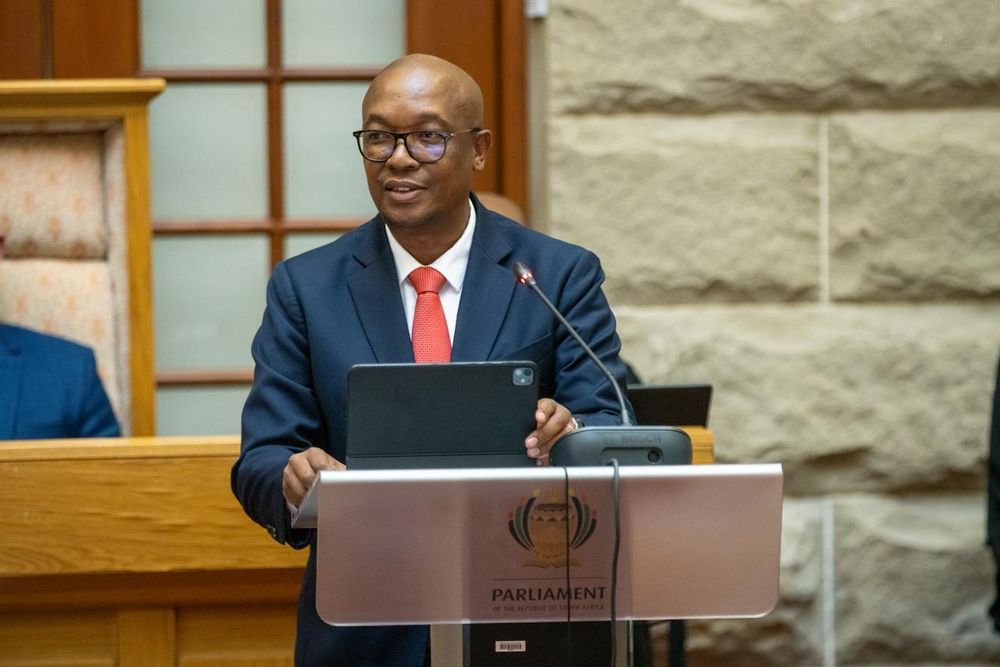
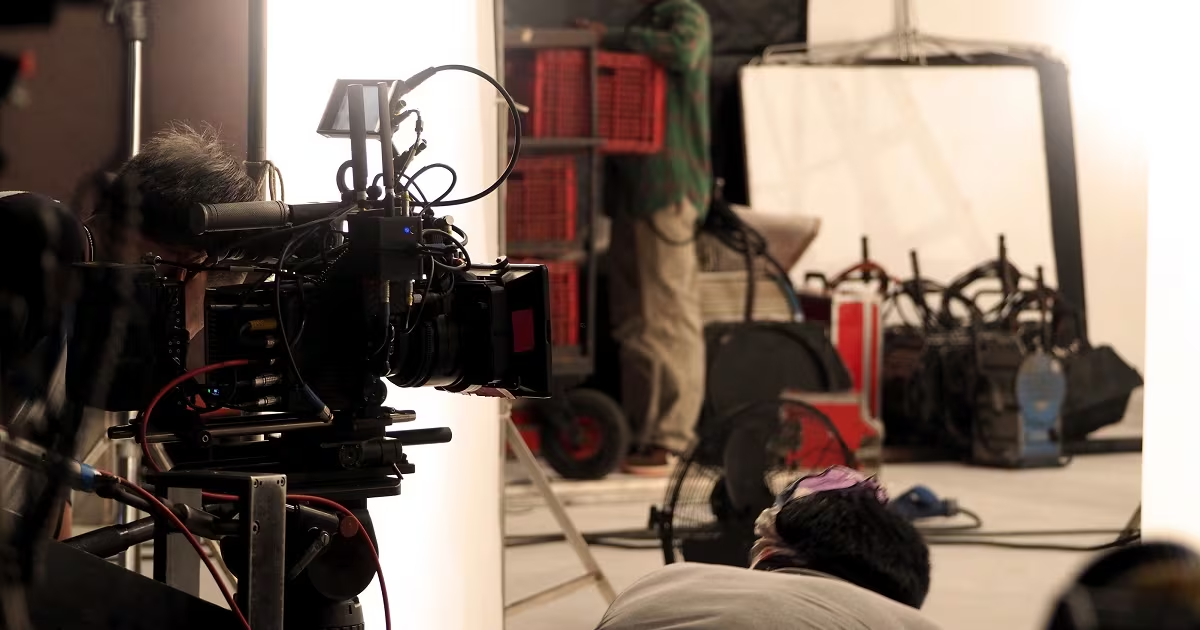
Pressure is mounting on trade, industry and competition minister Parks Tau over the deepening crisis in South Africa’s film incentive programme, with the DA demanding that parliament summon him to explain why one of the country’s most successful investment attraction mechanisms has effectively ground to a halt.In a letter to National Assembly trade, industry and competition (DTIC) portfolio committee chairperson Mzwandile Masina, DA trade and industry spokesperson Toby Chance called for Tau and DTIC director-general Simphiwe Hamilton to appear before MPs to account for concerns raised by the Save SA Film Jobs campaign.Industry players say the matter has evolved from a problem of delayed rebate payments into a broader threat to South Africa’s competitiveness as a global filming destination.According to Chance, parliament can no longer ignore mounting allegations that incentive budgets are not being spent, adjudication processes have stalled and international productions are increasingly choosing rival destinations over South Africa.“The letter reveals a damning indifference to the dire state of the industry and instead of practical solutions, all the department appears able to offer are a series of ‘talk shops’ that produce little progress,” Chance wrote.Allegations that available budgets remain unspent, the adjudication committee has become inactive and South Africa’s international reputation continues to deteriorate should be of “grave concern” to the committee, he said.The letter reveals a damning indifference to the dire state of the industry and instead of practical solutions, all the department appears able to offer are a series of ‘talk shops’ that produce little progress— Toby Chance, DA trade and industry spokesperson Chance also requested that representatives of the Save SA Film Jobs campaign appear alongside Tau and Hamilton before the committee so that lawmakers can hear directly from industry stakeholders what the problems are and secure commitments to resolve the impasse.The parliamentary intervention follows an unprecedented open letter by Save SA Film Jobs, a coalition representing producers, crew members and industry organisations, which accused the department of allowing the country’s film incentive programme to descend into paralysis while projects, investment and jobs disappear. The sector is preparing a nationwide mobilisation.Industry players argue that months of engagement with the department have failed to produce meaningful progress. They claim no new incentive approvals have been issued since March 2024 despite repeated meetings with officials and assurances that solutions are being considered. According to an industry source the sector has lost faith in the film unit at the DTIC. The industry wants the immediate resumption of the adjudication committee meetings, and the processing of applications already in the system. Confidence has deteriorated further as projects remain trapped in an approval backlog while competing destinations aggressively court international productions, he said.The source added that the industry’s primary concern is not the size of the incentive budget but the department’s inability to administer the programme efficiently.“This is not about asking government for more money. The budget already exists. The problem is that the money is simply not being spent,” he said.The source argued that the crisis has become increasingly difficult to explain to international investors and studios, which require certainty before committing hundreds of millions of rand to productions.“Film producers don’t wait indefinitely. If South Africa cannot make decisions, they simply move to countries that can,” the source said.Introduced around 2004 and modelled on Australia’s film rebate system, the incentive programme became one of South Africa’s most effective industrial policy tools by encouraging international productions to spend substantial amounts locally before qualifying for government support.Industry stakeholders argue that unlike conventional subsidies, the programme generates significant economic activity because productions must spend money on local crews, accommodation, transport, construction, equipment, catering and other services before claiming rebates.They argue that South Africa is steadily losing market share as international productions redirect investment to jurisdictions offering greater certainty.The consequences extend well beyond production companies.Every major international project supports hundreds of freelancers and service providers, including camera operators, lighting technicians, set builders, makeup artists, drivers, security personnel, accommodation establishments, restaurants and transport businesses.“Every production that goes elsewhere doesn’t just mean lost income for producers. It means work disappears for thousands of freelancers, technicians, caterers, transport operators, accommodation providers and countless small businesses,” the source said. The source estimated that the industry had been supporting about 17,000 jobs but employment levels had fallen sharply as productions moved elsewhere.“We are witnessing the deindustrialisation of the sector and the reversal of transformation,” he said.Industry leaders insist the incentive itself remains internationally competitive and does not require major redesign. Instead, they argue that restoring investor confidence depends on predictable approval timelines, efficient administration and consistent communication with applicants.Business Times