Story audio is generated using AI
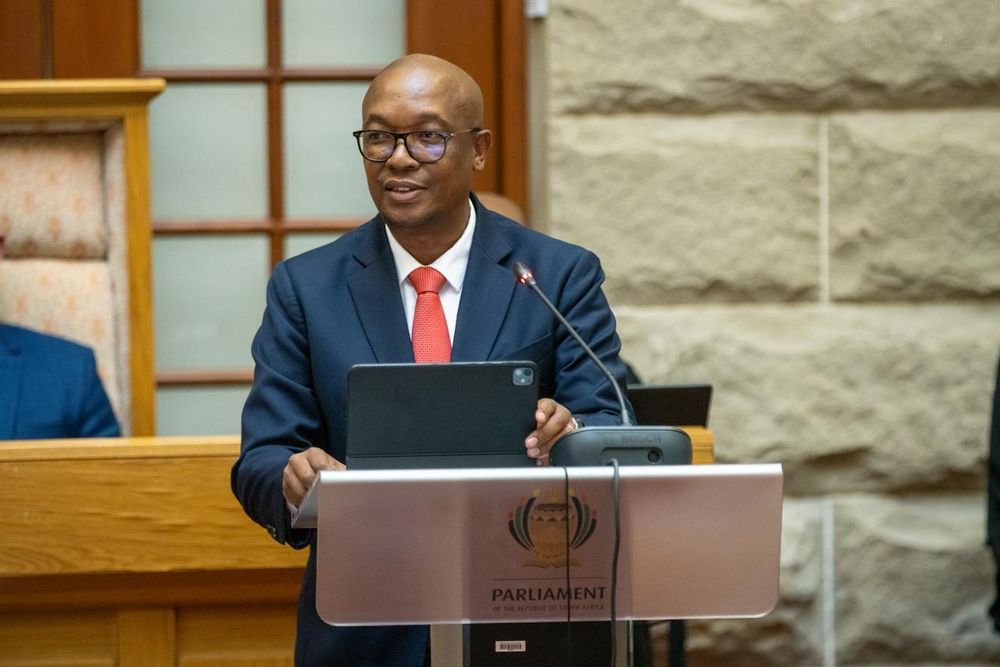
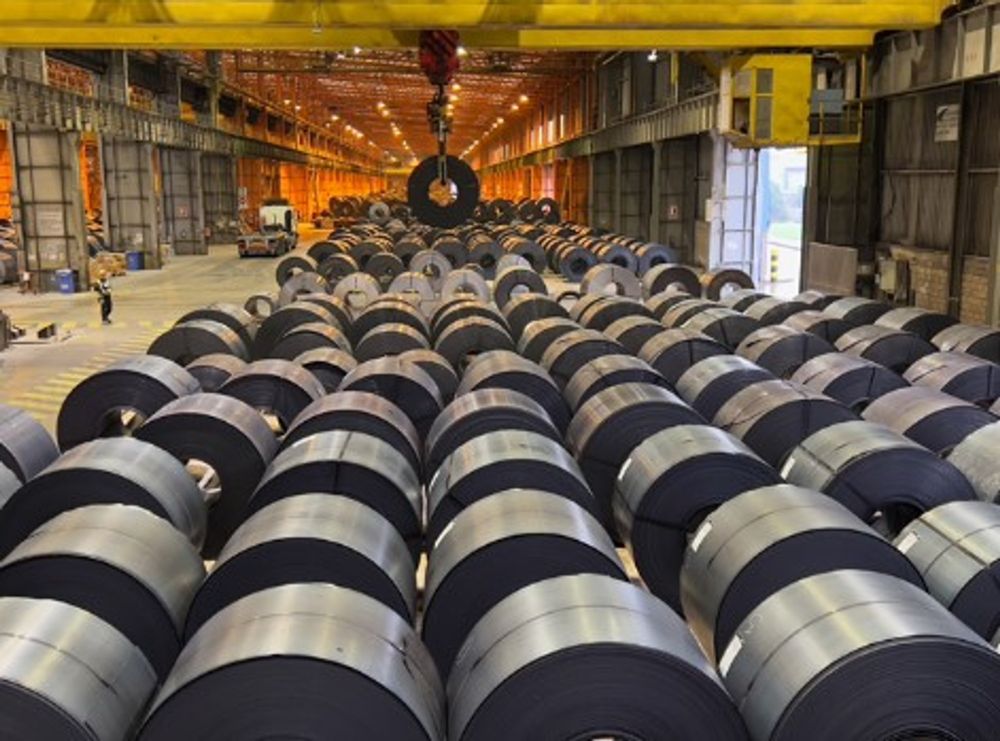
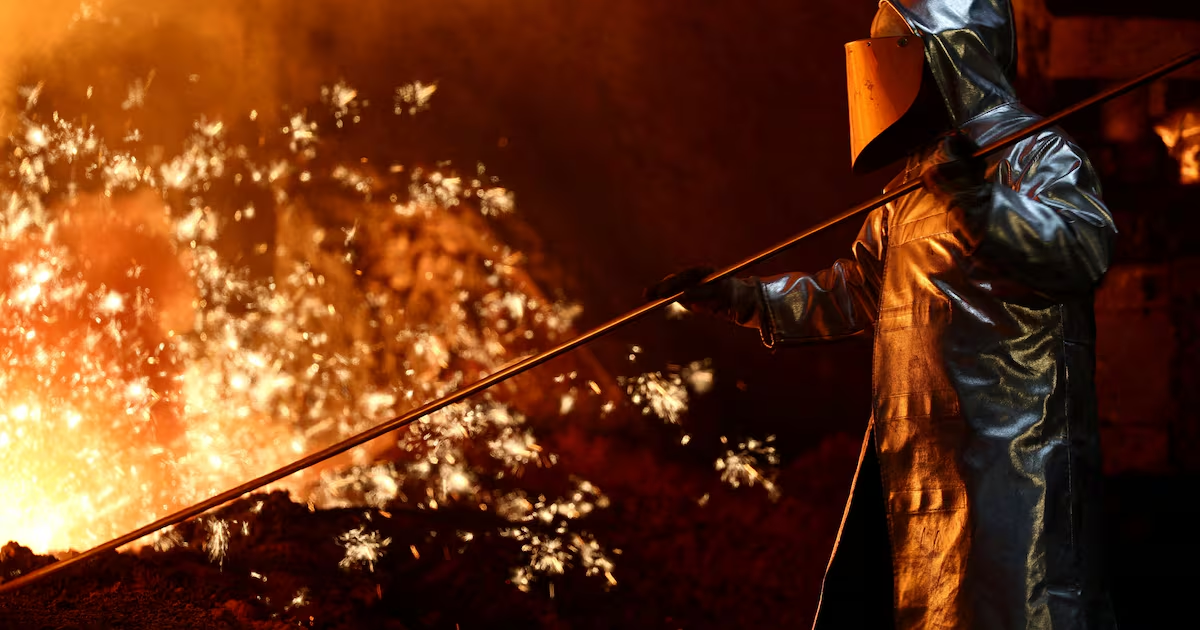
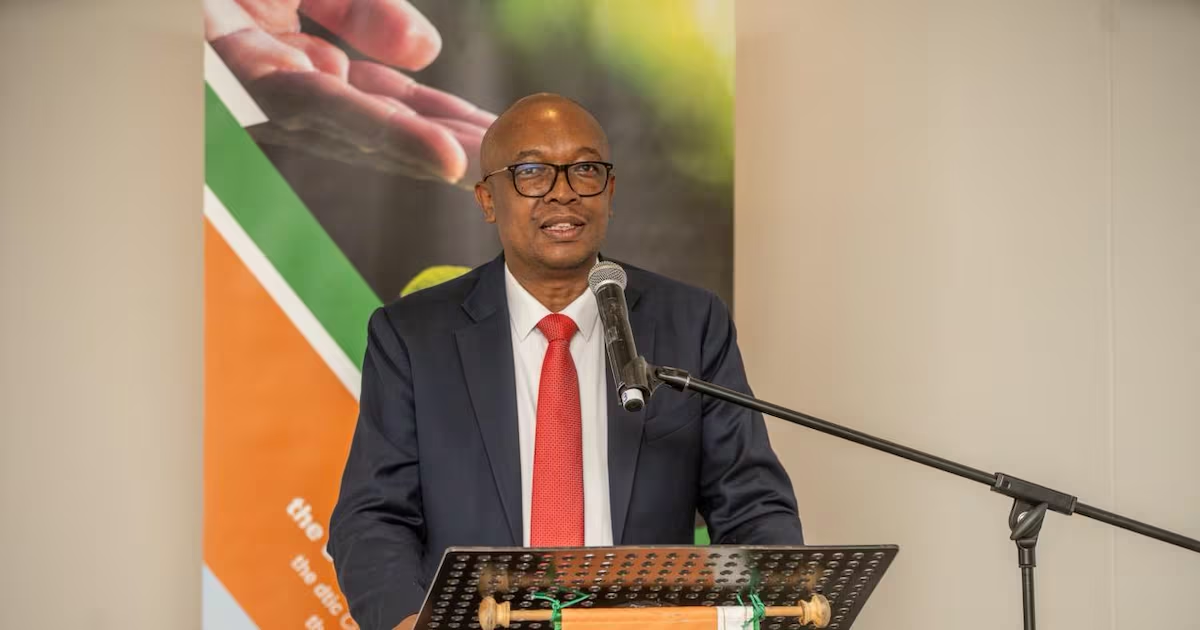
Trade, industry and competition minister Parks Tau says the decarbonisation of industries in the South African economy has progressed but faces increased urgency as strategic trade partners begin to tax carbon-intensive exports.Tau was speaking at a stakeholder engagement in Cape Town on Tuesday evening at the Southern Sun Cullinan, after tabling his 2026 Budget Vote in parliament on the same day. SA and other markets face the EU’s Carbon Border Adjustment Mechanism (CBAM), which adds a tax hurdle to carbon-intensive exports destined for the EU market.Tau said SA volunteered its commitment to decarbonisation and that nobody put a gun to the country’s head, as the leadership knew that it had to take certain action that mitigates the effects of climate change. “But implementation is also happening in a way that … we can refer to as ‘externationalism’. So the EU and the UK have imposed, and they don’t like it when we say ‘imposed’, because they understand that we say it’s ‘imposed’. “So they have imposed the CBAM and a whole range of other policy instruments that could have a significant impact on our economy if, in fact, we don’t undertake a transition.”The minister said a significant number of products that are targeting the European market, in particular the EU and the UK, will be significantly negatively affected if South Africa does not transition its industrial and productive capacity. “The automotive industry, steel and others will be impacted if we have not produced these in low-carbon-intensity factories, if you like. So if our production line and our industrial network are not decarbonised, they place an extra premium on what you export into those markets based on your energy production and the way in which you transfer it.” He said that in the automotive sector, factories would be affected as CBAM places a premium on the use of fossil fuels that emit greenhouse gases in production, and that that premium would also be added to the logistics that come with it. “So if you put it on a truck or a train that uses fossil fuels, they’ll add the carbon content and say, okay, there’s a premium on this, and there’s a premium on this. If it gets into a ship that does not use any fuel, that would be added to the generating.”Imperative to decarboniseSpeaking at a separate multi-stakeholder gathering in Johannesburg, director of ferrous metals at the trade, industry and competition department, Nyakallo Dlambulo, said global climate commitments and trade measures are reshaping industrial competitiveness. “Therefore, export competitiveness increasingly depends on carbon intensity and environmental performance, and South Africa cannot avoid the imperative to decarbonise, at the same time avoiding de-industrialisation and job losses.” She said the transition to clean energy presents industrial opportunities to the country in areas of green steel, beneficiation, localisation, renewables, hydrogen and circular economy. “The government is already working with industry and labour towards a comprehensive steel value chain roadmap incorporating technology transition, downstream development, demand-side interventions, trade measures and industrial upgrading.” She said that at the same time, trade measures remain necessary to stabilise strategic sectors such as steel during the transition period, as it is one of the sectors most exposed to emerging climate-related trade measures, such as the CBAM. “The industry itself has already begun developing transition pathways and targets, including around energy efficiency, circular economy measures and lower-carbon technologies. And industry must continue investing in efficiency, cleaner technologies and innovation. Sector roadmaps and transition plans remain important.”She concluded that South Africa’s industrial decarbonisation pathway must remain developmental, co-ordinated and industrially inclusive, ensuring that the transition supports competitiveness, investment, localisation and sustainable job creation.TimesLIVE