Story audio is generated using AI
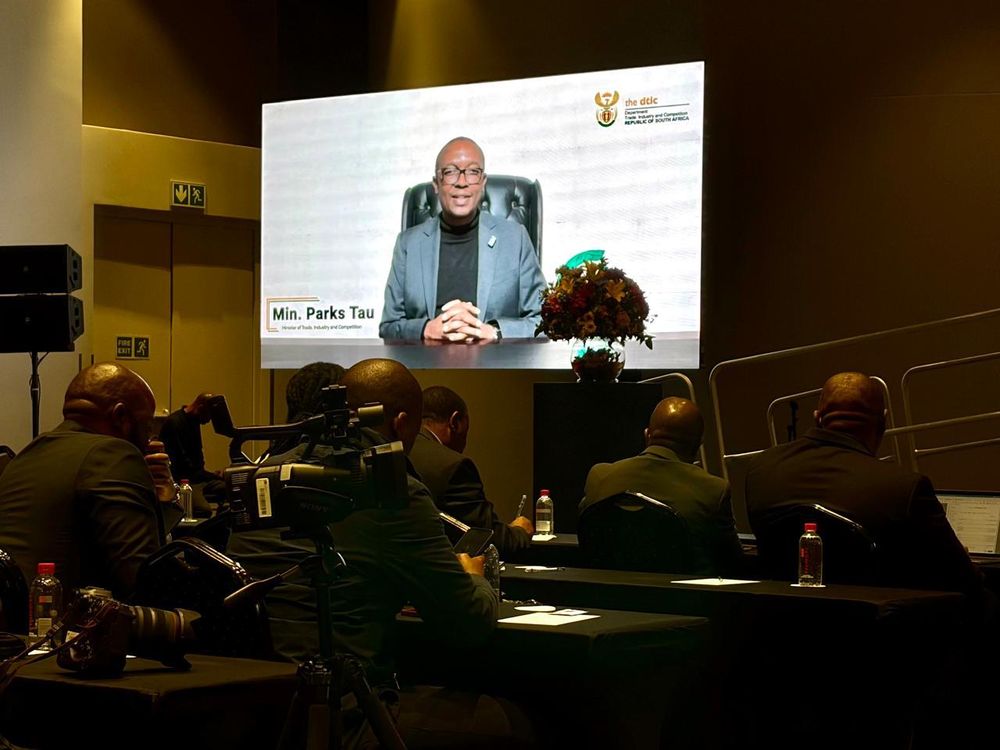
Earlier this year the department of trade, industry & competition hauled most of its staff off to a ministerial lekgotla outside Johannesburg, a bosberaad it called the “2026/27 DTIC Portfolio Planning Session”. Trade, industry & competition minister Parks Tau was there to get his troops in an industrial policy planning mood. The department’s strategic plan, he said in his opening, was anchored by the National Industrial Policy which ― in case they did not know already ― was the third pillar of the Growth & Inclusion Strategy framework. Last moved forward in 2019, he now asked his team for a further advance in industrial policy. In a new 50 page report we have the answer. The revised industrial development strategy was published last week. Where there were once 17 industry masterplans, these are now pushed to the side as having not really worked despite there being some green shoots in a few. The new effort is to concentrate policy on “decarbonisation, diversification and digitalisation”. And there is one notion the report comes back to, as if to remind itself of a central mission: the state is at the very centre of the industrial economy. “State capacity is essential for implementing industrial policy effectively,” the report reads. “Ensuring benefits like industrialisation, job creation and technological progress while minimising negative impacts. Building this capacity requires investment in institutions, expertise and inclusive processes to make the state the main driver of policy. Countries adopt different approaches ― top-down, bottom-up or mixed, with the mixed approach risking incoherence and conflict between institutions.” The document squarely attributes much of the blame for de-industrialisation and slow growth to places driven by trade liberalisation. Interventions taken in isolation, it argues, will not effectively arrest the challenges. GDP per annum would rise to 3% if implemented effectively, it says.Readers would struggle to pick out the substance amid the rhetoric in the report. It is short on policy, rather standing as a totem to anyone who imagines they might have a good idea that doesn’t include asking the state for its blessing. “Industrial policy is forward-looking and must pivot the South African economy to industrial capabilities that scale intensive technologies in the production of goods and services and facilitate the skilling of human capital,” reads the report in one of its egregious fusions of political bombast and consultancy cliché.“The choice of targeting industries (for the department’s attention) is also informed by the composition of the manufacturing value addition in South Africa, criticality, backward and forward linkages, as well as multiplier effects.” Meanwhile, a push for export chrome taxes and quotas has rankled the country’s mining interests. Its intentions are ostensibly noble: to protect the local industry amid increased global competition and rising costs. But the Minerals Council South Africa has put forward a compelling case that the measures would further drive policy uncertainty and discourage investment. What all sides will acknowledge to varying degrees is the pernicious effect electricity prices have had on energy-intensive sectors and the thousands of jobs they have put at risk. The strategy suggests preferential electricity tariffs for more sectors of industry, an idea that will ring hollow to many mining and manufacturing players until they can effectively measure its implementation.What’s missing isn’t another report about linkages and multiplier effects; it is a clear-eyed recognition that we can only make and export things other people want to buy and at prices they can afford.