AMD’s Helios strategy turns the GPU battle into a systems contest
The market for data center GPUs is evolving beyond individual chip specifications into a contest over fully integrated rack-scale systems. As AI workloads scale into the gigawatt range, buyers increasingly demand validated infrastructure that can be deployed quickly rather than components assembled piecemeal.
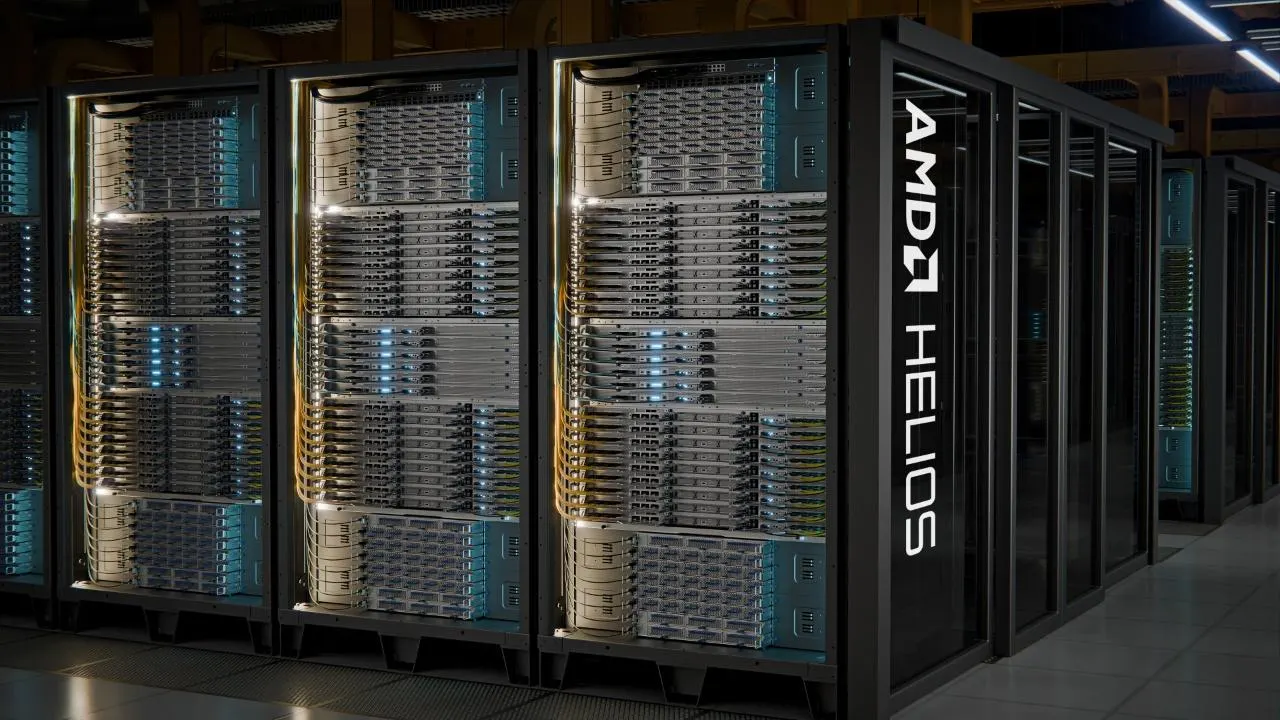
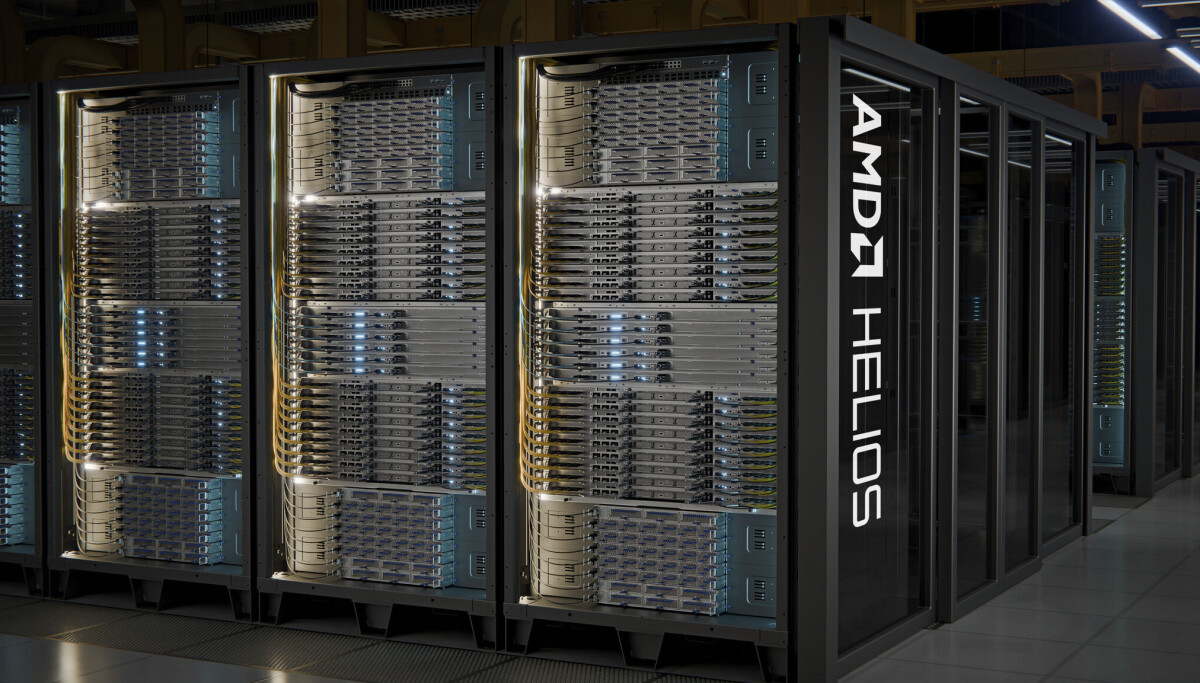
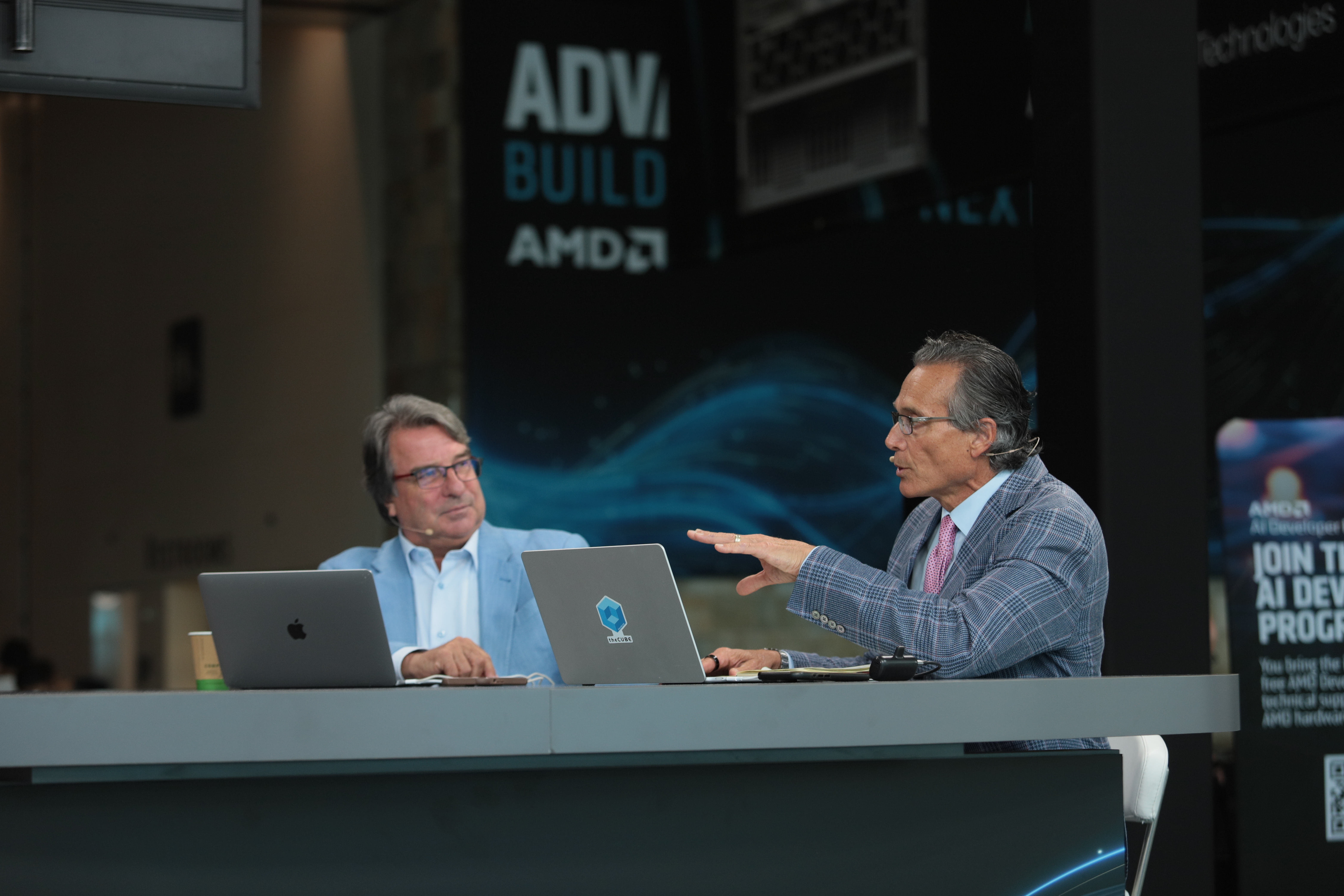
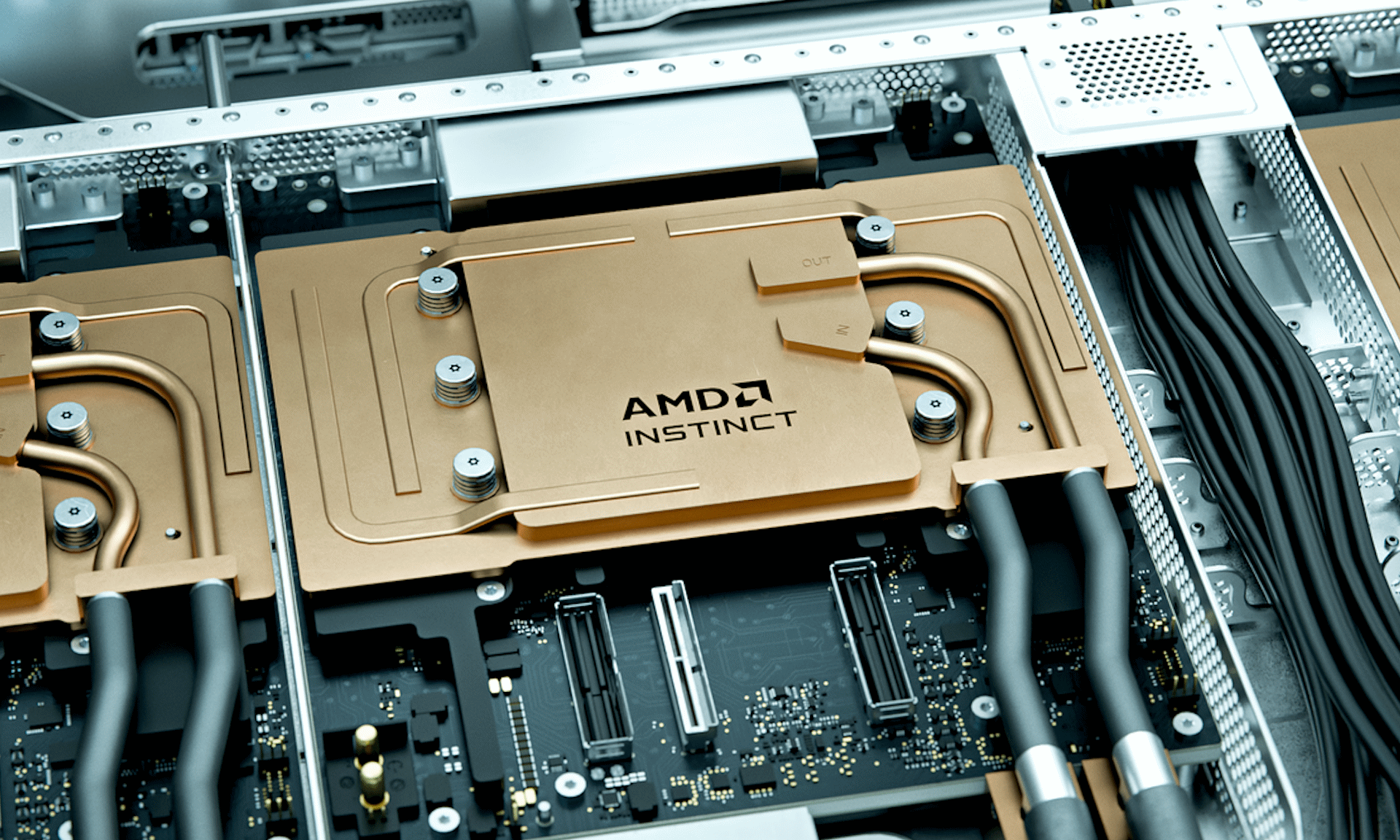
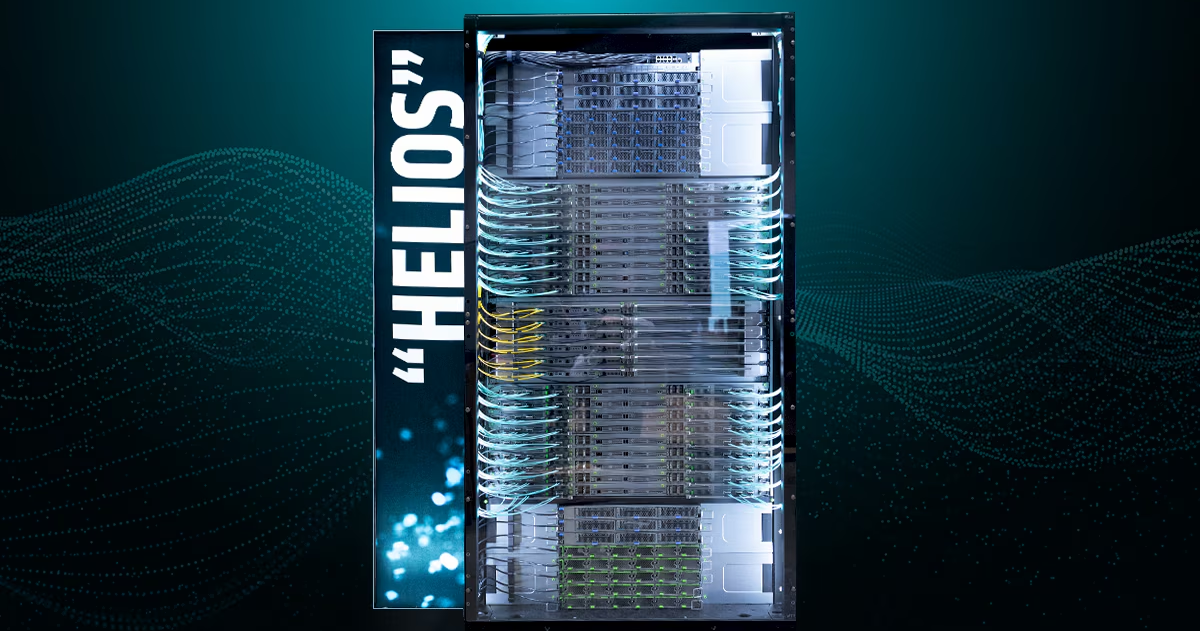
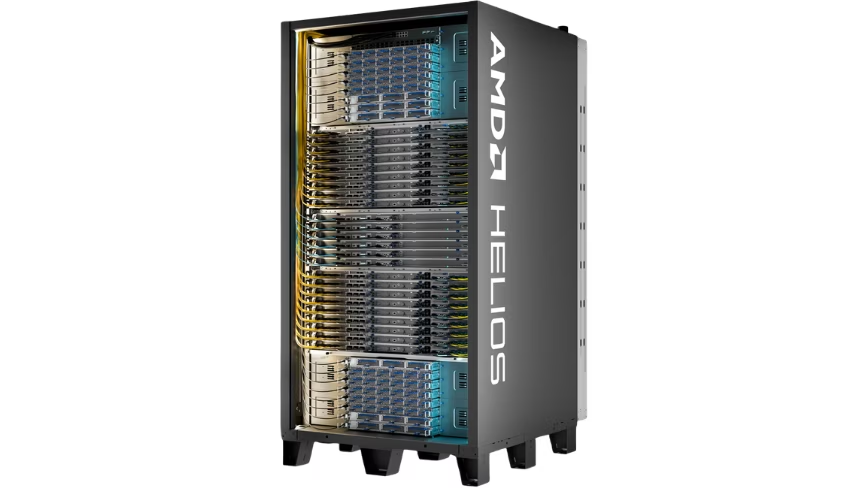
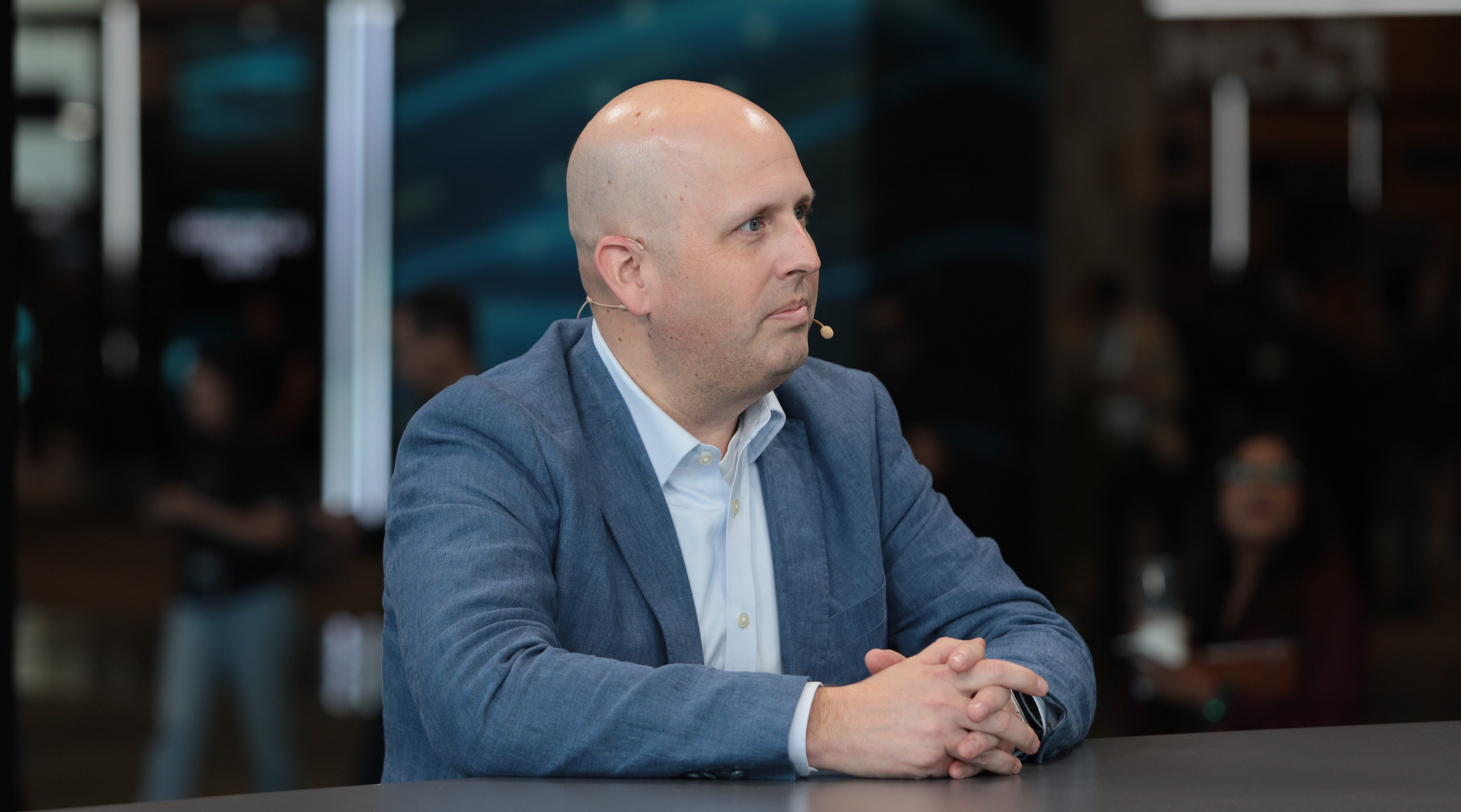
That shift has pushed Advanced Micro Devices Inc. to reposition itself as a systems company, unifying its data center GPUs, CPUs, networking and software into a single rack-scale platform called Helios. The company’s engineering roadmap and acquisitions, including ZT Systems, have compressed years of ecosystem development into a rapid systems buildout, according to Andrew Dieckmann (pictured), corporate vice president and general manager of the data center GPU business at AMD.
“I would agree with you; we’re a hardware company, a chip company at our core, but we have transformed into a systems company, and it’s really required in order to deliver the rack scale infrastructure that we’re doing with Helios,” Dieckmann said. “Whether it’s the design, the co-design with our customers, all of the design complexity of the rack itself, but also the operational needs to make sure that the entire supply chain is planned for the large production ramp of these systems and that all of the right components exist in the right places with the right quantities.”