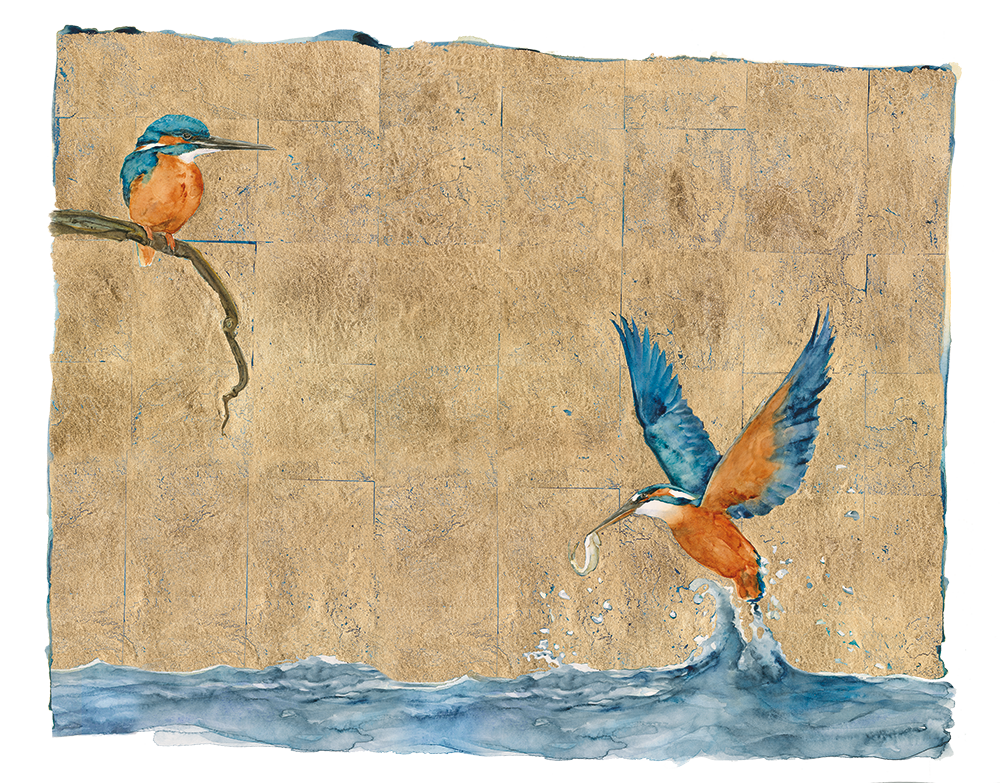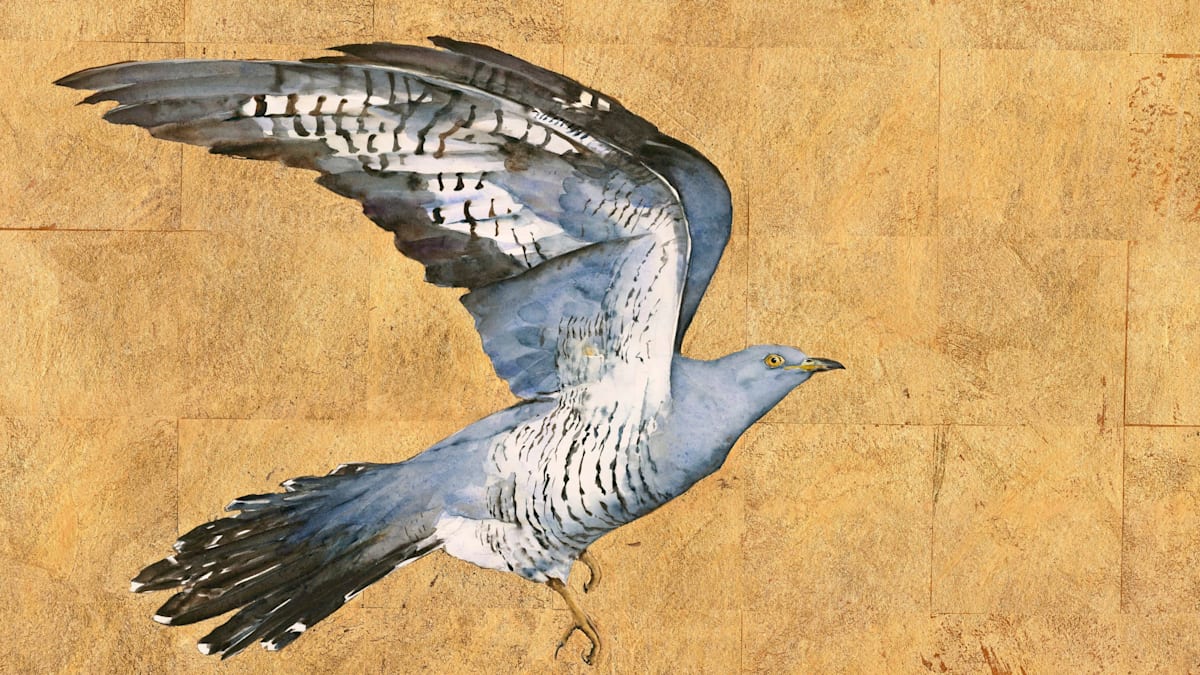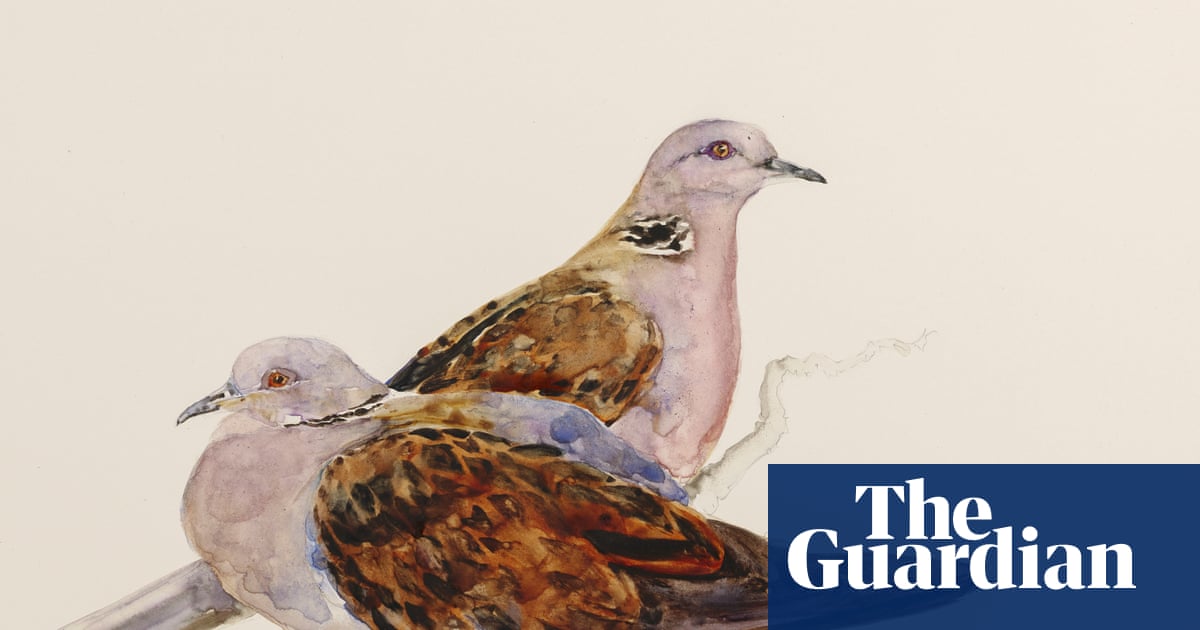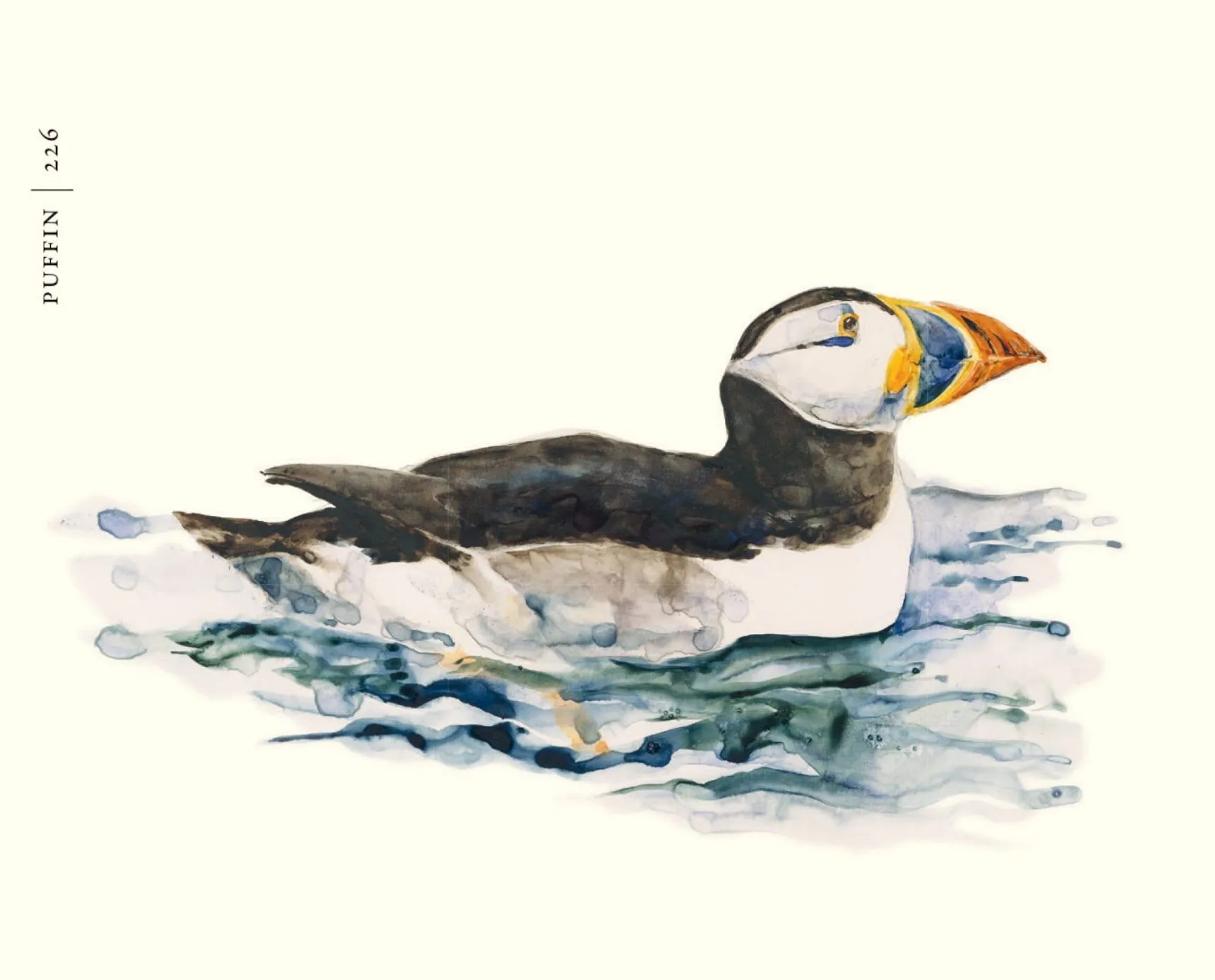
Skip to Content Subscribe Our Offers My Account Manage My Subscriptions FAQ Newsletters Canada Canadian True Crime Canadian Politics Health World Israel & Middle East Financial Post NP Comment Longreads Puzzmo Diversions Comics NP News Quiz New York Times Crossword Horoscopes Life Eating & Drinking Style Sponsored Play for Ontario Travel Travel Canada Travel USA Travel International Cruises Travel Essentials Culture Books Celebrity Movies Music Theatre Television Business Essentials Advice Lives Told Tails Told Shopping Buy Canadian Home Living Outdoor Living Kitchen & Dining Tech Style & Beauty Personal Care Entertainment & Hobbies Gift Guide Travel Guide Amazon Prime Day Deals Savings National Post Store More Sports Hockey Baseball Basketball Football Soccer Golf Tennis Driving Vehicle Research Reviews News Gear Guide Obituaries Place an Obituary Place an In Memoriam Classifieds Place an Ad Celebrations Working Business Ads Archives Healthing Epaper Manage Print Subscription Profile Settings My Subscriptions Saved Articles My Offers Newsletters Customer Service FAQ Newsletters Canada World Financial Post NP Comment Longreads Puzzmo Diversions Life Shopping Epaper Manage Print Subscription HomeCultureBooksAuthor Robert MacFarlane and illustrator Jackie Morris admire feathered friends in The Book of Birds You can save this article by registering for free here. Or sign-in if you have an account.It’s a long haul from the waters of Alaska to New Zealand’s Manukau Harbour, and when the Bar-Tailed Godwit reaches her destination “she collapses right there on the beach, too exhausted even to fold her wings or break her fast . . .”Enjoy the latest local, national and international news.Exclusive articles by Conrad Black, Barbara Kay and others. Plus, special edition NP Platformed and First Reading newsletters and virtual events.Unlimited online access to National Post.National Post ePaper, an electronic replica of the print edition to view on any device, share and comment on.Daily puzzles including the New York Times Crossword.Support local journalism.Enjoy the latest local, national and international news.Exclusive articles by Conrad Black, Barbara Kay and others. Plus, special edition NP Platformed and First Reading newsletters and virtual events.Unlimited online access to National Post.National Post ePaper, an electronic replica of the print edition to view on any device, share and comment on.Daily puzzles including the New York Times Crossword.Support local journalism.Create an account or sign in to continue with your reading experience.Access articles from across Canada with one account.Share your thoughts and join the conversation in the comments.Enjoy additional articles per month.Get email updates from your favourite authors.Create an account or sign in to continue with your reading experience.Access articles from across Canada with one accountShare your thoughts and join the conversation in the commentsEnjoy additional articles per monthGet email updates from your favourite authorsSign In or Create an AccountorBut the church bells will be ringing to hail her arrival.We’re reading about a feathered creature’s astounding 6,000-mile journey — or as award-winning writer Robert Macfarlane puts it, “a single, epic super-flight” by “migration’s undisputed record-breaker.”Magical moments like this permeate the pages of The Book of Birds, a gorgeously produced volume that pairs the evocative prose of Macfarlane, one of the world’s great chroniclers of nature and landscape, with the breathtaking illustrations of Jackie Morris.’The Book of BirdsRobert Macfarlane and Jackie MorrisAnansiWhenever Macfarlane thinks about birds, he’s consumed by awe. You hear it in his voice when he talks to Postmedia about the Godwit’s unbroken journey across the hemispheres. “It’s the longest continuous flight that we know of,” he marvels.” “Yet we still don’t understand migration.”Macfarlane and Morris previously collaborated on The Lost Words, an award-winning best-seller about language. The present book is a celebration of bird life in all its wondrous variety and mystery, but it’s also a work of lamentation, arriving at a time when 50 per cent of bird species are in decline worldwide, and where in North America alone there are three billion fewer birds than half a century ago.“It’s a field guide of wonder and loss,” says Macfarlane, on the phone from his home in Cambridge, England. That makes it different from the field guides of the past. “Jackie and I both grew up reading them and loving them, but today the numbers are terrifying, and we could no longer write a normal guide under that shadow as it were.” Author Robert Macfarlane. Credit: Alex Turner.So instead they focus on the individual uniqueness and magic of 49 endangered species — from the Yellowhammer to the Nightingale. “Each is slipping from our cities, fields, hills, rivers, forests, coasts and seas. Each has started the slow slide towards the absolute dark of extinction.”Macfarlane, now 49, grew up in rural Nottinghamshire “at the end of a country lane. Birds have been a part of my life as long as I can remember. I grew up with nightingales, bitterns, peregrine falcons, even golden eagles. For me it’s continuing astonishment.”He worries that people take birds too much for granted these days. “But there are many like myself who can’t imagine life without them.” Macfarlane cites 19th Century records from Labrador “that talk of flight formations that were miles long. These numbers are unimaginable now.” He’s clear on what he hopes readers take away.“A sense of wonder, a sense of identifying with them and not just identifying them. A renewed passion to take action to help protect them from obliteration.”Sharing these pages with distinctive profiles of each of these endangered creatures are entertaining dissertations on what Macfarlane and Morris call the Seven Wonders “which today create the everyday miracle that we simply call ‘Bird’: the wonders of Nest, Egg, Beak, Song, Feather, Flight and Migration.”No easy summations are possible if one takes a close look at any of these subjects. “A staggering variety of beaks alone are grounds for astonishment,” Macfarlane says. “Beak is tweezer, scissor, cleaver, trimmer siever, plucker, hammer, peeler, breather, stealer, spoon and killer,” his chapter begins. And that’s only the beginning. After all, he’s paying tribute to “a fine-tuned multipurpose marvel of technique, designed by time.” Join the Conversation This website uses cookies to personalize your content (including ads), and allows us to analyze our traffic. Read more about cookies here. By continuing to use our site, you agree to our Terms of Use and Privacy Policy.
Author Robert MacFarlane and illustrator Jackie Morris admire feathered friends in The Book of Birds
It’s a long haul from the waters of Alaska to New Zealand’s Manukau Harbour.
1,021 words~5 min read