a magazine of ideas, arts, and scholarship
Buy
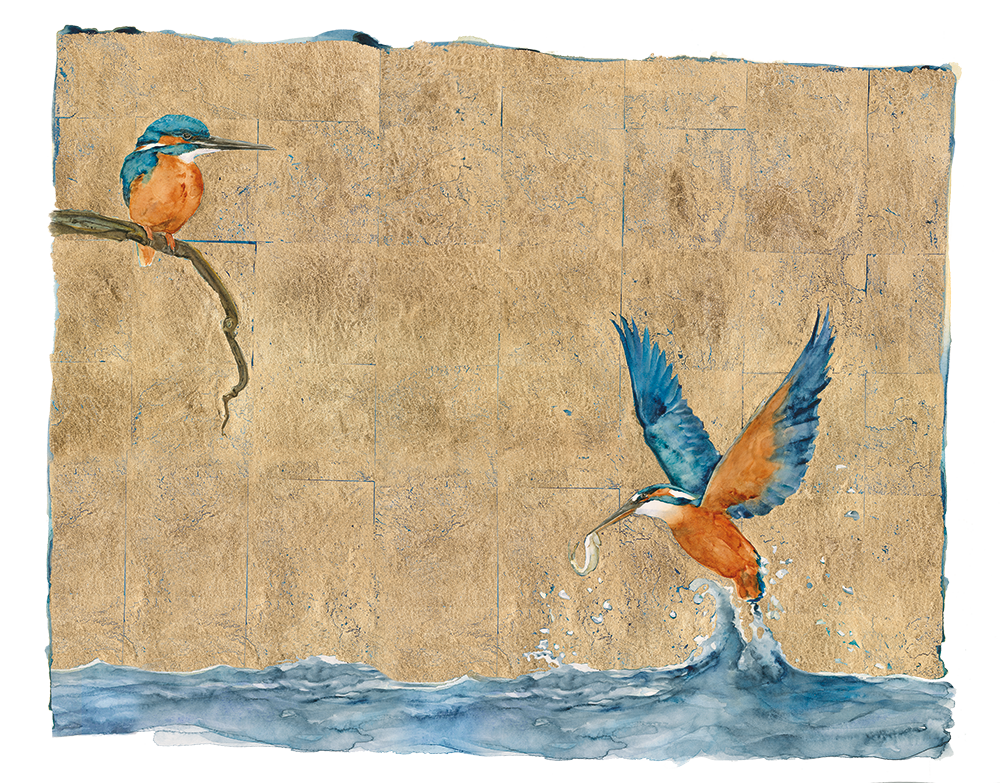
In my New Jersey hometown, herons and kingfishers inhabit the wetlands of a Superfund site irremediably contaminated by chemical dyes and pesticides released by my father’s employer for decades. Even if this degraded habitat will never be restored to a pristine original state, these birds show me another truth: Finding ways to live with—rather than try to escape or neglect—the messes we’ve inherited is a necessary and hopeful mode of care and repair. In my birding group in Canada, elder birdwatchers comment upon changes in birds’ migratory patterns and ranges in their lifetimes in southern Ontario; these changes are tangible manifestations of climate change, which motivate them to participate in citizen science projects and wetland conservation initiatives.
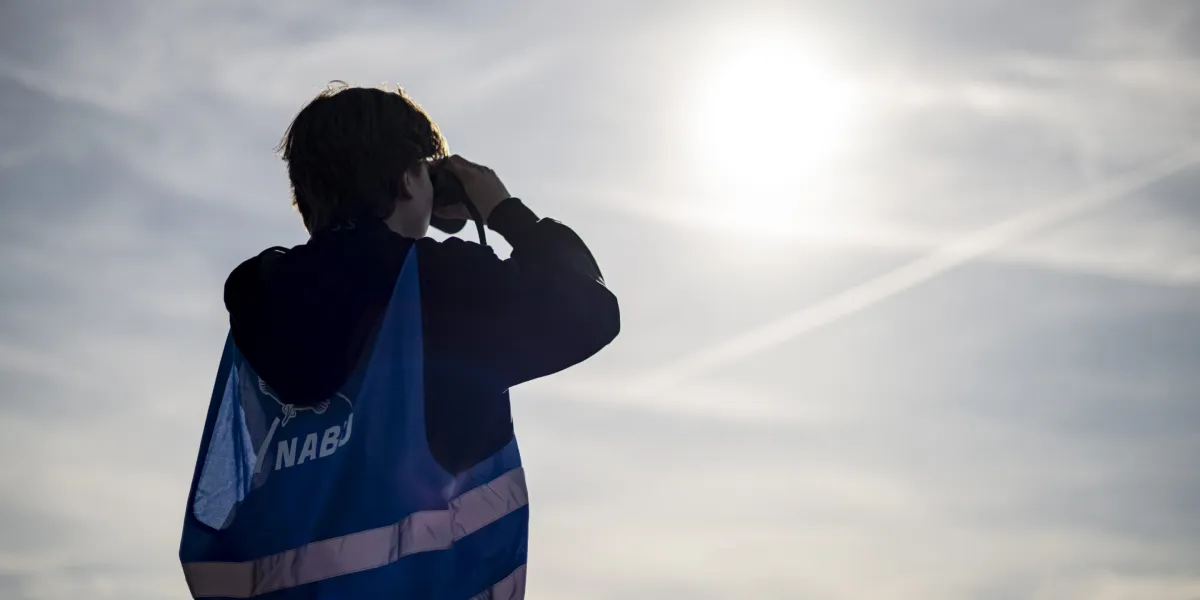
Birding is future oriented. The practice of looking at birds cultivates our ability to notice connections, to imagine better worlds, and to build new solidarities across differences, including across species. It sparks a curiosity about the places we bird in, attuning us to our own place in local histories, politics, and futures. And birding reveals the imperfect and fraught social and political worlds we share with birds, stoking our dreams of multispecies freedom.