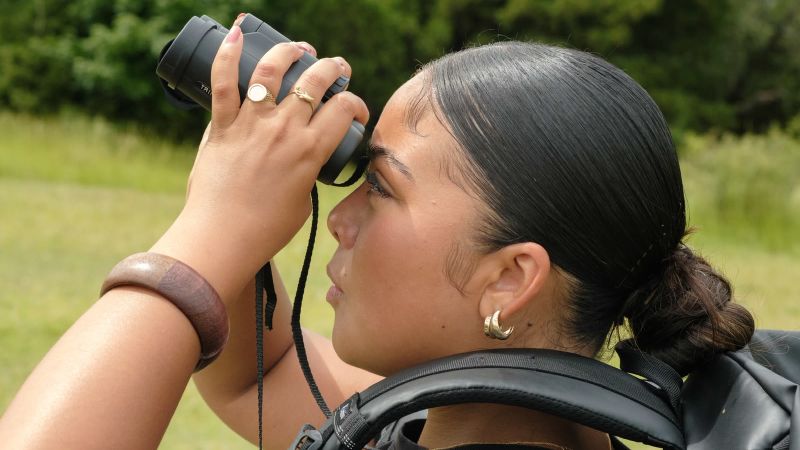
Ian Bell was 15 the first time he went looking for birds in Central Park alone in 2021, waking most mornings before school to walk the park with a pair of binoculars, oftentimes the only teenager doing so.
“I remember starting birding and being very lonely,” Bell told Fortune. “I had no one to bird with who wasn’t 20 years older than me.”
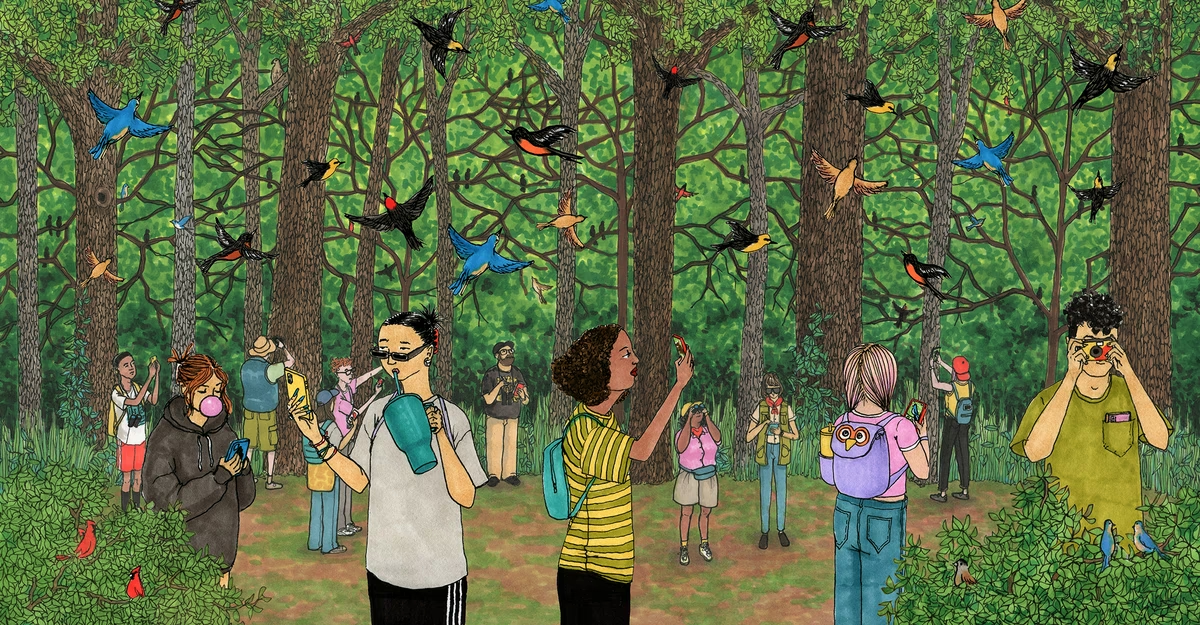
But now, five years later, he co-runs a Discord server with 4,400 members who alert each other about bird sightings—one small sign of a boom that shows up everywhere from Cornell University’s suddenly crowded birding club to federal surveys showing birding participation among 25-to-34-year-olds has quadrupled since 2016.
While birding is joining a Gen Z analog hobby boom as more young people are trying to go offline after the screen exhaustion of the pandemic, technology has also played a role in making birding more accessible.
Merlin, the free bird-identification app run by the Cornell Lab of Ornithology, went from over 279,000 U.S. users in July 2019 to over 4.8 million in July 2026 and helps beginners identify common bird species using Cornell’s eBird database.