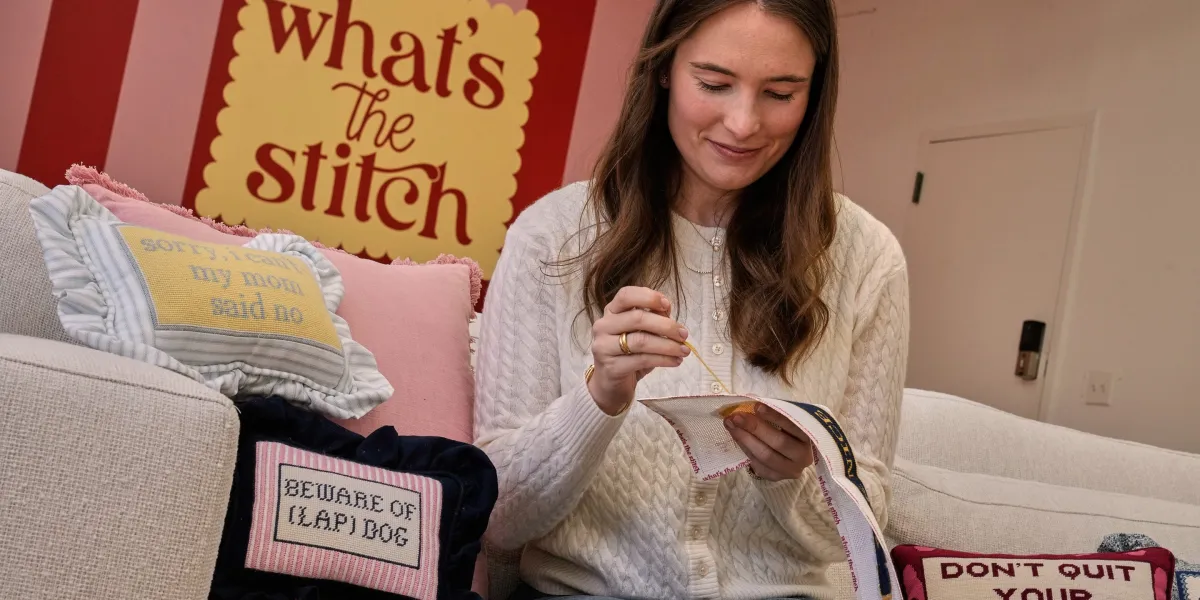
By age 23, Emma MacTaggart was already noticing how rare her free time was — and how it was seldom screen-free.
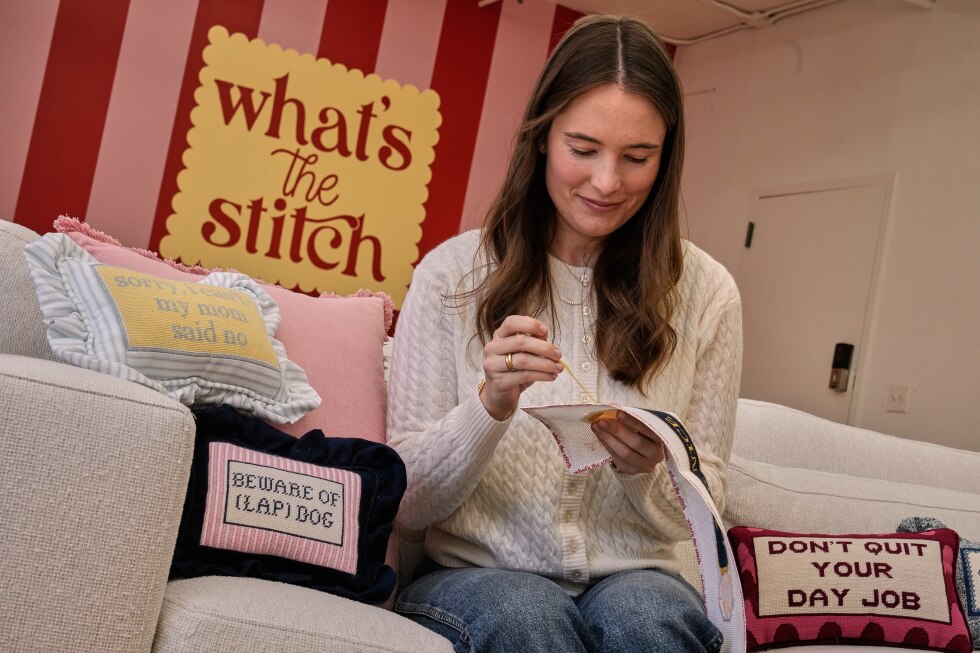
She was working long hours in investment banking and once she was finally able to log off after work, she would turn to her phone. Along with her roommates, she decided to hunt for a hobby that would replace that habit. They became “hooked” on needlepoint, she said, a practice she had briefly learned from relatives as a child, but one that she hadn’t picked up in years. And she hasn’t turned back since.
“It was a really therapeutic way to kind of distract yourself from either work or stress, but also just do something with your hands instead of doomscrolling,” she said. “We became completely obsessed.”
MacTaggart is part of a throng of young people who are turning to analog hobbies and activities as a means of escaping technology and reconnecting with childlike creativity and exploration. Somewhat ironically, this analog movement has been galvanized by its trendiness on social media.
Some of these hobbies — knitting, gardening and, of course, needlepoint — have been ascribed the term “grandma hobbies” online, referring to the older demographic that’s often been associated with them. But many other offline, tactile hobbies, like pottery, origami and even blacksmithing, have gained traction online with Gen-Z and millennials recently.