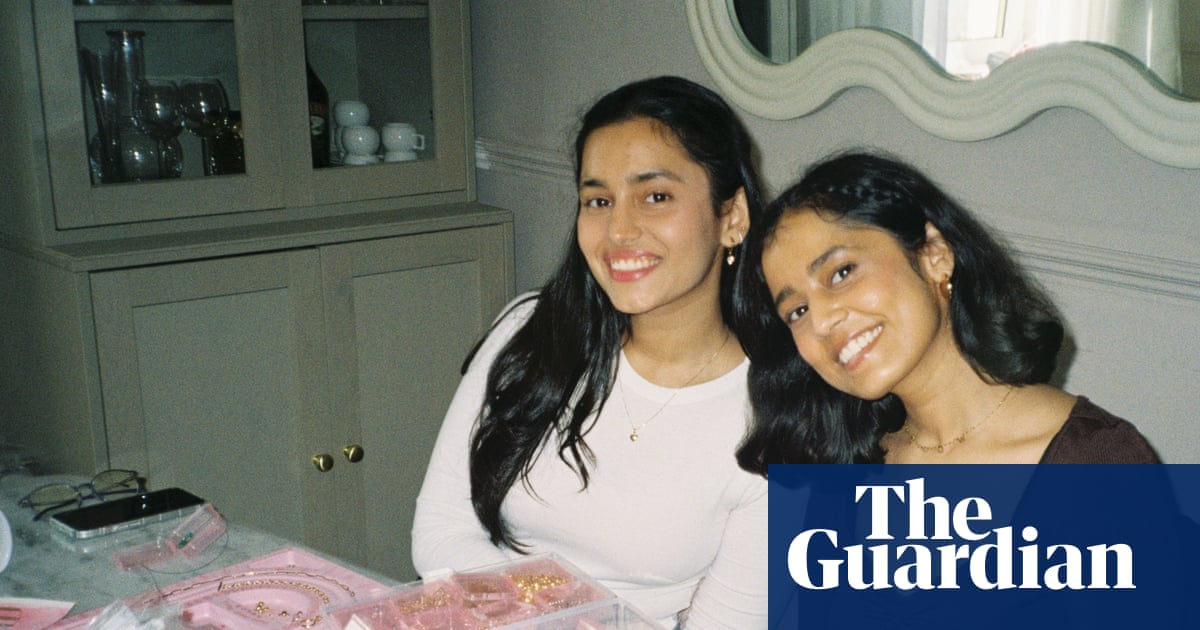
From crochet to drawing, supper clubs to pottery, young people are finding community and connection through pastimes once associated with their grandparents
I
n a bright cafe just off Leith Walk in Edinburgh, a group of young people gather around a table strewn with fabric scraps, beads and crochet hooks. Each session brings a new theme: one week it’s crochet, the next jewellery-making, the week after that they learn latte-art. Coffees are sipped, biscuits are passed around and chatter fills the room.
This is the Girls Craft Club, founded earlier this year by art history graduate Gabby after a diagnosis of attention deficit hyperactivity disorder left her feeling isolated. “We were all going through life problems,” she says. “We decided to make something beautiful out of it. When you make your own bag or repair your clothes, you value them differently. And you value yourself differently, too.”
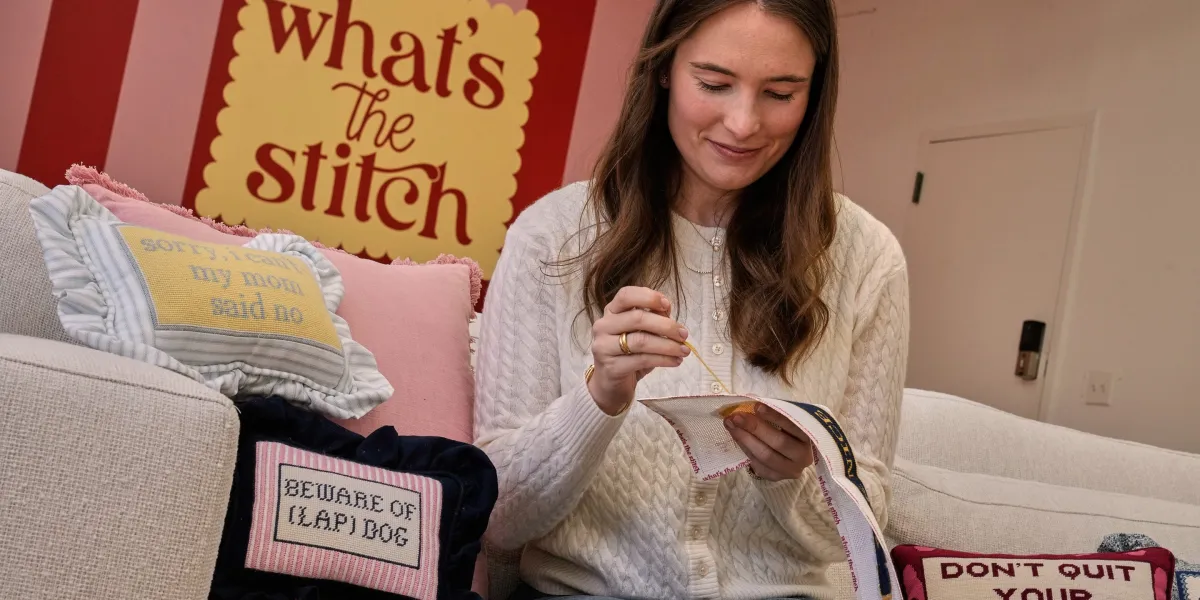
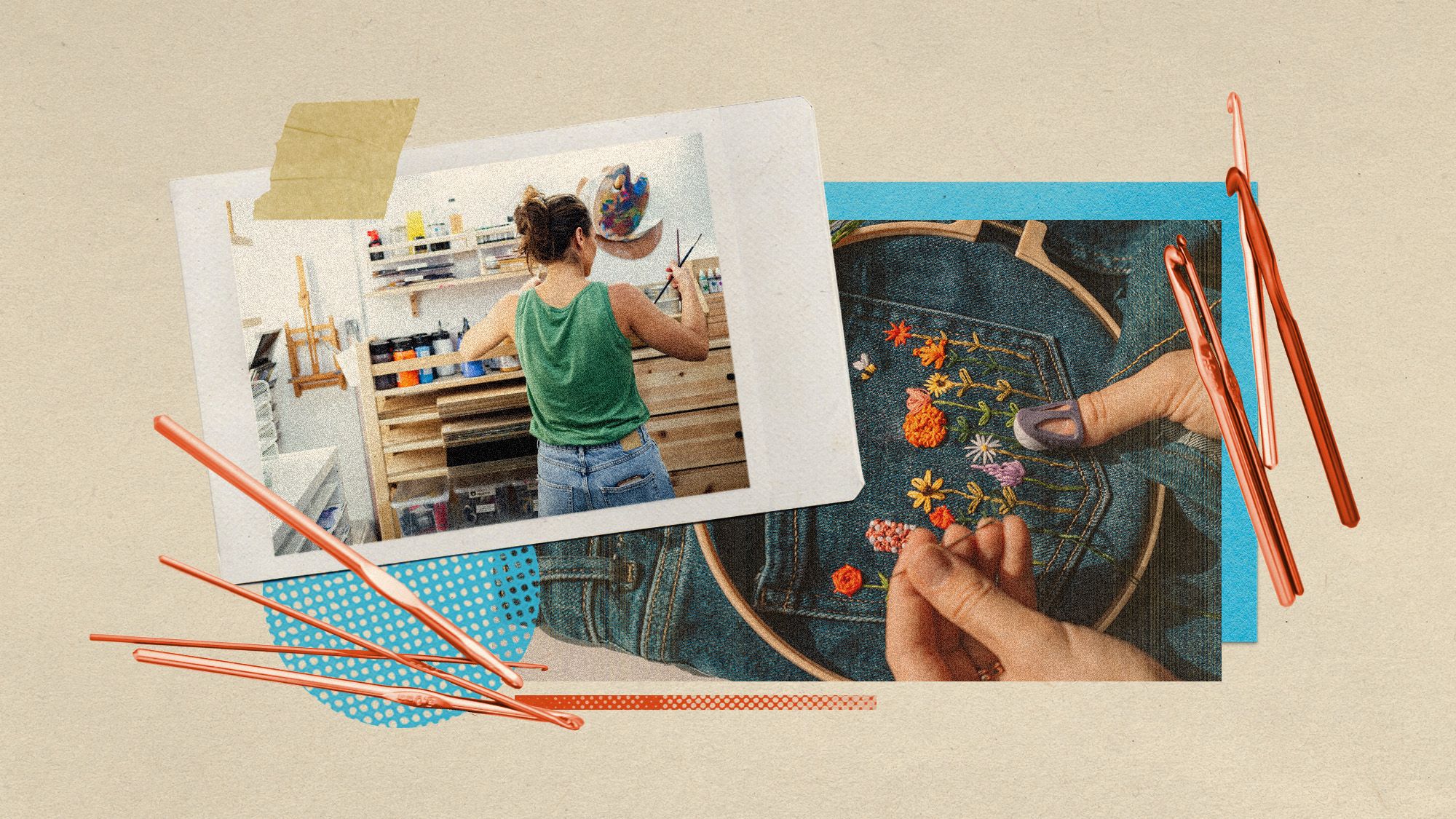
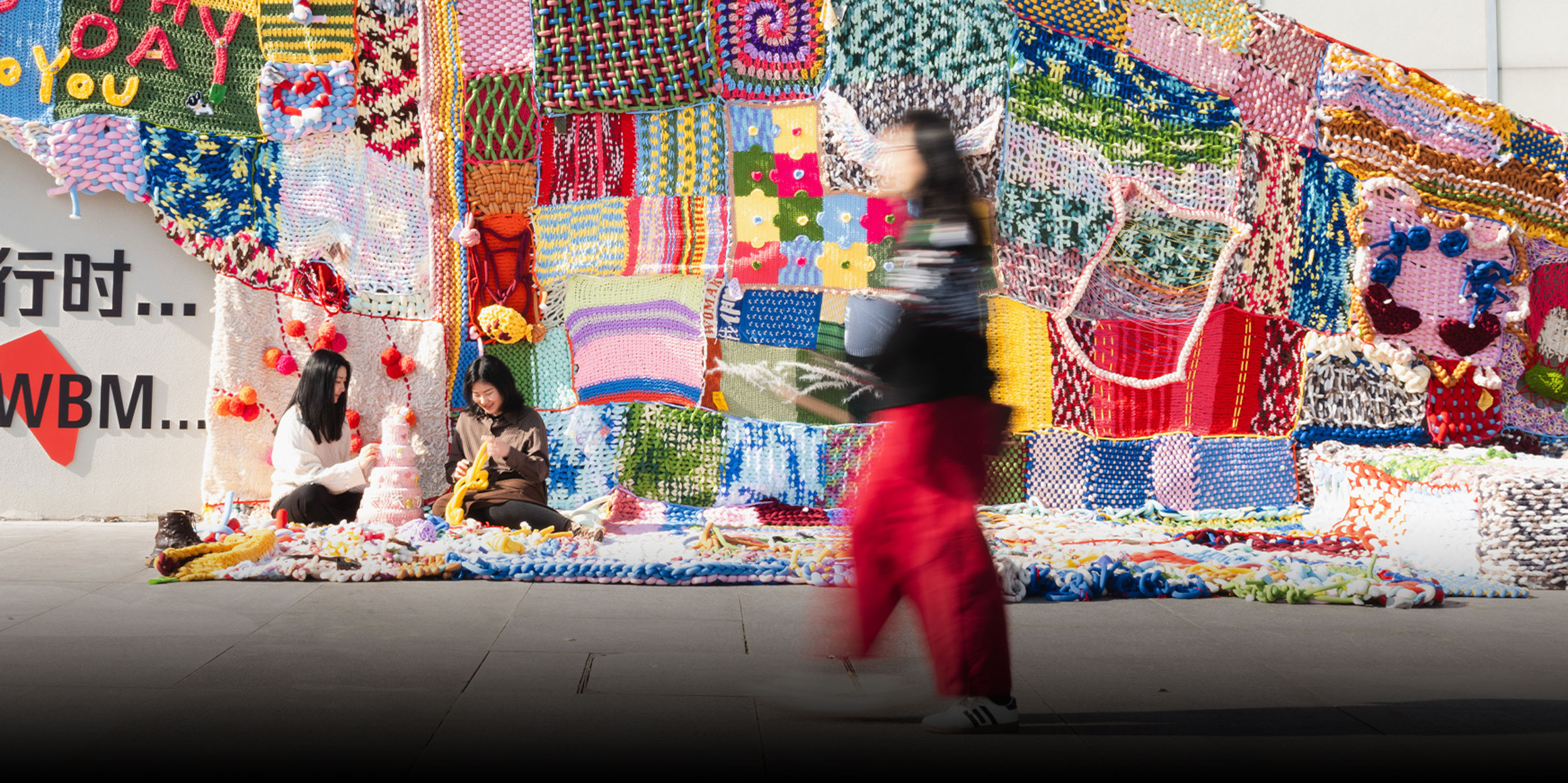
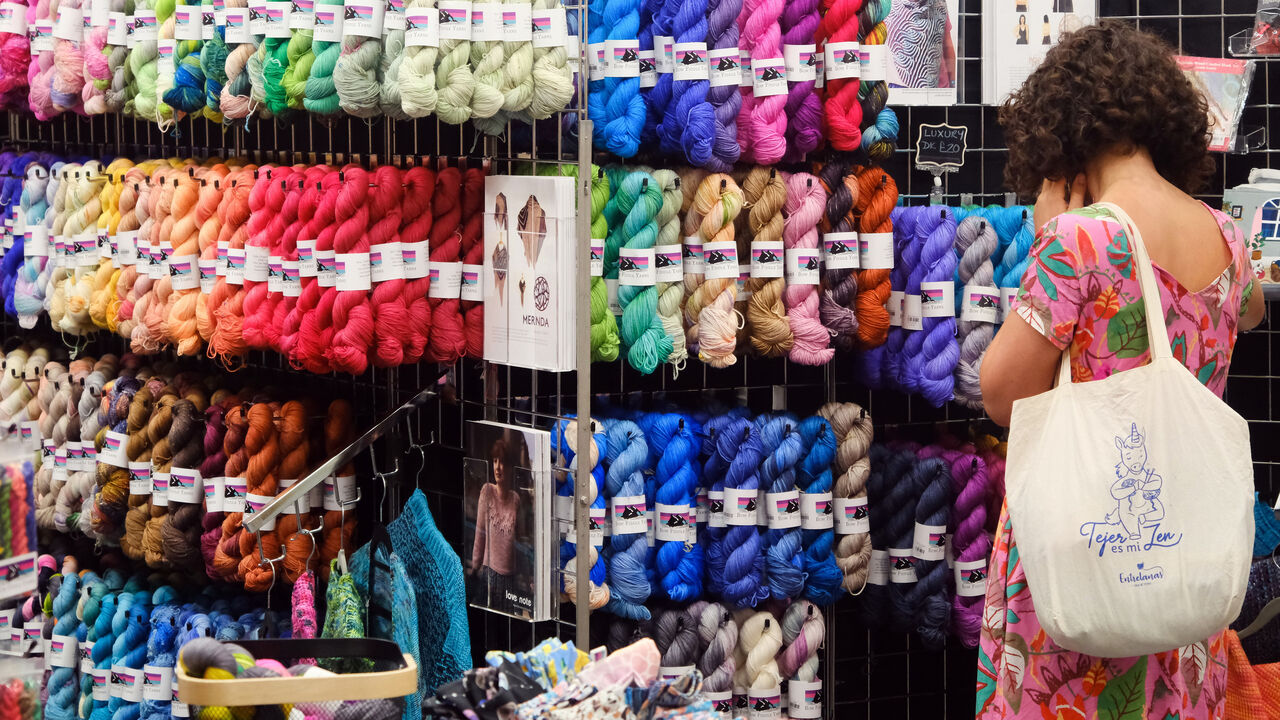
What may seem like pure nostalgia is, in fact, part of a wider cultural shift. Across the UK, gen Z is embracing hobbies once more associated with their grandparents or great grandparents: crochet and knitting circles, pottery cafes, mahjong nights and supper clubs that echo Come Dine With Me. These “slow” pastimes are flourishing, not because they are a retro trend being revived, but because they offer something people feel is urgently missing: connection, purpose and respite from digital fatigue.