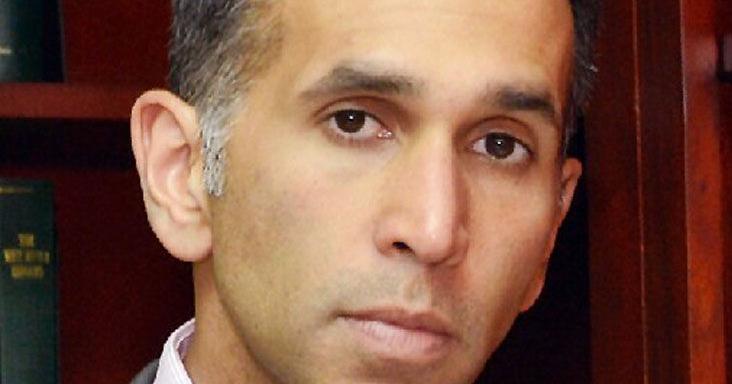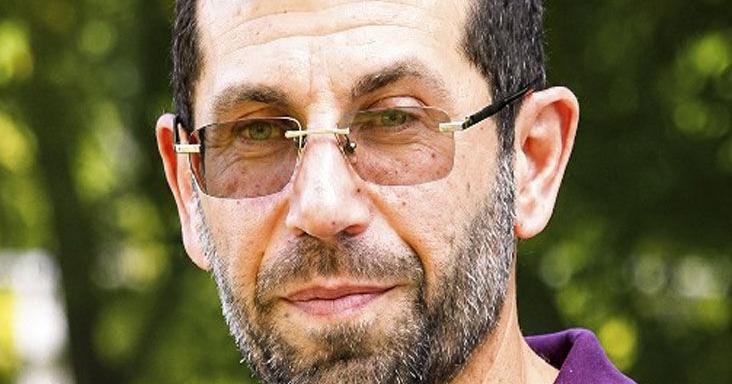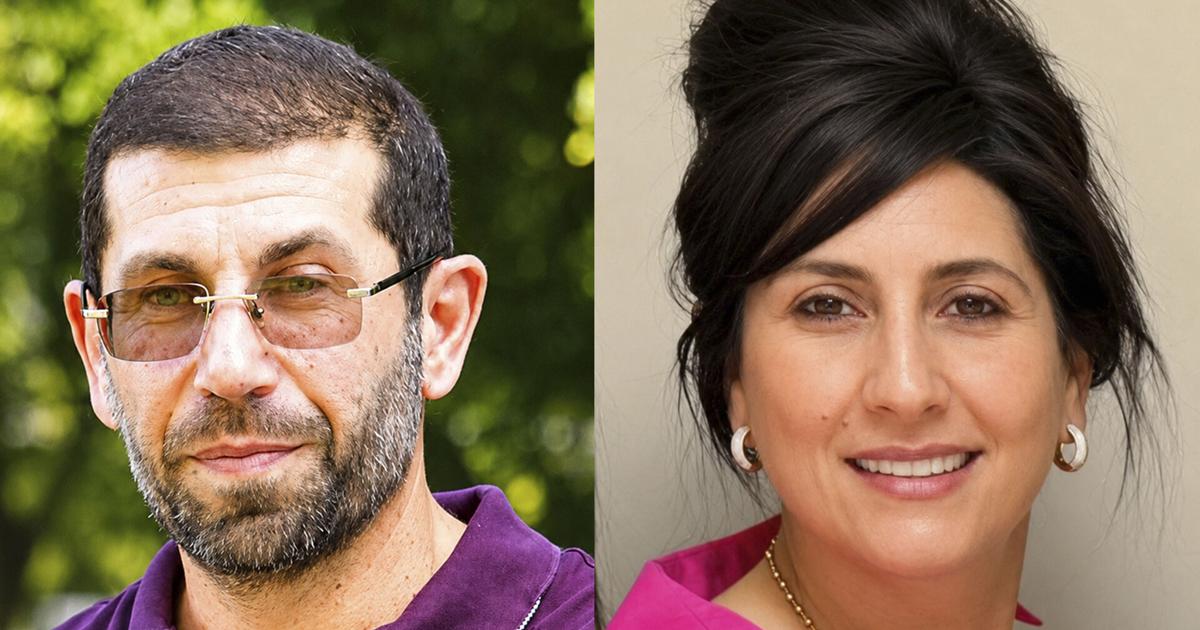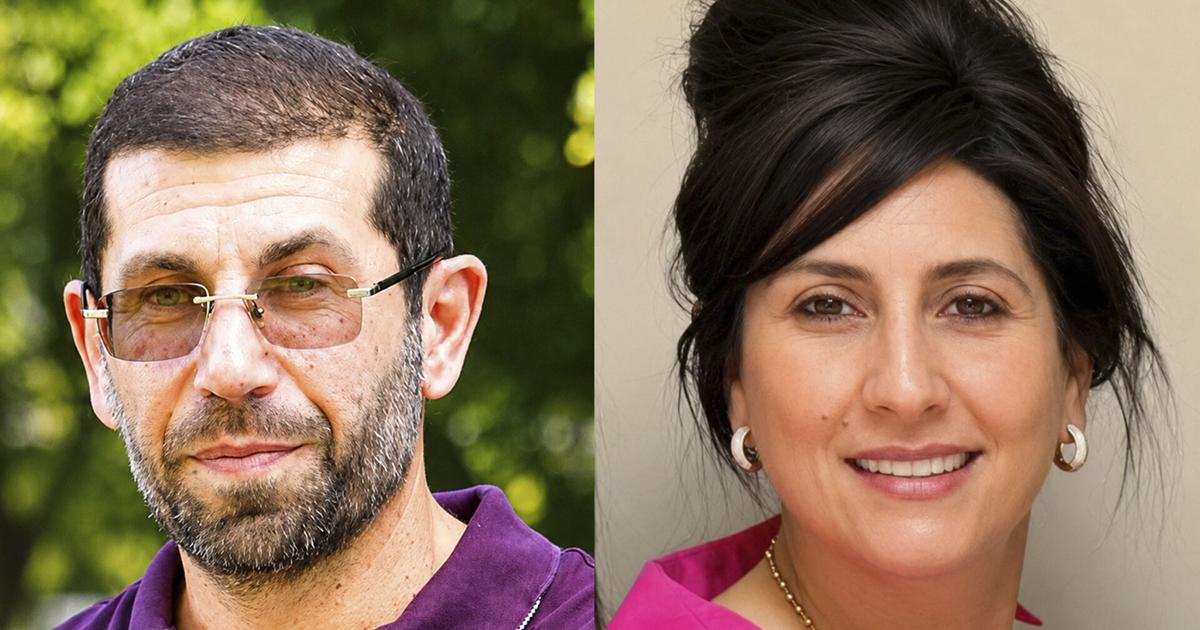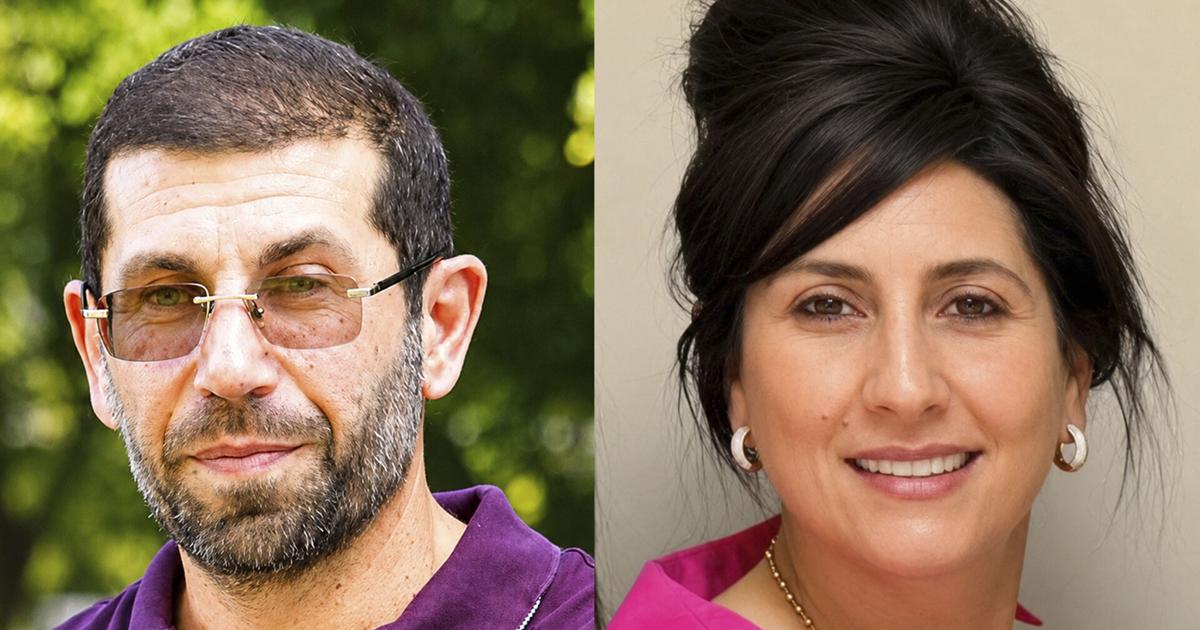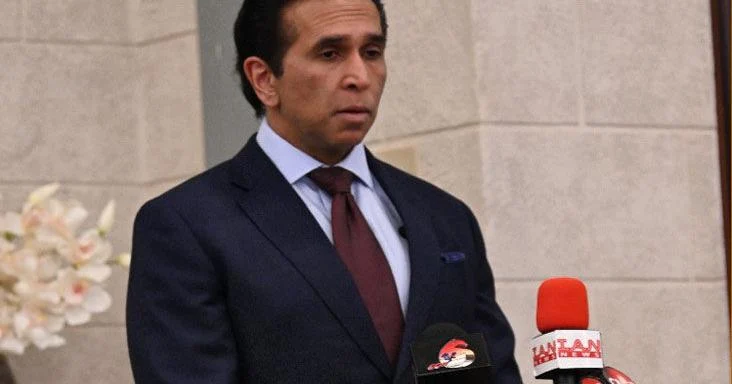
Businessman Dominic Hadeed and his wife Genevieve are free to resume their normal lives without restrictions following the revocation of their Preventive Detention Orders (PDOs), Senior Counsel Faris Al-Rawi said yesterday.He noted that the criminal investigation involving the couple remained active and matters arising from their detention were still before the courts.Speaking to reporters at Altus Court in Port of Spain yesterday evening, Al-Rawi emphasised that the couple was not confined to their home and could do business without seeking permission from the authorities.“The revocation of a preventive detention order is as good as it never existed,” Al-Rawi said. “It is a complete return to liberty. There are no conditions attached to that. This is not home detention.”He added that the revocation was complete.“It is a complete revocation and arguably a revocation of the very grounds, because you would never revoke if the grounds still existed,” he said.Minister of Homeland Security Roger Alexander announced earlier yesterday that he had revoked the PDOs after reviewing the legal, medical and constitutional issues surrounding the couple’s detention. In a release, he said their continued detention was no longer proportionate while the police investigation continued.The Hadeeds were arrested by the Trinidad and Tobago Police Service on June 24 as part of an investigation into an alleged plot to assassinate Prime Minister Kamla Persad-Bissessar and senior members of her Government.PDOs were issued against them on June 27 under the Emergency Powers Regulations 2026 during the ongoing state of emergency (SoE).Al-Rawi said the revocation did not affect the wider legal proceedings, noting that constitutional and judicial review proceedings brought on behalf of the Hadeeds remained before the courts, while the State’s appeal against an earlier Court of Appeal ruling granting them conditional liberty to the Privy Council had also not been withdrawn.No medical treatment“In the simplest terms, the (Court of Appeal) panel chaired by Mr Justice of Appeal Mr Peter Rajkumar gave our clients a cake, and the State said you could not eat it...The State has appealed that grant of liberty, albeit under condition, and that appeal, as far as I am aware, has not been removed, so until the State actually abandons its appeal, it still is before the Privy Council. It will be set for October. You may be entering the realm of whether the appeal is academic, but in this case here the academia may be useful to the rest of Trinidad and Tobago to deal with these issues frontally,” Al-Rawi stated.Addressing reports that Hadeed had refused medical treatment while in detention, Al-Rawi rejected this.“Mr Hadeed never refused medical treatment offered by the State. Mr Hadeed received no medical treatment from the State,” he said.Al-Rawi explained that the issue arose after the Government requested that Hadeed’s medical condition be reviewed by a neurosurgeon.“We as his attorneys, after taking advice, respectfully declined that because a neurosurgeon is not a neurologist,” he said. “The person who was recommended by the State was not qualified to do the job.”He said he did not believe there was “anything sinister” about the recommendation, but maintained that the proposed specialist was not qualified to assess Hadeed’s neurological condition.Al-Rawi declined to discuss Hadeed’s medical condition further or speculate on whether it may have influenced Alexander’s decision to revoke the detention orders.“I couldn’t possibly say what was in the mind of the Minister of Homeland Security,” he said, adding that Hadeed’s health was a private matter and had only been placed before the court because of the State’s obligations towards people in custody.He said the Court of Appeal’s rulings in the matter had established an important legal principle by confirming that the courts retained supervisory jurisdiction over PDOs issued during a state of emergency.“There was the common belief that once the state of emergency is on... you could not access the courts,” he said. “The courts have recognised and we endorse the propriety that the State is subject to the supervisory jurisdiction of the court.”Al-Rawi said the issue before the Privy Council would include what constituted adequate objective grounds for issuing a PDO, noting that while such orders were often based on intelligence protected by public interest immunity, there still had to be sufficient objective material to justify depriving a citizen of liberty.He said the outcome would have implications beyond the Hadeeds’ case and could affect anyone subjected to a PDO in the future.‘They wish to clear their names’Asked whether the Hadeeds intended to pursue legal action against the State, Al-Rawi declined to speculate.He said the constitutional and judicial review proceedings already filed remained ongoing, but added that his instructions from his clients were limited.“They wish to clear their names, move on with their lives,” he said. “They are not against any government in Trinidad and Tobago...and we will let the courts work this out.”He said there had been “no conversation” about pursuing damages at this stage.Al-Rawi also indicated that the third person held along with the Hadeed couple, Star Sabga, was still in custody and that there was a court hearing scheduled for today in which issues pertaining to her continued detention would be addressed.He also declined to speak on her condition, simply saying that she was an elderly woman who has been detained for an extended period of time away from her family, and she had felt the impact of this action.
Al-Rawi: Hadeeds fully free
Businessman Dominic Hadeed and his wife Genevieve are free to resume their normal lives without restrictions following the revocation of their Preventive Detention Orders (PDOs), Senior Counsel Faris Al-Rawi said
884 words~4 min read