(Image credit: Oura Ring / Future)
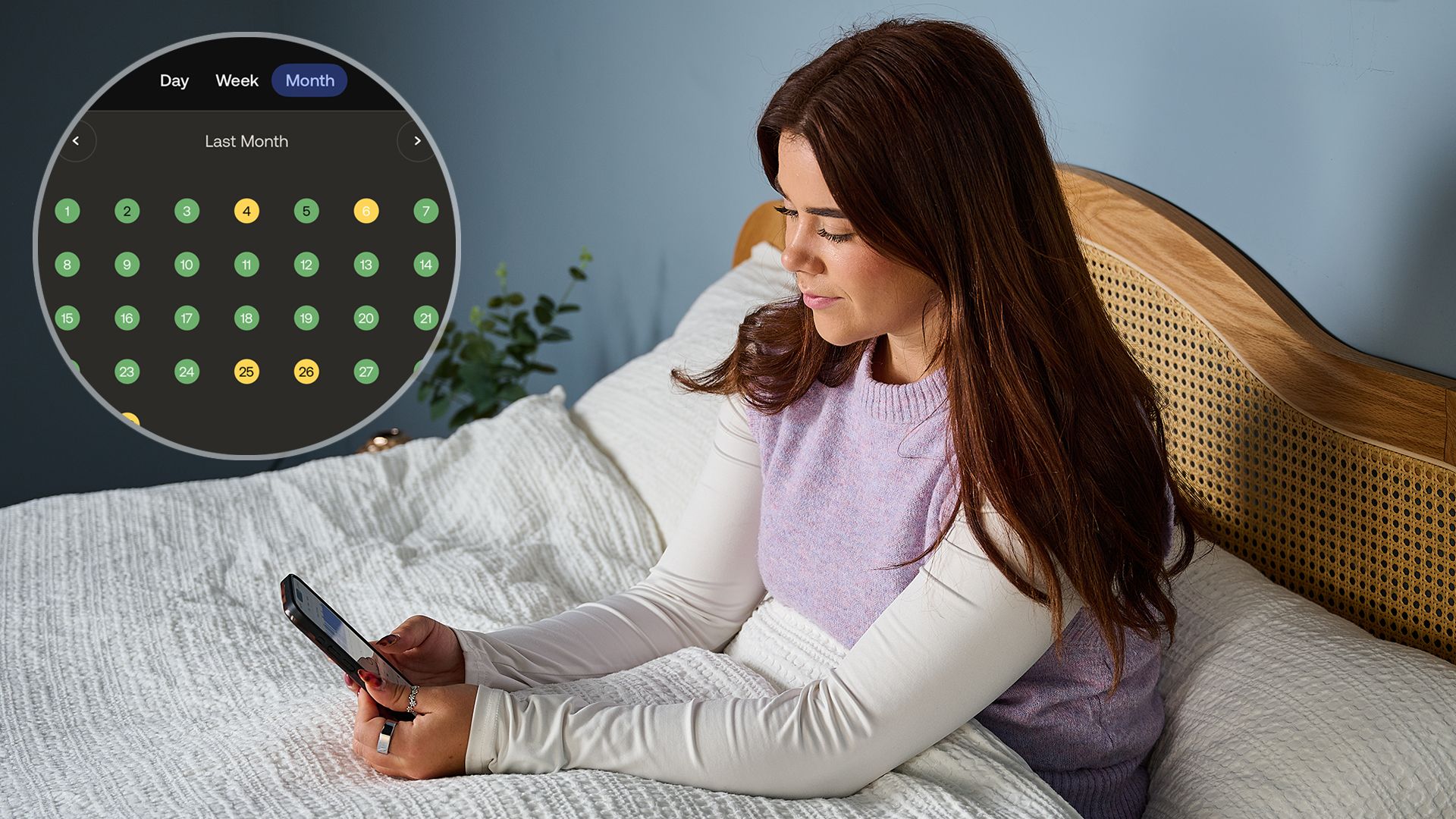
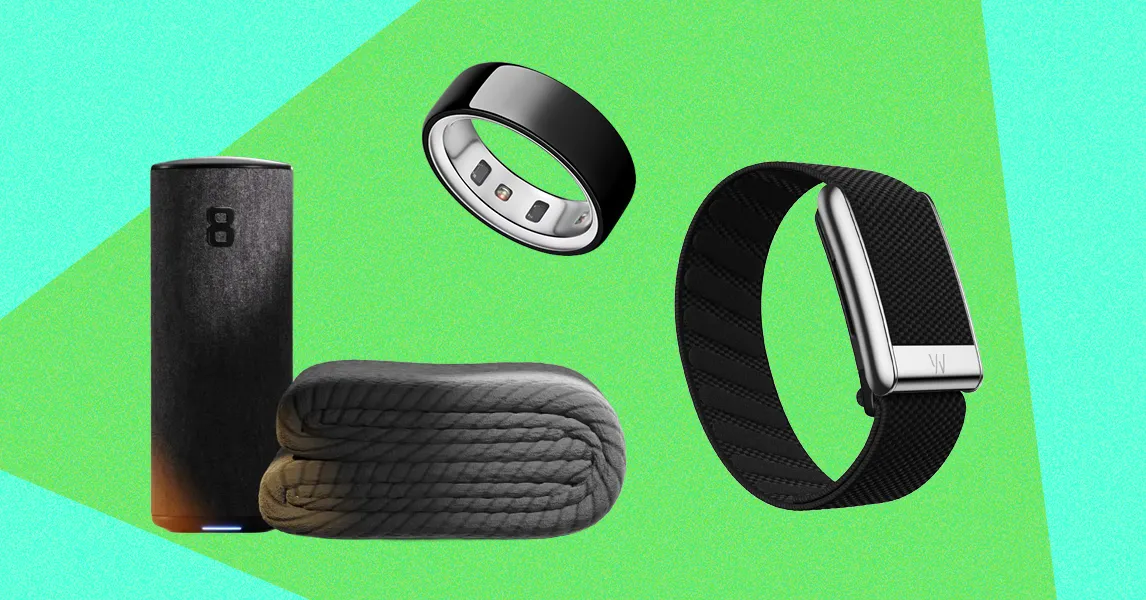
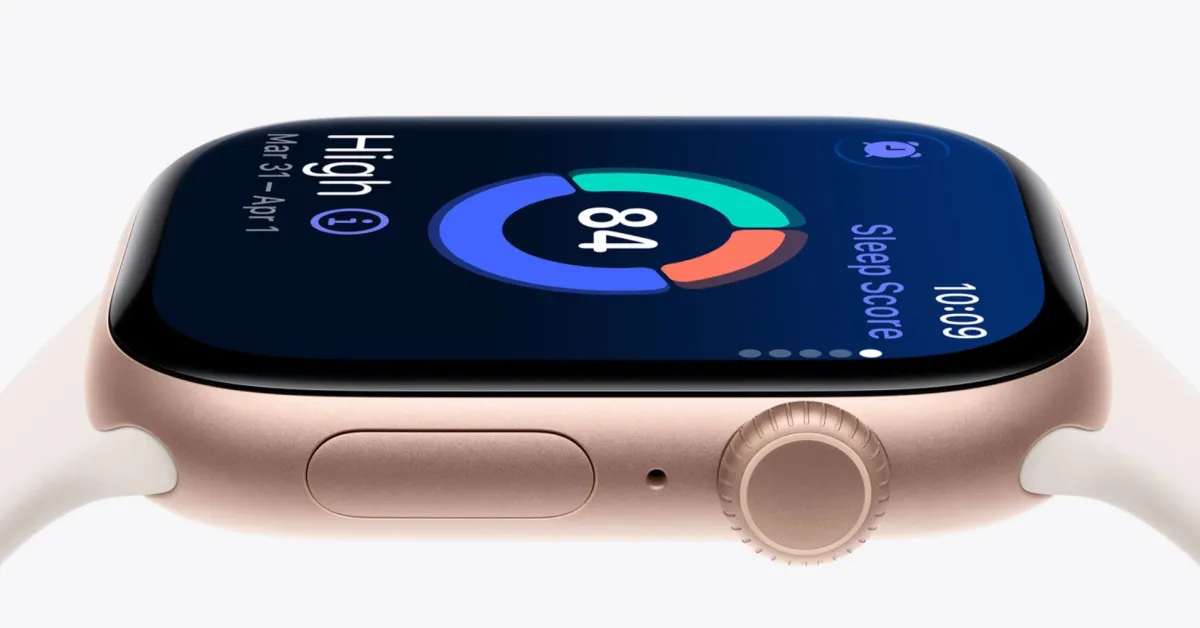
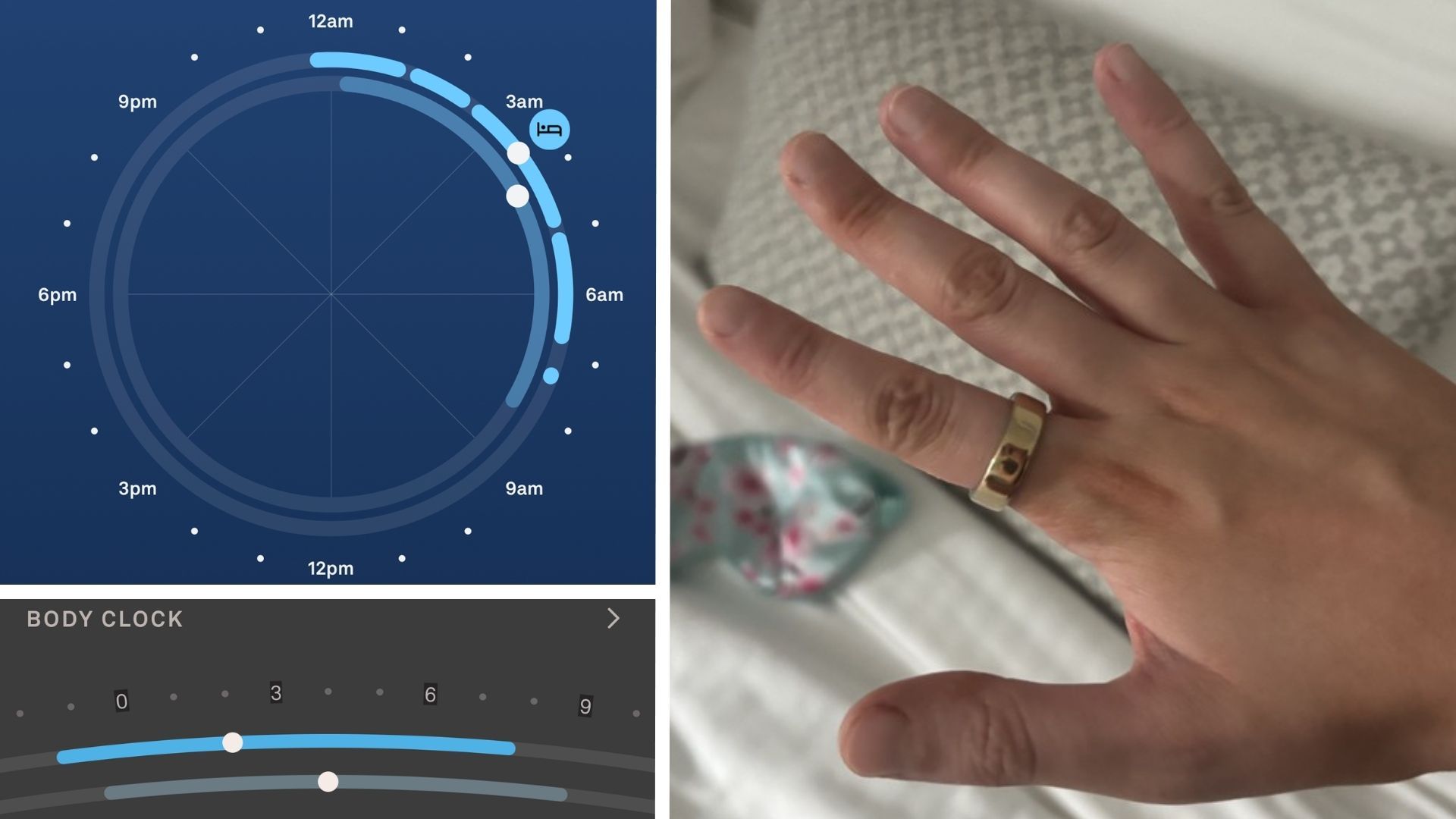
My sleep score has always been the first metric I check when I wake up each morning, but that’s changing as wearables shift focus to a new rating: the circadian score.Picture the scene: you got at least seven hours of sleep last night and your sleep score was high, but you're still exhausted. The issue might have nothing to do with your quality of sleep and everything to do with your internal body clock.A growing body of sleep tech recognizes this gap, moving beyond simple sleep scores toward circadian scores—a whole-picture metric that evaluates your 24-hour biological rhythm. Instead of just tracking time in bed or each stage of sleep, a circadian score factors in how daily habits like morning sunlight exposure and evening meal timing impact your rest.Here, I'll explain how monitoring your circadian score can help you fall asleep faster, wake up with more energy, and optimize your schedule. Plus, we look at six trackers leading the circadian health trend.Key takeaways: At a glanceYour circadian rhythm is a 24-hour body clock that regulates sleep, depending heavily on light exposure and habits.A sleep score is how you slept (duration, deep/REM sleep, night awakenings)A circadian score is why you slept that way (consistency, morning light exposure timing and duration, and timing of evening meals, etc).Leading sleep trackers that offer circadian scores, including the pre-order Rhythm Ring, the Ultrahuman Ring AIR, and the Circular Ring 2.What is a circadian score?