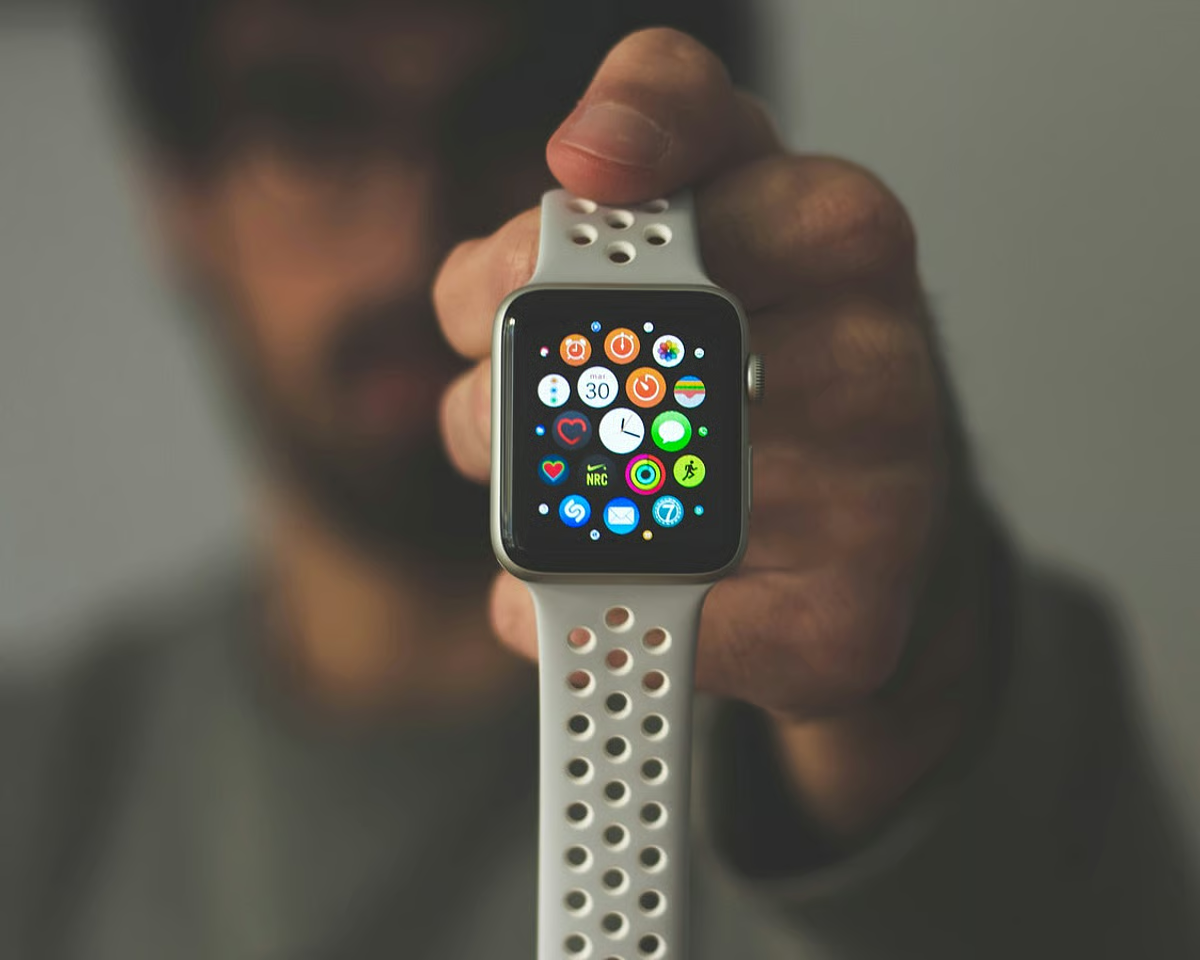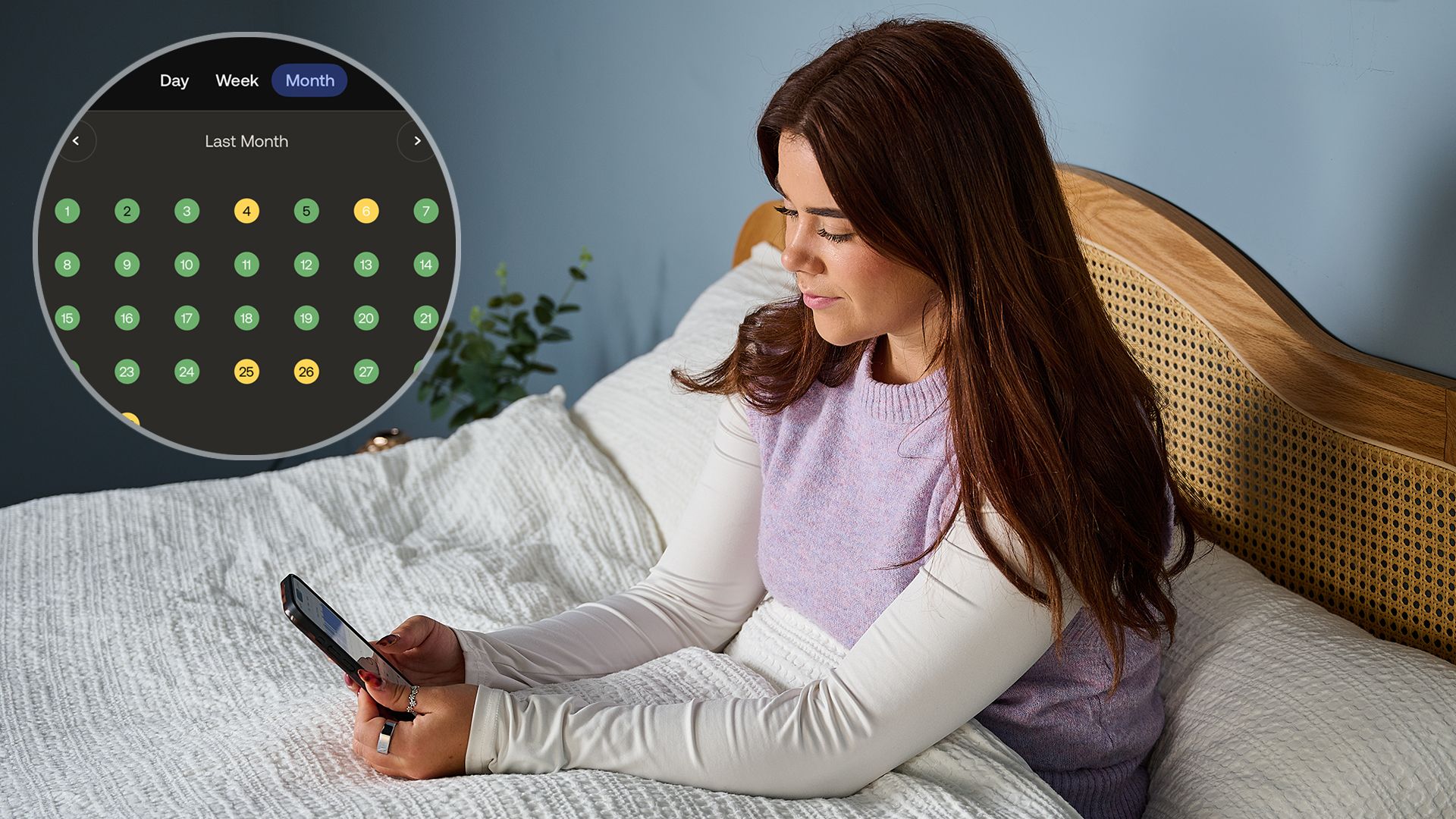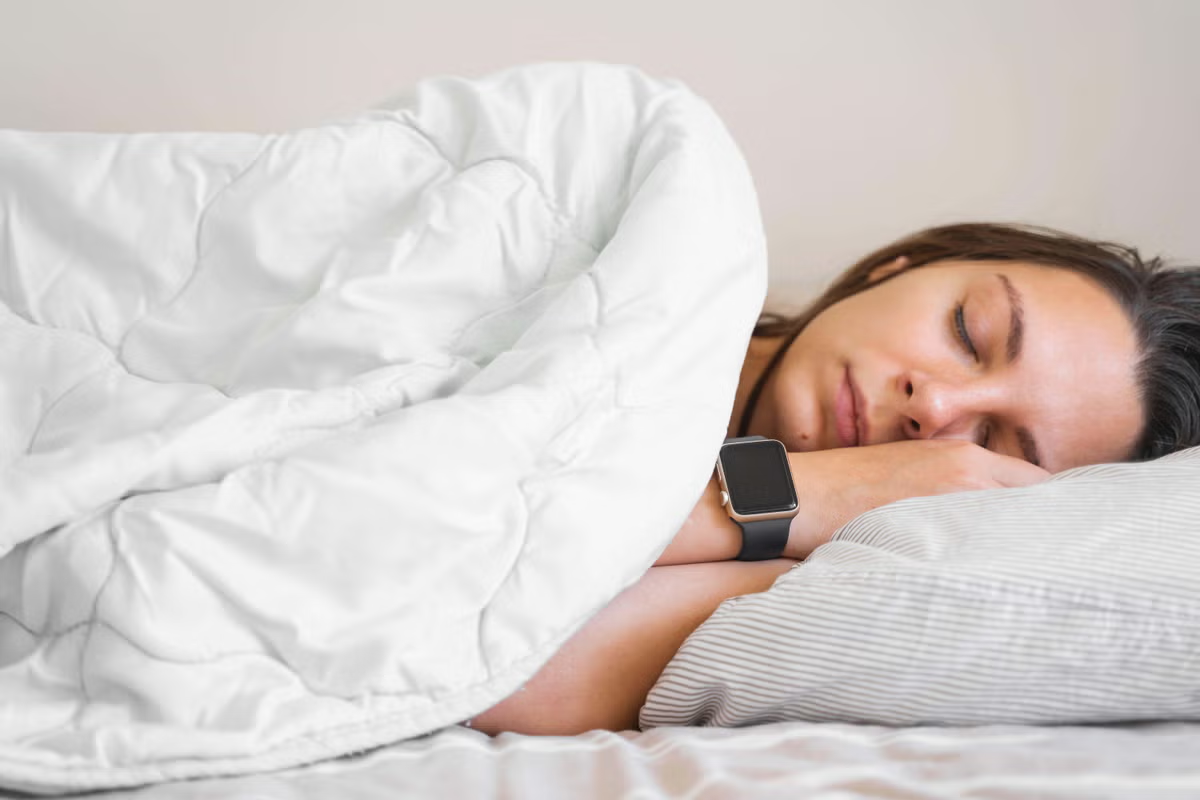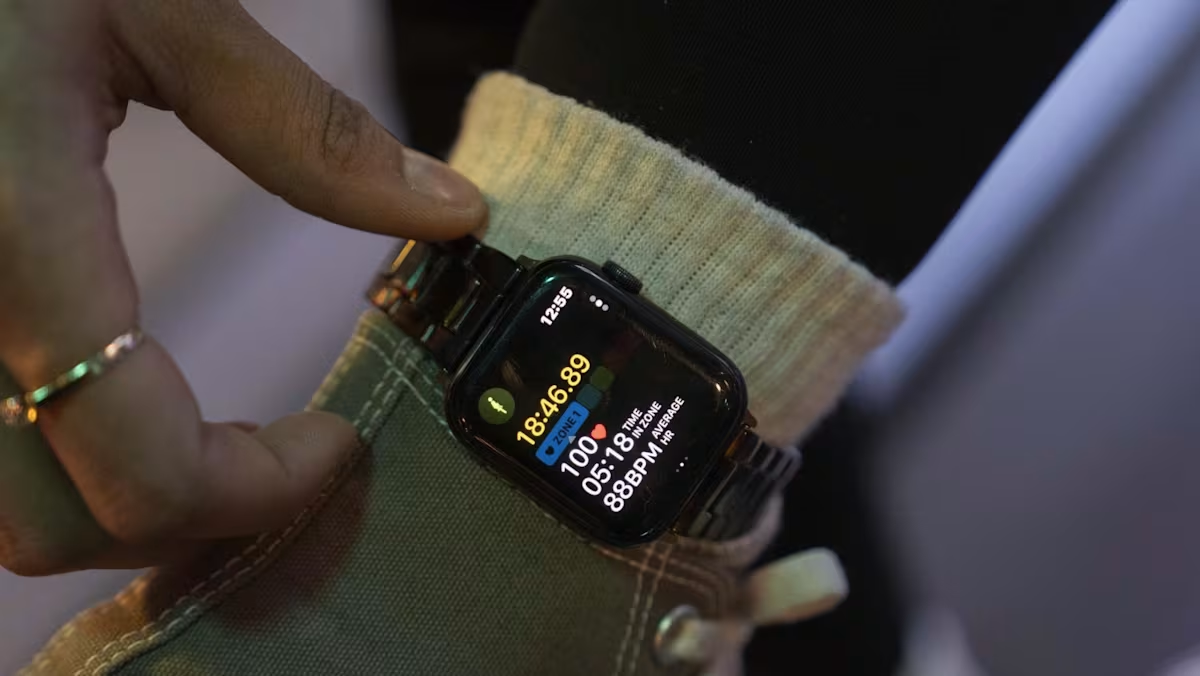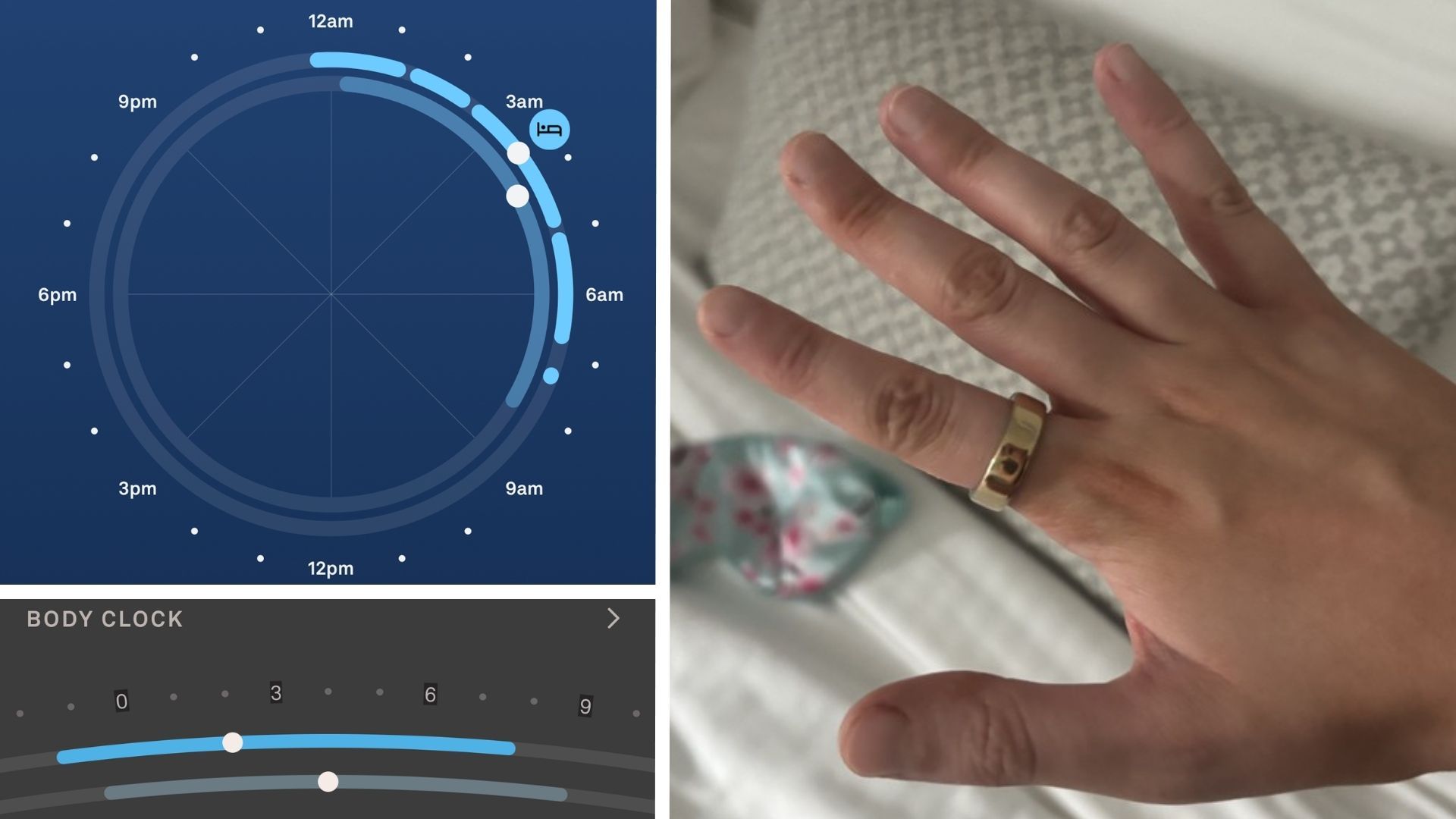
A score that falls short of an 'ideal' number can feel like a warning signLast updated: July 29, 2026 | 09:485 MIN READThe warning sign appears when people begin relying on their devices before paying attention to how they actually feel.Pexels.comYou know the drill. You wake up in the morning, and immediately check your watch, attempt to analyse the sleep score, scan the recovery levels. Yikes, the stress readings are high. And you haven't worked out much, this week. Panic, panic. You're doing enough, but it's not enough. You're reading between the numbers on the smartwatch. The numbers have decided how you feel. And what's a life decided by numbers?Well, as wearable technology becomes more sophisticated, experts warn that the same devices designed to improve health awareness can also create a new kind of anxiety: one where people trust algorithms more than their own bodies.When health data stops being a tool and starts controlling youNargiza Noimann-Zander, founder of X-technology, says the problem is not tracking itself, but the relationship people develop with the data. “Tracking health data is helpful as long as it supports more conscious decisions. The problem begins when the numbers start controlling a person’s emotional state,” she explains.The warning sign, she says, appears when people begin relying on their devices before paying attention to how they actually feel.“If someone wakes up and immediately checks their data before noticing how they actually feel, the device gradually becomes an external judge of their wellbeing. At that point, the data stops being a tool and starts becoming a source of anxiety.”This pattern is especially common among people who struggle with anxiety, perfectionism or a strong desire for control. A score that falls short of an 'ideal' number can feel like a warning sign, even when there is no actual health concern.Why we trust a number more than our own bodyA major reason health trackers have become so influential is that numbers feel objective. Sleep quality, stress levels and readiness scores appear scientific, and because they come from technology, many users assume they must be more accurate than their own sensations. “The human brain tends to see digital data as more objective than subjective experience,” Noimann-Zander says.“We live in a culture of measurement, where numbers often appear more reliable than personal sensations.”However, there is a catch. Modern algorithms can create an illusion of precision. A recovery score of 62 per cent, for example, may look like a medical assessment, but many wearable metrics are based on statistical models and probability rather than a complete picture of a person’s health.“The paradox is that the body contains far more information about its own state than any wearable device. But increasingly, people are handing over the right to interpret their condition to algorithms,” she adds.The 'algorithmic interpretation' of your bodyConstant feedback from devices can also change the way people experience normal bodily sensations.Feeling tired after a stressful day is normal. A restless night happens. Heart rate changes throughout the day. However, when a device labels these experiences as 'high stress' or 'poor recovery', people may begin viewing ordinary fluctuations as problems.“When people receive constant data about their state, the brain begins to interpret bodily sensations through the lens of the device,” Noimann-Zander says.“Over time, this can create what I would call an ‘algorithmic interpretation of the body.’ A person no longer experiences the body directly, but through a digital filter.”This can lead people to question themselves: Am I actually tired, or did my watch tell me I am?How a bad sleep score can shape your entire dayA low recovery score first thing in the morning may seem harmless, but it can influence mood, confidence and behaviour.Noimann-Zander says it can create a self-fulfilling argument. “If someone sees a low recovery score immediately after waking up, they may begin to expect low productivity, fatigue, or poor wellbeing. Those expectations can influence attention, mood and behaviour throughout the day.”And so, someone might avoid a workout, postpone an important task or assume they cannot perform well, even if their actual energy levels are adequate.Smartwatches are useful, but they are not doctorsWhile the psychological impact of health tracking is important, doctors also warn against treating wearable data as a medical diagnosis. Dr Jan Niclas Strickling, Consultant Cardiology at Medcare Al Safa, says smartwatches have made people more aware of their health, which can be a positive development.“They can provide useful insights into heart rate, activity levels, sleep patterns and, in some cases, even alert users to potential irregularities that warrant medical attention,” he says.However, these devices remain screening tools, and not diagnostic machines.“A single reading taken out of context can be misleading,” Dr Strickling explains. Moreover, factors including movement, poor sensor contact, dehydration, stress, caffeine intake and environmental conditions can affect readings.The greatest risk rises, when people either become unnecessarily anxious over isolated readings or, conversely, delay seeking medical care because their watch appears to show everything is normal. A smartwatch can raise a question, he says, but it cannot replace a doctor’s assessment. “Diagnosis involves far more than numbers on a screen. It requires a thorough medical history, physical examination and, where appropriate, further investigations.”If someone wakes up and immediately checks their data before noticing how they actually feel, the device gradually becomes an external judge of their wellbeing. At that point, the data stops being a tool and starts becoming a source of anxiety.Nargiza Noimann-Zander, founder of X-technologyWhat health data is actually worth tracking?For most healthy adults, Dr Strickling says useful areas to monitor include:Physical activity levelsExercise patternsSleep trendsLong-term lifestyle changesPeople with specific conditions, such as hypertension, diabetes or heart conditions, may benefit from tracking additional information, such as blood pressure, glucose or heart rhythm, under medical guidance.However, obsessing over daily fluctuations can do more harm than good.“Day-to-day changes in heart rate, sleep scores, calorie estimates or stress measurements are often completely normal,” Dr Strickling says.Instead of chasing perfect numbers, people should focus on patterns.“Good health is about overall wellbeing, not perfect data.”Signs your health tracker is increasing anxietyA wearable device may no longer be helping if:You feel anxious when you cannot check your dataYour mood depends heavily on your scoresYou ignore how you feel because the device says something differentYou feel guilty about “bad” readingsYou avoid activities because of low recovery scoresYou repeatedly check metrics throughout the dayNoimann-Zander says the biggest warning sign is when technology reduces confidence in your own body. The real self-awareness occurs when technology supports the body's internal signals, and not when it replaces them.A single reading taken out of context can be misleading. Factors such as movement, poor sensor contact, dehydration, stress, caffeine intake or even environmental conditions can affect the accuracy of the data. Equally, a normal reading does not necessarily mean that everything is fine, particularly if someone is experiencing concerning symptoms.Dr Jan Niclas Strickling Consultant Cardiology at Medcare Al SafaHow to use health trackers without becoming controlled by themExperts suggest a healthier approach:Look for trends, not single numbersOne poor night of sleep or one unusual reading rarely tells the whole story.Check your body before checking your deviceAsk yourself: How do I feel today? Am I tired? Energised? Stressed?Use data as information, not judgmentA score is a clue — not a verdict.Know when symptoms matter more than numbersChest pain, breathlessness, fainting, severe dizziness or persistent fatigue should always be taken seriously, even if a wearable shows normal readings.Give yourself permission to ignore the scoreHealth is not a competition. A tracker should help you understand yourself better, not make you feel like you are constantly failing.Also In This PackageLakshana is an entertainment and lifestyle journalist with over a decade of experience. She covers a wide range of stories—from community and health to mental health and inspiring people features.
Your watch says you’re unhealthy — but your body disagrees. Who should you trust?
A score that falls short of an 'ideal' number can feel like a warning sign
1,312 words~6 min read