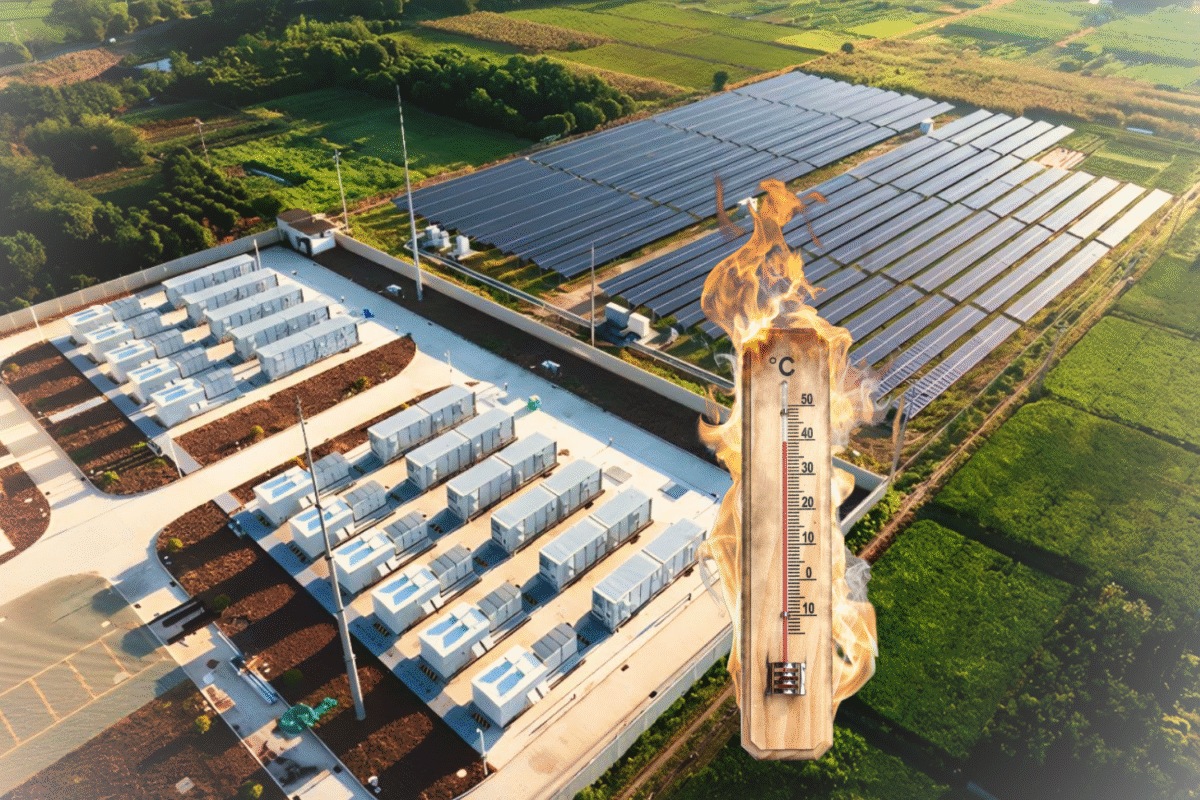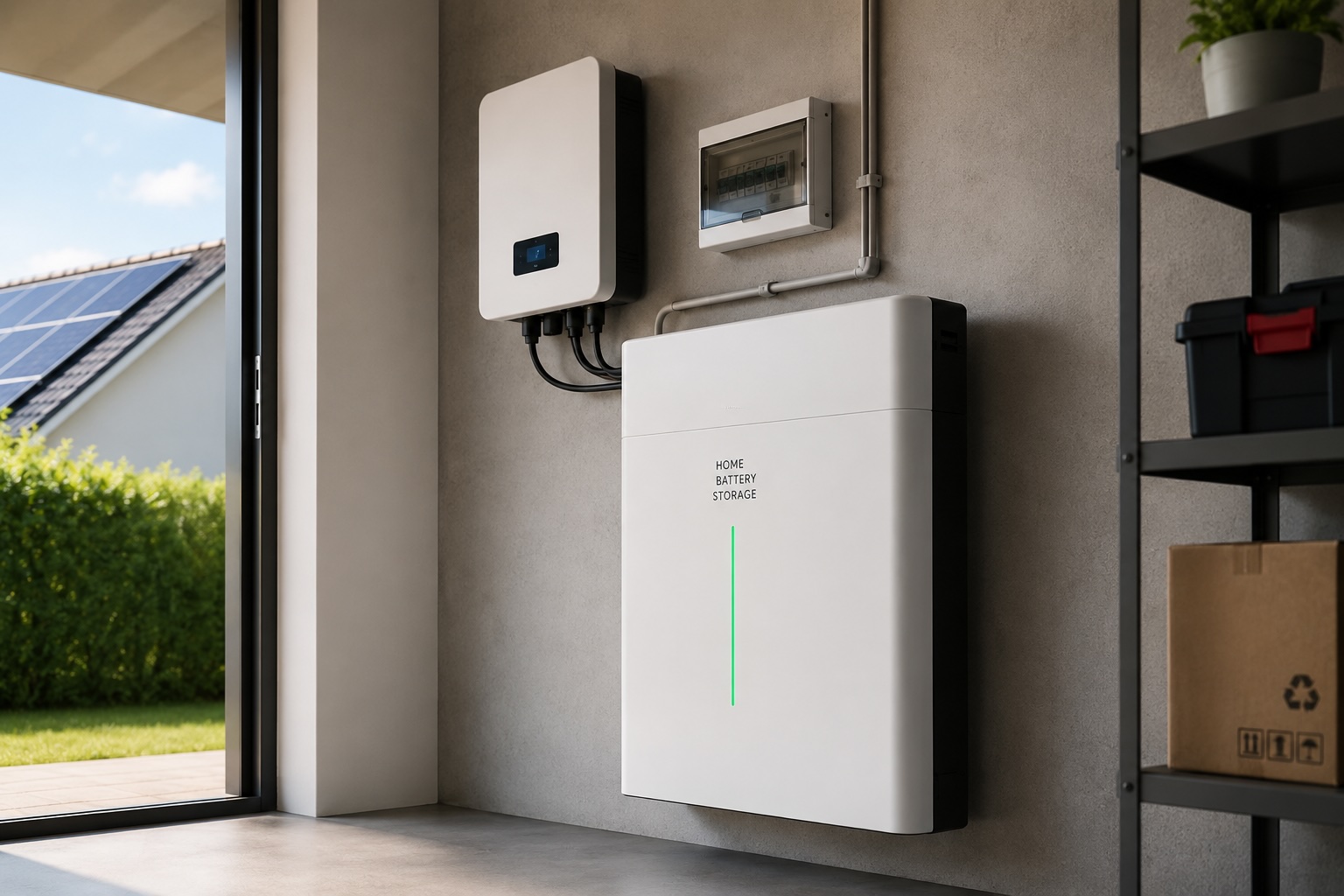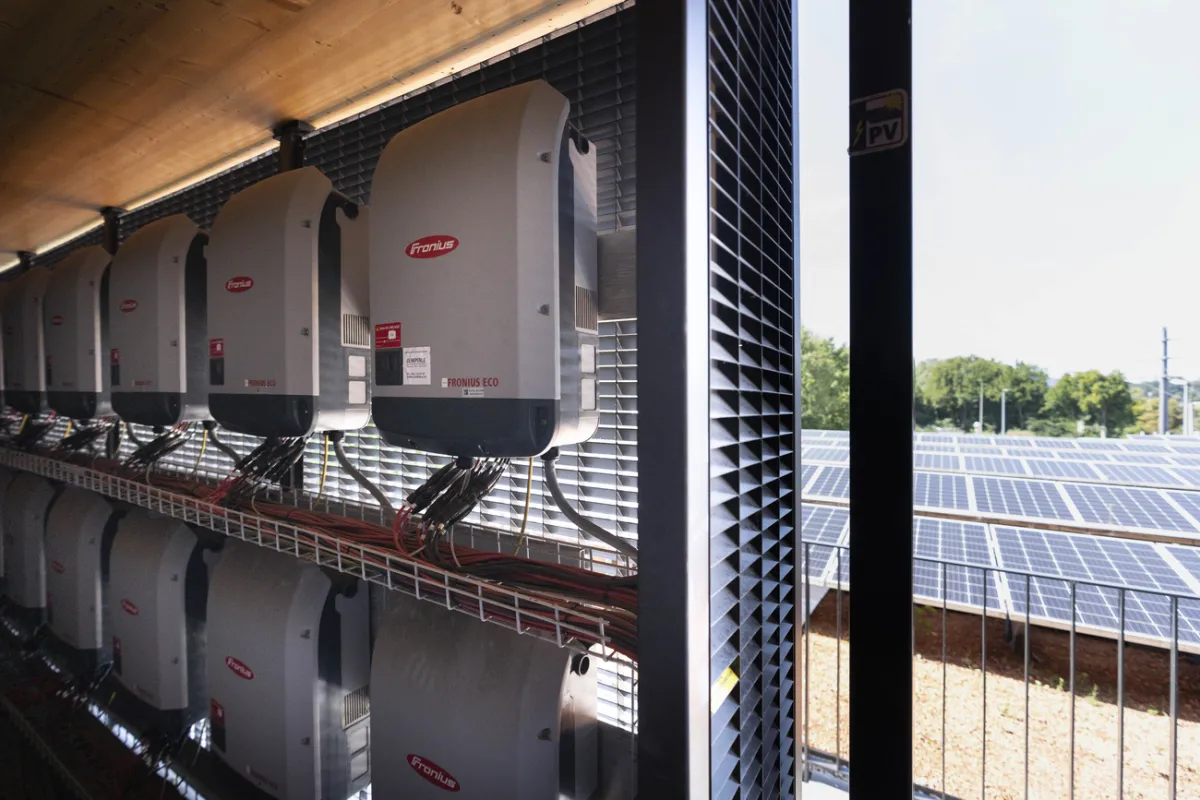
Tunisia has authorized residential battery storage systems paired with hybrid inverters as record heat drives electricity demand and strains the national grid. The new framework enables PV system owners to use stored solar power during outages, with national utility STEG issuing technical requirements for safe deployment.
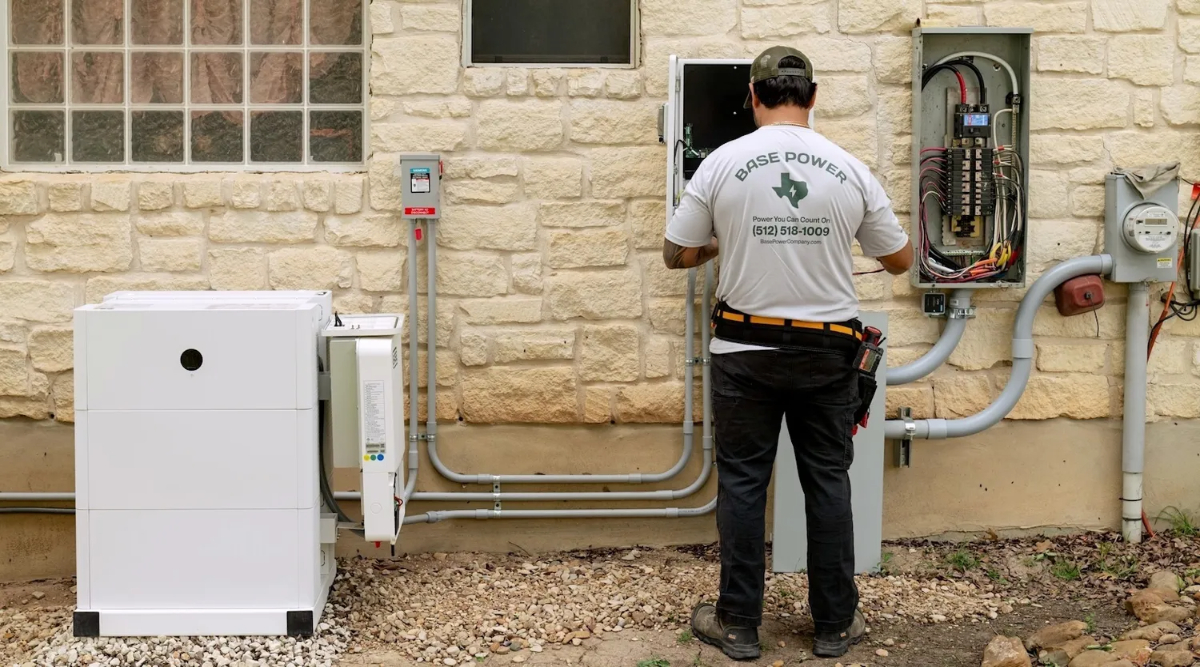
As an unprecedented heatwave continues to affect Tunisia, with high temperatures recorded since July 11, the Tunisian Company of Electricity and Gas (STEG) has authorized low-voltage customers—including households and businesses—to install photovoltaic energy storage systems combined with hybrid inverters.
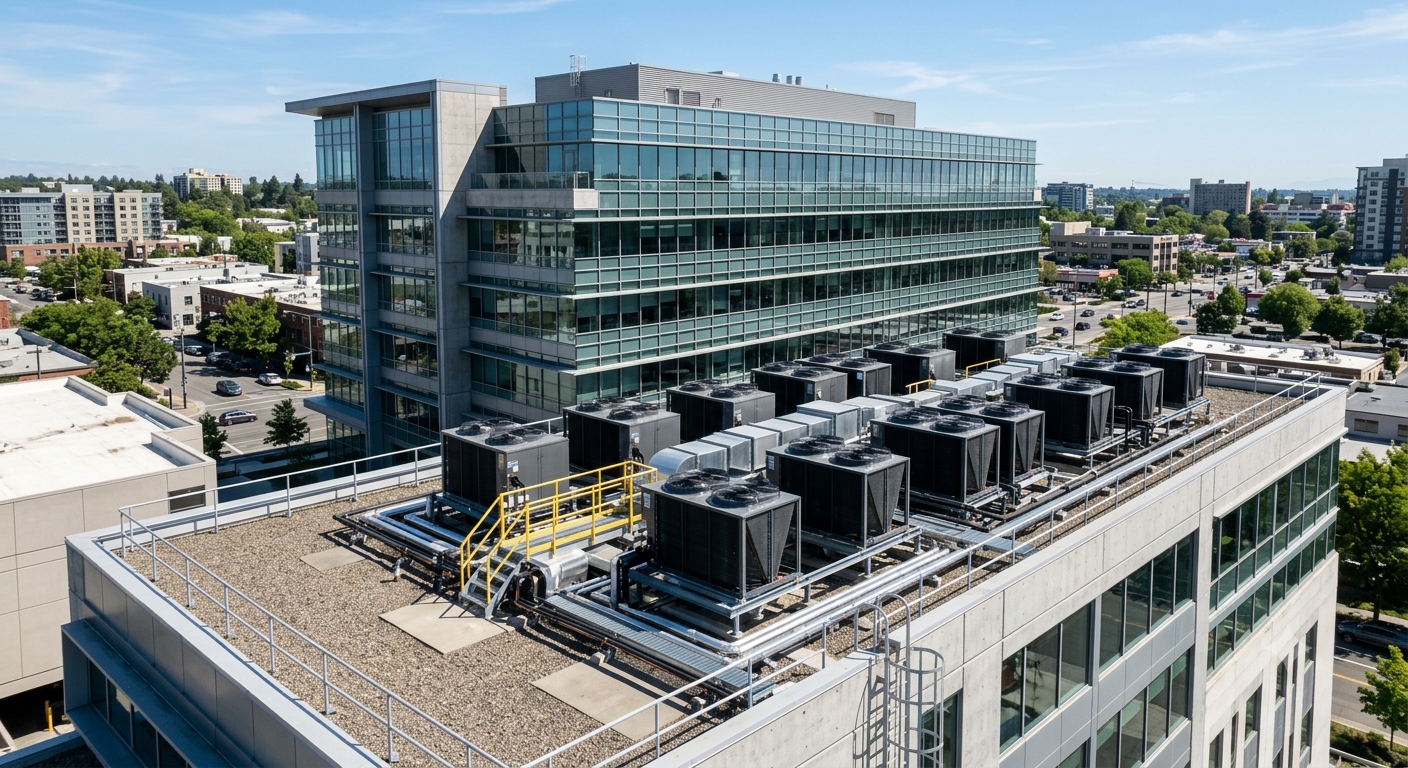
The decision comes as the country’s electricity grid faces increasing pressure, with demand reaching record levels due to widespread air conditioning use. The strain on the network has led to recurring power outages, prompting STEG to urge consumers to reduce electricity consumption.
The authorization allows owners of photovoltaic installations to use electricity stored in batteries to supply their homes during temporary grid interruptions caused by load-shedding measures.
To ensure the safety and reliability of both customer installations and the wider electricity network, STEG has published a technical guide on its website. The document sets out the requirements and minimum specifications for the design, installation, operation, and maintenance of photovoltaic systems equipped with batteries and hybrid inverters.