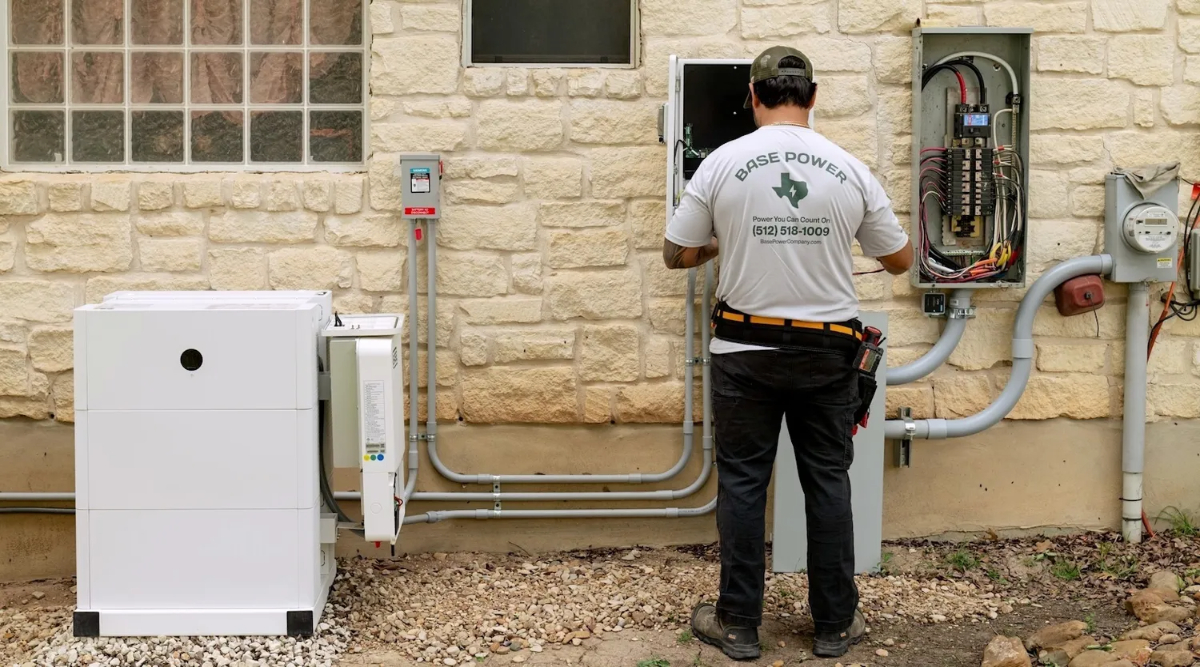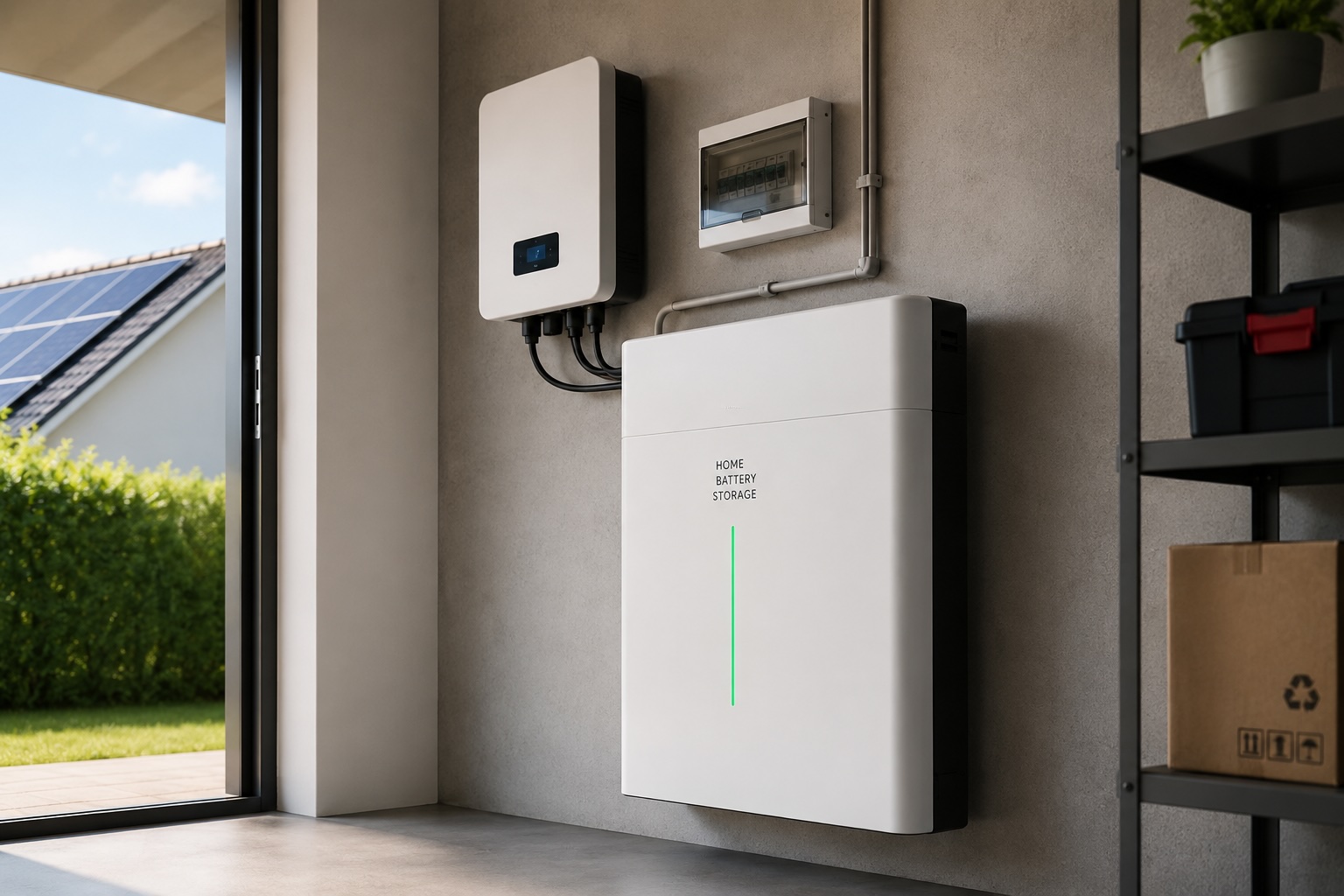
An expert from Kiwa PI Berlin recommends installing batteries in thermally stable locations, ensuring proper ventilation, following manufacturer guidelines, and using certified equipment to reduce heat-related risks. During heatwaves, shifting daytime electricity consumption to direct solar use can help limit battery stress and prevent overheating.
According to data from the Spanish PV association UNEF, distributed storage linked to photovoltaic self-consumption reached 540 MWh in Spain in 2025, representing a 65% increase compared with the 327 MWh installed in 2024. Growth was mainly driven by the residential segment, where battery-equipped systems nearly doubled, rising 99% to 219 MWh. Residential storage accounted for 40% of total installed capacity, while 61% of new residential self-consumption systems incorporated batteries.
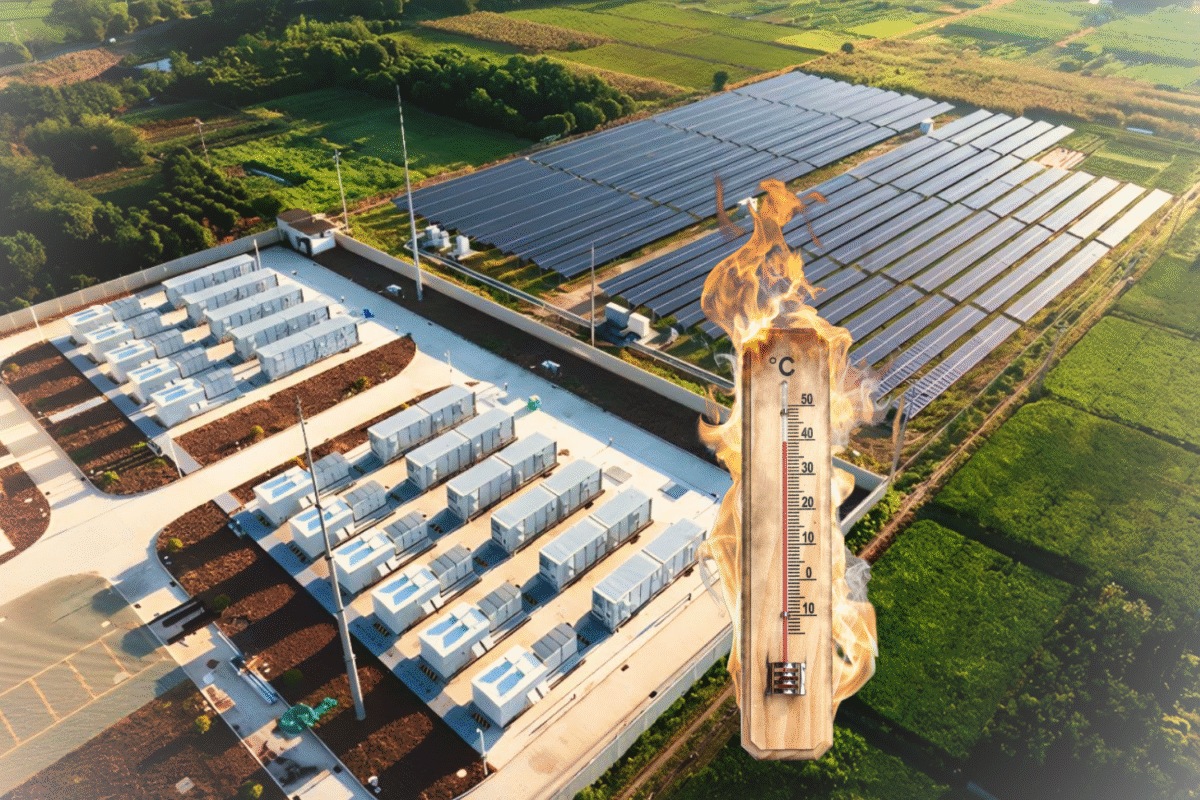
As residential battery deployment continues to accelerate, attention is increasingly turning to the factors that can affect system performance and safety over time, particularly under extreme weather conditions. Rising summer temperatures, for example, can affect both battery performance and service life. A recent battery explosion in Germany, reportedly caused by overheating, has highlighted the potential risks associated with inadequate thermal management.