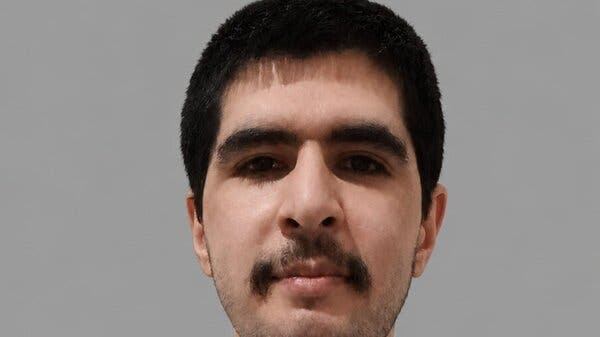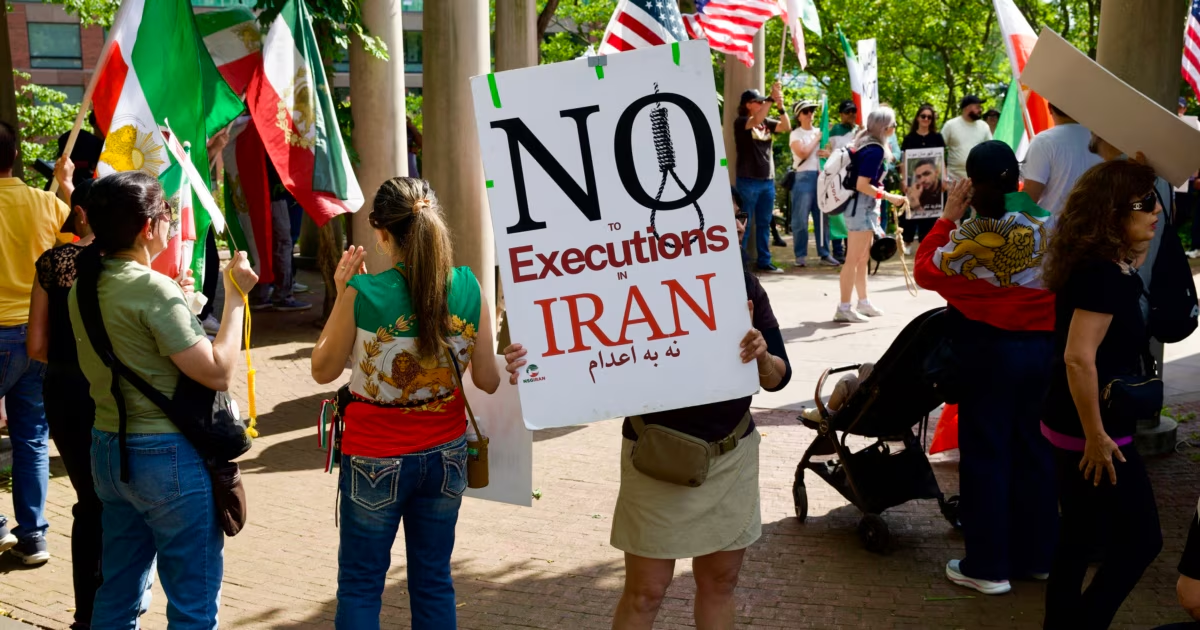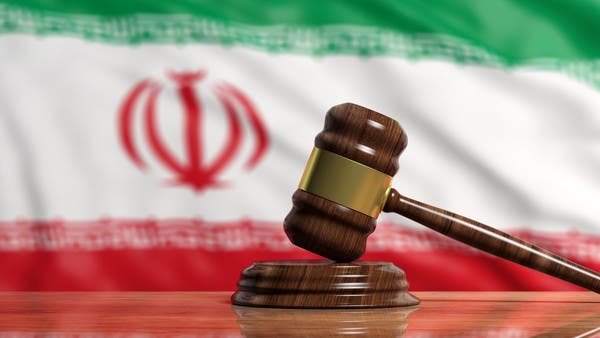
Iran’s judiciary announced on Wednesday that it had executed 26-year-old Mehdi Khanaki, a law graduate accused of active participation in the nationwide January 2026 uprising and membership in what the authorities described as a “terrorist group.” The regime’s Mizan news agency did not identify the organization by name. The National Council of Resistance of Iran, however, identified Khanaki as a member of the People’s Mojahedin Organization of Iran, or PMOI/MEK, saying he had been arrested in February after months of surveillance and subjected to severe physical and psychological torture before being sentenced to death.According to the judiciary, Khanaki had obtained firearms, ammunition, and communications equipment shortly before the uprising, and weapons seized from him had been used during the protests. Whether intended as a judicial announcement or a warning, the message was unmistakable: Tehran was signaling that those who organize resistance against the regime will face the gallows.By any measure, Khanaki’s execution is far more than another grim statistic. It is a calculated message from a regime terrified not of foreign conflict or spontaneous unrest, but of the organized movement capable of channeling that anger into democratic change.
The hanging of an Iranian activist exposes a regime at the end of its rope
Tehran's execution of organized dissidents such as Mehdi Khanaki reveals a weak regime terrified of a viable democratic alternative to clerical rule.
727 words~3 min read