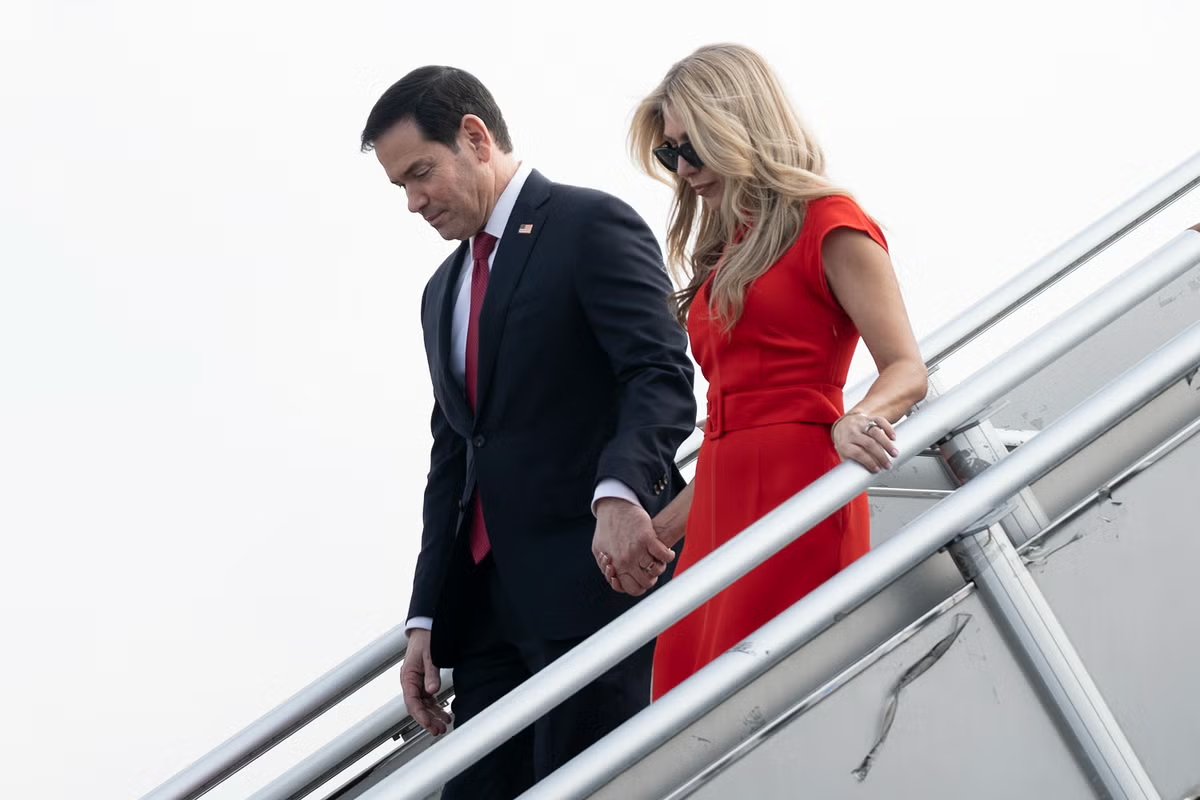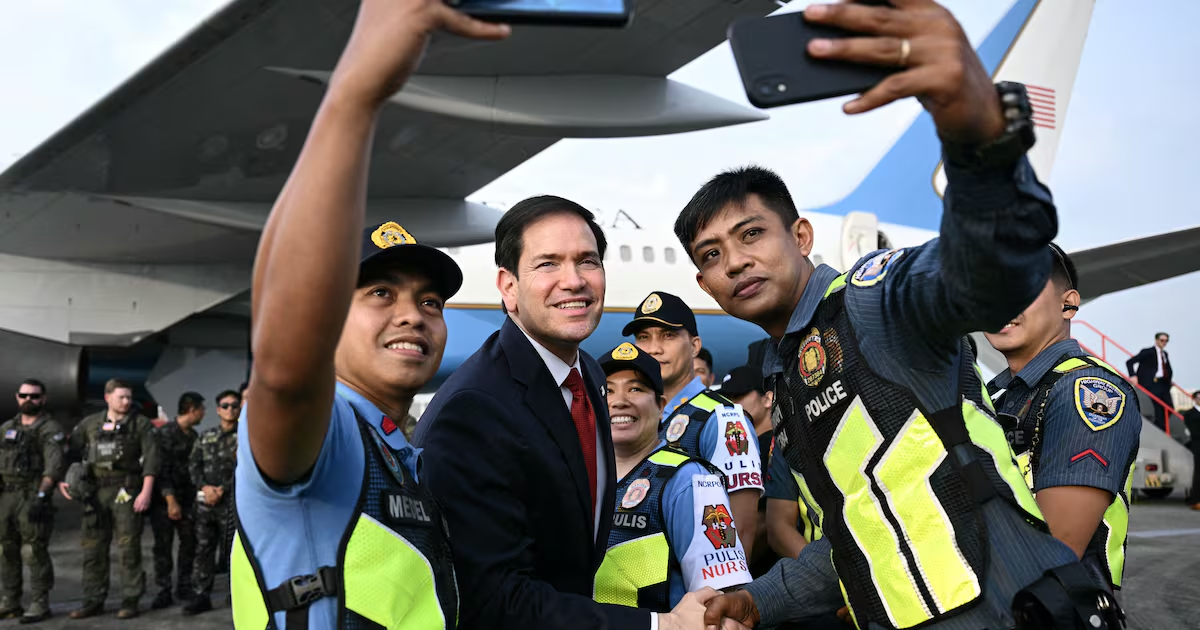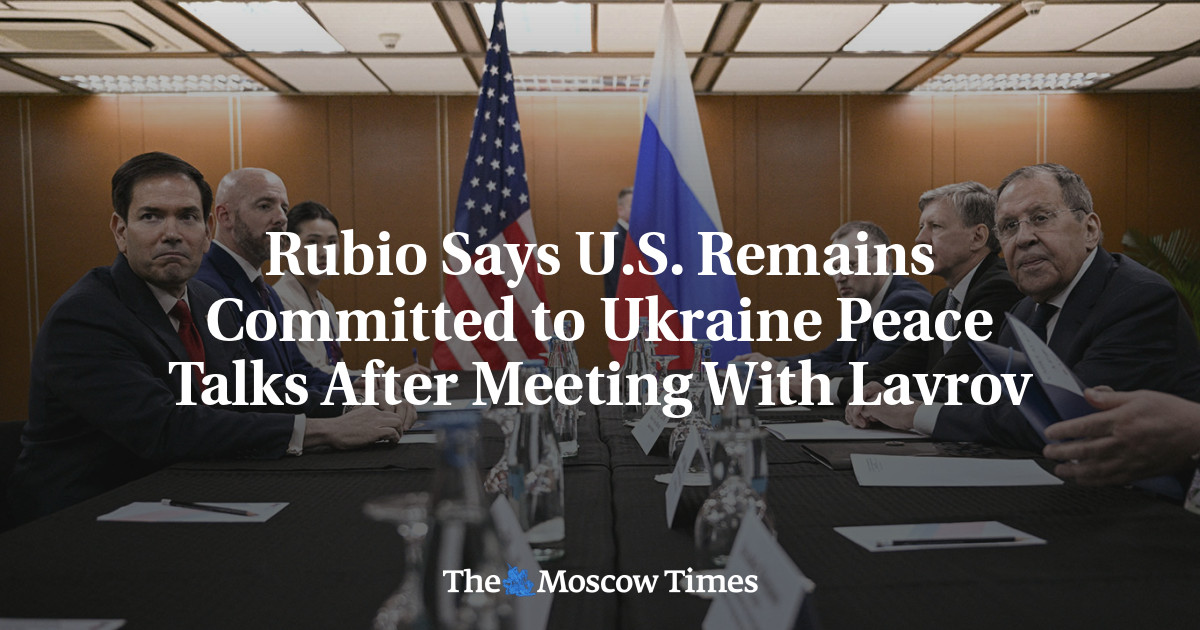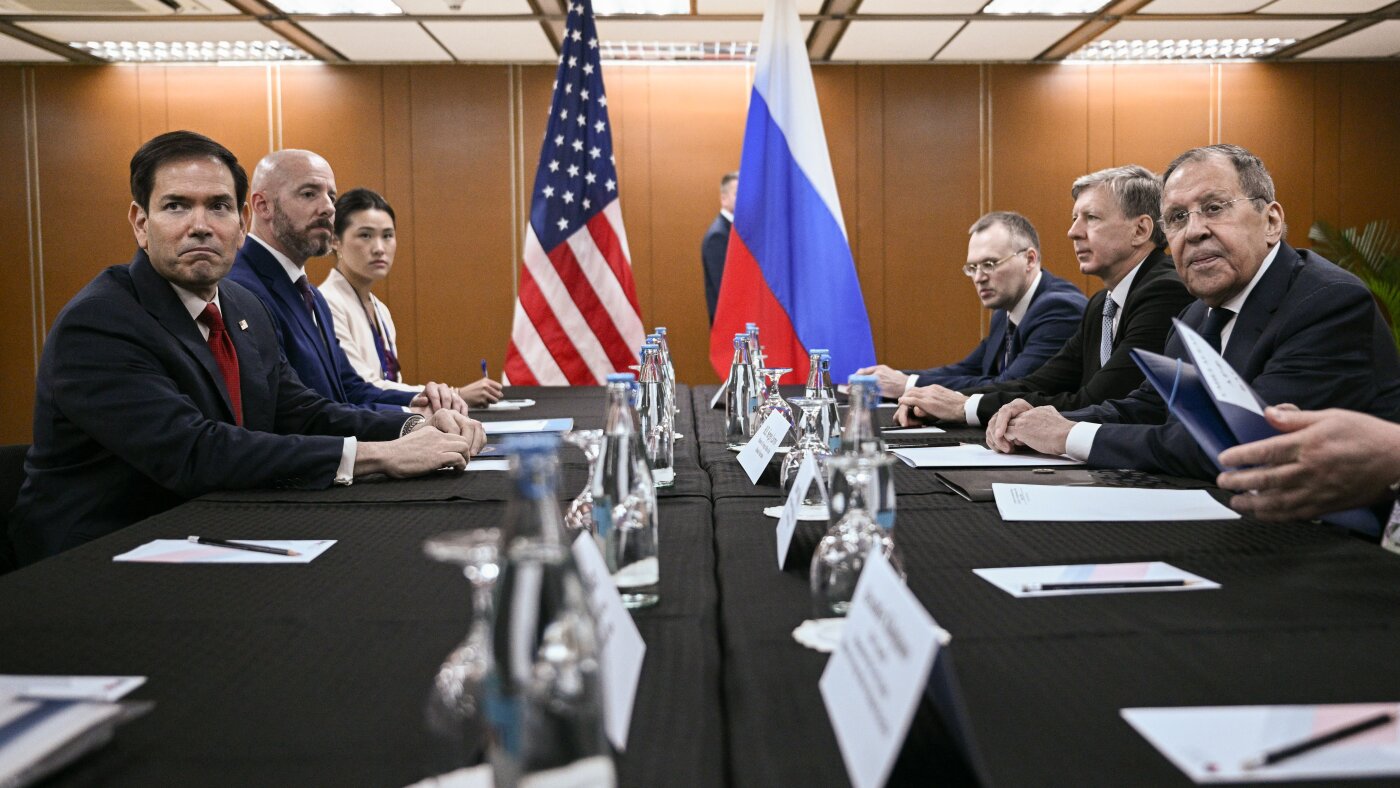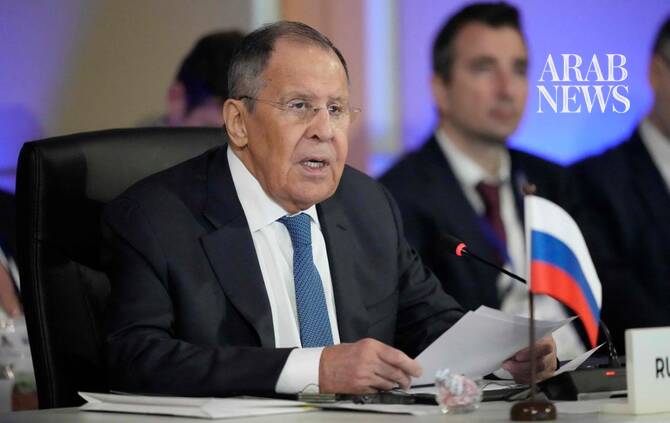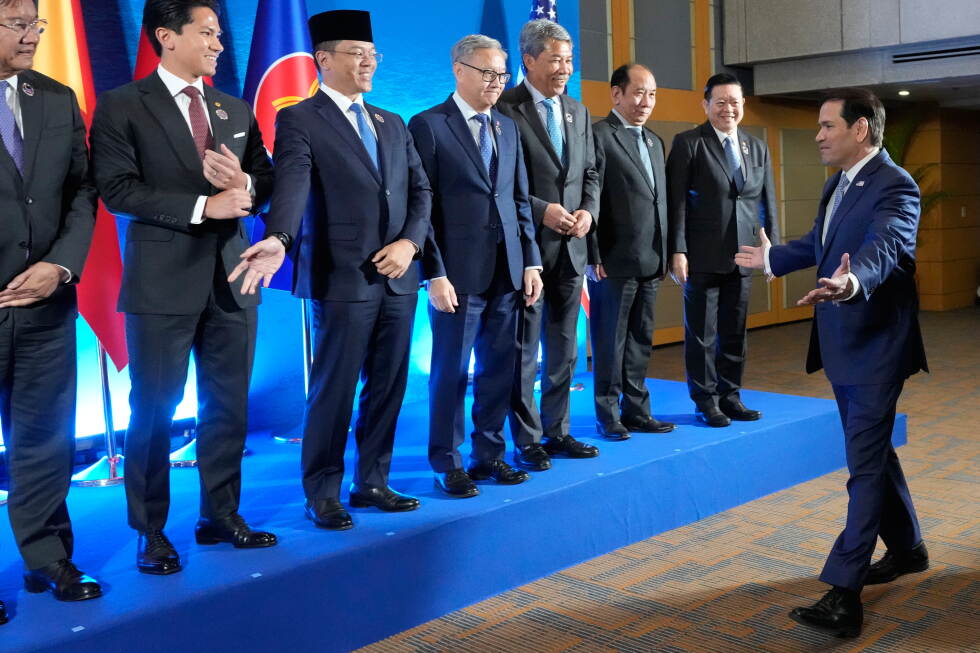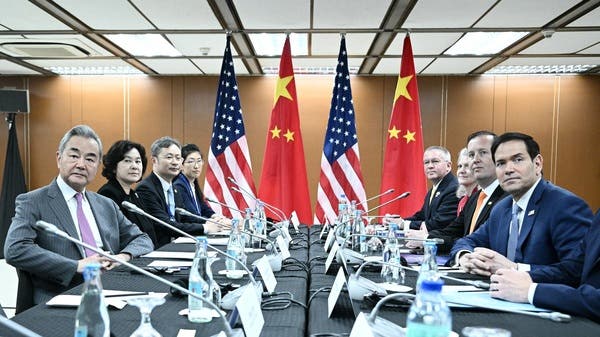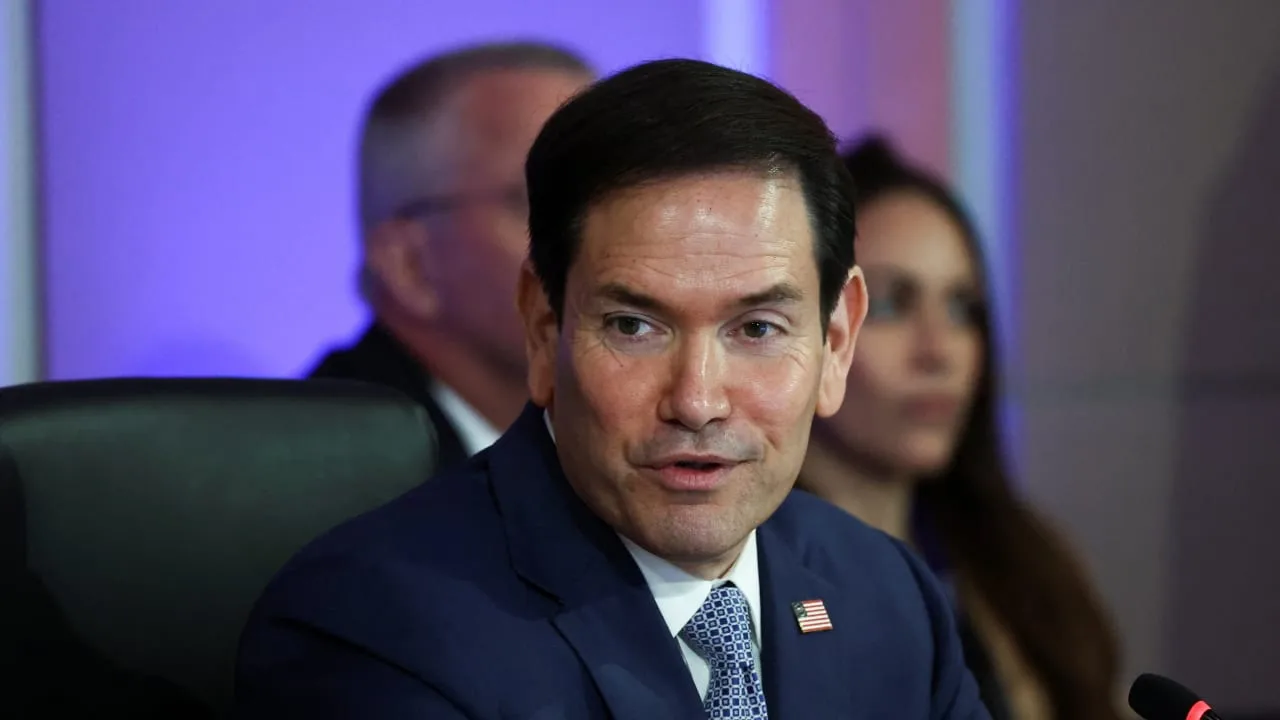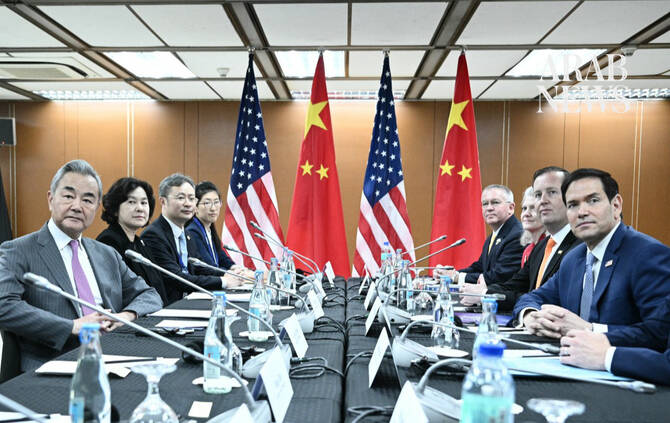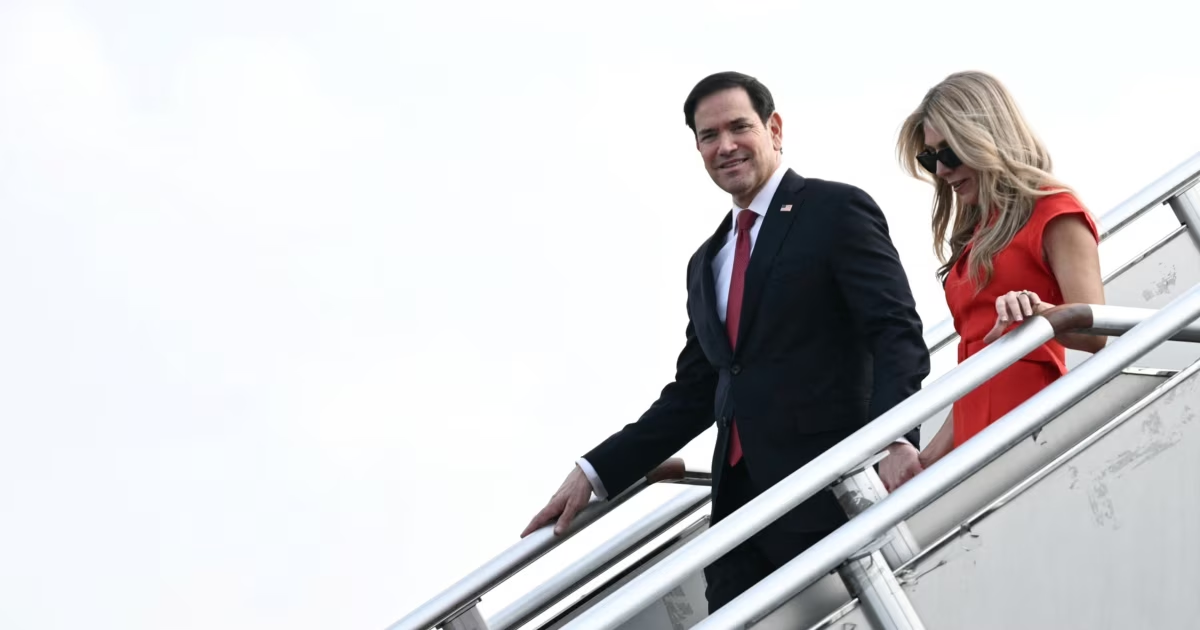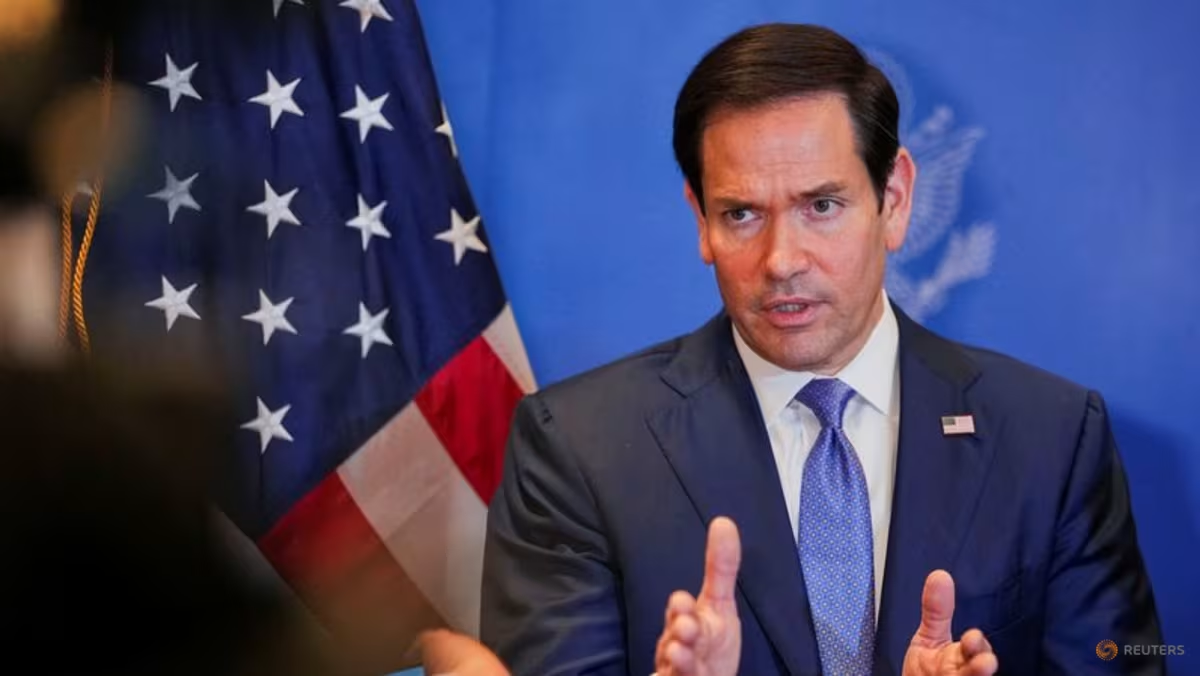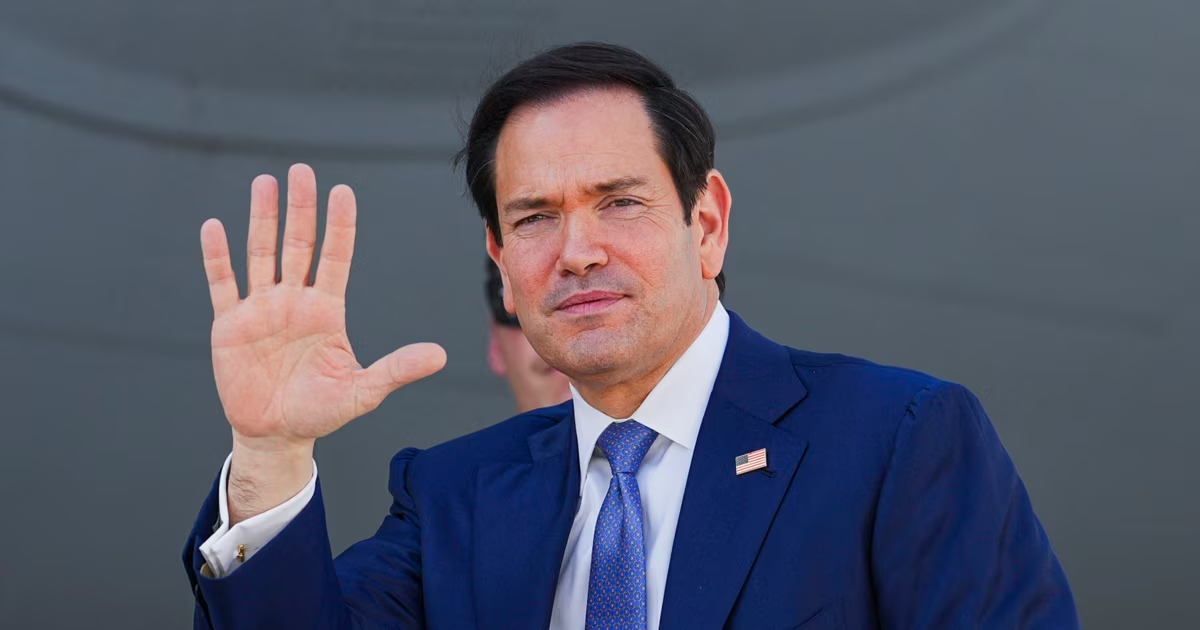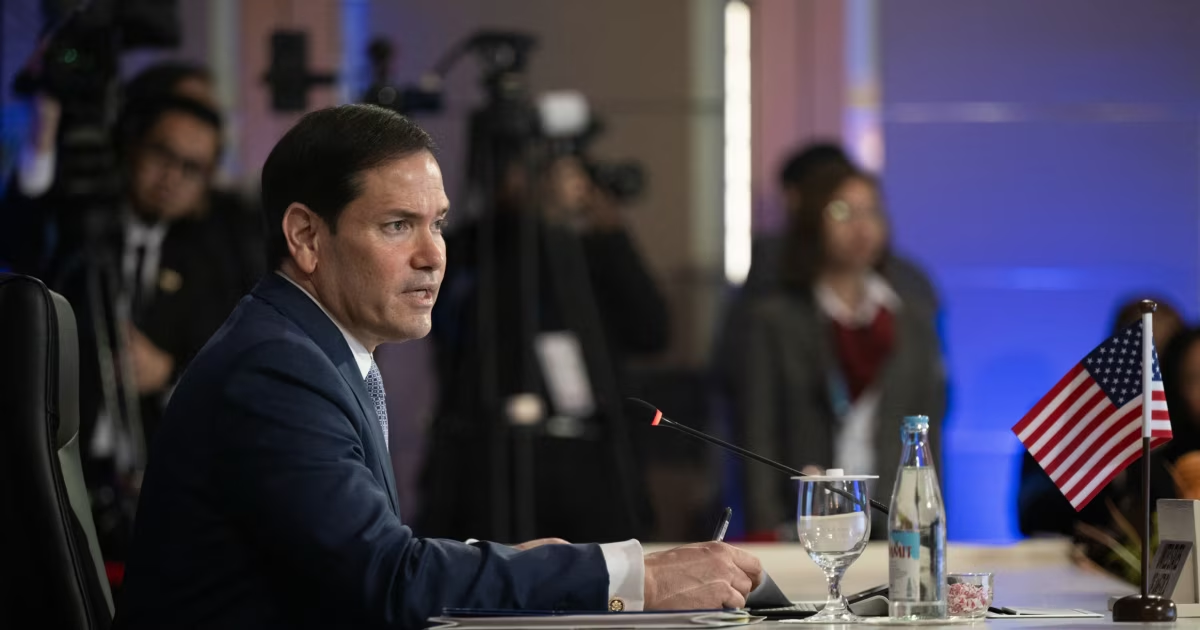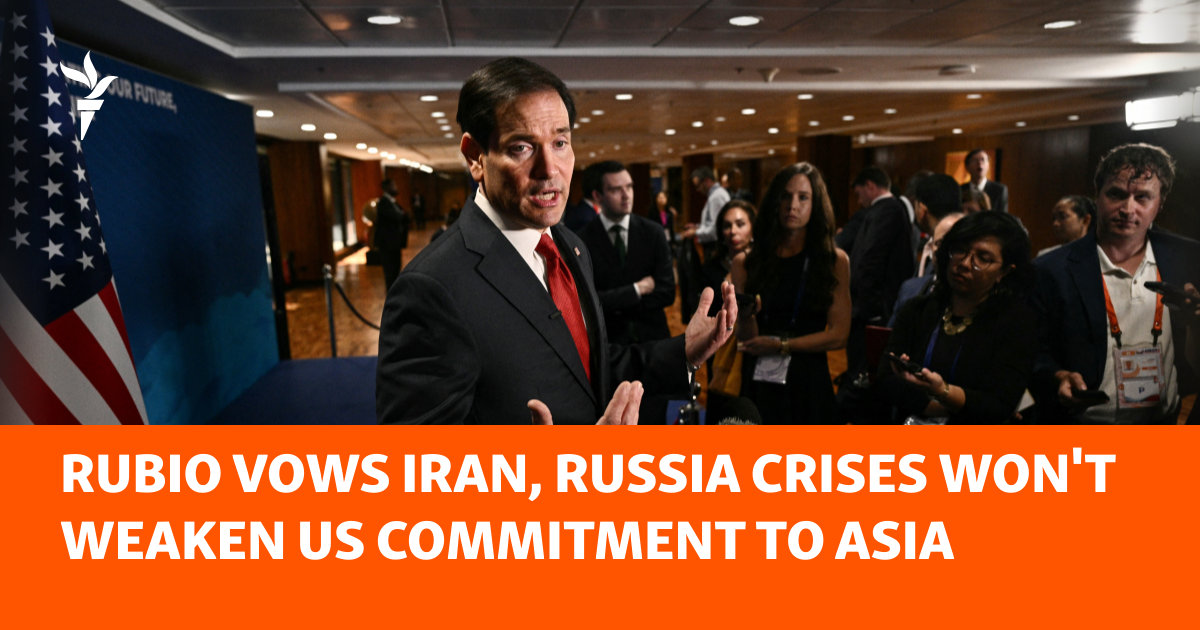
MANILA -- As US Secretary of State Marco Rubio concluded his first Southeast Asia trip as America's top diplomat, he sought to reassure regional partners that the war in Iran and Russia's invasion of Ukraine would not weaken Washington's commitment to the region.The message came as Washington confronts an escalating standoff with Iran, stalled diplomacy over Russia's war in Ukraine, and intensifying competition with China across the Indo-Pacific. Yet Rubio's visit also underscored a widening gap between US strategic priorities and Southeast Asia's increasingly economic view of security.While Rubio went to the Philippine capital for the three-day meeting of Association of Southeast Asian Nations (ASEAN) foreign ministers, much of the focus was on the situation in the Gulf as the US military intensified attacks on Iran.
"There's always going to be a concern that America is so focused on one place that it can't focus on another," Rubio told reporters at the end of the trip.But, he argued, the United States has the capacity to remain engaged simultaneously in Europe, the Middle East, and Asia through its diplomatic, military, and economic presence.Officially, ASEAN ministers discussed the South China Sea, Myanmar, Ukraine and regional cooperation. Privately, diplomats said the conflict involving Iran and threats to commercial shipping through the Strait of Hormuz dominated conversations.Southeast Asian economies remain heavily dependent on imported energy, making any disruption in Gulf shipping an immediate economic concern rather than a distant geopolitical crisis. Rising freight, insurance, and fuel costs could quickly feed inflation across the region.Rubio argued that Washington remains fully engaged despite the Middle East crisis, pointing to longstanding security partnerships and daily diplomatic engagement across Asia. But for many governments, reassurance alone may not address growing concerns over economic vulnerability.Ilango Karuppannan, a veteran Malaysian diplomat and former ambassador, said Washington continues to view Southeast Asia largely through a strategic lens."In 33 years of Malaysian foreign service, I watched Washington approach Southeast Asia mainly through the lens of security," he told RFE/RL. "The focus was on alliances, deterrence, and the balance of power."ASEAN governments value the US security presence, he said, but their immediate anxieties are increasingly domestic."Much of it sits in the price of diesel, the cost of imported food, the electricity bill, and whether shipping routes remain open, reliable, and insurable."The Iran crisis has amplified those concerns.