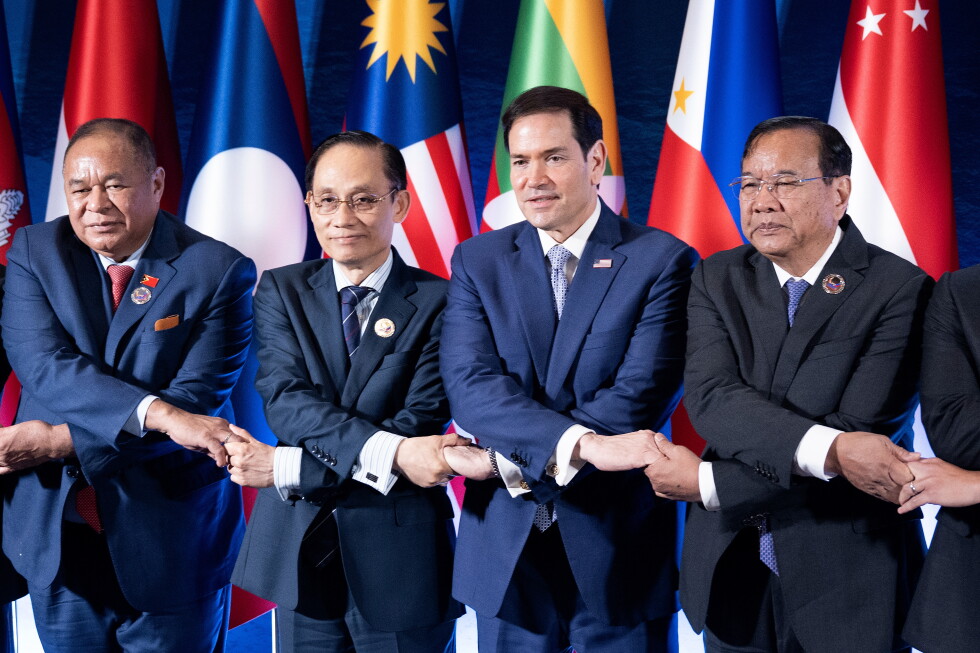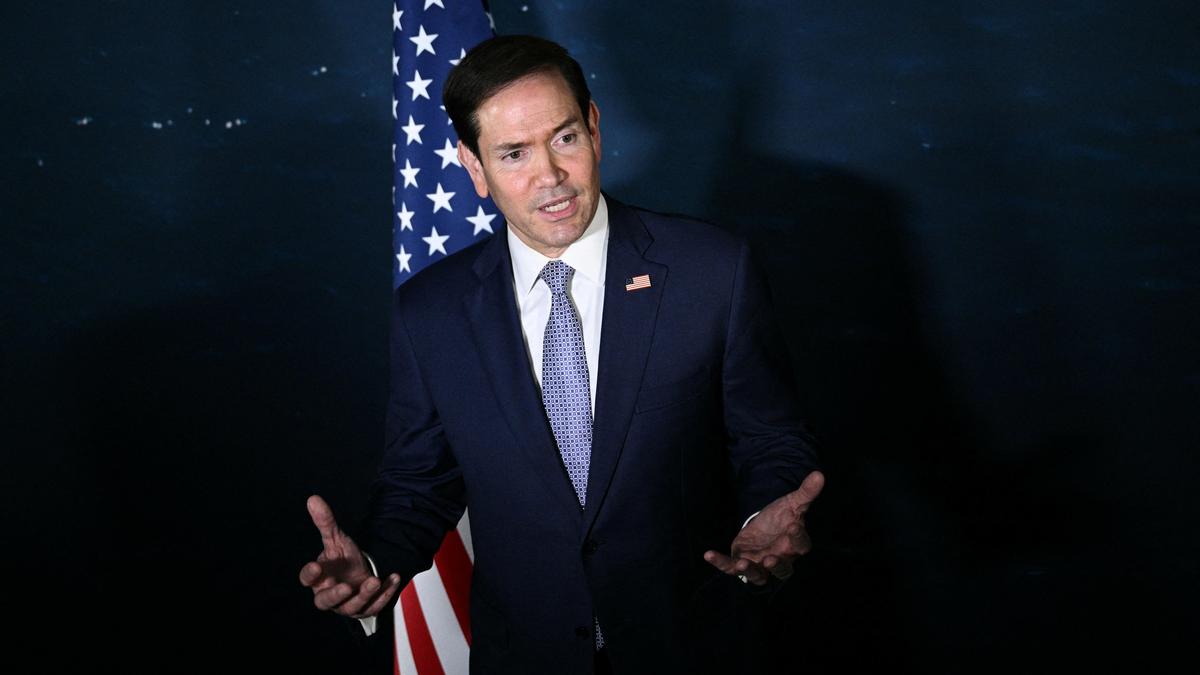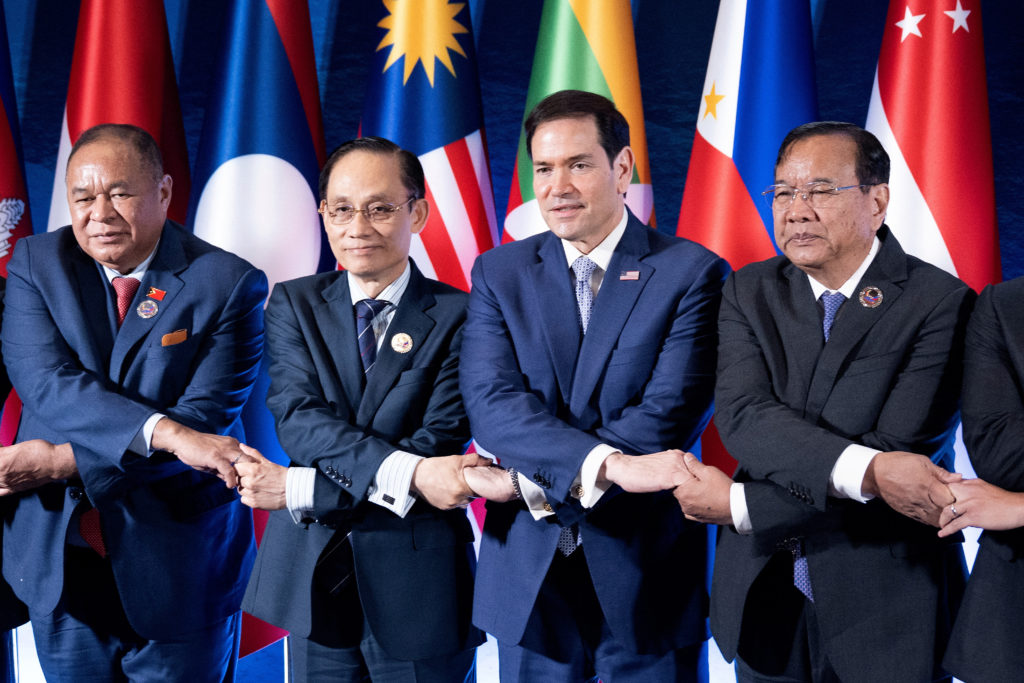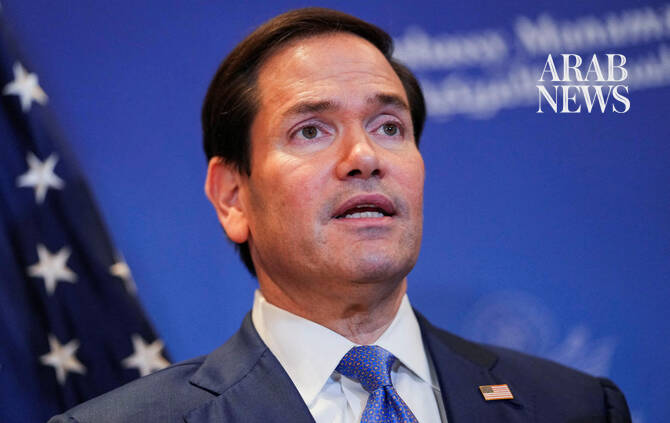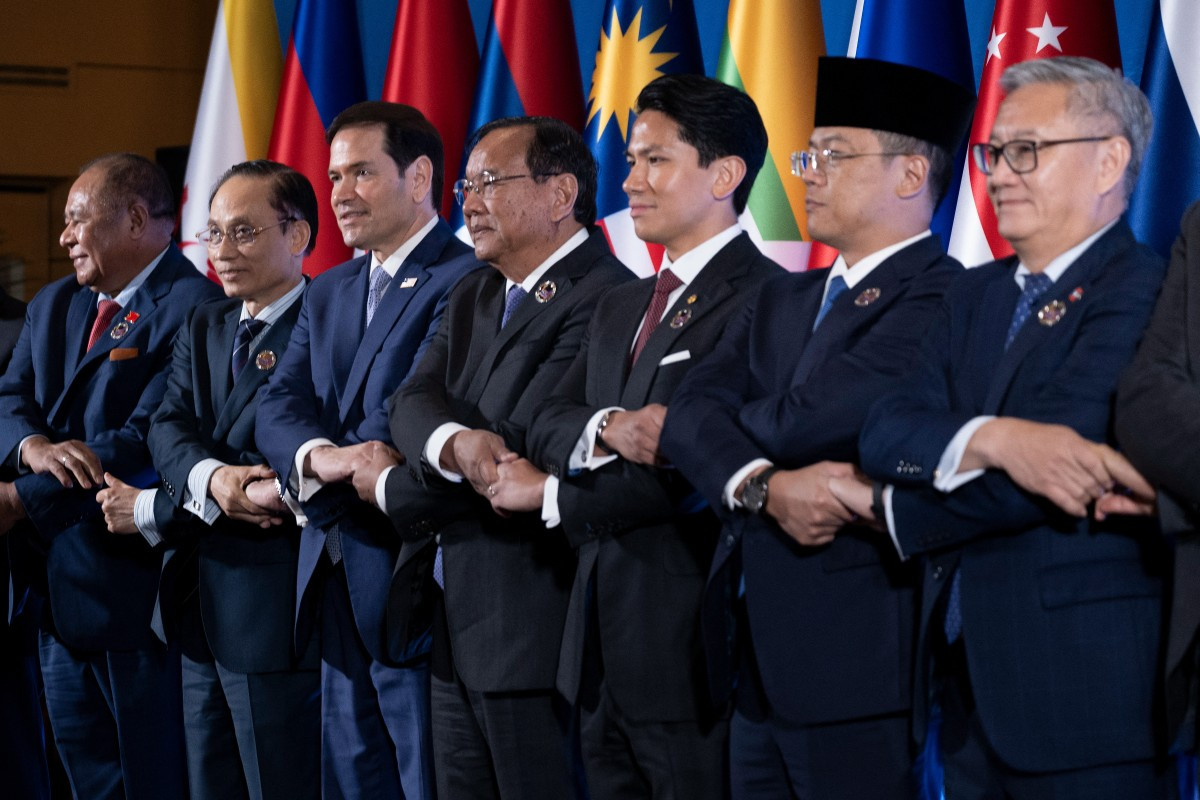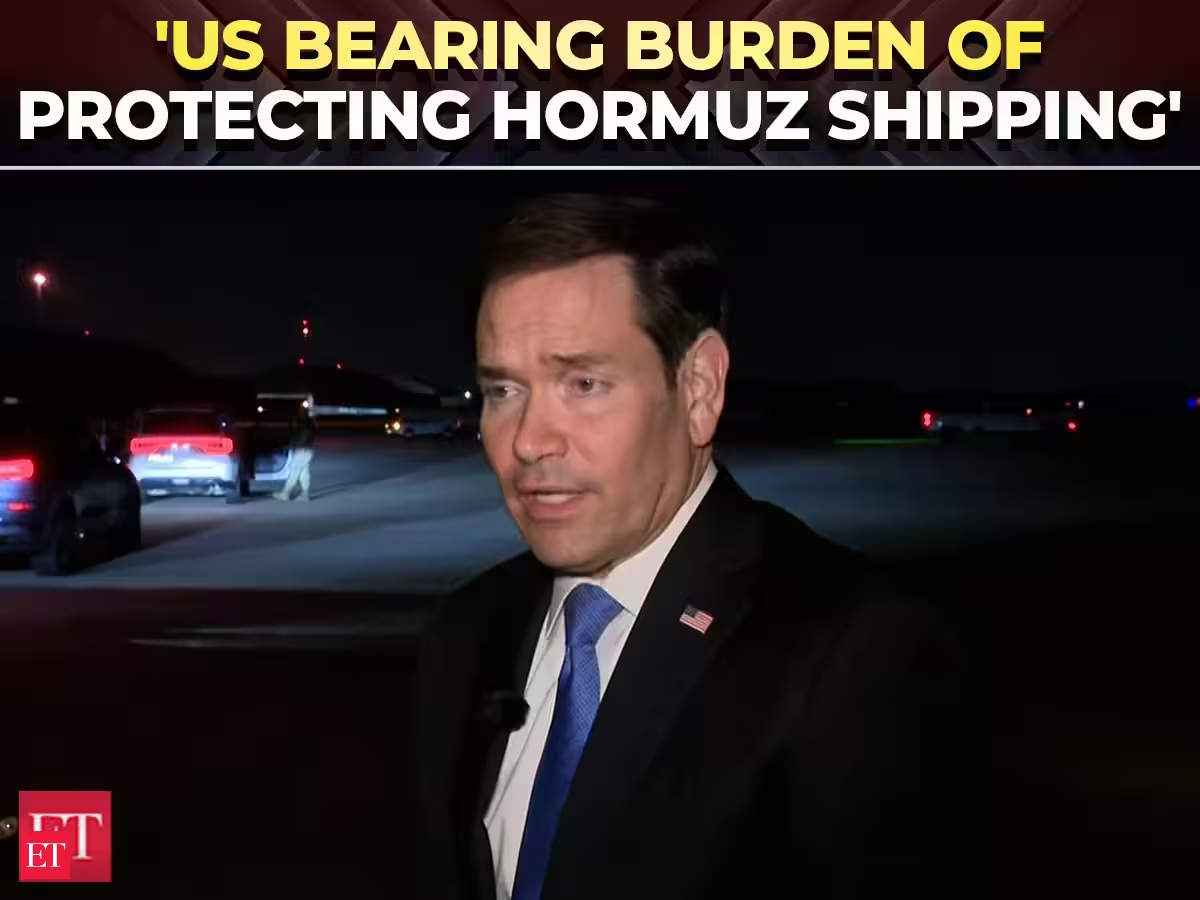
MANILA -- US Secretary of State Marco Rubio has warned that Iran's challenge to freedom of navigation in the Strait of Hormuz threatened not only global trade but also risked setting a dangerous precedent for Asia's contested maritime routes.Addressing foreign ministers from the Association of Southeast Asian Nations (ASEAN) in Manila on July 22, Rubio said that the US remains prepared to negotiate with Iran but accused Tehran of failing to honor previous commitments and lacking seriousness about diplomacy.“The United States is always committed to diplomacy," Rubio said on July 22. "We're open-minded and always willing to engage and negotiate settlements and differences, and that remains true in the case of Iran.”“The problem we're having right now is that they're not serious about talks. If they're serious, we're serious,” he added. “If they're not, then we will do what is necessary to protect our interests and also the interests of our allies.”Rubio’s remarks came amid renewed military exchanges and US strikes targeting Iranian military infrastructure linked to threats against commercial shipping.
His central message to Southeast Asian governments was that Iran's actions extend well beyond the Persian Gulf.He argued that allowing Tehran to dictate shipping through the Strait of Hormuz would undermine one of the fundamental principles underpinning international commerce: freedom of navigation."Iran demands the right, which they do not have under any existing legal mechanism, to control the transit of traffic through the Strait of Hormuz," Rubio said.Calling the waterway an international passage protected by international law, Rubio warned that acquiescing to Iranian demands would encourage similar behavior elsewhere.“If we create a precedent in the Middle East where a nation state can decide that they are going to control an international waterway, charge a toll, and if you don't pay them, blow up your ships, we have created a very dangerous precedent which will repeat itself in other parts of the world, including in this region.”