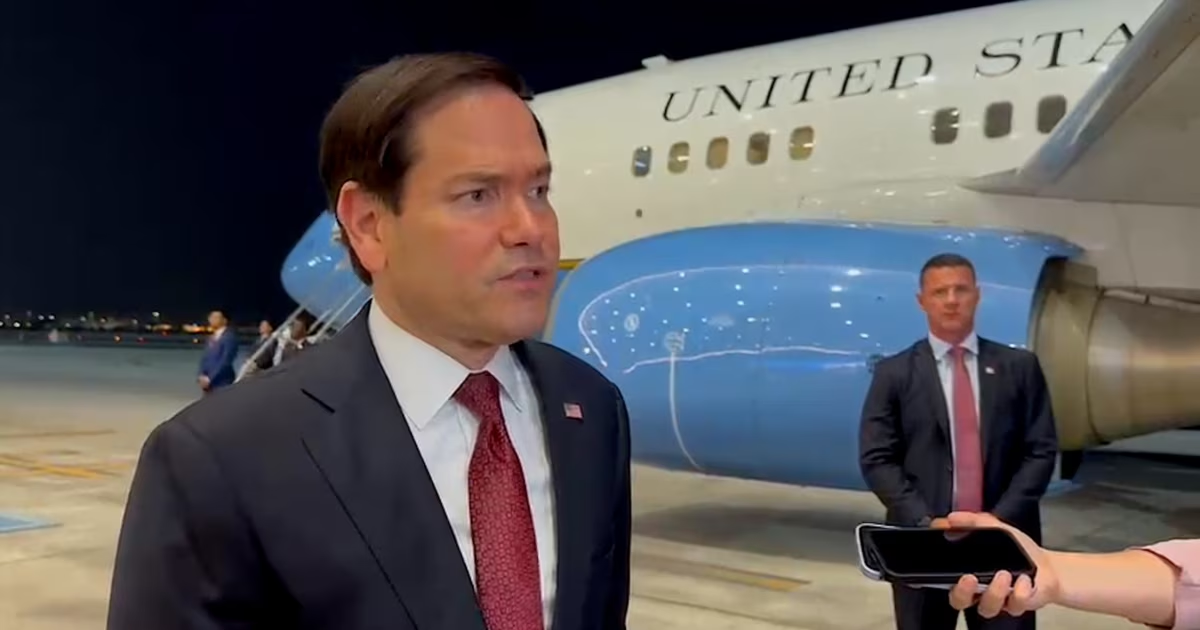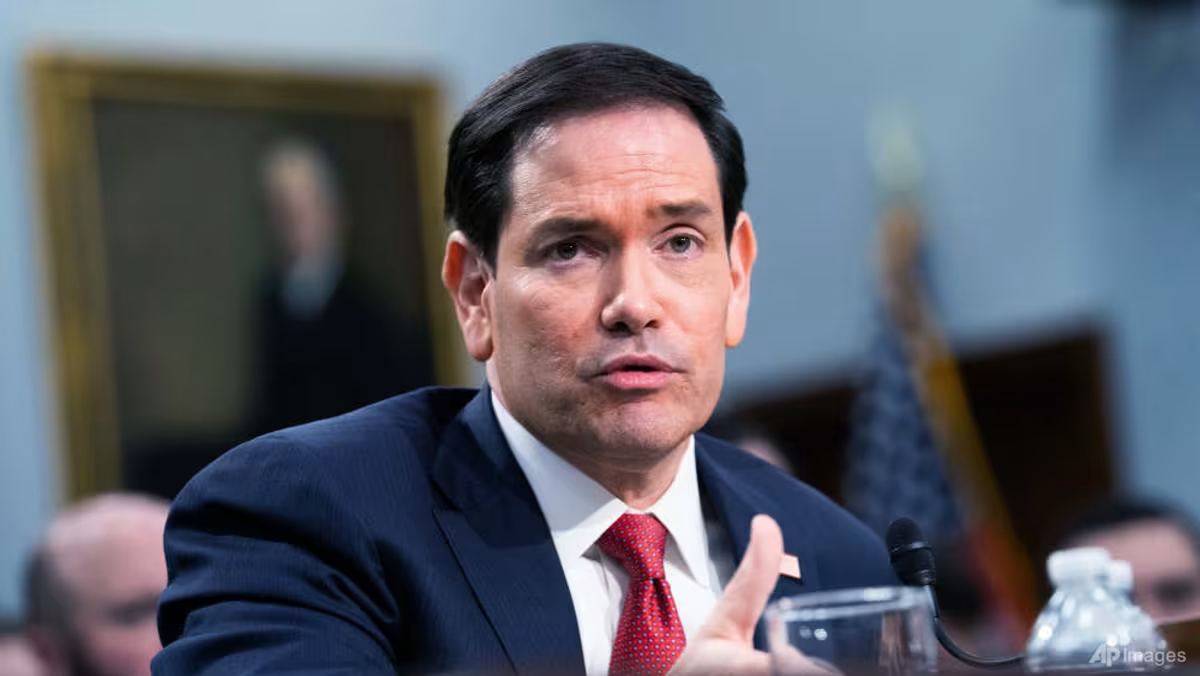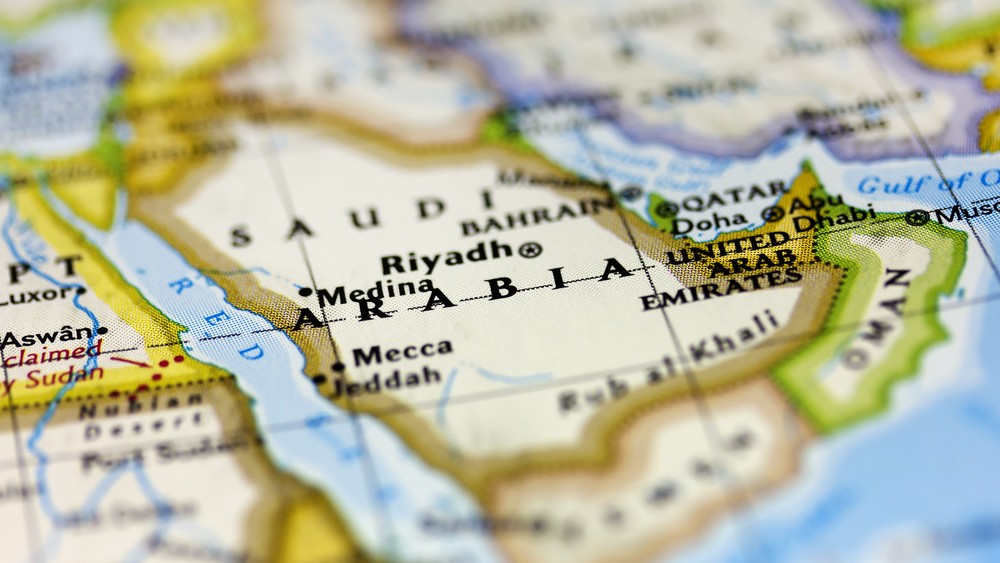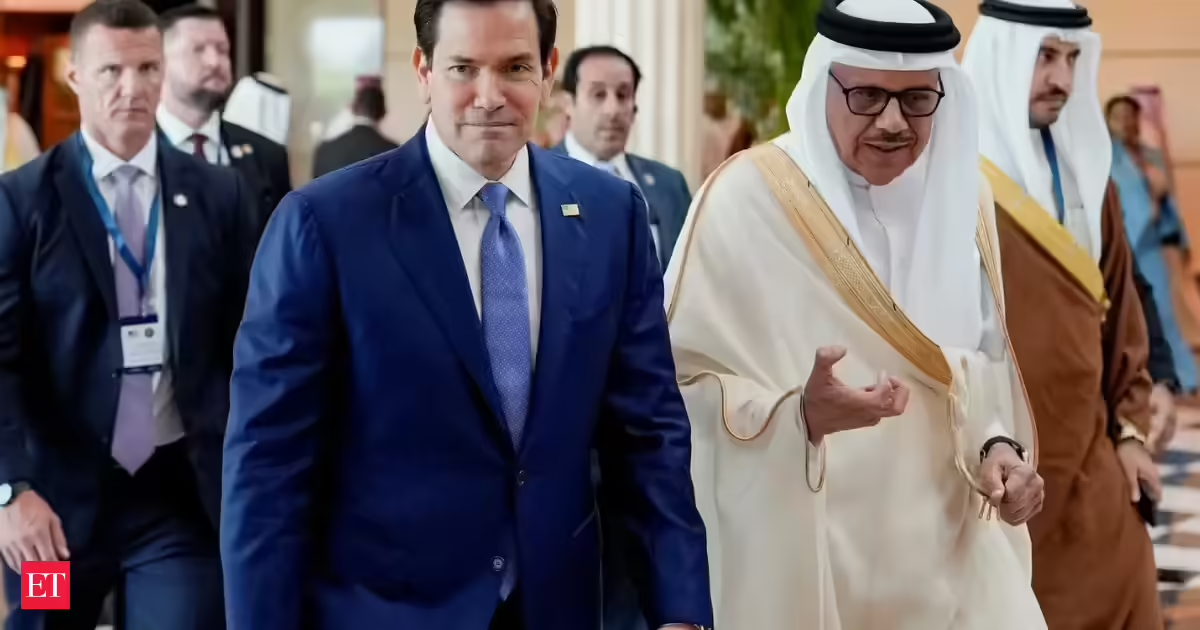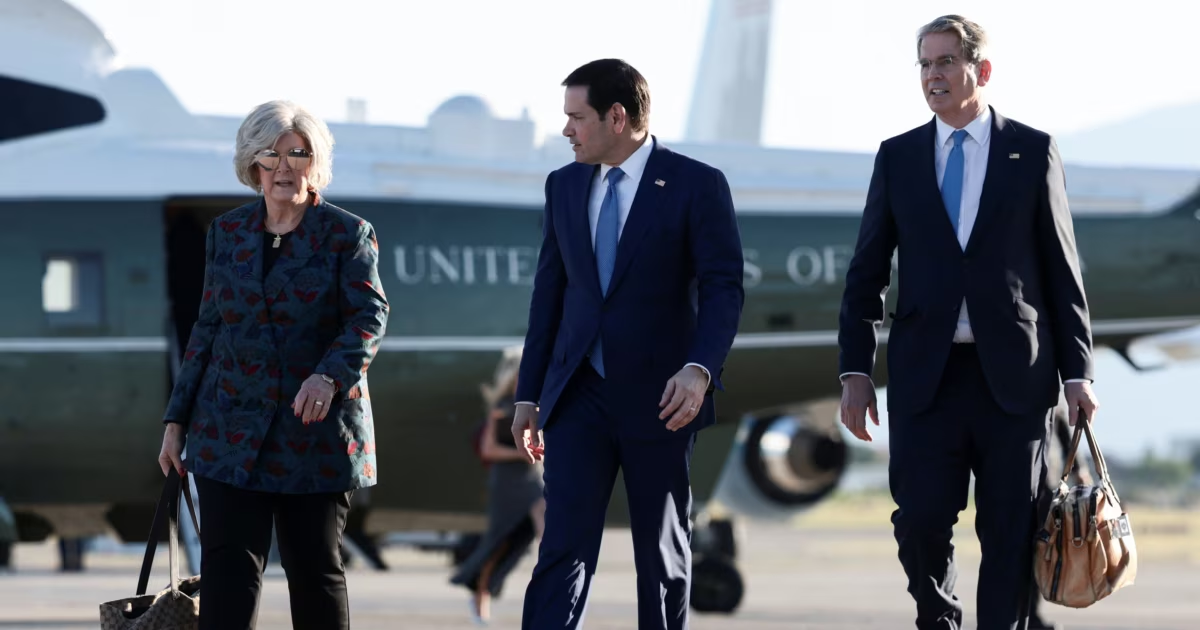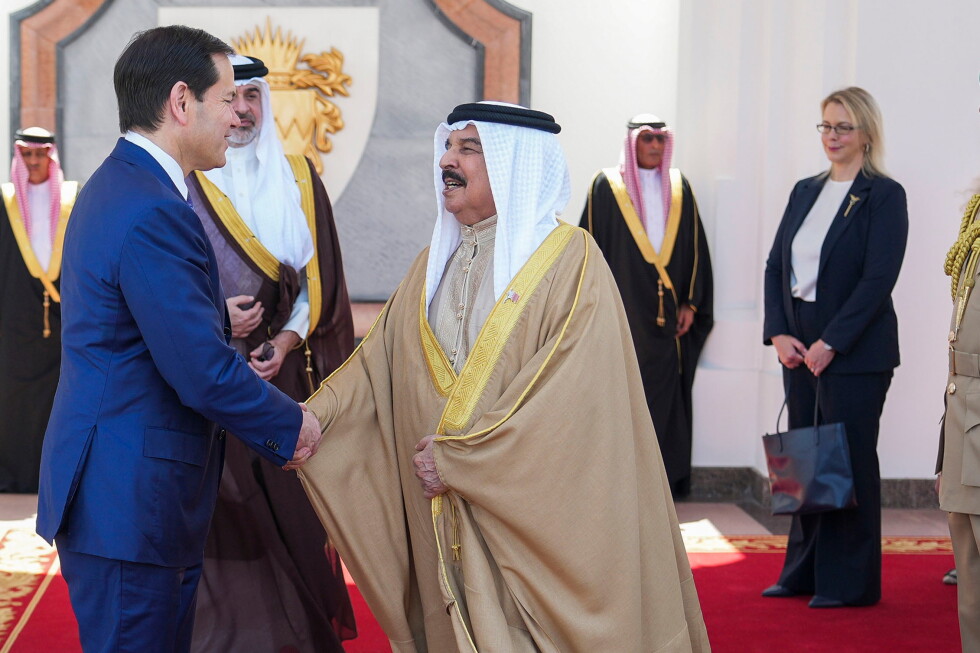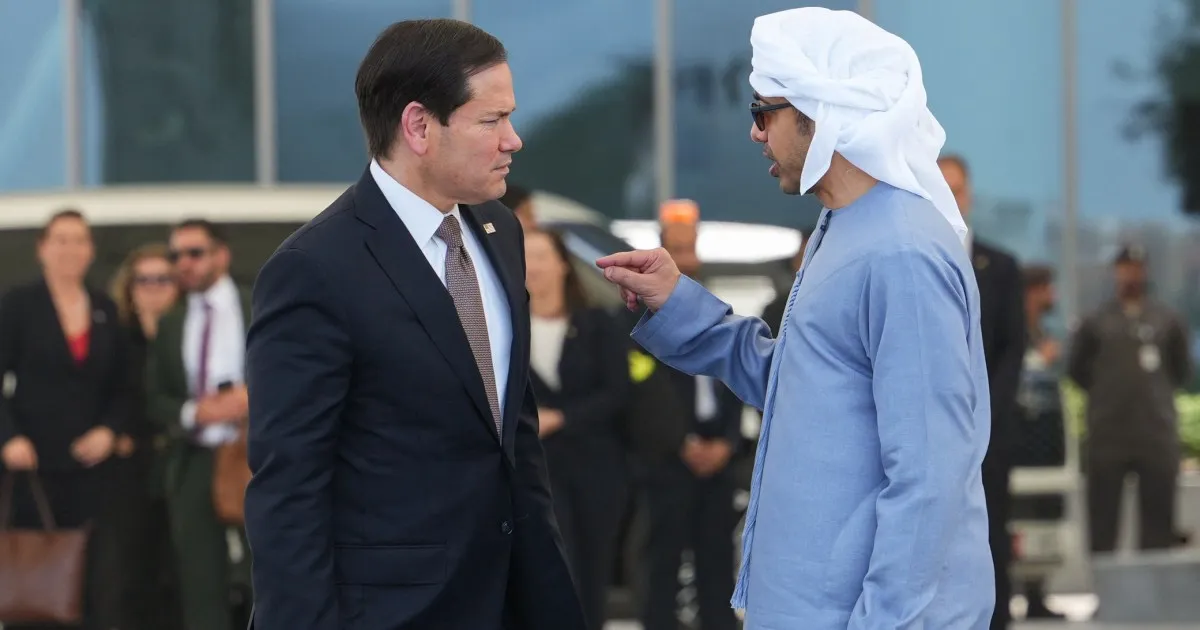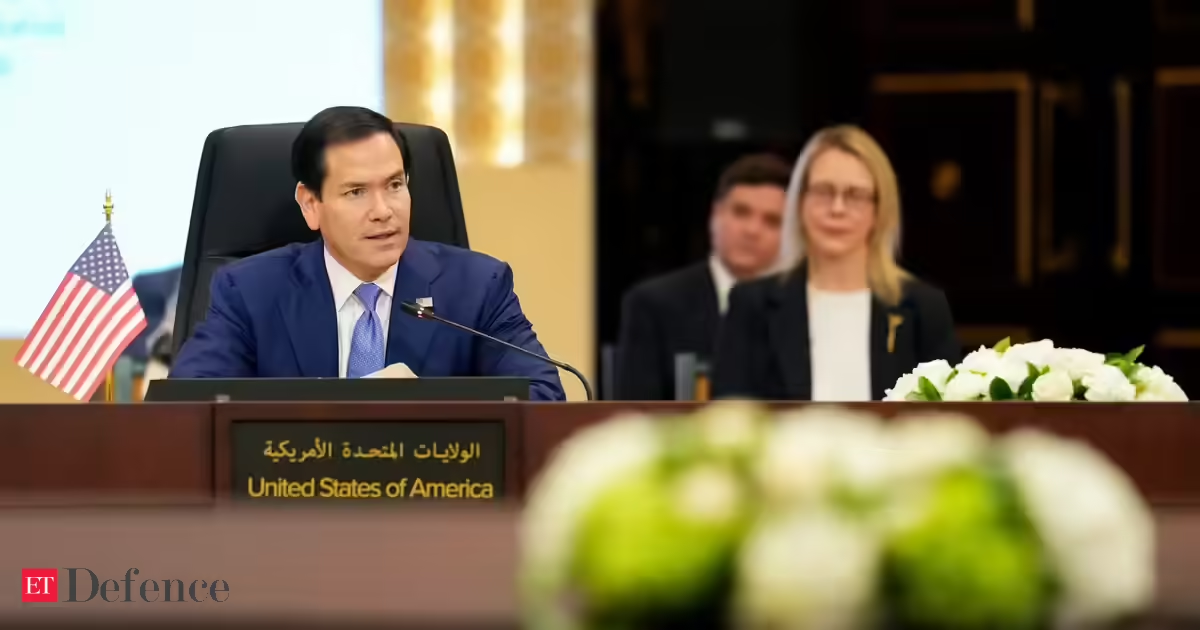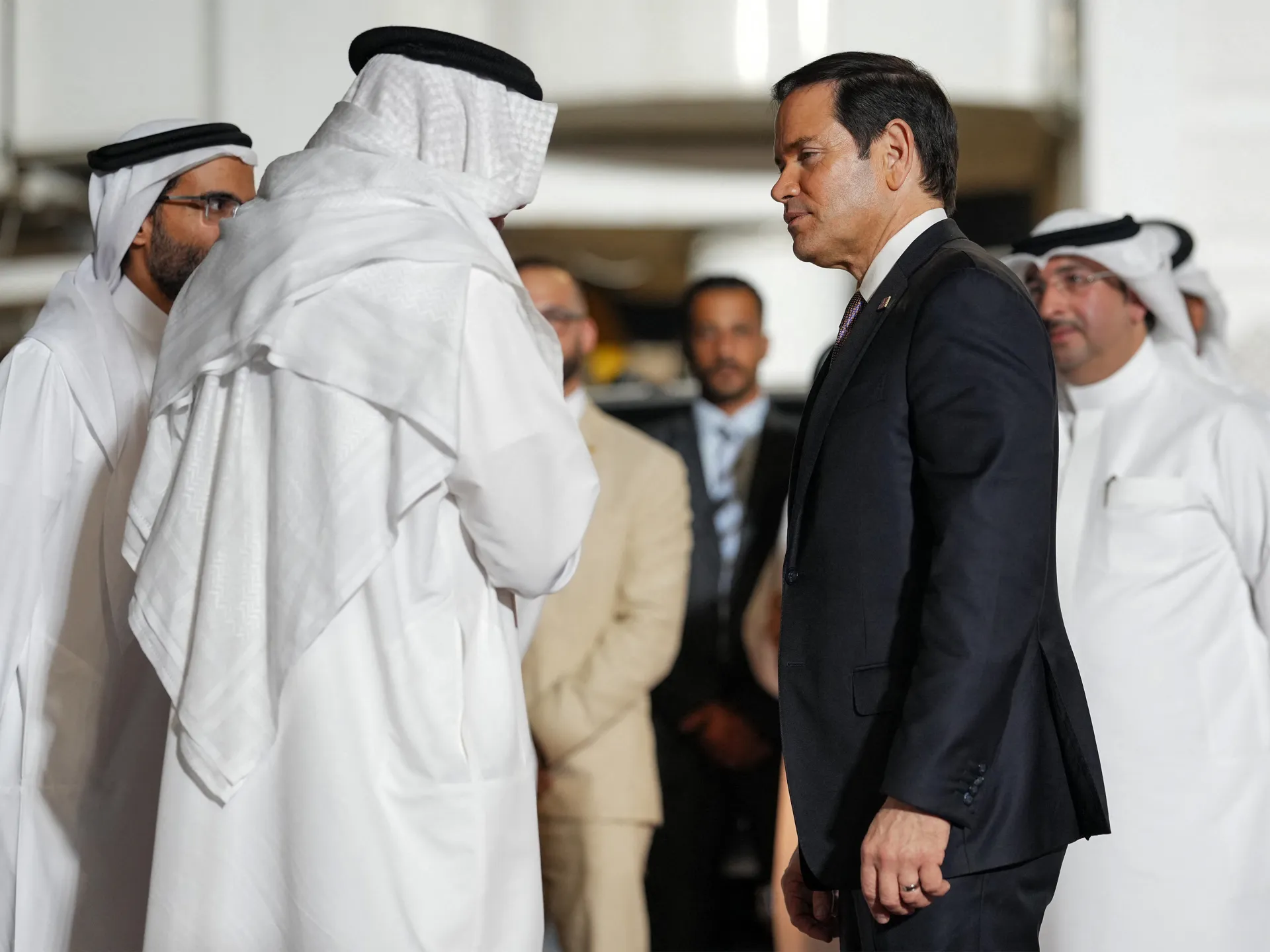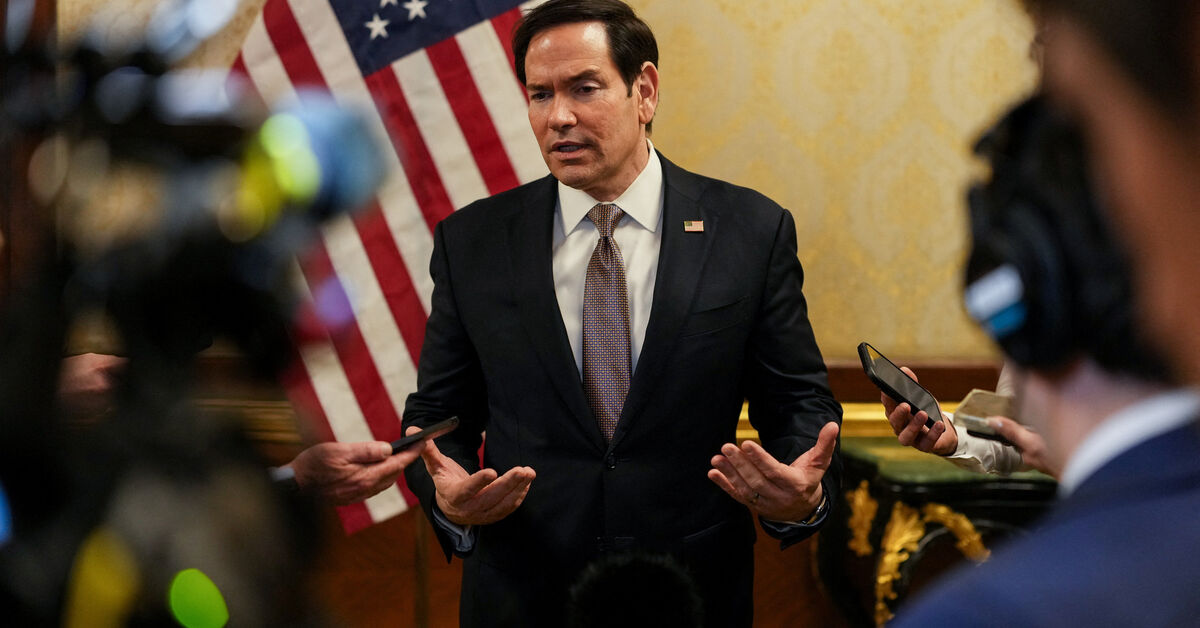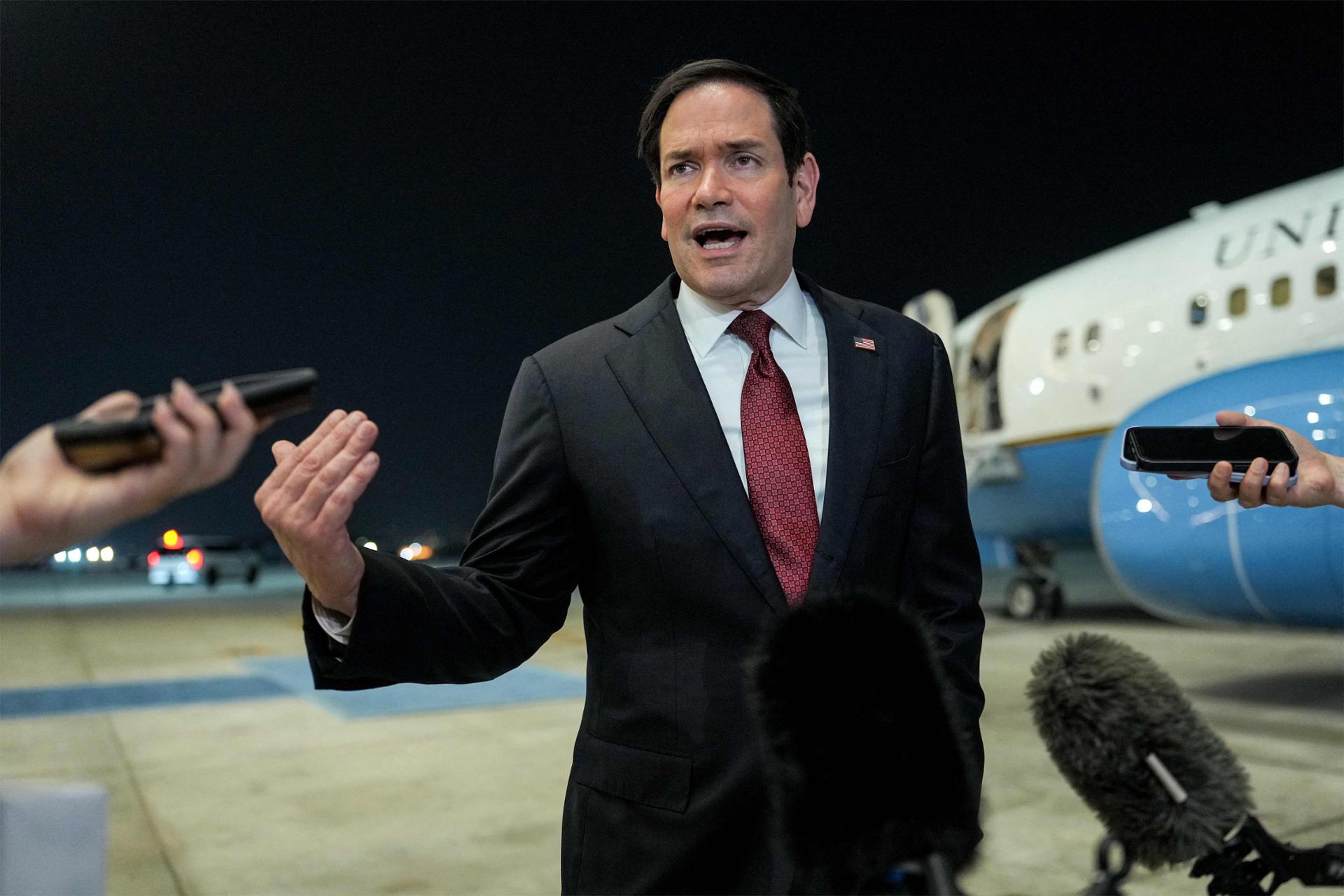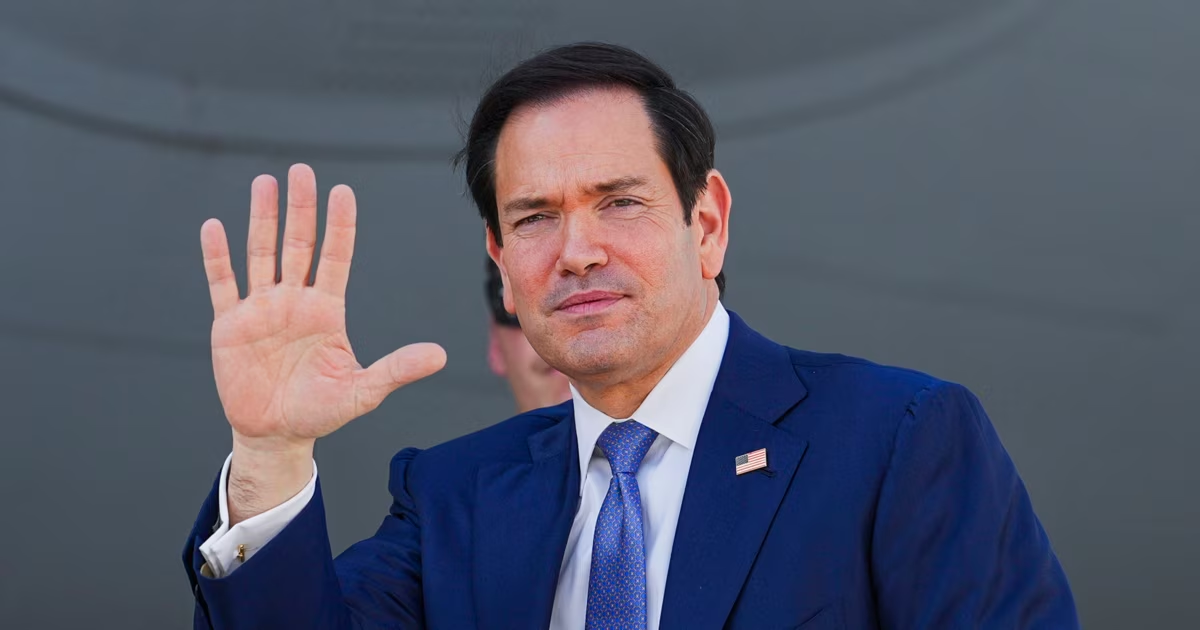
MANAMA -- US Secretary of State Marco Rubio wrapped up a three-day swing through the Persian Gulf on June 25 with messages aimed at reassuring Washington's allies in the region, reaffirming an intention to pursue diplomacy with Iran, and insisting on freedom of navigation through the Strait of Hormuz.Speaking after a ministerial gathering of the Gulf Cooperation Council (GCC) in Bahrain, Rubio sought to calm anxieties over the emerging US-Iran framework, insisting that regional partners would be kept informed “every step of the way” as negotiations move forward.The trip, his first to the Gulf since the interim US-Iran accord was signed last week, underscored both the fragility of the proposed peace process and the unease among Arab allies still reeling from Iranian strikes during the war.No Surprises For Allies“It's important to point to a couple of things that are a priority to us. For while we want a deal, we don't want a deal at any price. We want a deal that's good,” he said during the meeting of the GCC -- which comprises Bahrain, Kuwait, Oman, Qatar, Saudi Arabia, and the United Arab Emirates (UAE).“We want to ensure that (in) any decisions that are made throughout this negotiating process, the interest of our partners and our allies in the region are always taken into account,” Rubio said.Rubio’s central message throughout the Gulf tour was one of reassurance: any final understanding with Tehran would have to address not only nuclear issues, but also Iran’s proxy network, ballistic missile activity, and maritime threats.Speaking to reporters in Manama, Rubio said Iran’s backing of armed groups across the region would have to be addressed in any broader negotiations.“When you’re giving money, for example, to Hezbollah to act as a rival to the sovereign government of Lebanon, you’re interfering in their politics. When you’re sponsoring militias in Iraq, you’re interfering in Iraq. When you’re sponsoring Hamas or the Houthis, or whoever it may be, you’re interfering in the sovereignty of these countries,” Rubio said.He added: “You’re not going to have peace and stability in this region as long as there are non-state actors operating within the boundaries and borders of sovereign countries and being funded by Iran.”The comments addressed one of the Gulf states’ biggest fears: that Washington could strike a narrow nuclear bargain while leaving them exposed to renewed proxy warfare.The memorandum of understanding (MOU) signed by US President Donald Trump and his Iranian counterpart, Masud Pezeshkian, makes no mention of proxy forces such as the Houthis in Yemen or Hezbollah in Lebanon. Nor does it mention Iran's ballistic missile program.Hormuz Shipping Is KeyIf there was one issue Rubio elevated above all others during his tour, it was the Strait of Hormuz.“One thing that came across very clear is there is zero support, zero support among the Gulf countries for any sort of toll or fees or anything that charges for the use of international waters,” Rubio said.He sharpened that warning later. “If you are charging money to use the straits, we won’t support it, we won’t tolerate it, we won’t allow it.”Rubio repeatedly rejected attempts to distinguish between “fees” and “tolls.”“You can call it a fee, you can call it a toll, call it whatever you want. If you are charging money to use the straits, we won’t support it.”The MOU sets out that Iran will make its "best efforts" to ensure toll-free passage through the strait for "60 days only," pending a final agreement being reached.Since it was signed, Iranian officials have repeatedly stated Iran will charge "service fees" for vessels to pass through. Efforts to assert Iranian control of the strait continued on June 25, with the Islamic Revolutionary Guards Corps (IRGC) saying vessels could only pass through Iranian waters, not the southern route through Omani waters that Washington has encouraged shipping to use.The veiled threat to shipping was dismissed by Rubio, who told reporters that Washington would judge Iran not by its rhetoric, but by whether shipping continued uninterrupted.“What we’re interested in is whether or not ships are moving,” Rubio said. “If ships are moving as they should be moving, then that’s what we’re going to judge.”But he added a warning: “If that stops, then we’re going to have a problem.”So far, shipping has risen sharply since the MOU was signed, although it is still far below prewar levels.Kpler, a commodities intelligence company, noted 70 crossings in both directions on June 24, the highest figure since March 1. The same day, maritime intelligence company Windward noted a 48 percent increase in traffic through the strait.Rubio’s rhetoric toward Iran remained hard-line even as diplomacy advances.Asked by RFE/RL what Washington would do if Iran rejected US terms on Hormuz or nuclear restrictions, Rubio stressed the administration was still committed to negotiations.But he paired it with a warning. “If it doesn’t work out, the president knows what his options are.”
Rubio Wraps Up Gulf Tour With Message To Reassure Regional Allies
US Secretary of State Marco Rubio wrapped up a three-day swing through the Persian Gulf on June 25 with messages aimed at reassuring Washington's allies in the region, reaffirming an intention to pursue diplomacy with Iran, and insisting on freedom of navigation through the Strait of Hormuz.
808 words~4 min read