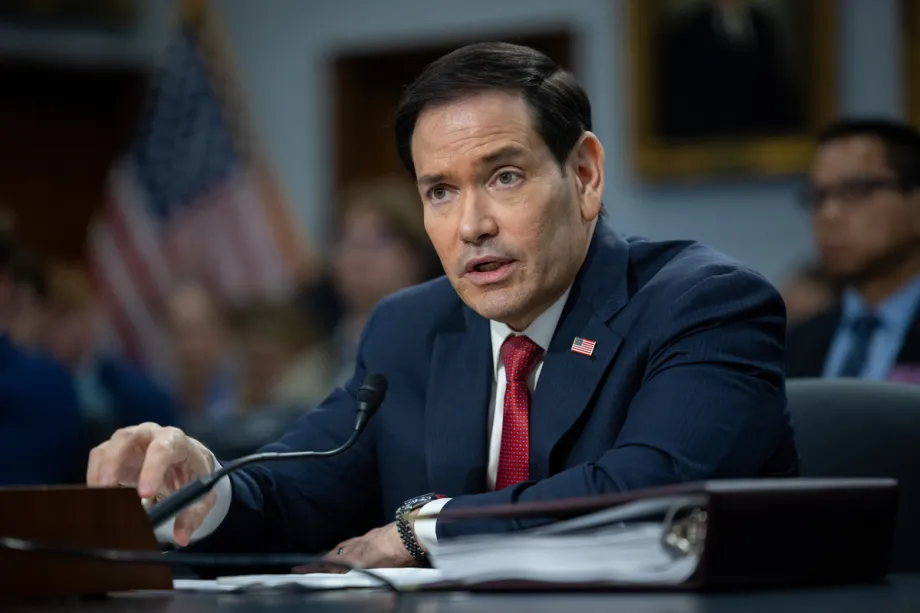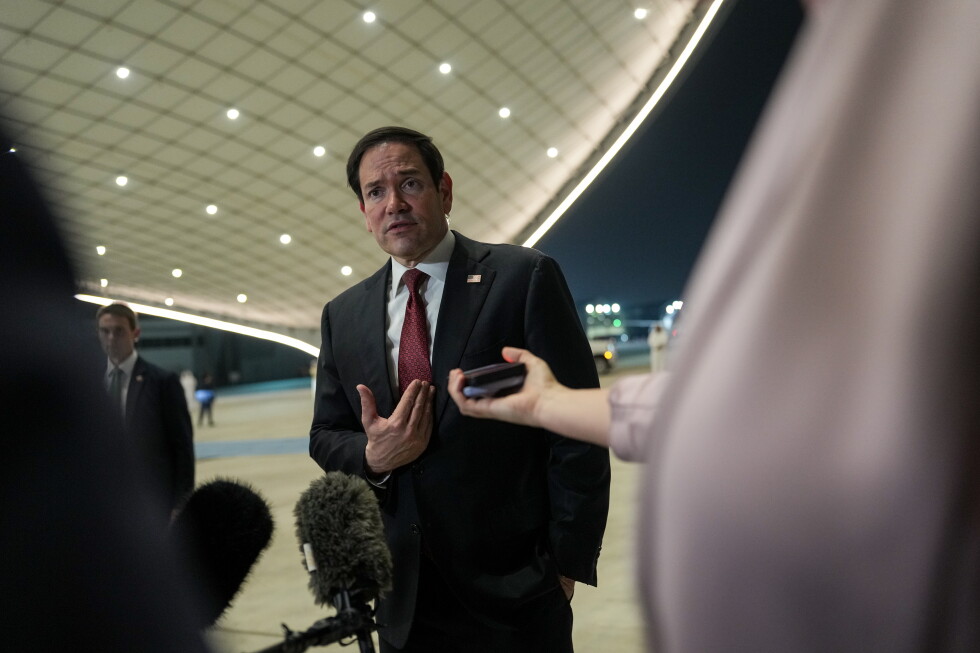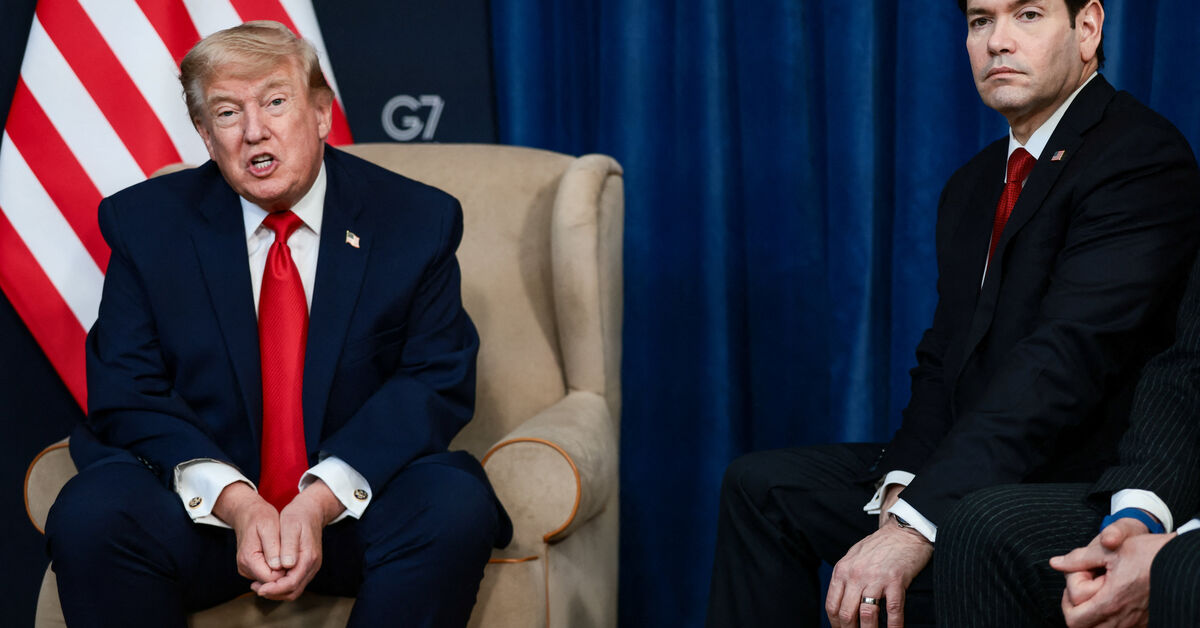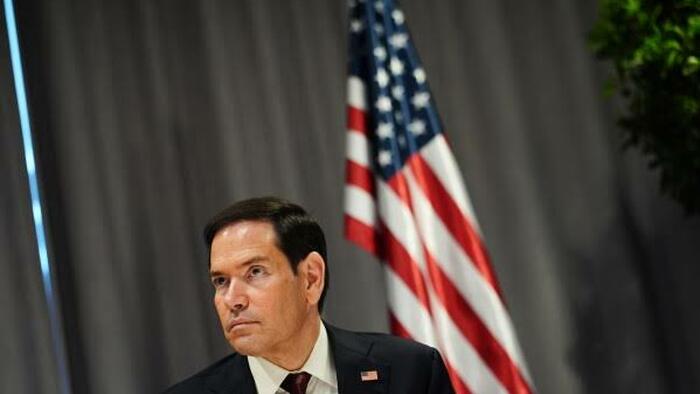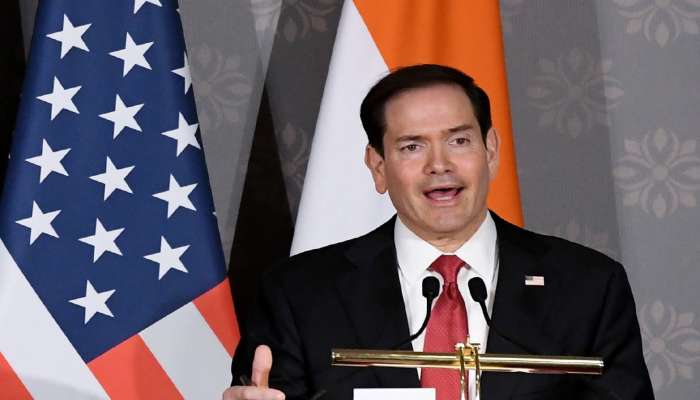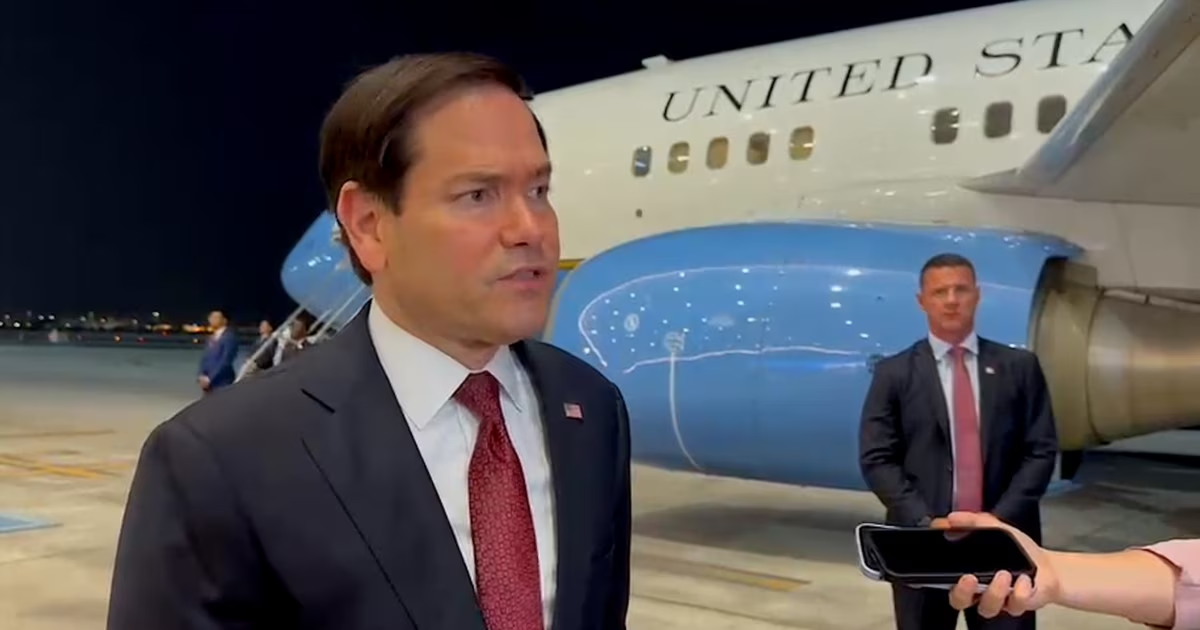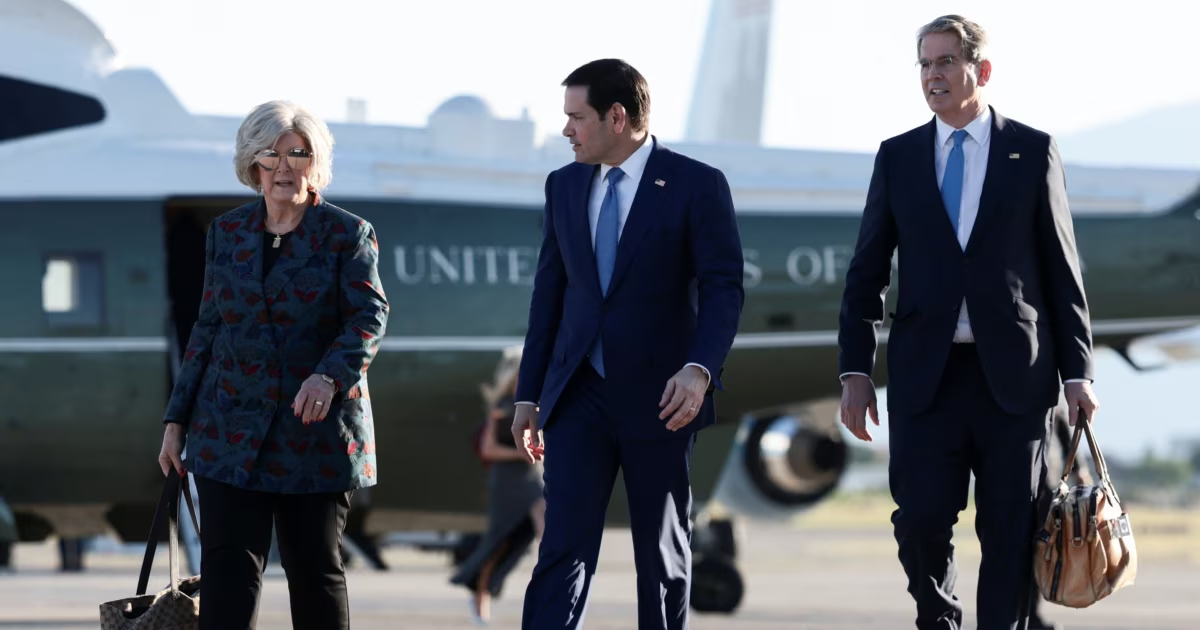
WASHINGTON -- US Secretary of State Marco Rubio will travel to the United Arab Emirates, Kuwait, and Bahrain this week on his first official visit to the Gulf since the outbreak of the Iran war and just days after Washington and Tehran signed a framework agreement aimed at bring peace to the region.The diplomatic mission to reassure regional allies of the Trump administration's strategic trajectory with Tehran will also look to reinforce security protocols around the volatile Strait of Hormuz.The June 23–25 tour occurs at a critical juncture for US foreign policy: It follows intensive weekend negotiations in Switzerland that Vice President JD Vance described on June 22 as having established a "good foundation for a successful final deal" to conclude the Middle East conflict.
State Department spokesman Tommy Pigott confirmed Rubio will discuss "regional priorities including the memorandum of understanding with Iran, efforts to secure full and free safe transit through the Strait of Hormuz, and the importance of peace and stability in the region."The high-stakes trip underscores the Trump administration's broader effort to translate tentative diplomatic breakthroughs into durable security guarantees for Gulf partners, many of whom remain deeply skeptical of Tehran's long-term compliance despite recent de-escalation.Balancing Diplomacy And DeterrenceRubio's Gulf itinerary is designed to advance parallel objectives: consolidating the diplomatic momentum generated in Switzerland while preserving the regional security architecture.During the weekend talks, Vice President Vance indicated that Washington is exploring confidence-building measures to maintain momentum. Notably, the United States could consider unfreezing select Iranian assets exclusively for the purchase of American agricultural commodities, specifically soy, corn, and wheat -- a move that would target humanitarian relief while maintaining core economic leverage. Concurrently, Tehran has agreed to readmit UN nuclear inspectors, signaling a mutual intent to restore baseline verification mechanisms after months of direct confrontation.