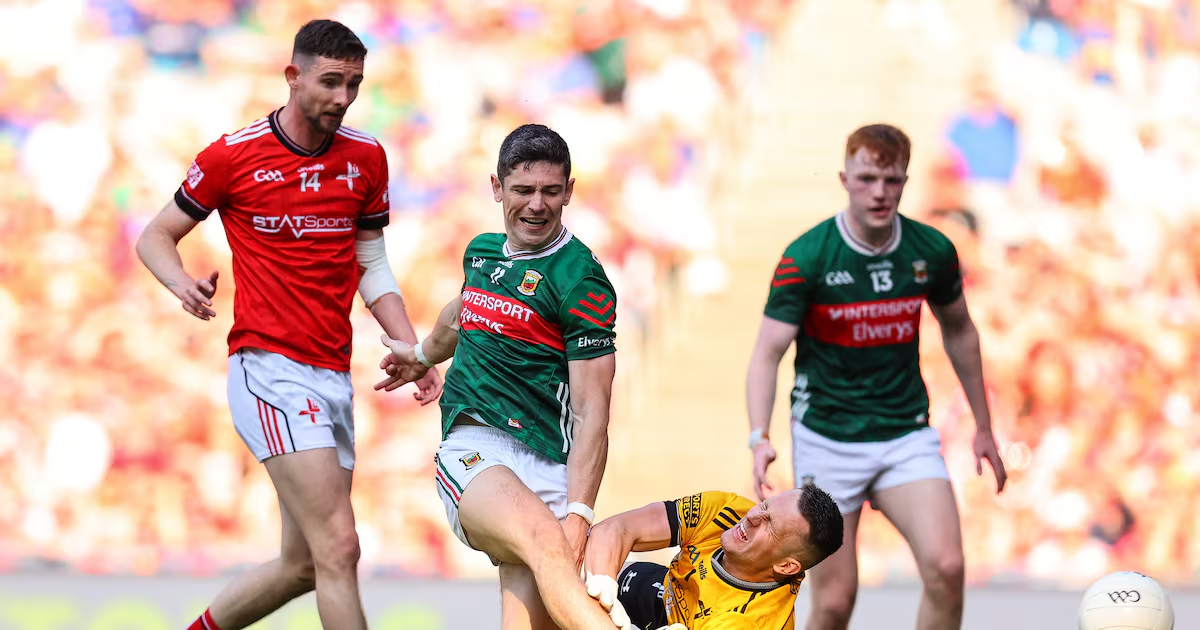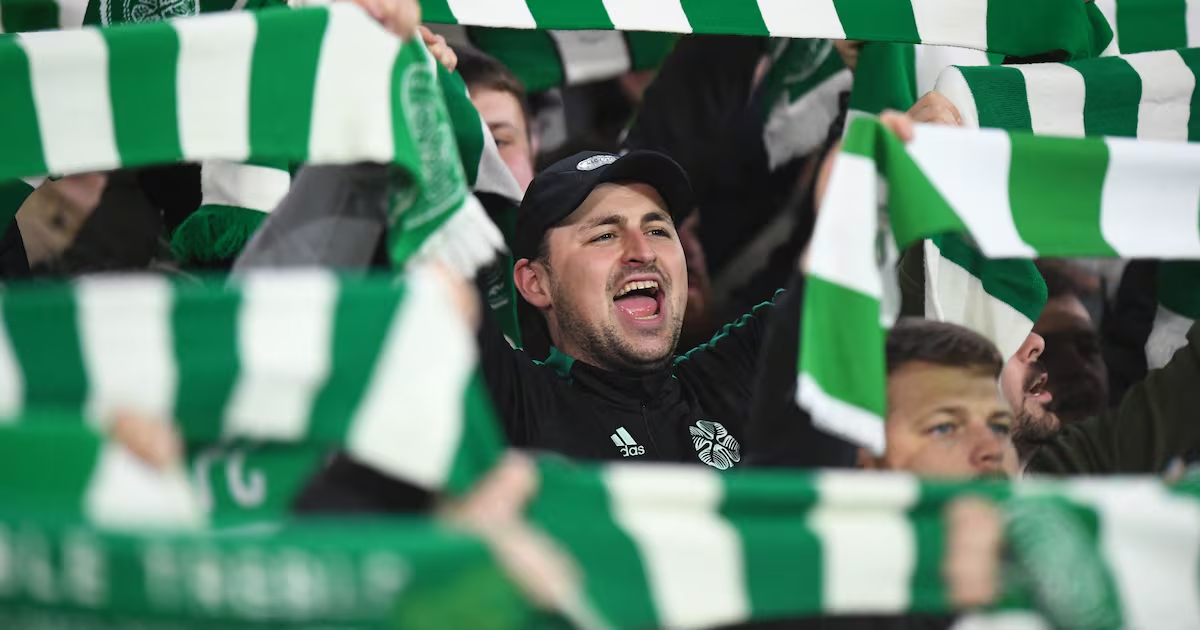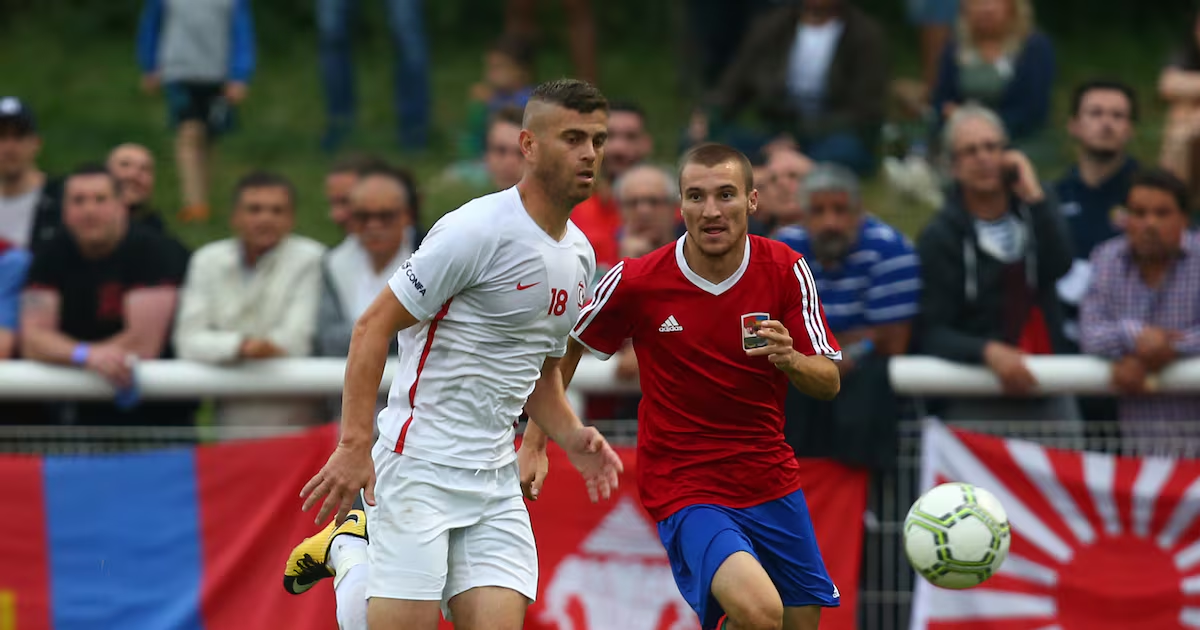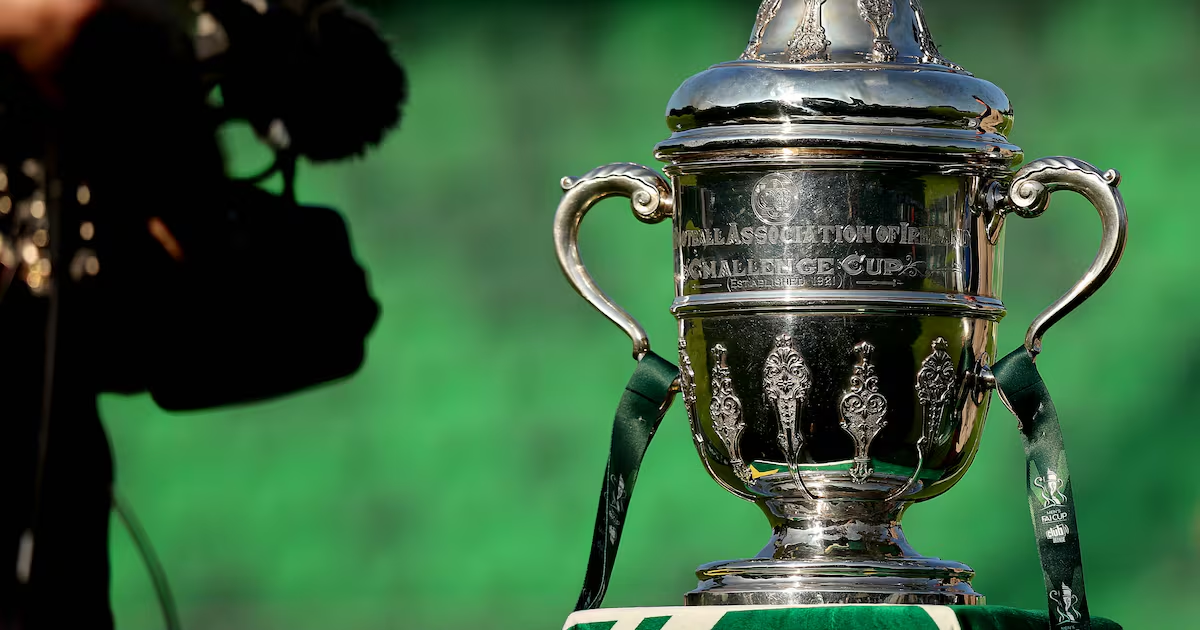
Welcome home, Pico. We have made you a national icon for your World Cup endeavours – just don’t expect us to screen your local return to club action in the Champions League. For once again the summer’s broadcasts of European qualifier matches involving Irish clubs have been restricted to streaming platforms. While these are an adequate fan service, streaming does not reach the bandwagon fan to whom every Irish sport should pander. That is television’s power, and with the men’s GAA championships ending before July is out, Irish sides in European competition have a golden opportunity to own a few empty weeks. They can’t do so off-Broadway on the LOITV stage.We have this argument every year, with concessions largely dependent on whether RTÉ’s budget and schedule have been dominated by a major tournament. But there are other broadcasters beyond RTÉ, so the solution is the final resort of compulsion. Uefa should make it mandatory for any Champions League rights holder to broadcast the qualifying rounds of their domestic champions. Such a stipulation would be unnecessary in most of Uefa’s member nations, but Irish football is not like most of Uefa’s member associations.If any of our European friends and partners are wondering what it is that makes Irish football unique, they need to look no further than the saga around the game that was not played on the same day as the World Cup final. Cork amateur club Ringmahon Rangers were handed a home draw with Bohemians in the second round of the FAI Cup last weekend and, given Bohs are currently involved in the European competitions you won’t see on TV, the game had to be played on Sunday. The FAI also told Ringmahon that their home grounds weren’t suitable; with Turner’s Cross unavailable, they alighted on Cobh as their next-best option before withdrawing and handing Bohs a walkover. Ringmahon said they were worried about reduced attendance and player availability because of Cobh’s distance from their home ground and a scheduling clash with the All-Ireland hurling final. The decision was made before the Galway hurlers ended Cork’s summer. So despite the fact that Bohemians offered to play the game at Dalymount Park and give Ringmahon a larger slice of the gate receipts – while also allowing them to pick a kick-off time that was most conducive to getting to Croke Park on the same day – Ringmahon conceded the tie. To round it all out, after Cork were beaten by Galway, Ringmahon posted an ad online looking for a friendly opponent for July 19th, saying they were willing to travel. The FAI fined them €5,000, banned them from the FAI Cup for five years and the Intermediate Cup for three years, the competition in which they have been runners-up in each of the last two seasons. The whole episode neatly distils many of Irish football’s mismatched ingredients. One is the sport’s eternal facilities crisis, given the only suitable and available venue was 20km away from Ringmahon’s home ground. The story also exposes the disconnect between amateur and professional football in Ireland. Ask yourself, would a part-time club in England withdraw from an FA Cup tie away to a Premier League club? Of course not. But the Irish game is not so rich and not so unified, so the FAI Cup is not necessarily seen by all as the pinnacle of the sport. [ Ringmahon Rangers given five-year ban from FAI Cup for walkover against BohemiansOpens in new window ]Ireland is the only one of Uefa’s 55 member associations operating different season schedules at different levels, and while Bohs are in the middle of their summer season, Ringmahon are preparing for the start of their winter season. These imbalances have contributed to making a joke of the early rounds of the FAI Cup: League of Ireland sides have won all 25 ties against non-league clubs since 2024, on an aggregate score of 103-7. The FAI did vote to move everyone to a summer season at the end of 2024, at which president Paul Cooke told delegates they had “changed the face of Irish football”. That face is looking familiarly downbeat again. The FAI legislated for a delay to the mandatory implementation of the calendar change following a rebellion from some leagues, and new director of football John Martin said in May that he would not be mandating the move. In other words, it has been shelved. The FAI had previously insisted the change was necessary so that everyone could play more football, figuring that it was cheaper to play under the sun than lay the country with astro turf resistant to the winter weather. They have since decided they would rather take on the Irish rain than some of the delegates who screamed objection out of a concern they could lose players to clashes with Gaelic games. Pair this with Ringmahon’s withdrawal from a cup tie that was not even guaranteed to clash with their county’s appearance in a hurling final and you will realise that, though the Ban’s official barricades have long been disassembled, Irish football remains hopelessly cloaked in the GAA’s long and imposing shadow.Having exited the August broadcast stage, the GAA has busied itself with sweating its Croke Park asset. Included in its schedule for next month is a friendly between Manchester United and Leeds. It will be the best-attended football match in Ireland this year, and Irish football won’t see a cent from it. This is what it feels like to lose on the swings and on the roundabouts.
Gavin Cooney: Ringmahon Rangers case shows how the GAA’s long and imposing shadow hangs over Irish footballl
Scheduling clash with World Cup and All-Ireland hurling finals left the Cork amateur side in the doghouse with the FAI
922 words~4 min read