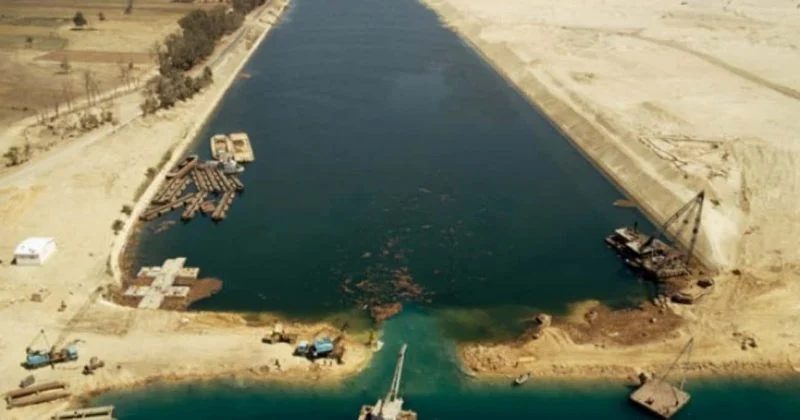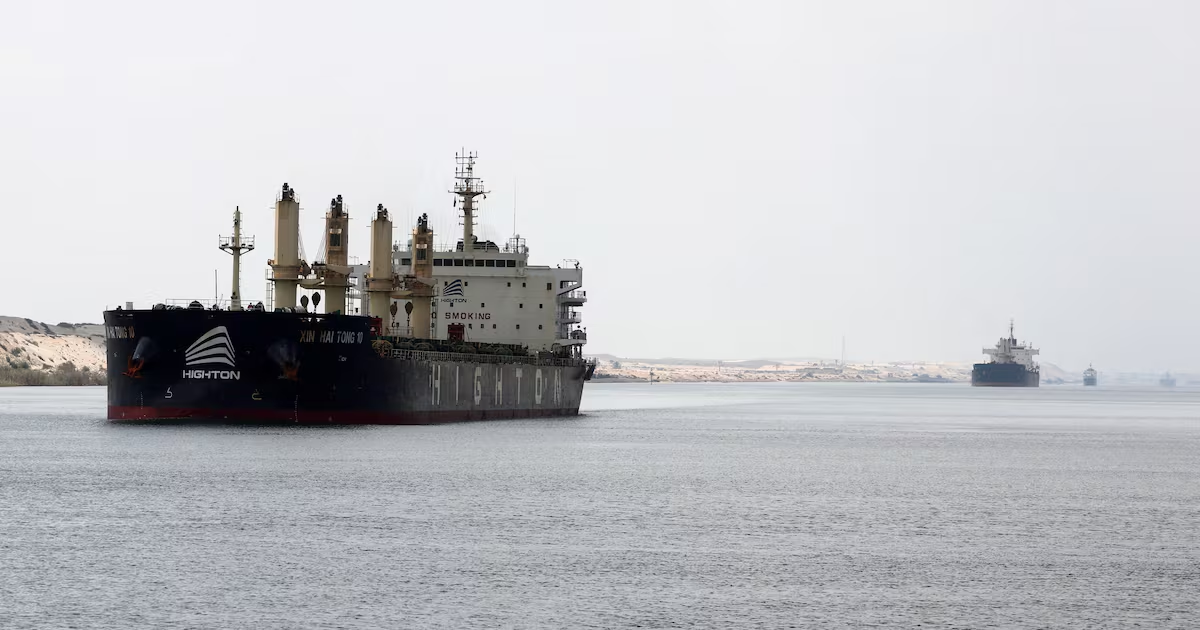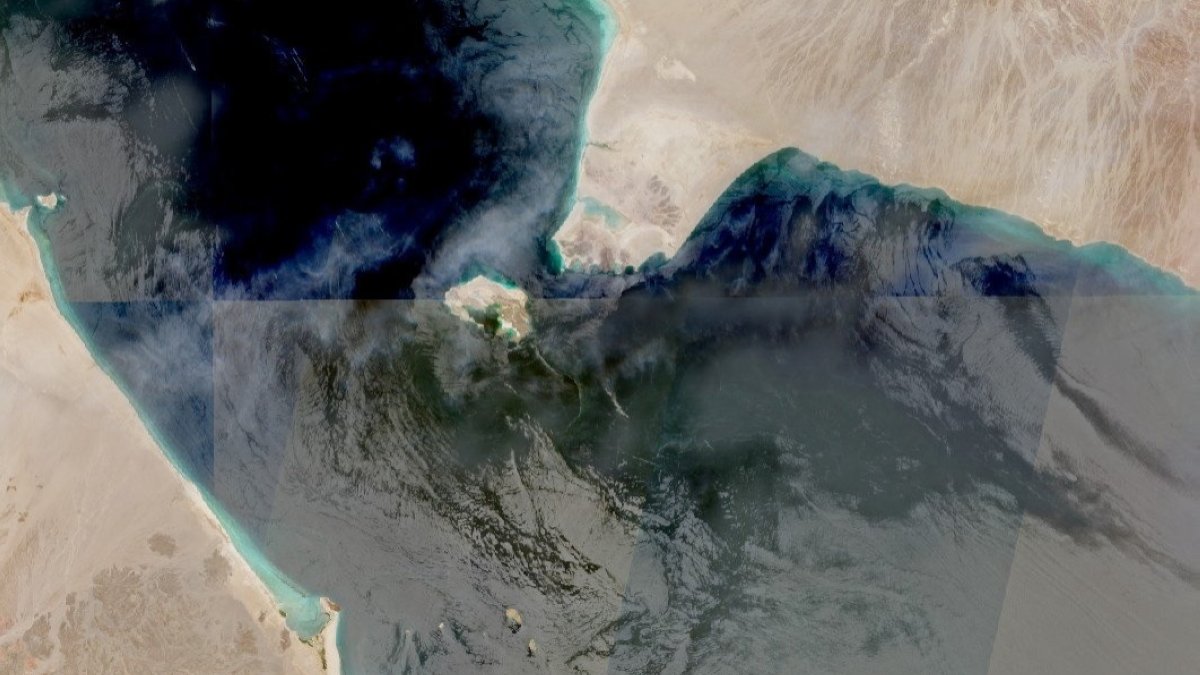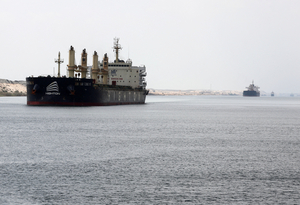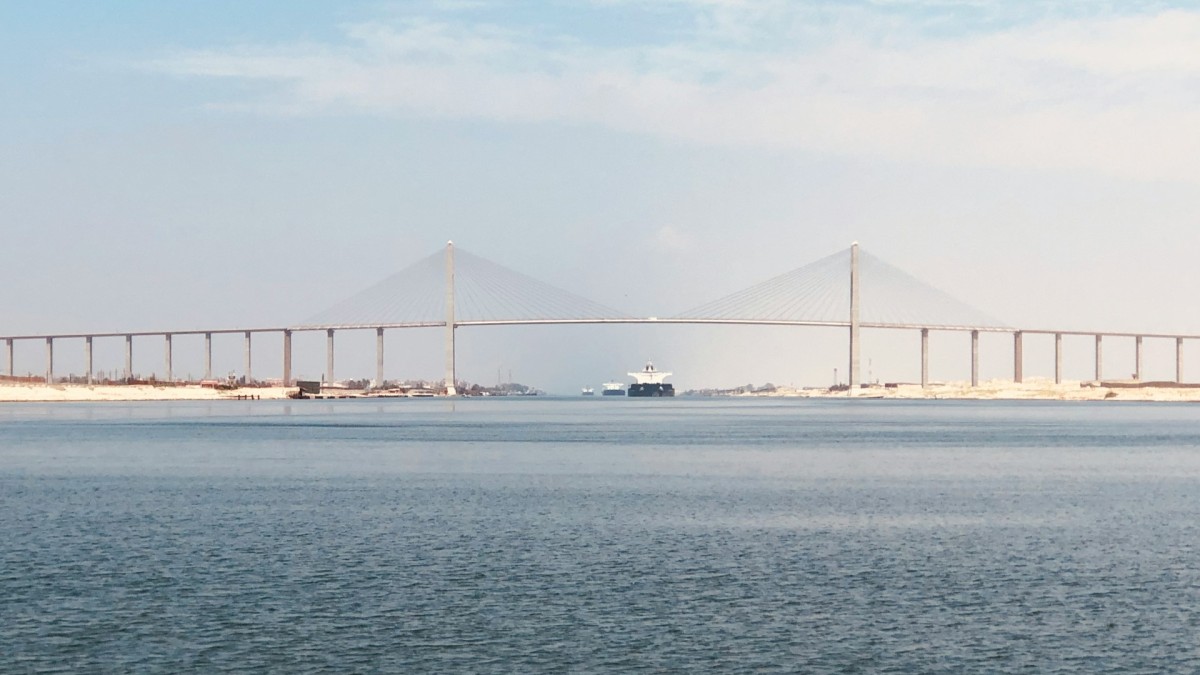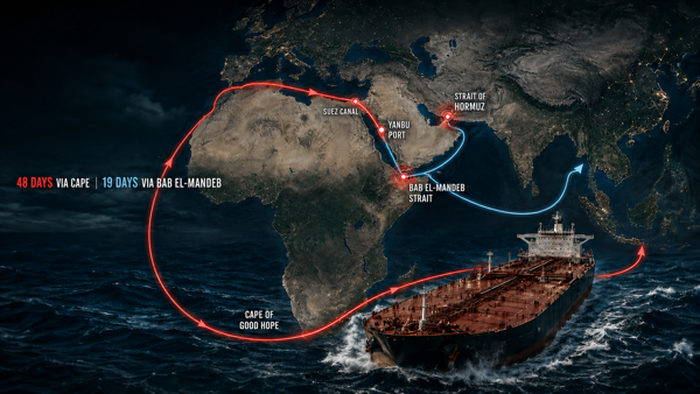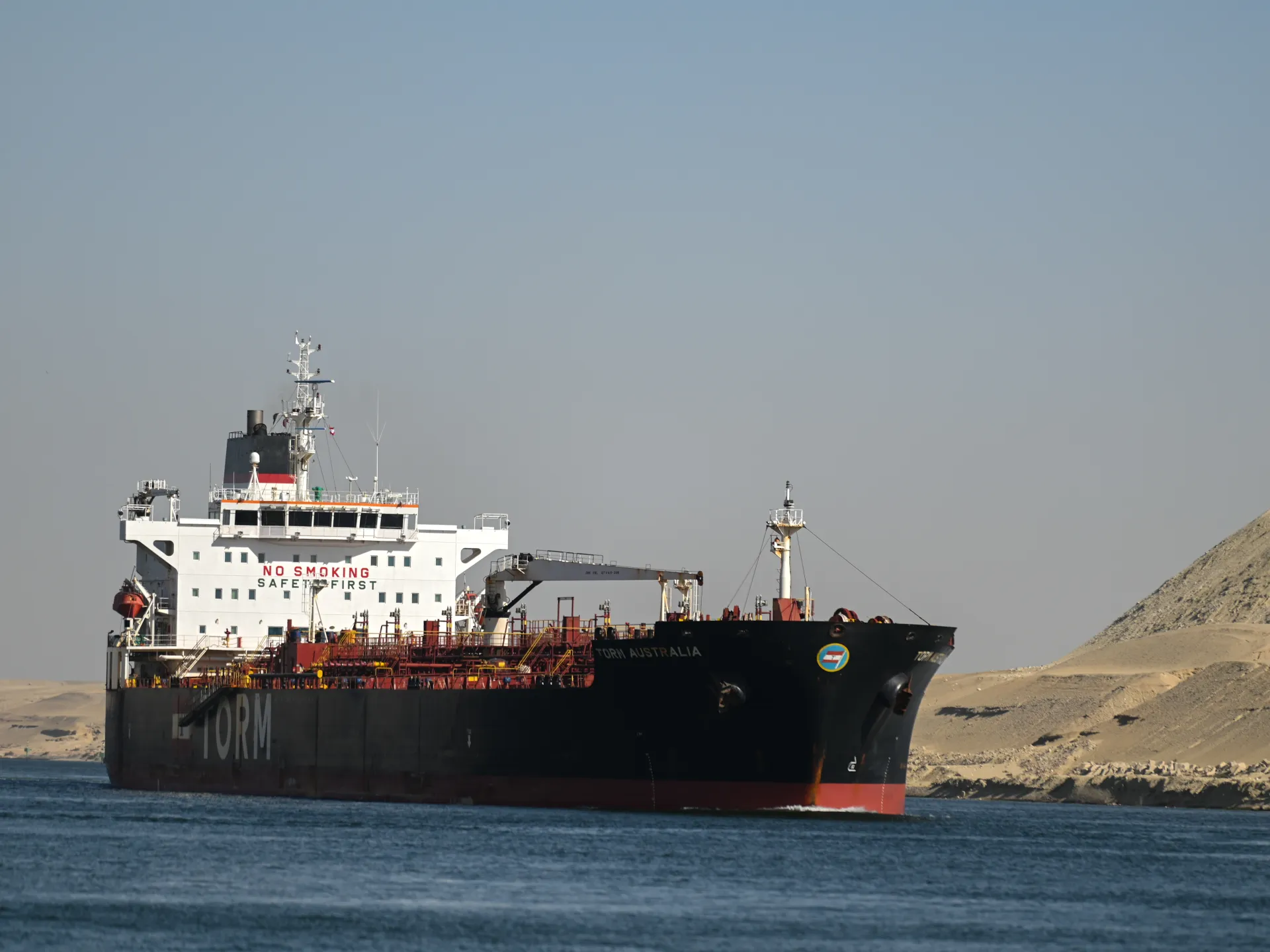
Saudi Arabia has shifted its oil exports to the Suez Canal due to significant disruptions in its traditional export routes through the Strait of Hormuz and Bab el-Mandeb. Iran and Houthi militant activities have led to these strategic chokepoints being compromised, forcing Saudi Arabia to reroute shipments from its Red Sea port of Yanbu. This development has influenced the global oil supply chain, as longer tanker routes and increased shipping costs become more prevalent. The move underscores the geopolitical tensions affecting oil supply channels in the Middle East, with potential implications for global oil prices.
Key Takeaways
Saudi Arabia’s rerouting of oil through the Suez Canal appears to suggest increased shipping costs and longer routes, consistent with supply constraints.
Market pricing indicates a potential increase in WTI Crude Oil prices, with current odds showing a rise in expectations for prices to hit $100 per barrel in July.
The disruptions in Bab el-Mandeb are consistent with a higher perceived likelihood of its closure, reflected in market odds for an effective closure by the end of the year.