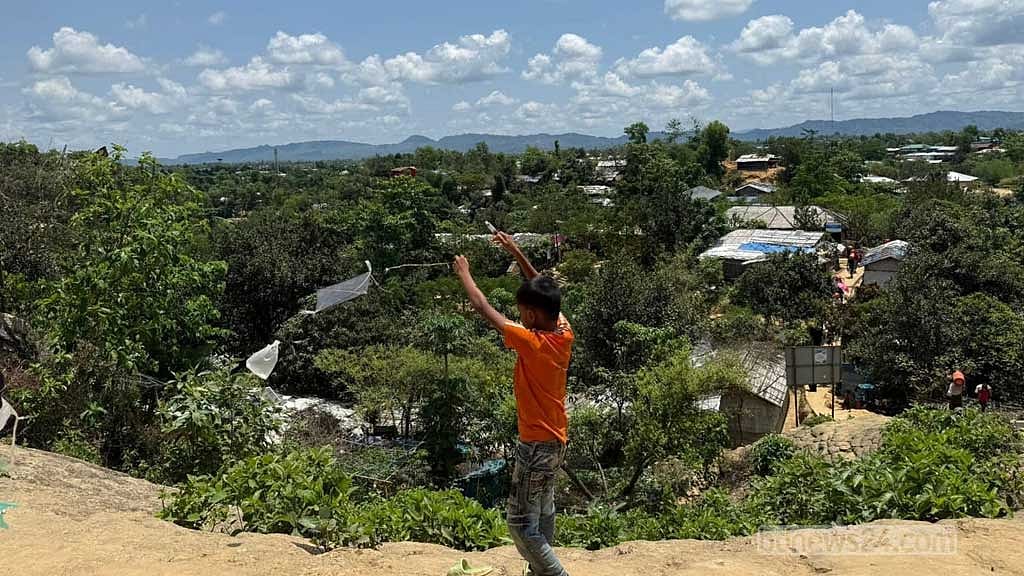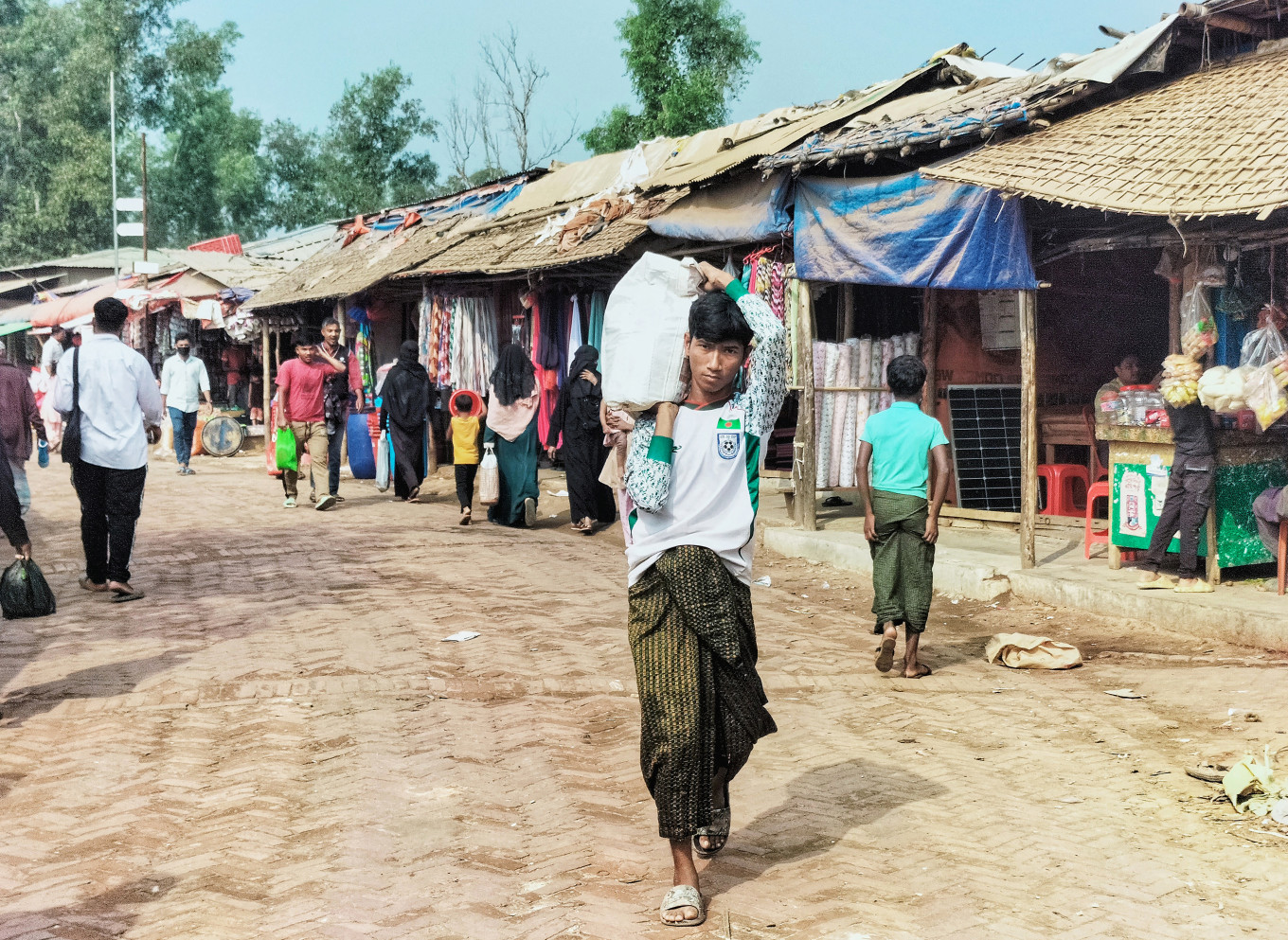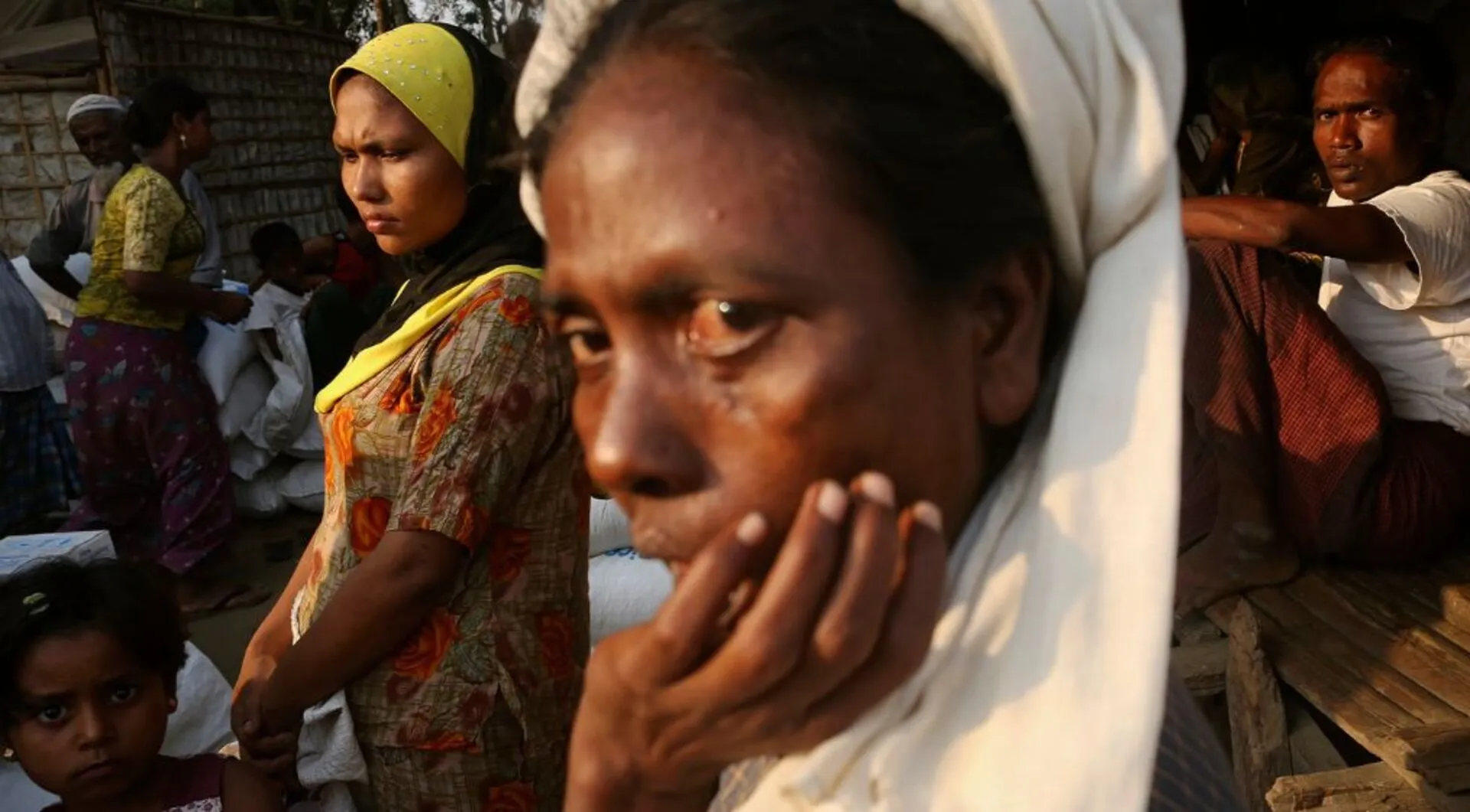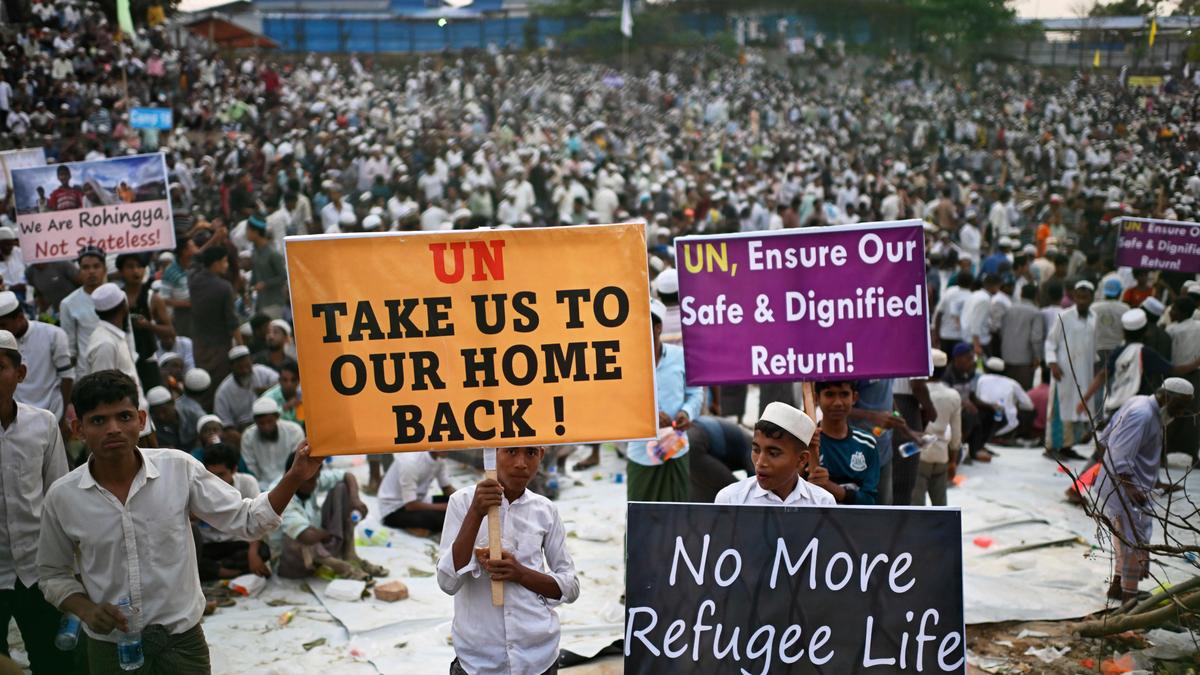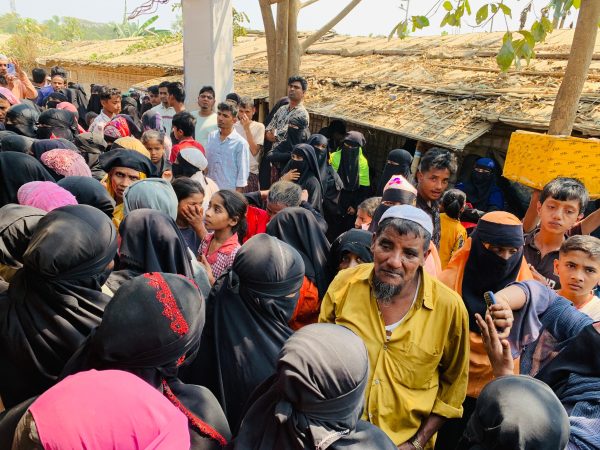
Nearly nine years after the 2017 military crackdown that forced more than 750,000 Rohingya to flee to Bangladesh, the prospect of their repatriation to Myanmar remains as distant as ever. Bangladesh recently took an important institutional step by establishing a national committee to strengthen coordination and develop a comprehensive strategy for the safe, voluntary, and sustainable return of the Rohingya. The initiative reflects Dhaka’s continued commitment to resolving one of the world’s most protracted refugee crises, after hosting more than 1.2 million Rohingya for nearly a decade.
The committee deserves recognition, but better coordination within Bangladesh alone cannot resolve a crisis the roots of which lie across the border. Rohingya repatriation is not primarily a logistical or humanitarian challenge. It is a political, legal, security, judicial, and geopolitical problem that demands structural change inside Myanmar and sustained international engagement. Until the conditions that drove the Rohingya from their homes are fundamentally addressed, large-scale return will remain unattainable.
The first and most essential requirement is the restoration of citizenship. Myanmar’s 1982 Citizenship Law effectively rendered the Rohingya stateless, stripping them of legal recognition and the rights associated with nationality. Citizenship is the foundation of freedom of movement, political participation, access to education and healthcare, property ownership, and equal protection under the law. Returning Rohingya refugees to Myanmar as stateless people, without restoring these rights, would simply recreate the conditions that enabled their persecution in the first place.