Academia
Repatriation without rights risks reproducing the very crisis it seeks to resolve.
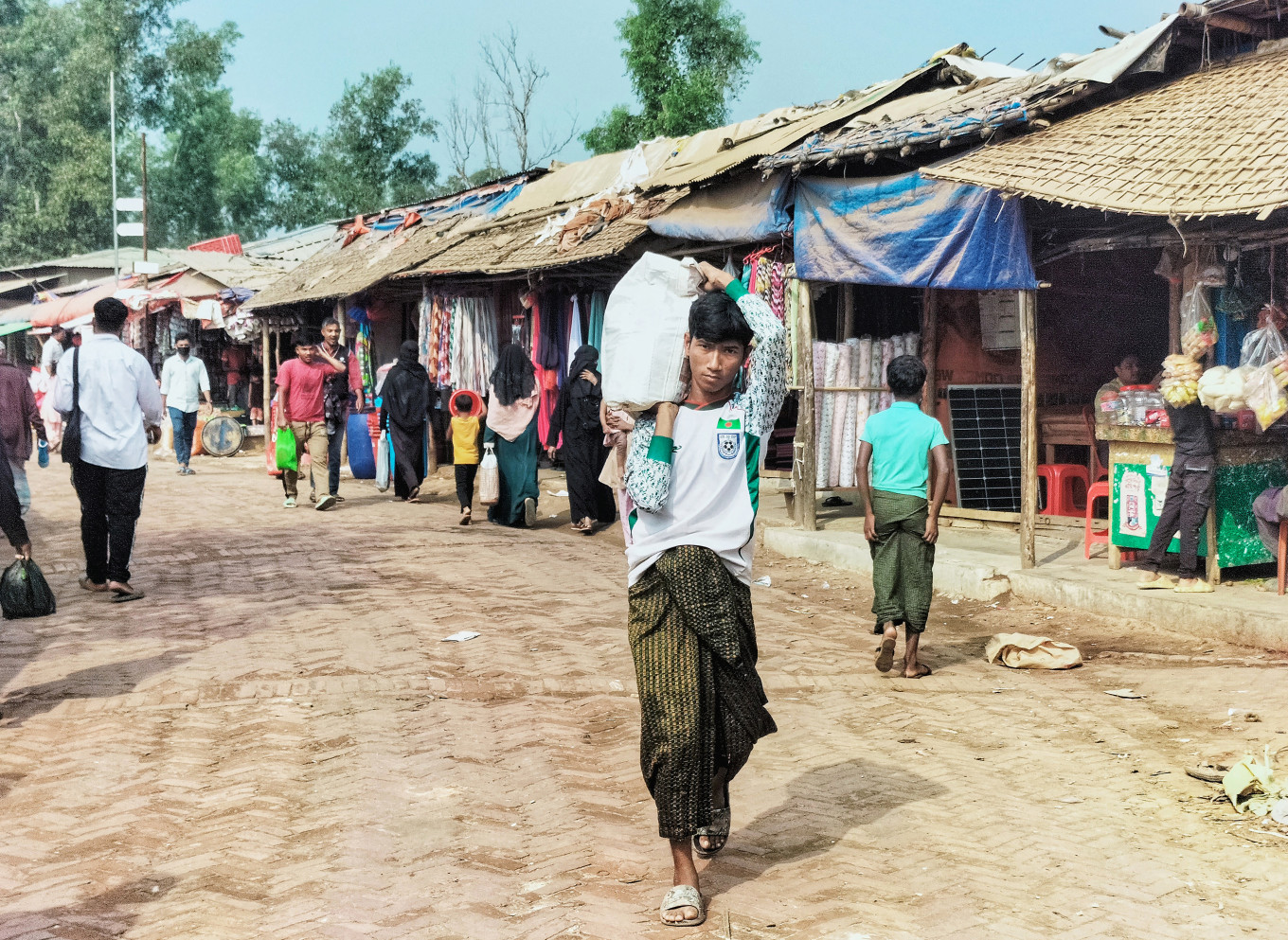
A Rohingya refugee carrying a sack walks across a market on Jan. 12, 2026, at the Kutupalong refugee camp in Ukhia, Bangladesh. (AFP/MH Mustafa)
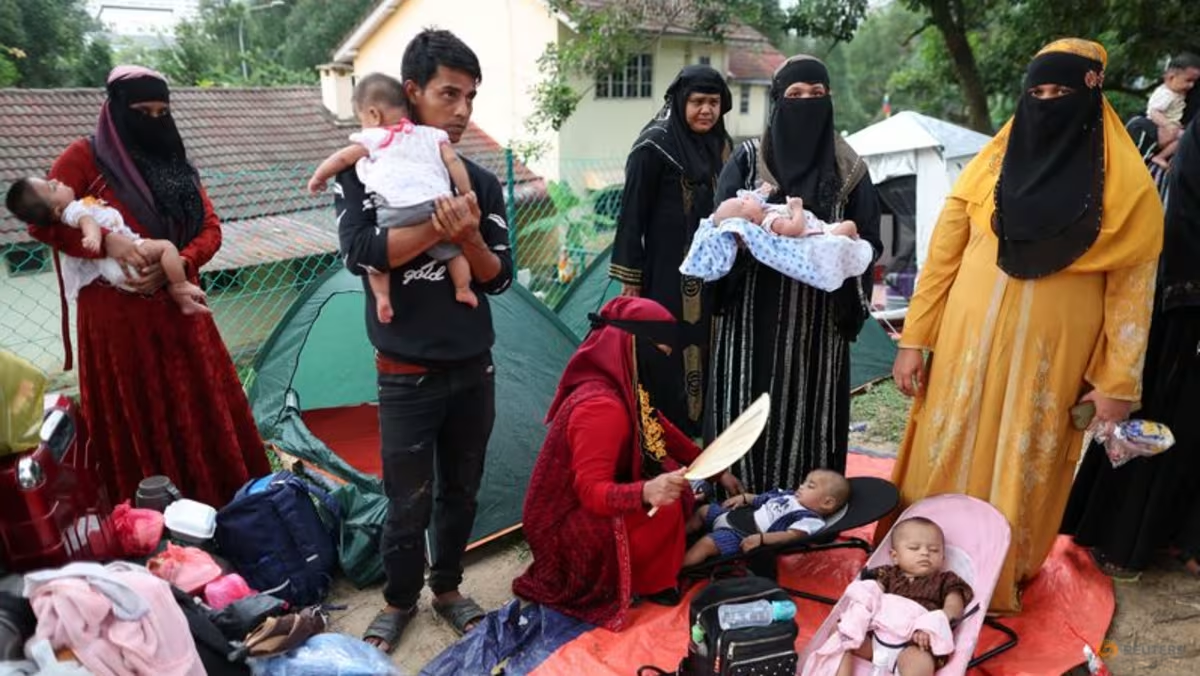
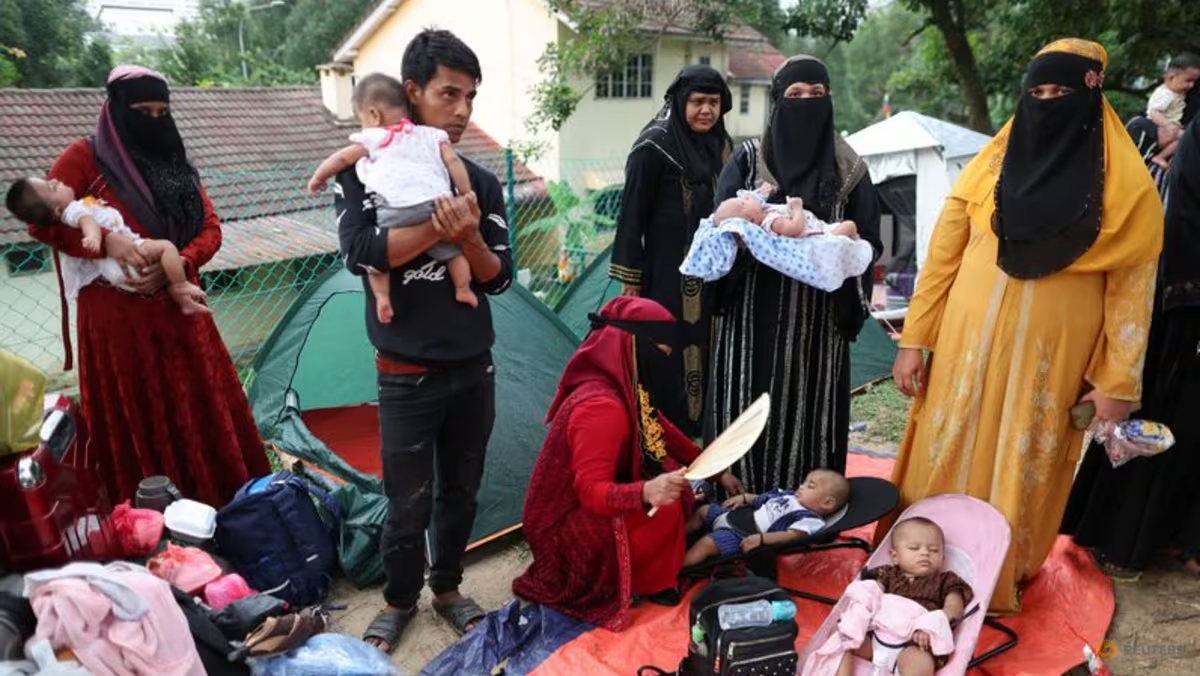
Malaysia’s announcement that Myanmar has agreed to receive 5,000 refugees currently living in the country has been presented as a diplomatic breakthrough in one of Southeast Asia’s longest-running humanitarian crises. Prime Minister Anwar Ibrahim stated on July 29 that the agreement was made possible through constructive engagement with Myanmar.So far, the proposal has been articulated almost entirely by Kuala Lumpur. Myanmar authorities have yet to publicly clarify the scope of the agreement, the legal status of returnees or the conditions they would face upon arrival.
The unanswered questions are fundamental. Will returnees regain citizenship and enjoy freedom of movement, access to education, health care and livelihood? Who will guarantee their protection from discrimination, arbitrary detention or renewed violence?