Open co-design networking underpins AMD’s Helios strategy at scale
AI infrastructure is undergoing a fundamental shift as the unit of deployment moves from the server rack to the entire data center, making open co-design networking a first-class design priority rather than an afterthought.
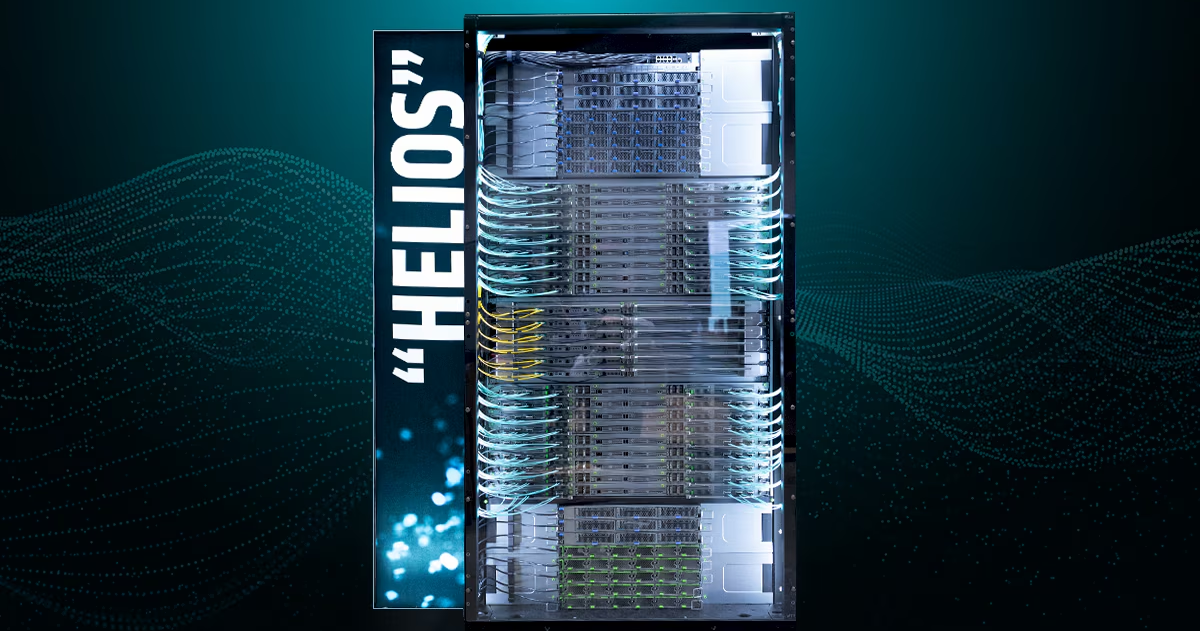
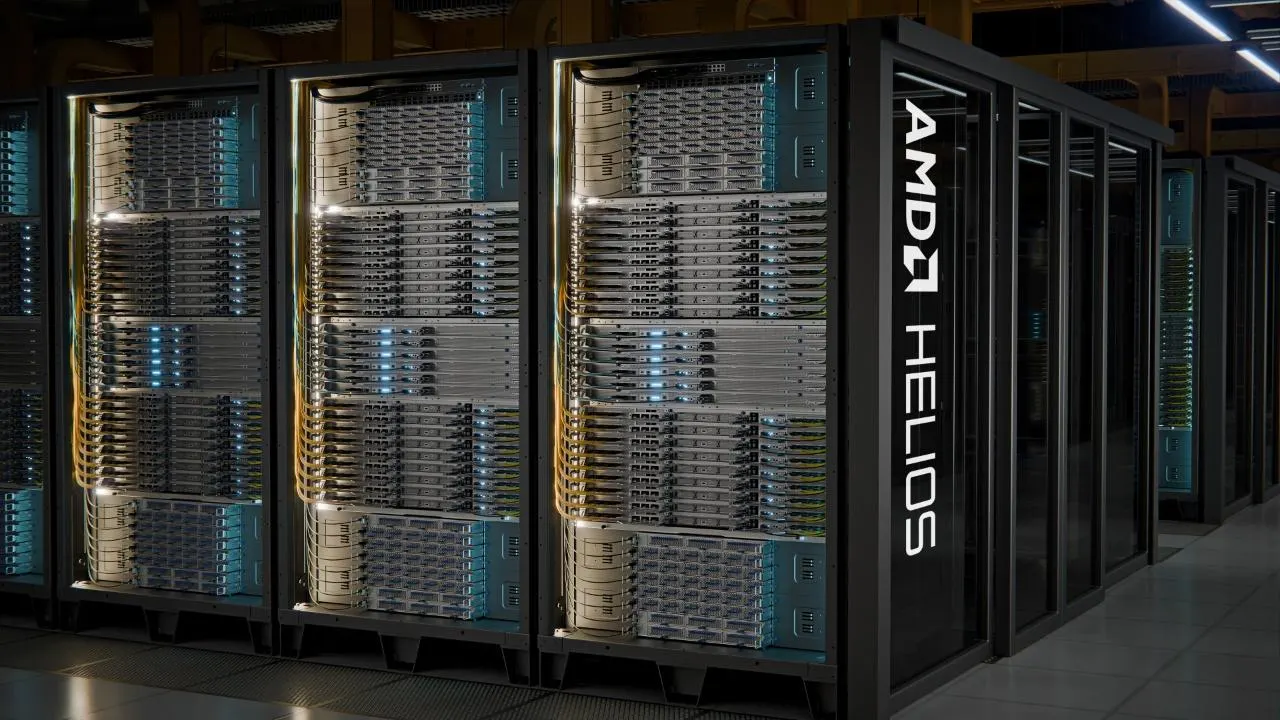
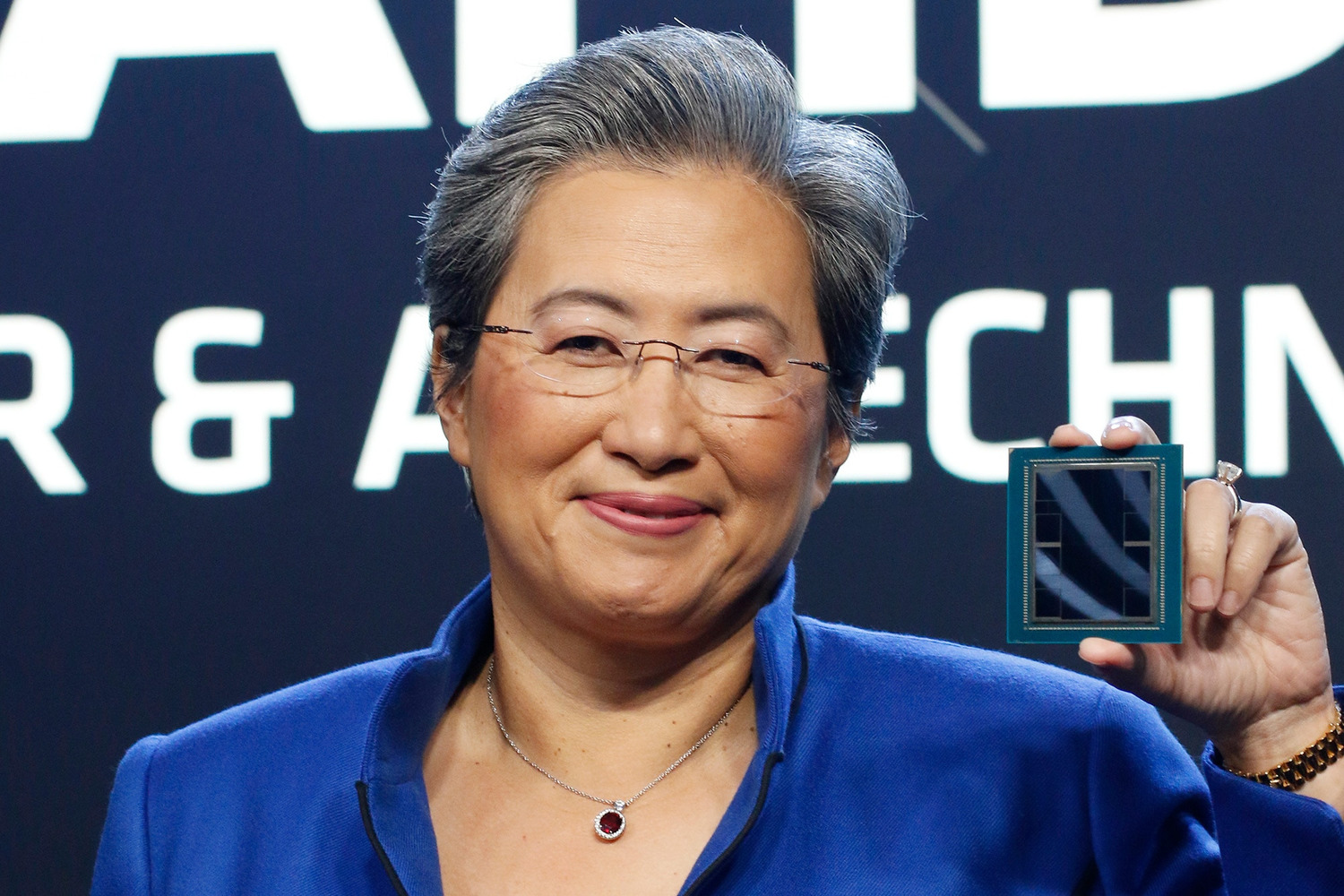
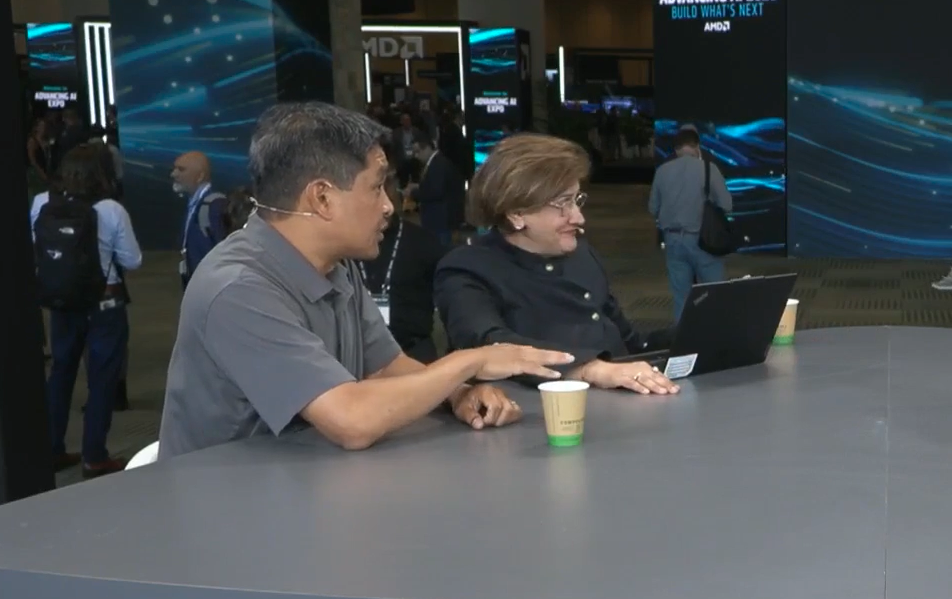
That reordering was on full display this week as Advanced Micro Devices Inc. used its Advancing AI 2026 event to argue that its Helios rack-scale platform can’t succeed without radical openness in networking. The company detailed how monthly token consumption has surged 158 times in just two years, a trajectory that is pushing network throughput, reliability and programmability to the center of AI system design, according to Soni Jiandani (pictured, right), senior vice president and general manager at AMD.
“The role of the network is only increasing because if you have to deliver these systems at scale with performance, with high availability, and this type of token consumption of 158X in two years, the network is foundational to deliver a balanced approach,” Jiandani said. “With the evolution towards these large frontier models and agentic AI, the network couldn’t be more foundational.”
Jiandani and Omar Baldonado (left), senior director of data center and AI networking at Meta Platforms Inc., spoke with theCUBE’s Dave Vellante at AMD Advancing AI 2026, during an exclusive broadcast on theCUBE, SiliconANGLE Media’s livestreaming studio. They discussed how open co-design networking underpins AMD’s Helios rack-scale strategy, the role of Ethernet in AI back-end deployments and how agentic workloads are intensifying networking demands. (* Disclosure below.)