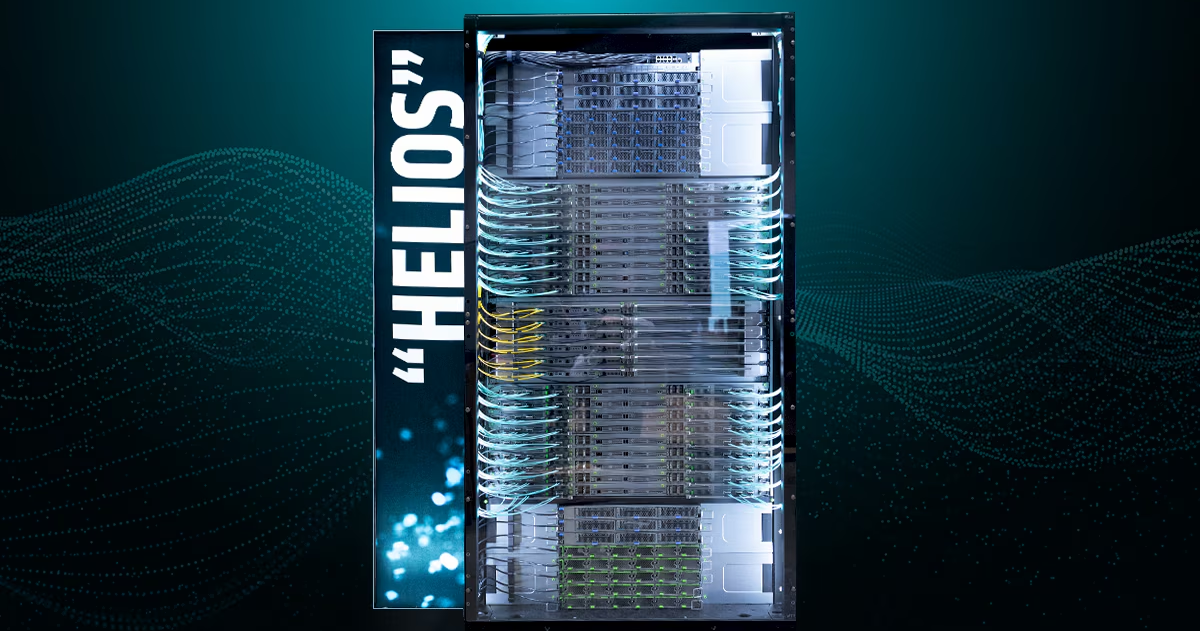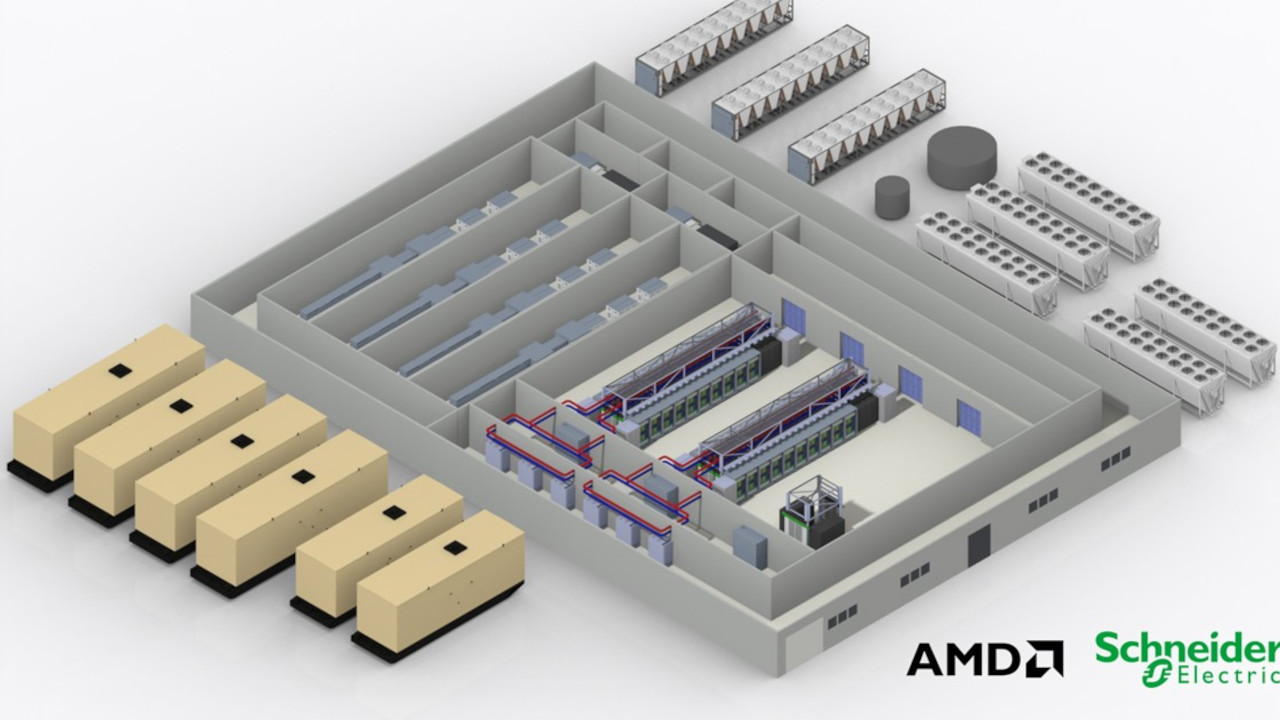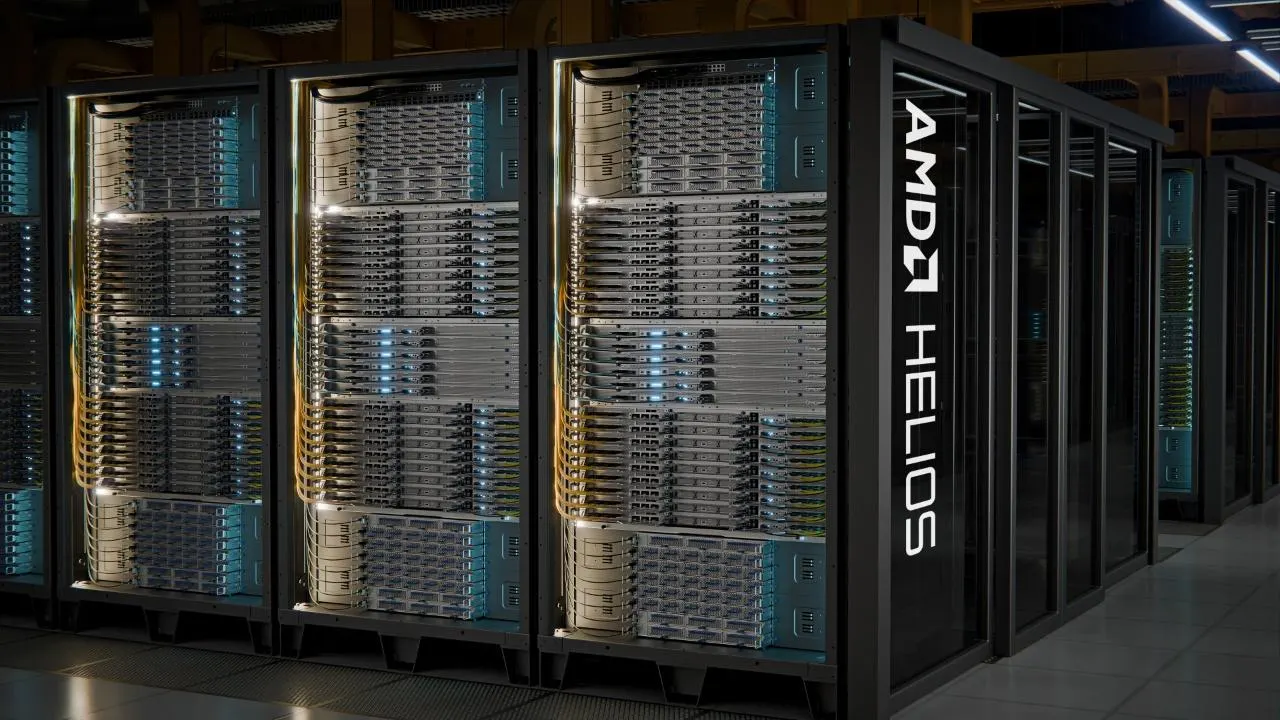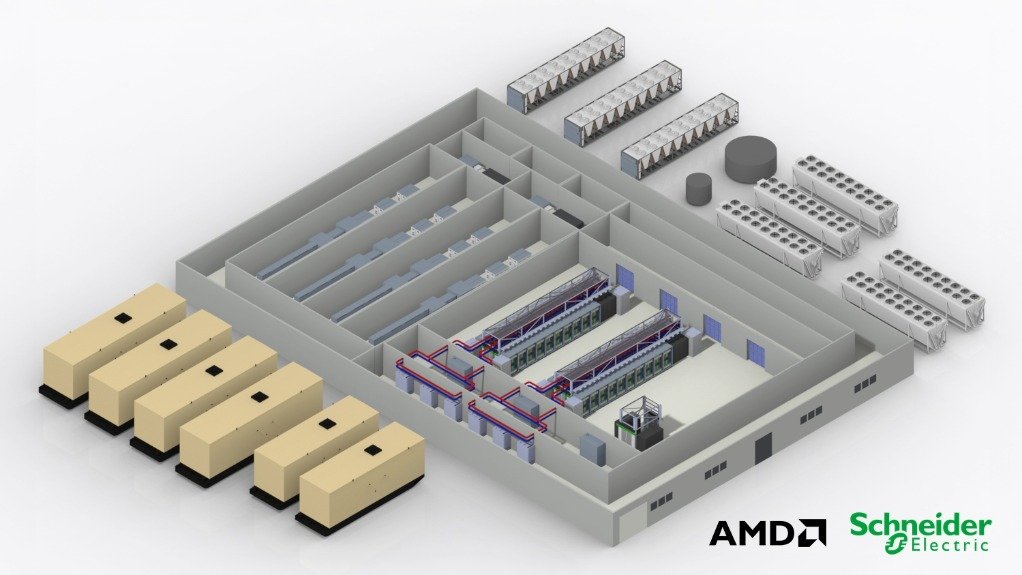
This article has been supplied.Schneider Electric, a global energy technology leader, and AMD today announced a jointly developed and validated reference design for the AMD Helios rackscale solution that provides a scalable blueprint for deploying high-density AI environments faster and with reduced risk and complexity. The reference design marks the first milestone of the collaboration between Schneider Electric and AMD and delivers upon the companies’ joint focus to create an easier path to AI Factory deployment.
The new reference design is the first ever developed to support high-density AI workloads on the Helios rackscale solution, which is powered by AMD Instinct™ MI455X GPUs, 6th Gen AMD EPYC™ CPUs, AMD Pensando™ Vulcano NICs and the open ROCm™ software ecosystem. AMD Helios is designed to deliver breakthrough AI performance through advances in compute, interconnect bandwidth, memory capacity and system-level integration, allowing customers to run larger, more complex AI workloads faster while optimizing power and efficiency.
As AI workloads push data center infrastructure to unprecedented limits, reference designs provide data center architects and operators with tested, scalable designs proven to handle new power densities, thermal requirements and operational complexity. By modeling data center physical infrastructure performance, these pre‑validated blueprints help shorten the planning process by defining how power, cooling, and IT infrastructure should be organized to build a reliable, scalable, and AI‑ready data center. The AMD Helios reference design includes information on four technical areas: facility power, facility cooling, IT space, and lifecycle software.