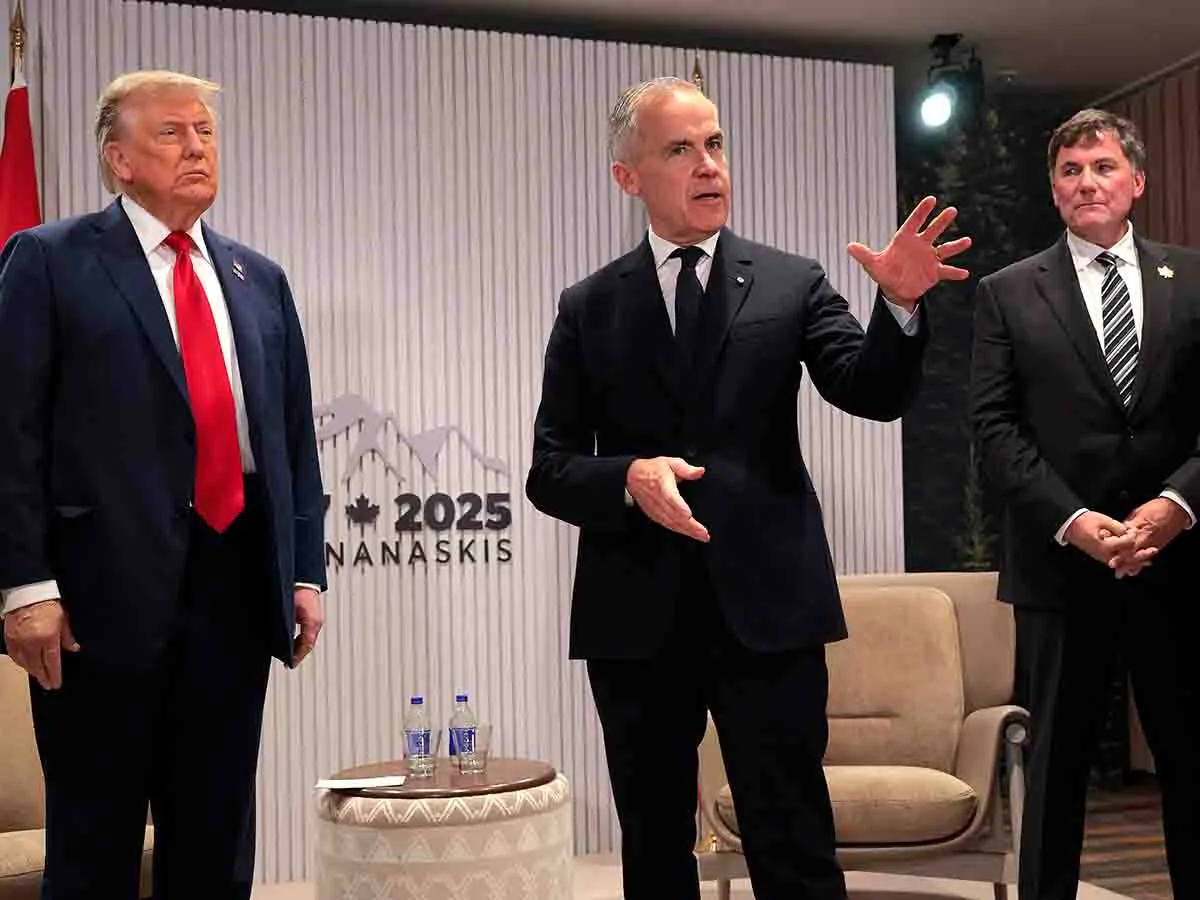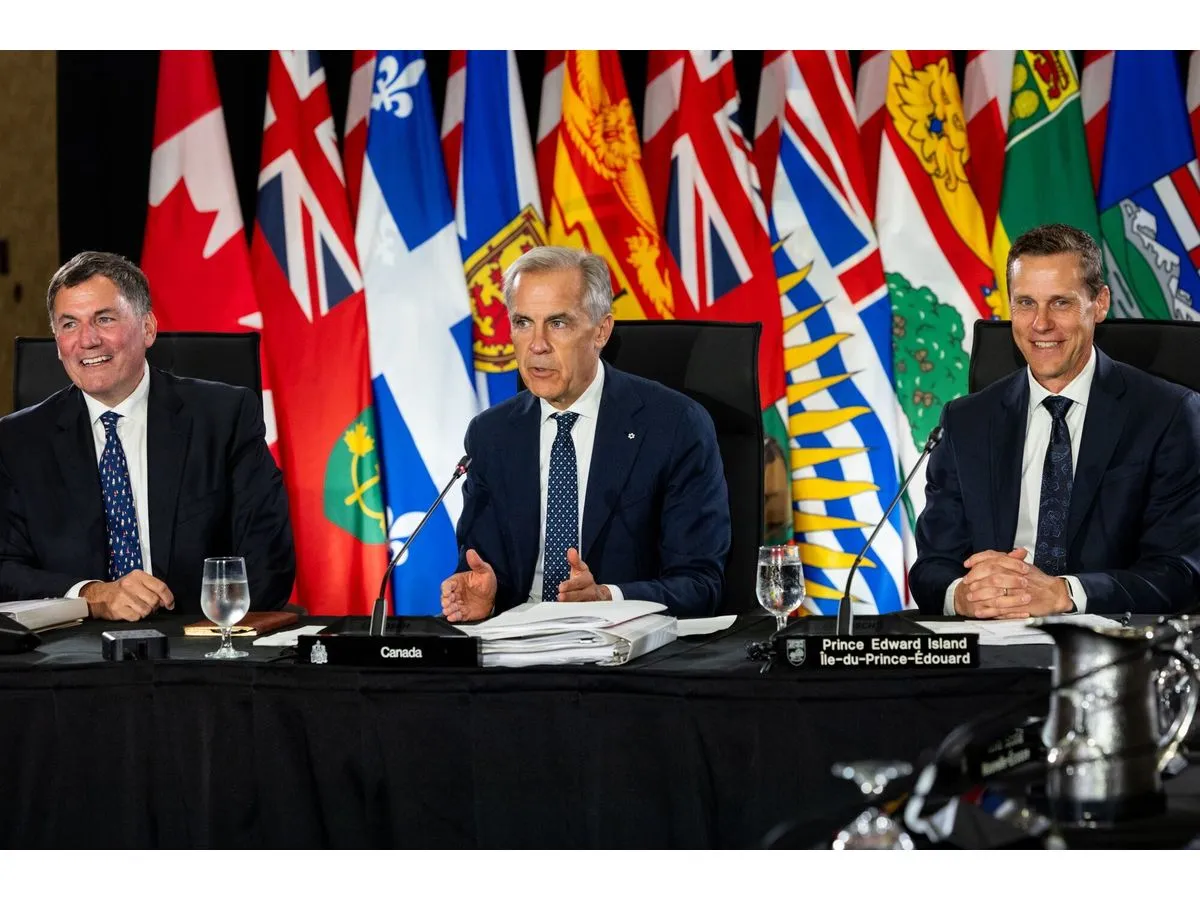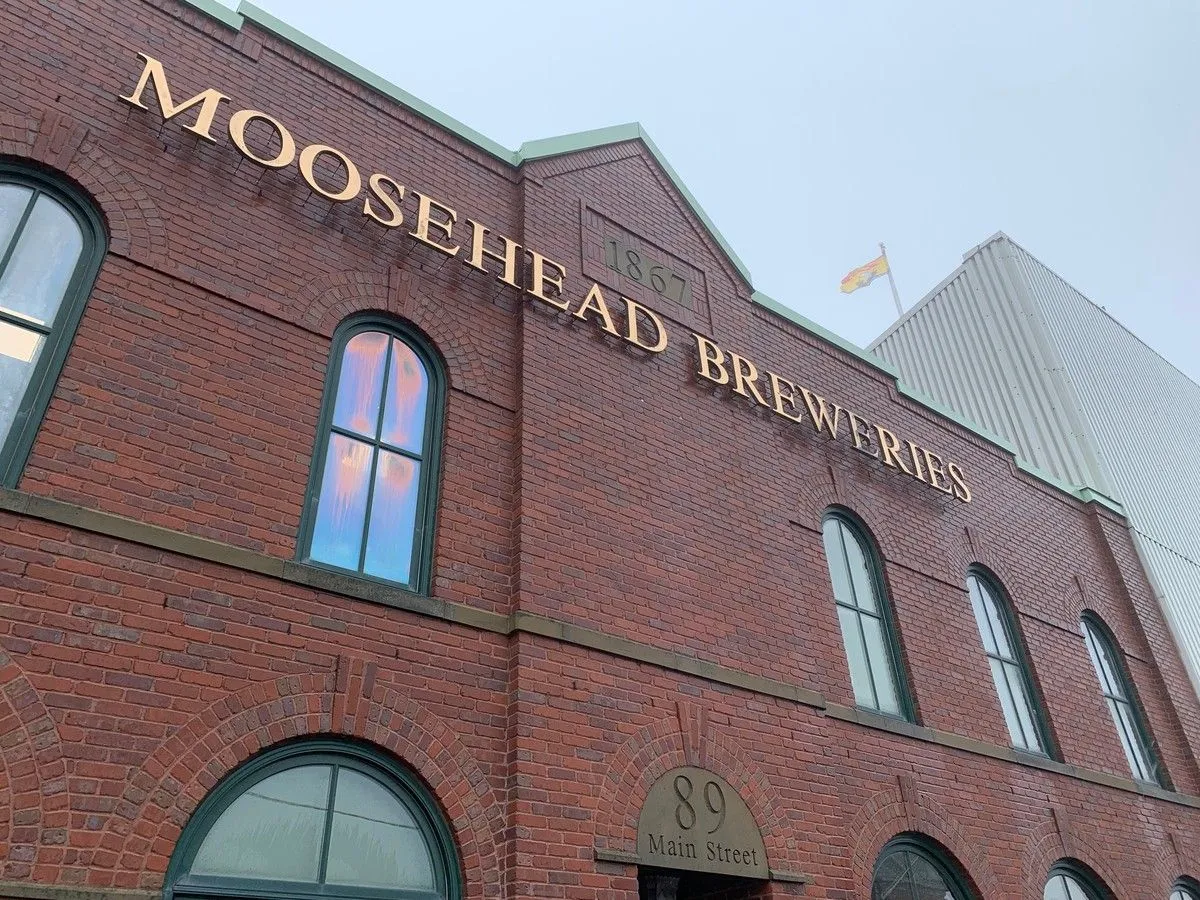
Skip to Content News Archives Economy Energy Oil & Gas Renewables Electric Vehicles Mining Commodities Agriculture Real Estate Mortgages Mortgage Rates Finance Banking Insurance Fintech Cryptocurrency Work Wealth Smart Money Wealth Management Investor Personal Finance Family Finance Retirement Taxes High Net Worth FP Comment Executive Women Puzzmo Newsletters Financial Times Business Essentials More Innovation Information Technology FP500 Podcasts Small Business Lives Told Tails Told Shopping Financial Post Store Obituaries Place a Notice Advertising Advertising With Us Advertising Solutions Postmedia Ad Manager Sponsorship Requests Classifieds Place a Classifieds ad Working Profile Settings My Subscriptions Saved Articles My Offers Newsletters Customer Service FAQ News Economy Energy Mining Real Estate Finance Work Wealth Investor FP Comment Executive Women Puzzmo Newsletters Financial Times Business Essentials HomeNewsRetail & MarketingMoosehead faces potential blow with looming 50% beer tariffMore interprovincial alcohol trade barriers need to be eliminated: CEOLast updated 1 hour ago You can save this article by registering for free here. Or sign-in if you have an account.Saint John-based Moosehead Breweries ships 10 per cent of its beer to the U.S. annually. Andrew Oland, chief executive of Moosehead, says looming 50-per-cent U.S. tariffs on Canadian alcohol would be a 'challenge' for the company. Photo by Barbara Simpson/Brunswick NewsThe head of Moosehead Breweries says looming U.S. tariffs on Canadian alcohol have the potential to deliver a blow to the company’s sales and shelf space south of the border.Subscribe now to read the latest news in your city and across Canada.Exclusive articles from Barbara Shecter, Joe O'Connor, Gabriel Friedman, and others.Daily content from Financial Times, the world's leading global business publication.Unlimited online access to read articles from Financial Post, National Post and 15 news sites across Canada with one account.National Post ePaper, an electronic replica of the print edition to view on any device, share and comment on.Daily puzzles, including the New York Times Crossword.Subscribe now to read the latest news in your city and across Canada.Exclusive articles from Barbara Shecter, Joe O'Connor, Gabriel Friedman and others.Daily content from Financial Times, the world's leading global business publication.Unlimited online access to read articles from Financial Post, National Post and 15 news sites across Canada with one account.National Post ePaper, an electronic replica of the print edition to view on any device, share and comment on.Daily puzzles, including the New York Times Crossword.Create an account or sign in to continue with your reading experience.Access articles from across Canada with one account.Share your thoughts and join the conversation in the comments.Enjoy additional articles per month.Get email updates from your favourite authors.Create an account or sign in to continue with your reading experience.Access articles from across Canada with one accountShare your thoughts and join the conversation in the commentsEnjoy additional articles per monthGet email updates from your favourite authorsSign In or Create an AccountorAbout 10 per cent of Moosehead beer is shipped to the U.S. market, but with a 50-per-cent tariff, it will be a “challenge” to convince Americans to buy New Brunswick beer, according to Andrew Oland, president and CEO of Saint John-based Moosehead Breweries.“We ship a fair amount of beer to the U.S., and if these (tariffs) actually go through, it’s going to reduce, if not, eliminate the amount that we’re shipping to the U.S.,” Oland said in an interview Wednesday.Breaking business news, incisive views, must-reads and market signals. Weekdays by 9 a.m.By signing up you consent to receive the above newsletter from Postmedia Network Inc.A welcome email is on its way. If you don't see it, please check your junk folder.The next issue of Posthaste will soon be in your inbox.We encountered an issue signing you up. Please try again“At the same time, I’d say we all know that we’re in a very complex situation with a very volatile trading partner. It can change tomorrow.”Earlier this week, U.S. President Donald Trump announced 50-per-cent tariffs on Canadian beer, wine and spirits – among a host of other goods – entering his country.Trump said the move is in response to ongoing U.S. booze bans still in place in most provinces.The new tariffs are expected to come into effect on Aug. 19, but the Trump administration has a history of reversing course on its plans during the ongoing trade war.Last year, Canadian alcohol producers faced the threat of a 25-per-cent U.S. tariff on their goods, but Trump ultimately exempted goods compliant with the Canada-United States-Mexico Agreement (CUSMA) – which includes alcohol – from the tariff.Oland said there’s “all sorts of scenarios” that could play out over the next while, including the possibility of Trump pushing back the timeline to implement tariffs like he’s done in the past.But Oland, who leads the largest Canadian-owned brewery, acknowledged Moosehead is facing a “significant issue” given Trump’s latest threat to put Canadian alcohol producers at a massive disadvantage.“We will still ship (our beer). The issue is does anyone want to buy it?” Oland said. “At a 50-per-cent tariff, it will be a challenge for us.“What happens is if this does go ahead – because it’s a very competitive beer market – we will lose our shelf space in many retail customers throughout the United States,” he said, adding it would be hard to later regain that space.A day after the latest tariffs were announced, Prime Minister Mark Carney told media Tuesday that he had spoken with Trump, and they had agreed to “intensify negotiations” on a new trade agreement between Canada, the U.S. and Mexico.The Trump administration has described its latest round of tariffs as a response to “retaliatory and discriminatory measures” Canada has put in place during the trade war.Early last year, Canada’s 10 provinces and three territories implemented U.S. alcohol bans in response to Trump’s tariffs. Only Alberta and Saskatchewan have lifted their bans, allowing U.S. alcohol imports and purchases again since June 2025.According to the White House, U.S. exports of alcohol to Canada fell 81 per cent between March 2025 and February 2026 compared to the same period in 2024-25.When asked if other provinces like New Brunswick should lift their bans on U.S. alcohol given Trump’s latest tariff threat, Oland said he wasn’t “close enough to the file” to be able to comment, although he has “full trust” in Carney and his team to do “the best for Canada.”Carney has said it’s up to the provinces to decide if they want to lift their U.S. alcohol bans.“As much as Moosehead would like to ship beer to the U.S., we also want to make sure that we have a very strong Canadian economy,” Oland said.Amid the threat of more U.S. tariffs, almost all of Canada’s provinces agreed this week to lift a major barrier to interprovincial alcohol trade.The agreement – which will allow brewers and distillers to ship their products directly to consumers – was signed Tuesday by the premiers of New Brunswick, British Columbia, Alberta, Saskatchewan, Ontario, Prince Edward Island, and Newfoundland and Labrador.While New Brunswick had already opened its borders to out-of-province direct-to-consumer sales, its brewers and distillers still hadn’t been able to mail products to most other jurisdictions.Premier Susan Holt has highlighted that the move will allow New Brunswick producers to ship direct to consumers in the lucrative Ontario market.Oland described the announcement as “positive,” although he doesn’t think it will have a “meaningful” impact on Moosehead or other beverage alcohol producers in Canada.“The reality with beer is beer is heavy and it’s very expensive to ship and so there’s limited opportunities,” he said, adding most consumers have “so many local options” already to choose from.Rothesay’s Long Bay Brewery has shipped its products in the past to Alberta, Manitoba and Saskatchewan through a private broker that in turn sells the product to private stores in the provinces, according to co-owner Tim Webber.But right now, amid the busy summer season, the focus is on meeting growing local demand for beer first before exploring other opportunities in other provinces.“Once the season slows down a little bit into the winter months, we’d definitely be looking to push product in that direction,” said Webber, who co-owns Long Bay Brewery and Saint John’s Wasted Day Brewing with Jon Chouinard. Tim Webber and Jon Chouinard are co-owners of Rothesay’s Long Bay Brewery and Saint John’s Wasted Day Brewing. Webber says their business has been kept busy with growing local demand for their products. Photo by Brice McVicar/Brunswick NewsAbout 241,000 litres of beer are produced annually in total by the two breweries, according to Webber, who says the business sees roughly 10 to 20 per cent a year in growth.“We do have a lot of tourists through our taprooms, but the bulk of our sales would be locals within the province,” Webber said, adding the business increases capacity annually to keep up with demand.Amid the trade war, Moosehead has benefitted from the buy-Canadian movement, Oland said, noting it experienced a “great success” with sales of its “Presidential Pack,” a 1,461-can shipment that represents one beer for every day of the Trump’s term in office.“We are 100 per cent Canadian since 1867 and so it was a very effective vehicle to convey that message,” Oland said.He’d like to see more interprovincial trade barriers removed that affect alcohol sales in Newfoundland and Labrador, Quebec and British Columbia.“I would say we’re starting to see some progress,” he said. “We still have a way to go, but we’re starting to see some progress.” Join the Conversation This website uses cookies to personalize your content (including ads), and allows us to analyze our traffic. Read more about cookies here. By continuing to use our site, you agree to our Terms of Use and Privacy Policy.
Moosehead faces potential blow with looming 50% beer tariff
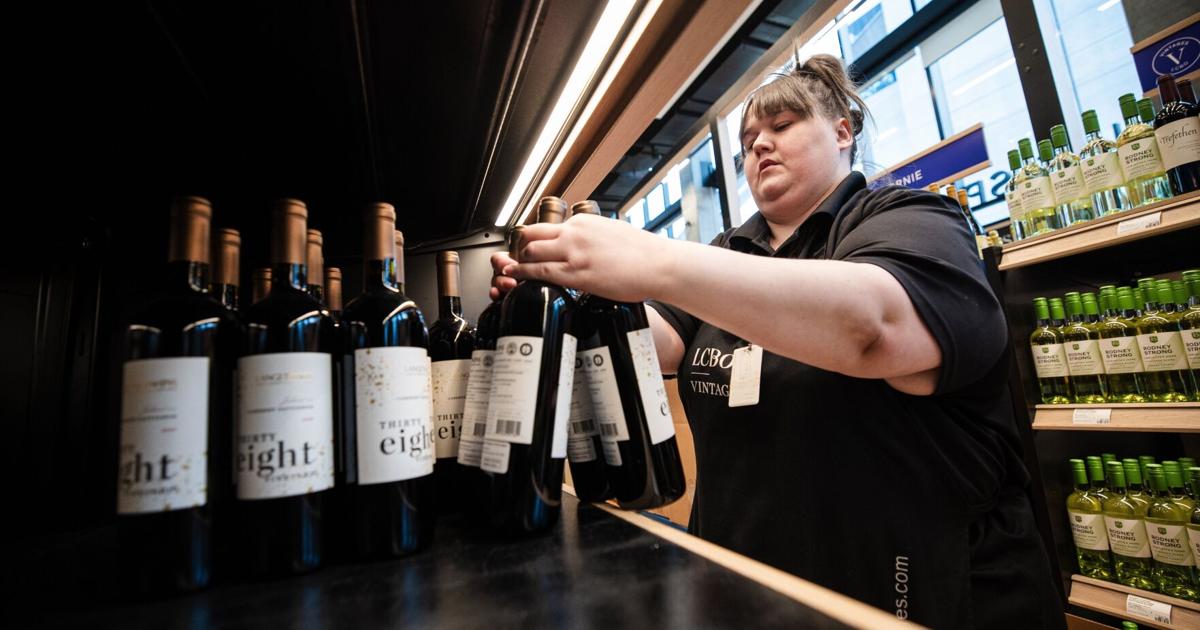
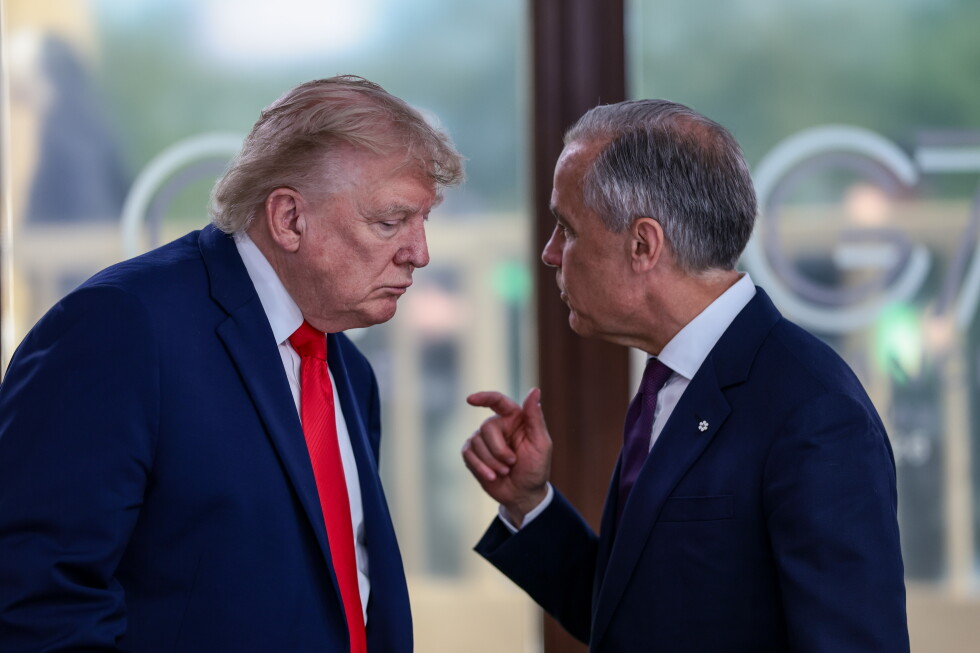
The head of Moosehead Breweries says looming U.S. tariffs on Canadian alcohol have the potential to deliver a blow to the company's sales and shelf space south of the border.
TL;DRAI
Trump's 50% tariff on Canadian beer (August 19) threatens Moosehead's 10% U.S. exports and retail shelf space. Tariff volatility and policy reversals extend risk across sectors—tech procurement faces similar geopolitical supply uncertainty.
1,592 words~7 min read