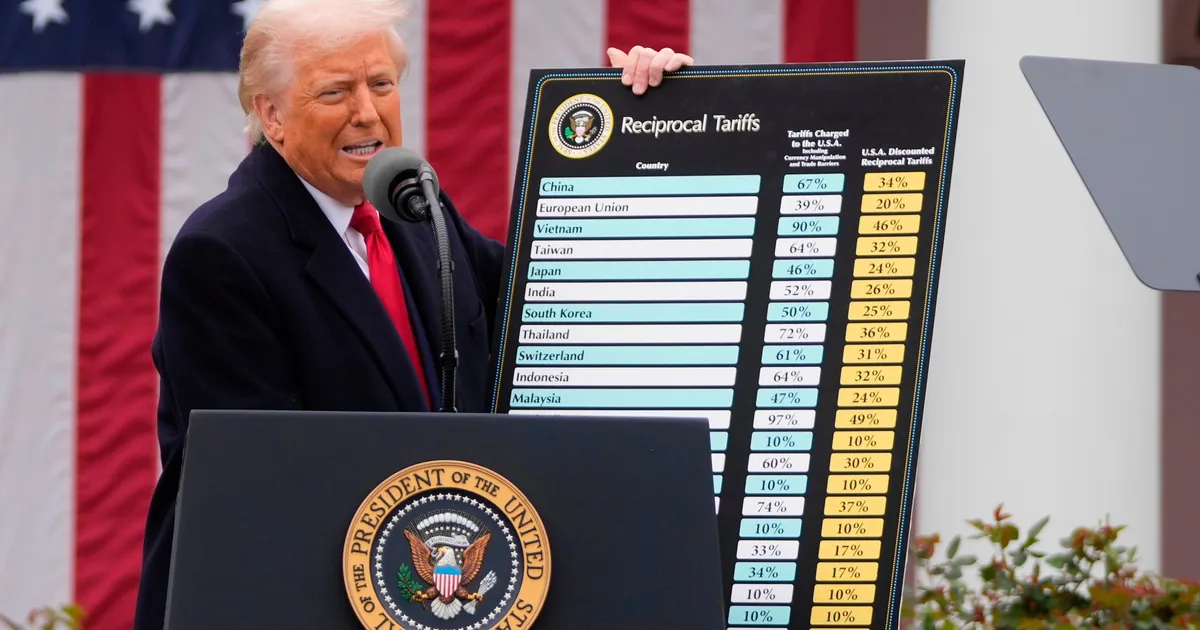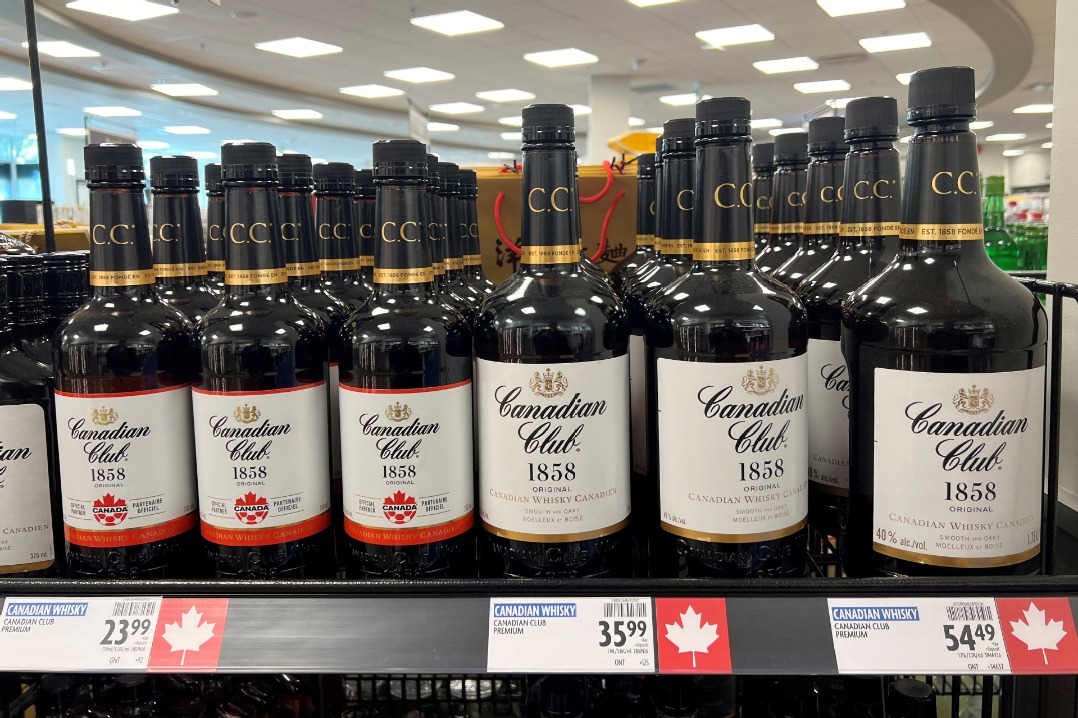
VANCOUVER, British Columbia (AP) — The U.S. threat of 50% tariffs on Canadian goods will have a ripple effect on the country’s economy but also could be a negotiation tactic by the U.S. administration, experts say.The new tariffs, announced by U.S. President Donald Trump on Monday, are scheduled to come into effect Aug. 19. They cover a wide range of goods, including honey, liquor, cement, dairy products, some wood products, hockey sticks, essential oils, perfumes, candles, dog leashes and wigs.They exclude energy products, potash, fish and critical minerals, but would include goods previously protected from import taxes by the United States-Mexico-Canada Agreement, or USMCA. That 2020 trade pact was not renewed by the U.S., triggering a new set of negotiations that could run until 2036.Prince Edward Island Premier Rob Lantz said the tariffs create uncertainty.
“We’re living in a time when uncertainty is the new norm,” Lantz said Wednesday following a meeting of the country’s premiers and territorial leaders in the province’s capital, Charlottetown. Randall Bartlett, deputy chief economist with Desjardins, one of Canada’s largest financial institutions, said the tariffs will impact about $28 billion Canadian ($19.8 billion) worth of annual Canadian exports to the United States. That’s about 5% of what the U.S. imports from Canada each year.They have the potential to shave two to three tenths of a percent off growth in 2026 and 2027 in Canada, Bartlett said, although he said he didn’t expect a recession.