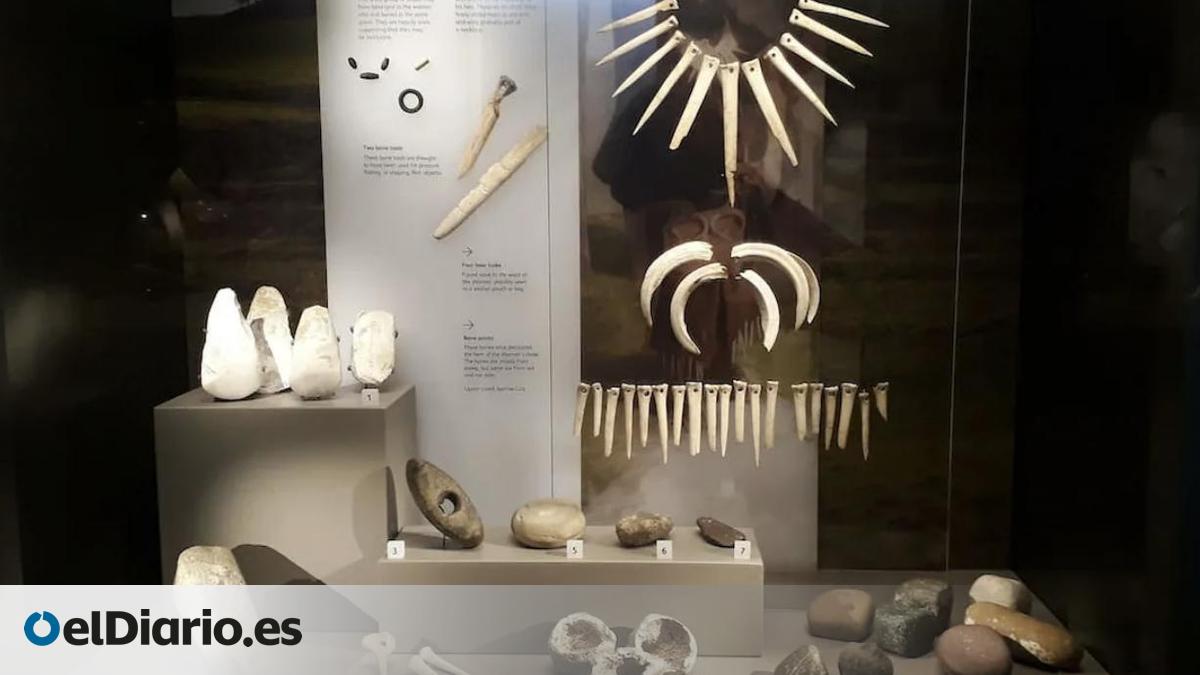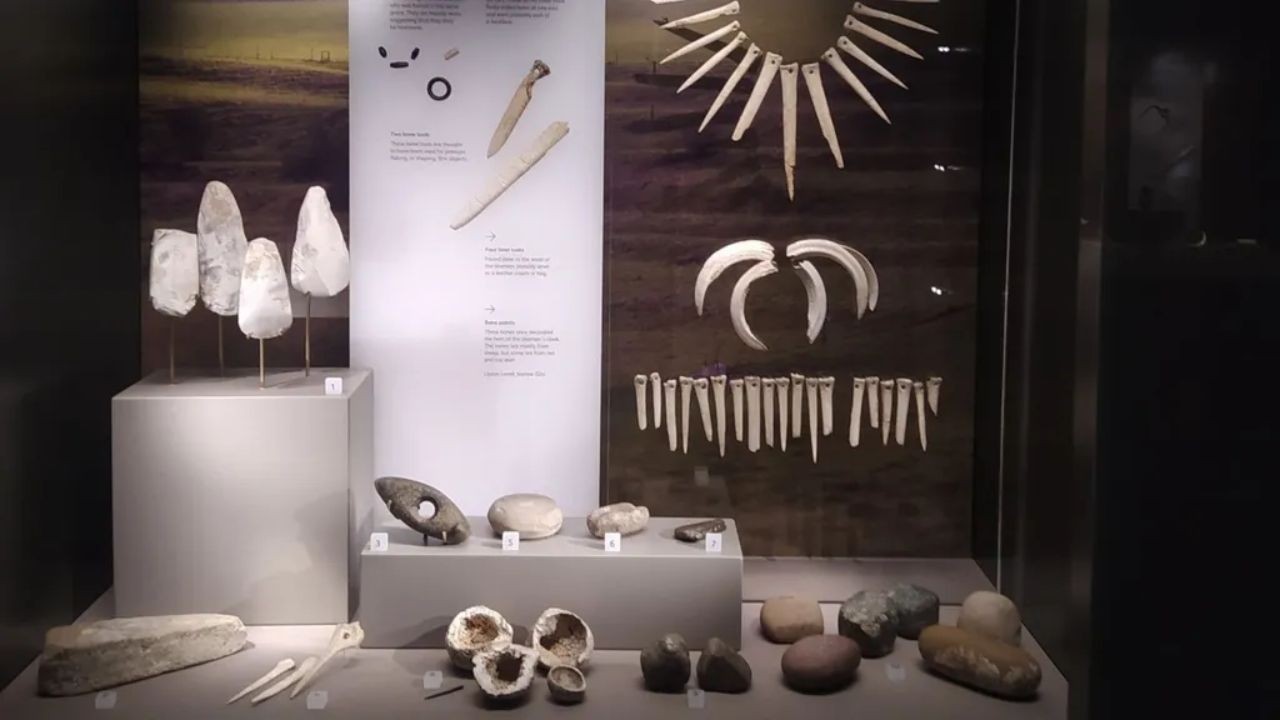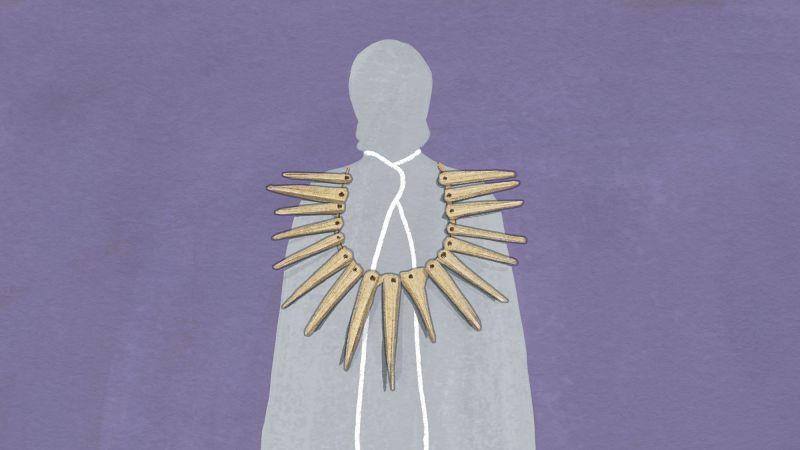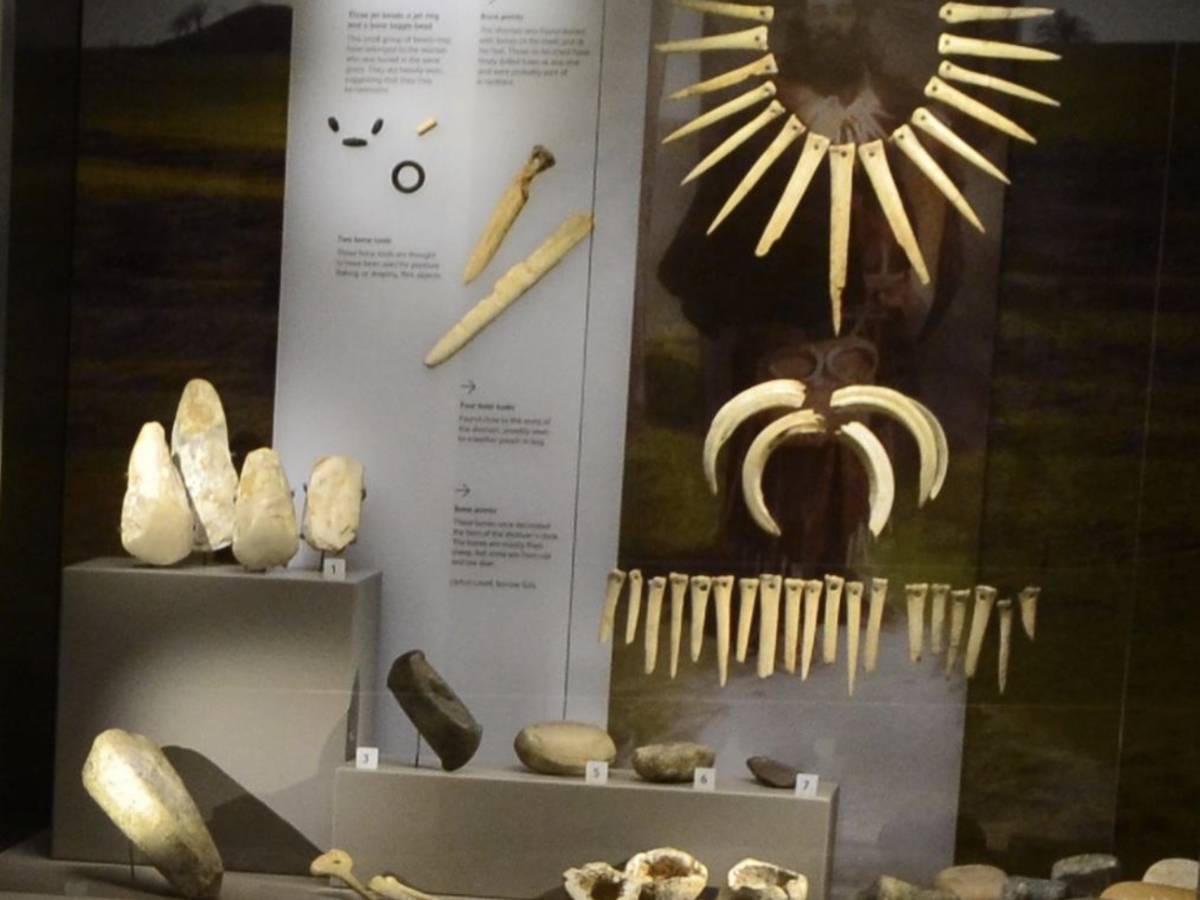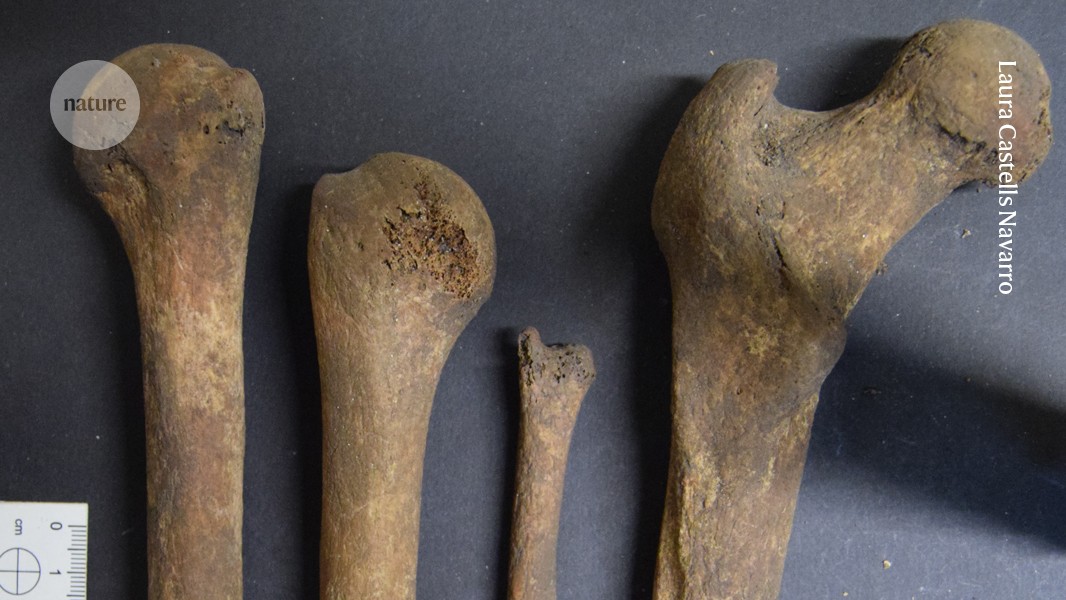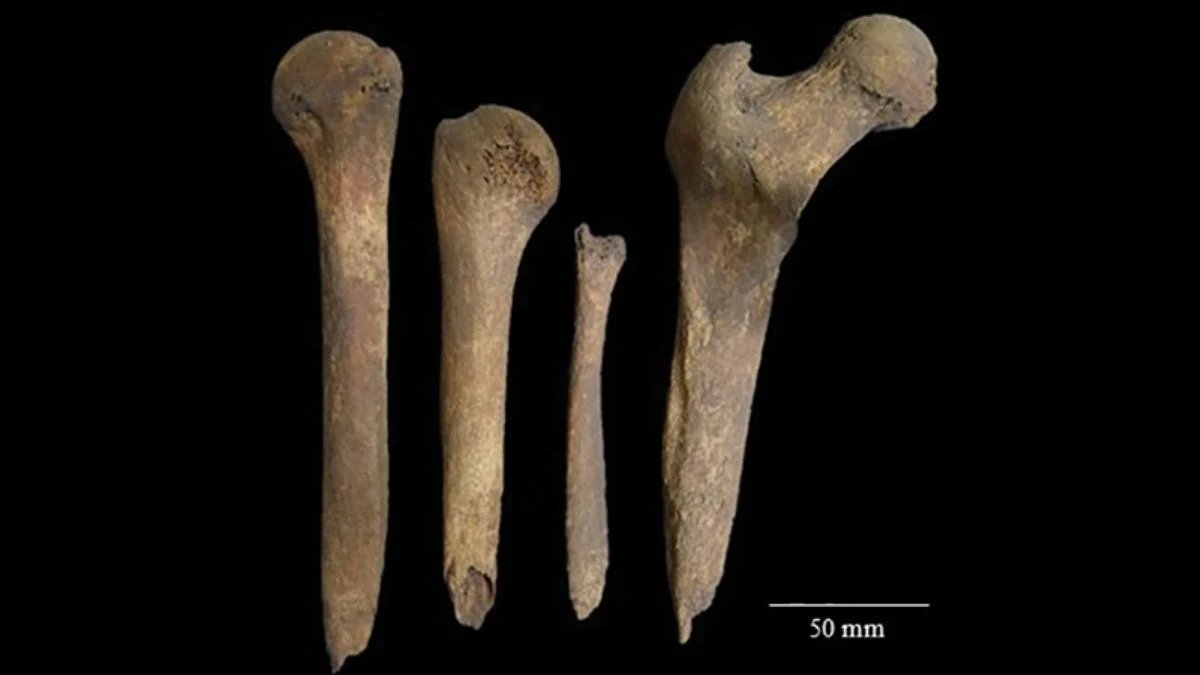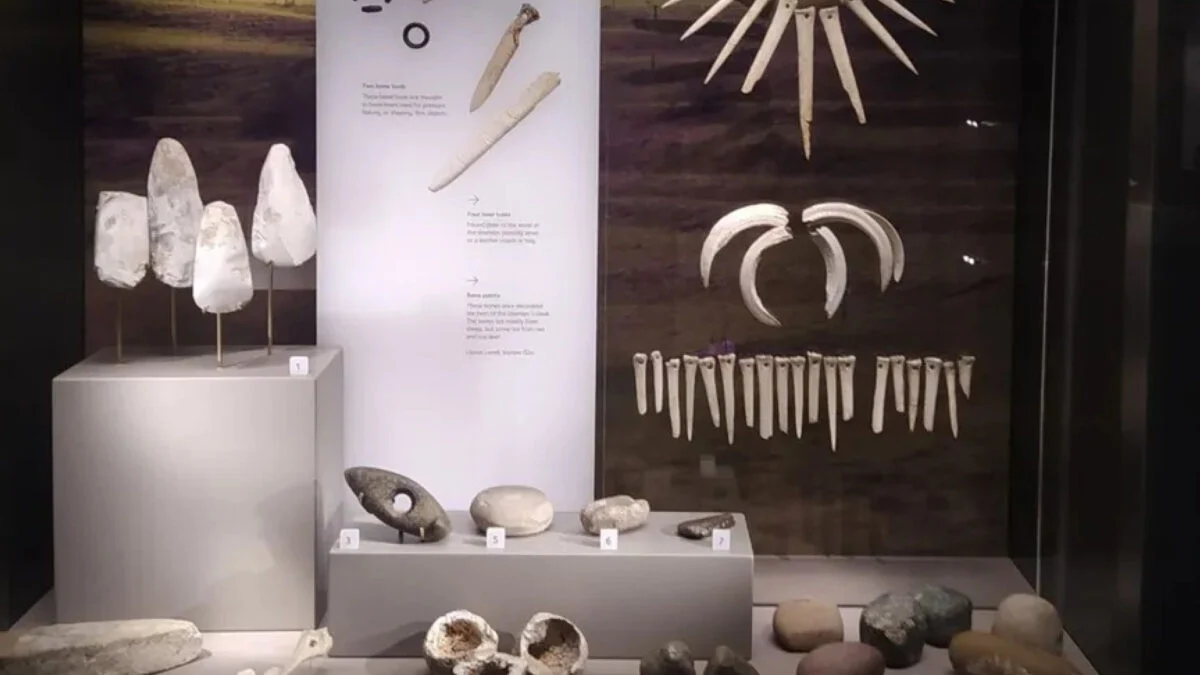
In 1803, British archaeologist William Cunnington dug up the remains of an individual buried with weapons, golden tools, and a decorative cloak in Upton Lovell, a village about 10 miles (16 kilometers) west of Stonehenge. From the generally stocky appearance of the bones, Cunnington concluded that the Upton Lovell Shaman must have been a “stout” man from the early Bronze Age. Well, who says women can’t be stout? That appears to have been the case for this individual, at least if Cunnington’s initial assessment of the skeleton was correct. More than 200 years later, researchers revisited the skeleton with advanced DNA analysis techniques. They found XX sex chromosomes—typical of genetically female people—in DNA extracted from the individual’s skull, teeth, and toe bone. The investigations also indicated that the woman was a metalworker from 4,000 years ago, probably had arthritis, and died around the age of 45. The reevaluation of the Upton Lovell Shaman was announced in a statement from the Wiltshire Museum in the U.K., the current host of the skeleton. A detailed account of the scientific analysis is set to be officially published in a journal, the museum explained.
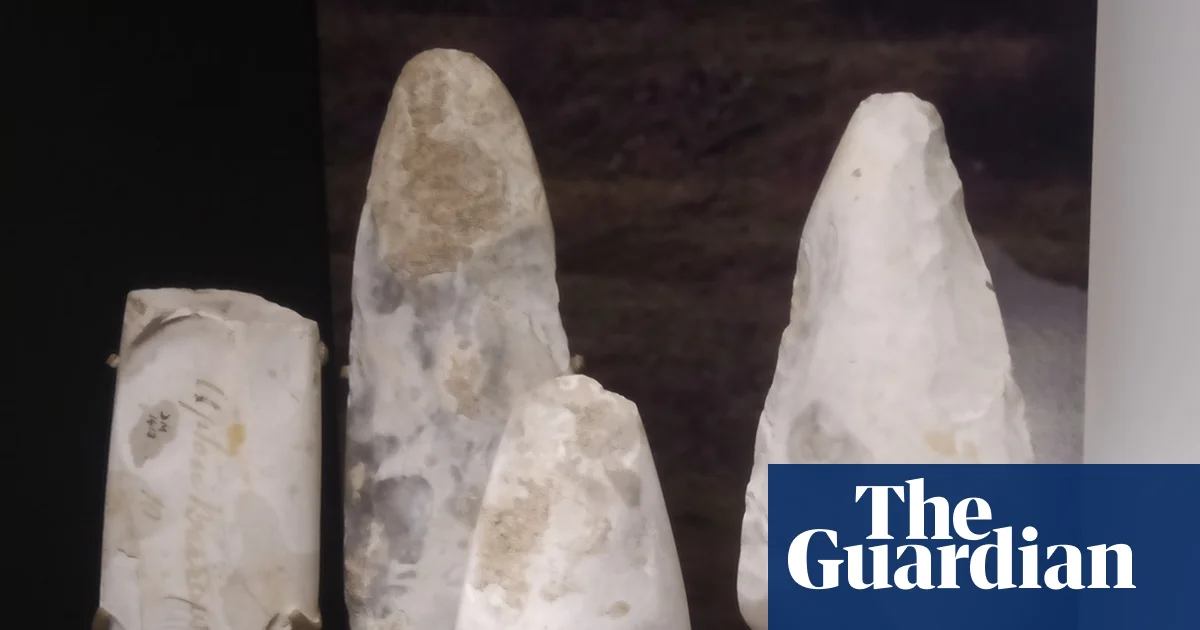
Actually, maybe not even a shaman The announcement follows a 2022 study on the set of grave artifacts attributed to the Upton Lovell Shaman. The study reexamined the stone and copper-alloy goods, some of which had gold residues. The analysis led researchers to believe that some of these artifacts were, in fact, goldworking tools consistent with similar objects known to be from the Bronze Age.