London —
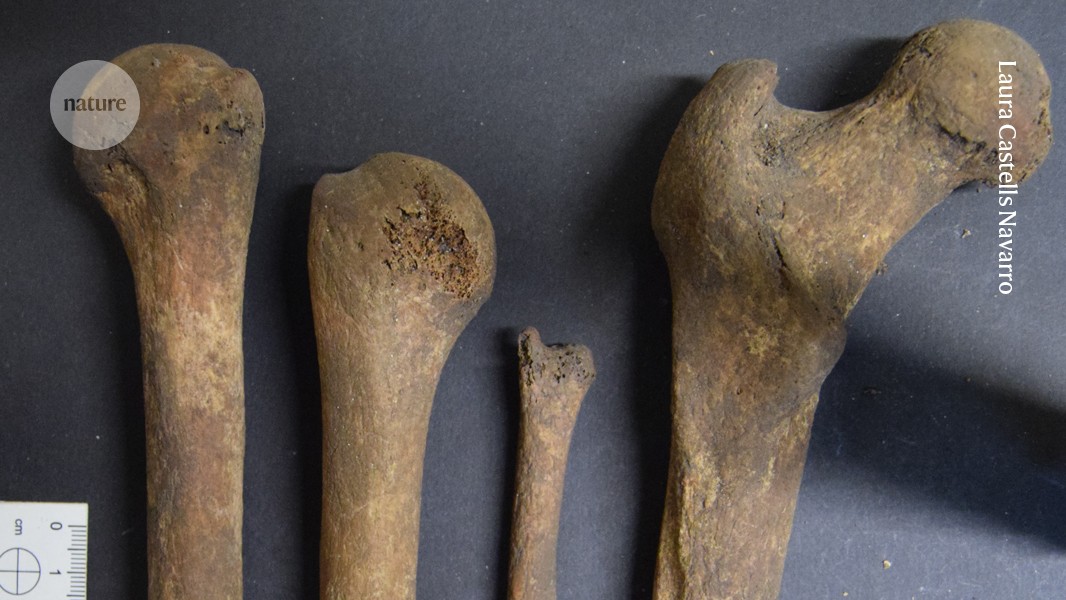
Bronze Age remains once thought to belong to a revered male metalworker are in fact female, new DNA analysis has found, calling into question long-held beliefs about ancient British society.
The 4,000-year-old skeleton, which became known as the Upton Lovell Shaman, was found in a barrow, a special type of burial mound reserved for high-status individuals, researcher Tom Booth, senior research scientist at the Francis Crick Institute in London, told CNN on Thursday.
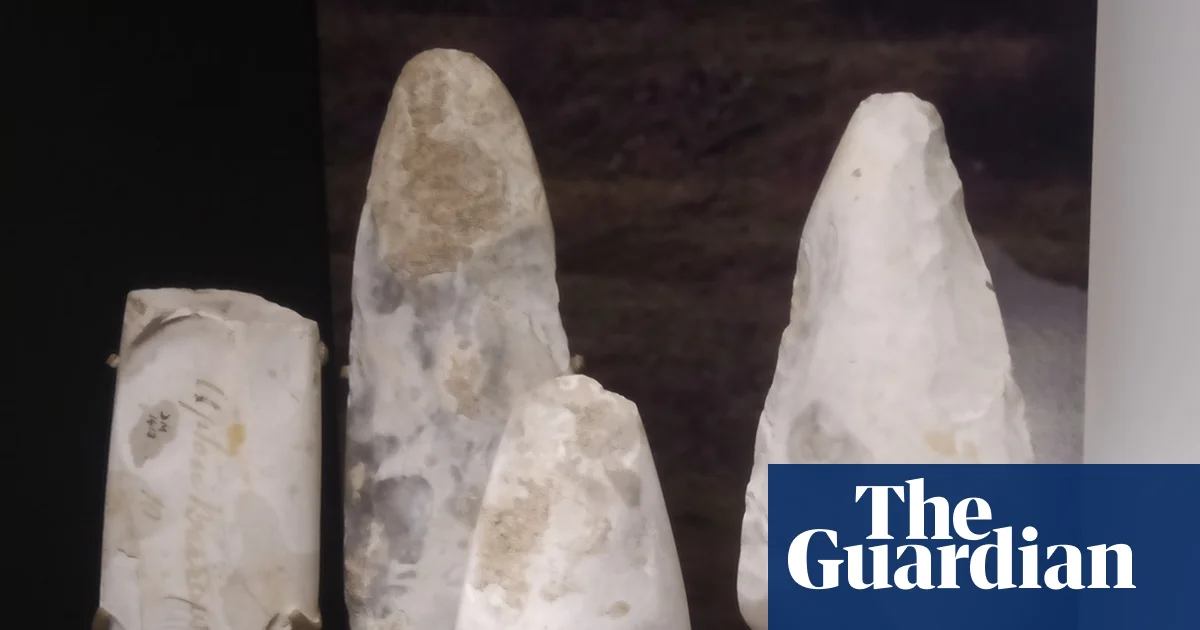
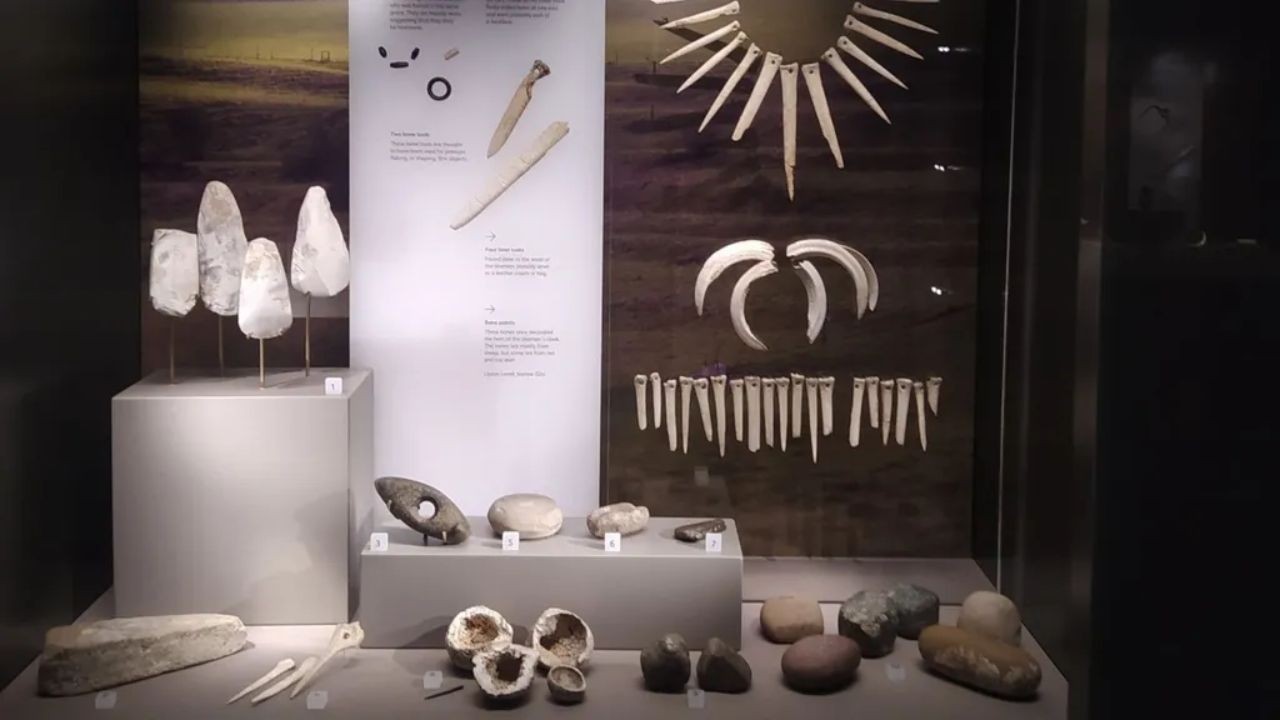
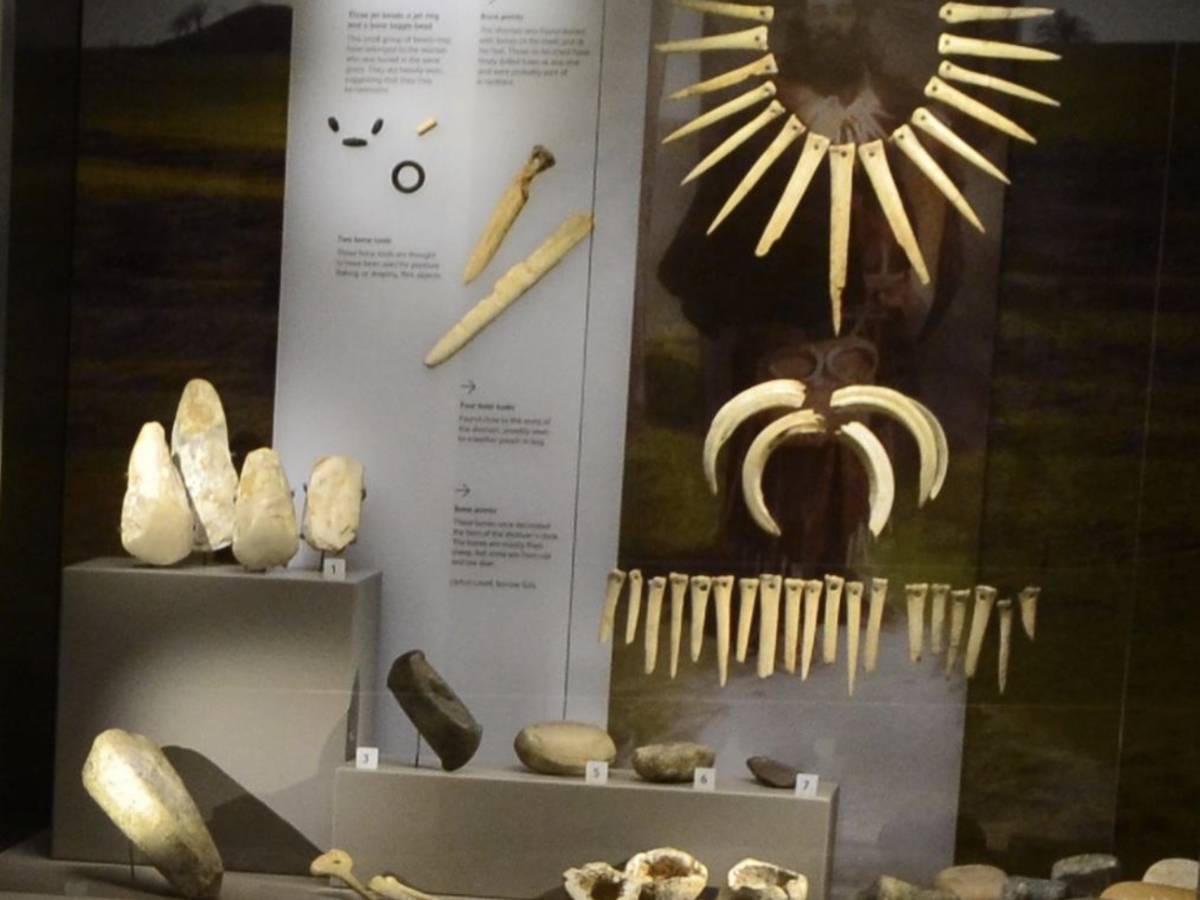
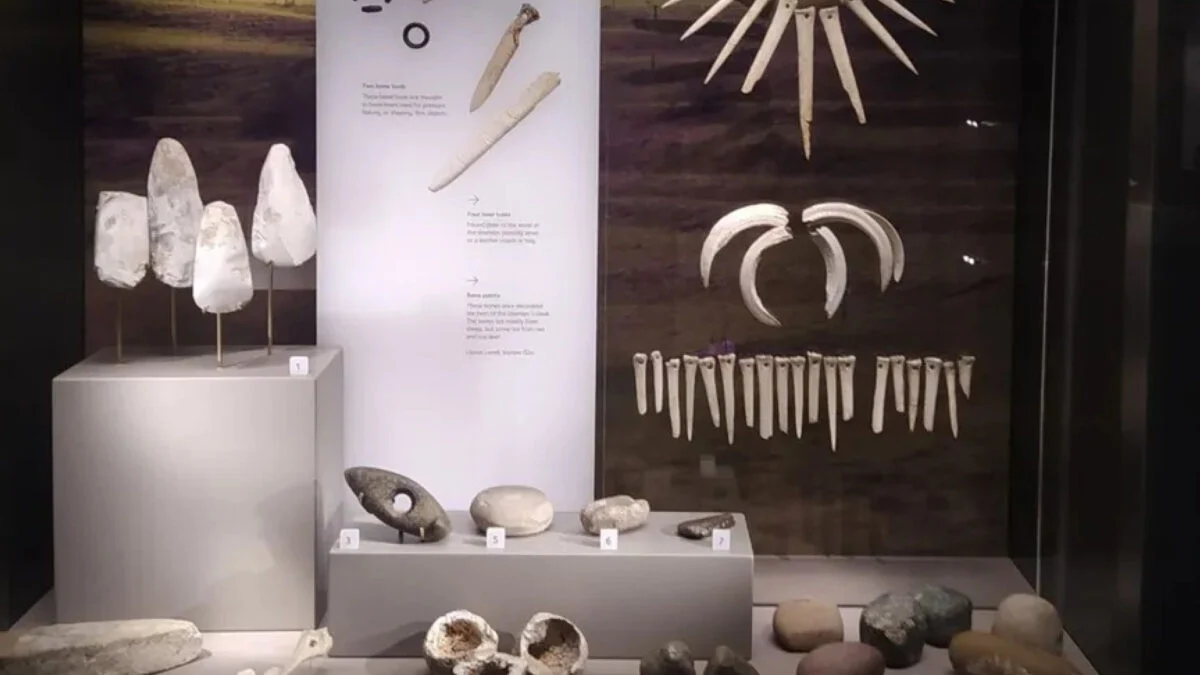
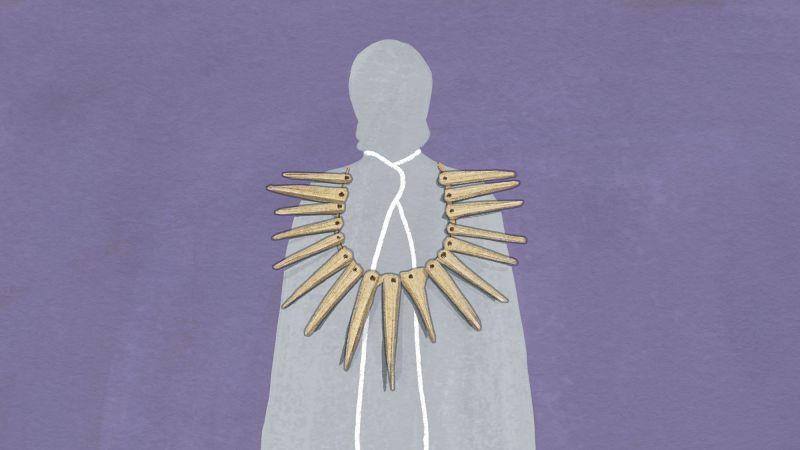
When the burial in Upton Lovell, southern England, was first uncovered at the beginning of the 19th century, archaeologists found a “wide range of interesting grave goods,” including axes, a gold necklace and bone points, he said.
The axes had traces of gold on the edge of them, suggesting this person worked with gold and probably other metals such as copper and bronze, Booth said.