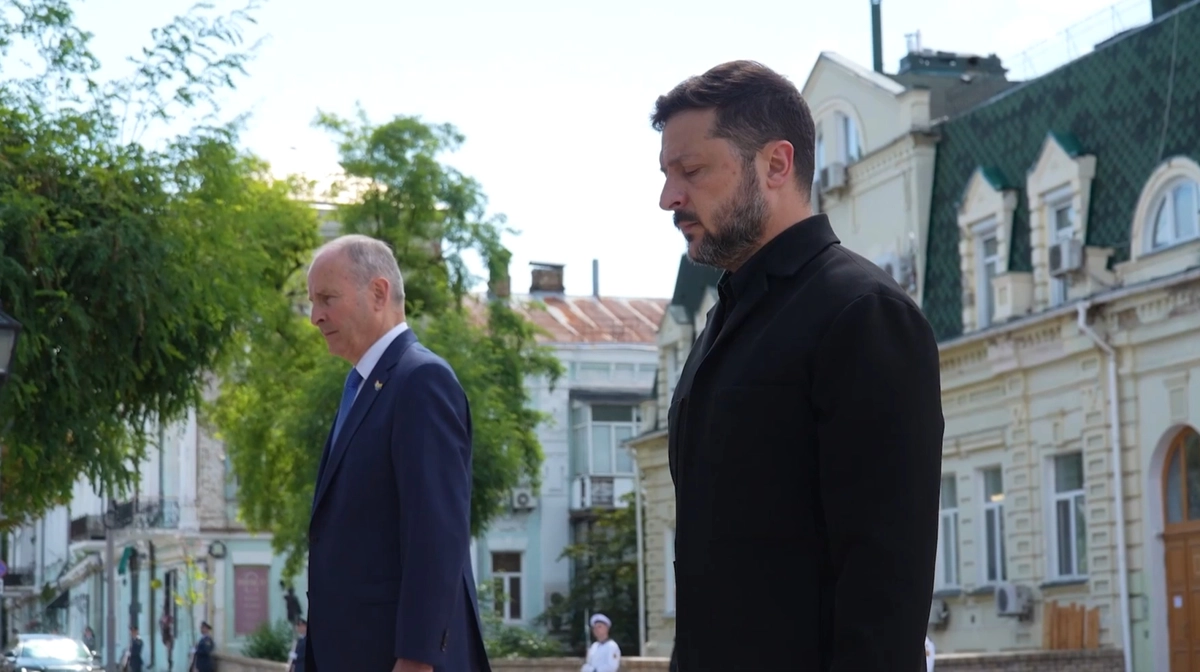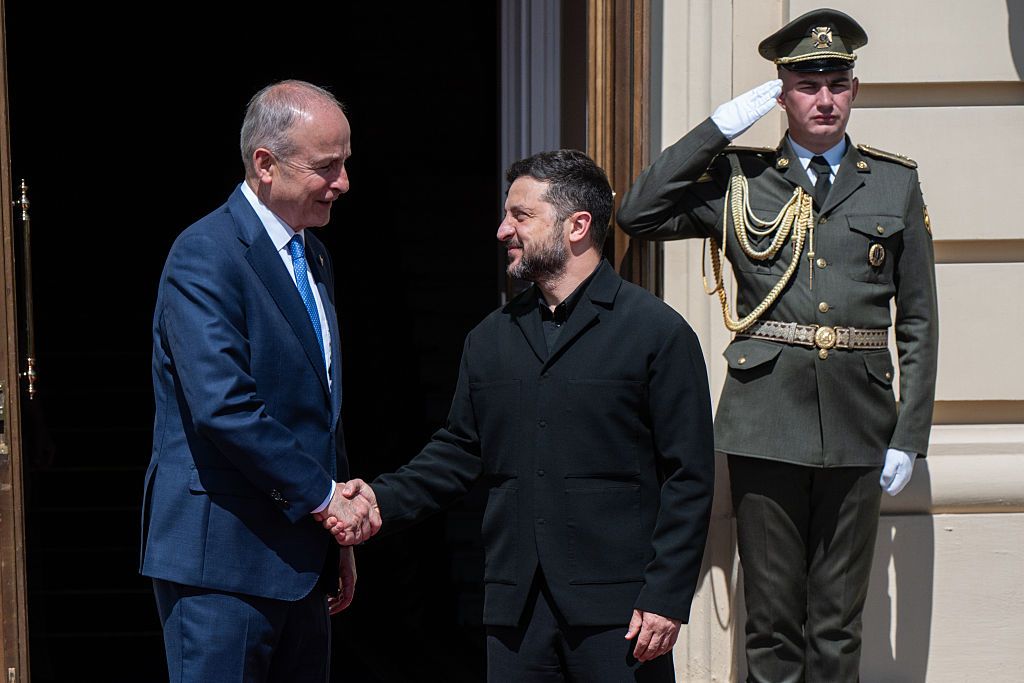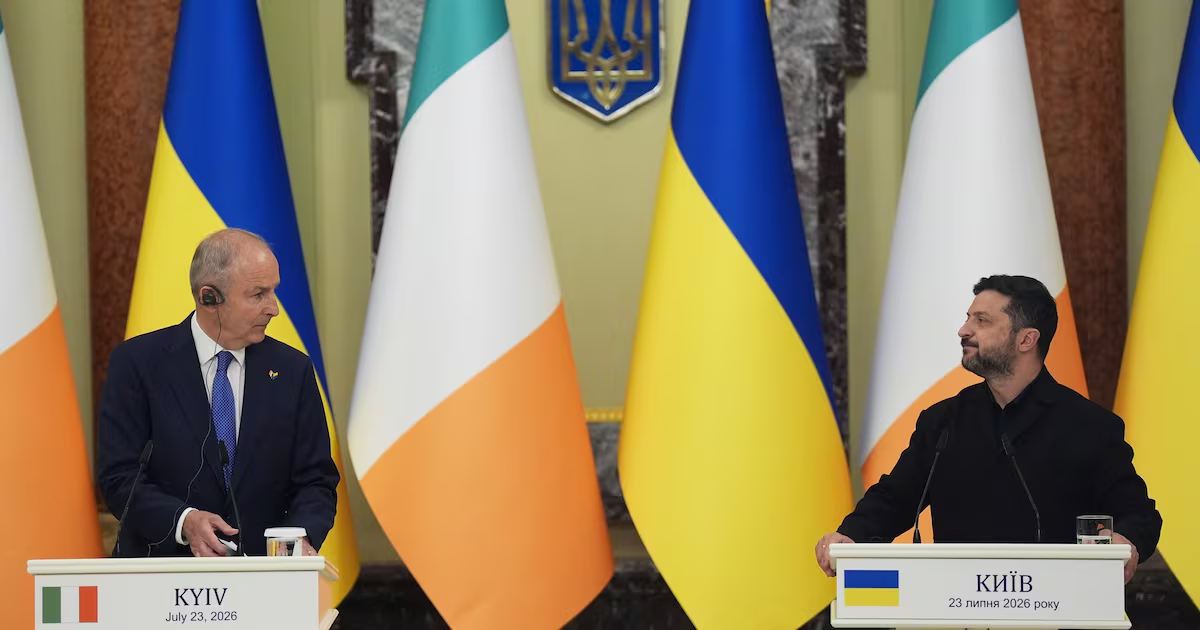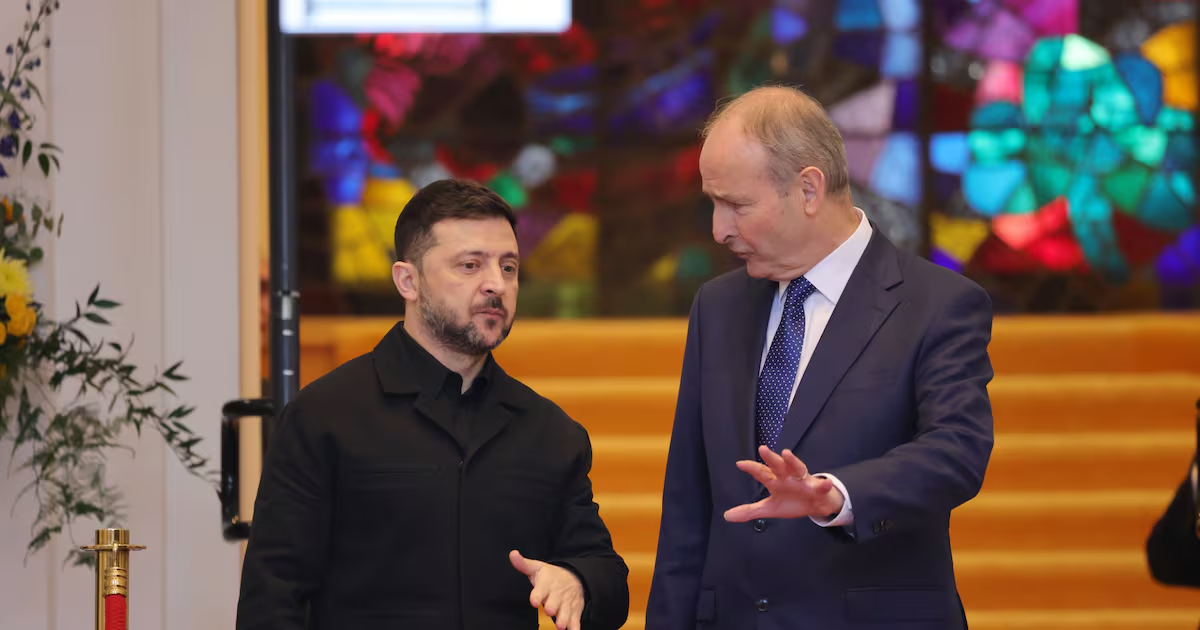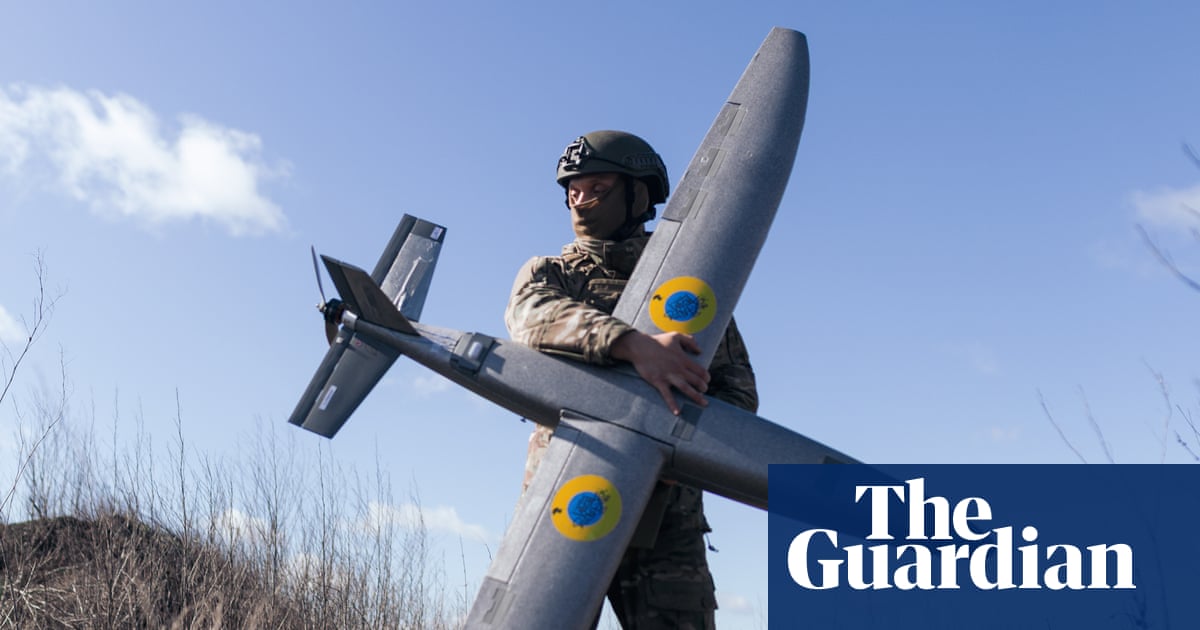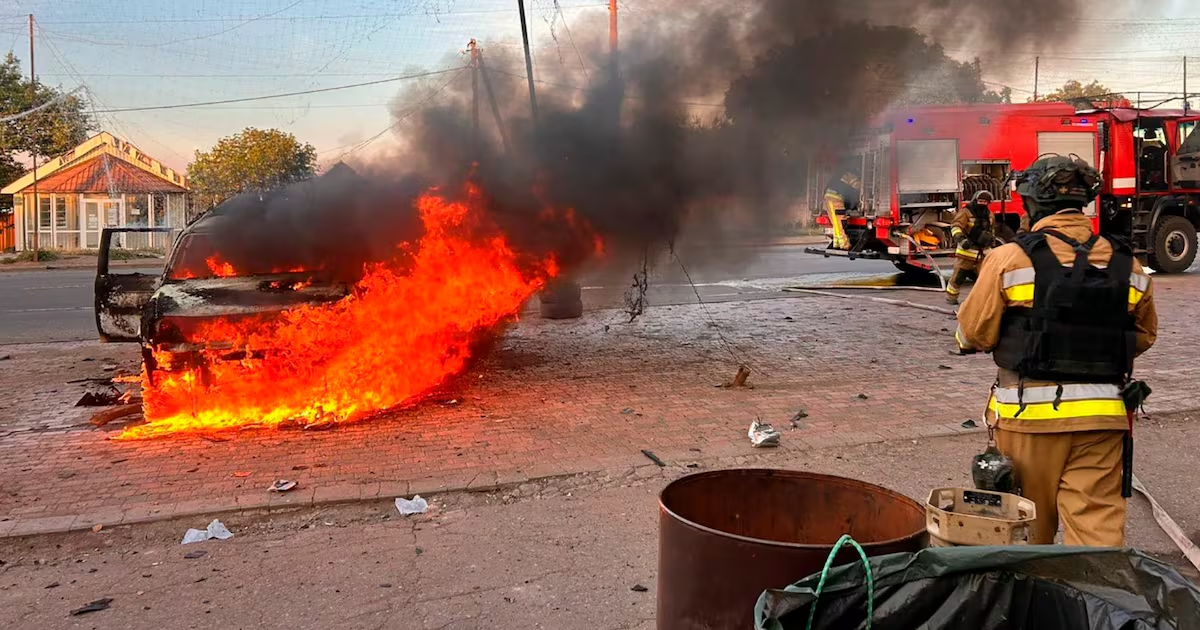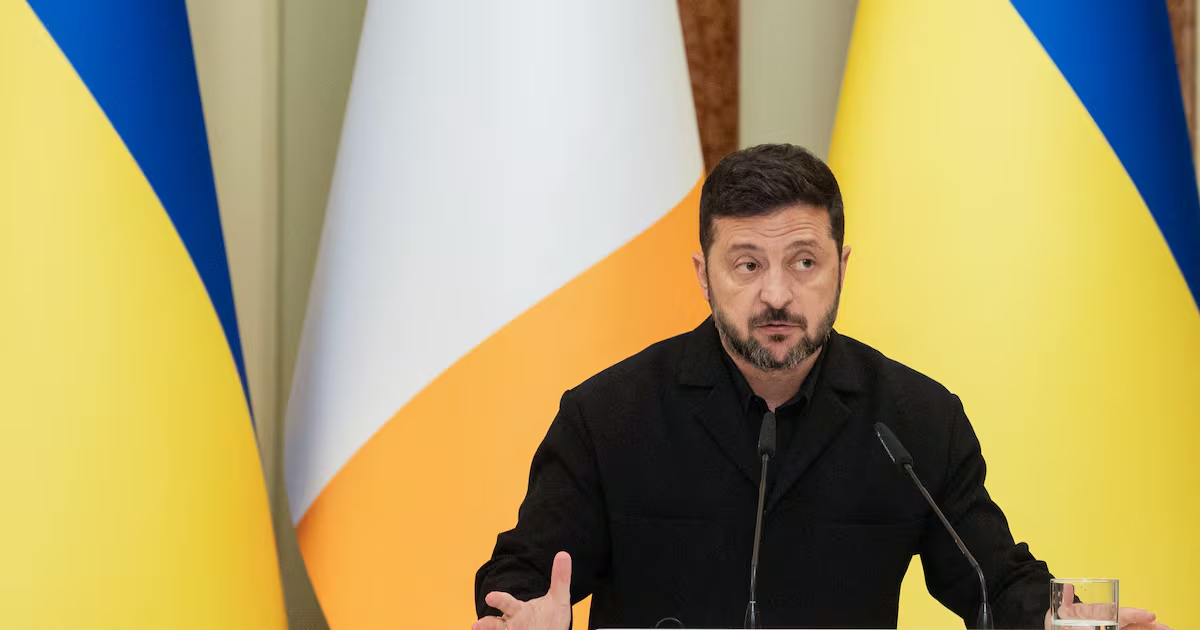
Taoiseach Micheál Martin’s visit to Kyiv yesterday came at what may prove to have been a highly consequential moment in Ukraine’s defensive war against Russian aggression. On Thursday the EU finally signed off on its 21st package of sanctions against Russia, which, among other things, will hit Moscow’s oil and gas revenues. While it is of some concern that the package took so long to negotiate, at least it was finally agreed. Failure would have sent a signal to Moscow that the EU was wavering in its support for Ukraine.Martin arrived at the end of a week of political turbulence in Kyiv that sparked some of the most serious protests against Volodymyr Zelenskiy’s government since the outbreak of full-scale war more than four years ago. The dispute arose from a schism within the country’s defence establishment over how the war should be prosecuted. That appears to have been resolved by Zelenskiy’s appointment on Wednesday of Mykhailo Drapatyi to serve as military commander-in-chief.The appointment came on Wednesday after a week in which Zelenskiy’s ham-fisted attempt to manage tensions between his popular defence minister and top military commander had backfired spectacularly. The sacking of the 35-year-old minister, Mykhailo Fedorov, widely seen as the architect of Ukraine’s drone revolution, had led to protests in 16 towns and cities across the country, ultimately forcing the president to respond by removing 60-year-old military commander General Oleksandr Syrskyi, to be replaced by Drapatyi.Syrskyi was widely credited with the successful early defence of Kyiv and with holding off the Russians on the eastern front. But as part of a military generation trained before the break-up of the Soviet Union, he was resistant to the more flexible tactics made possible by a new generation of military drones, with their potential to reduce Ukrainian casualties on the battlefield.Zelenskiy’s message to young Ukrainians this week was unambiguous. The promotion of Drapatyi, a well-known champion of Fedorov’s ground-breaking, data-driven methods, was a sign of his own commitment to change and his willingness to listen.Despite the recent successes of the Ukrainian army, Drapatyi faces daunting challenges, including depleted reserves of manpower and low morale. With weapons shortages and the prospect of a further Russian offensive in the weeks ahead, he is expected to empower local commanders to make real-time decisions based on battlefield conditions. Ukraine is fighting a new form of dual warfare in which both grinding attrition and high-tech innovation play a part and survival is determined by which side can adapt better and faster.
The Irish Times view on war in Ukraine: Zelenskiy makes his choice
Ham-fisted attempt to manage tensions had backfired
414 words~2 min read