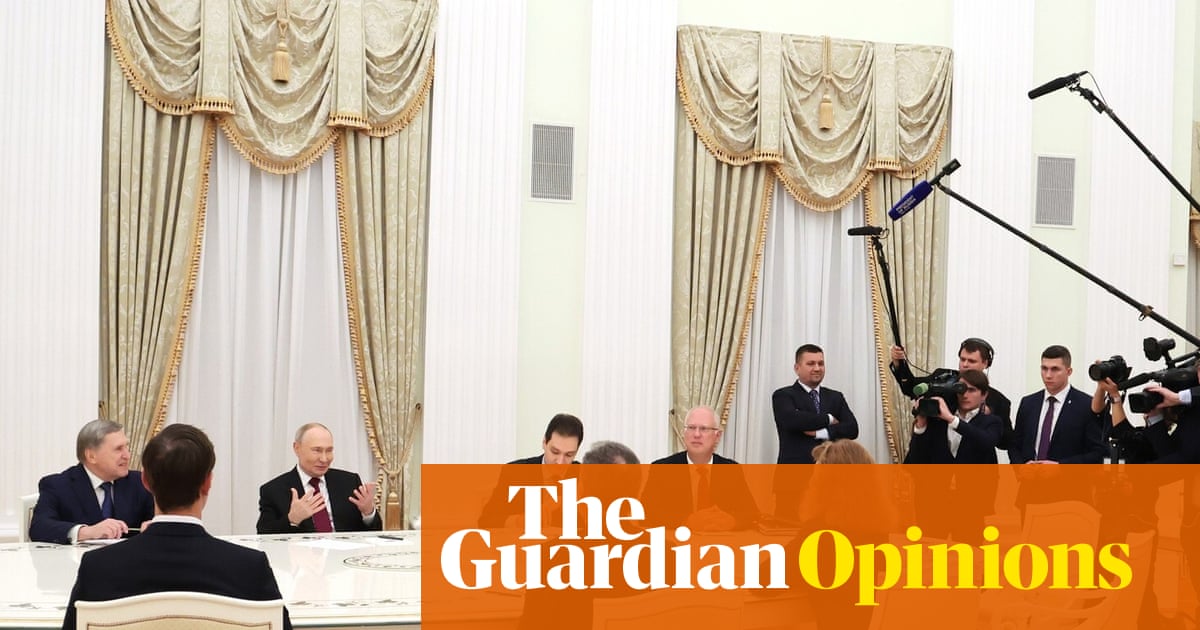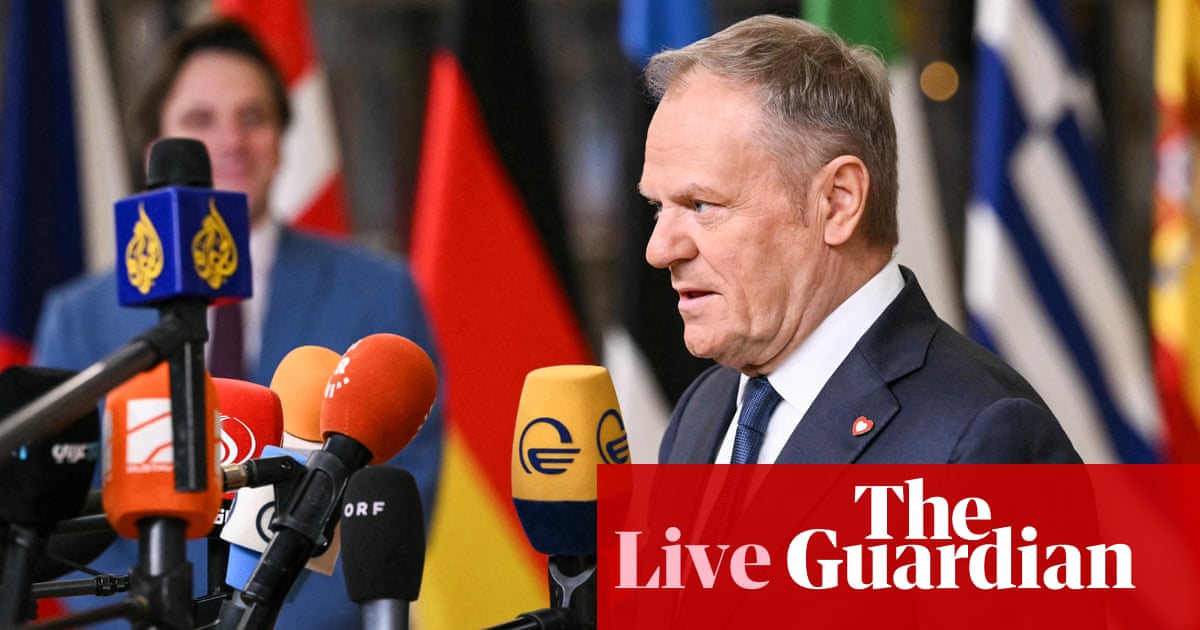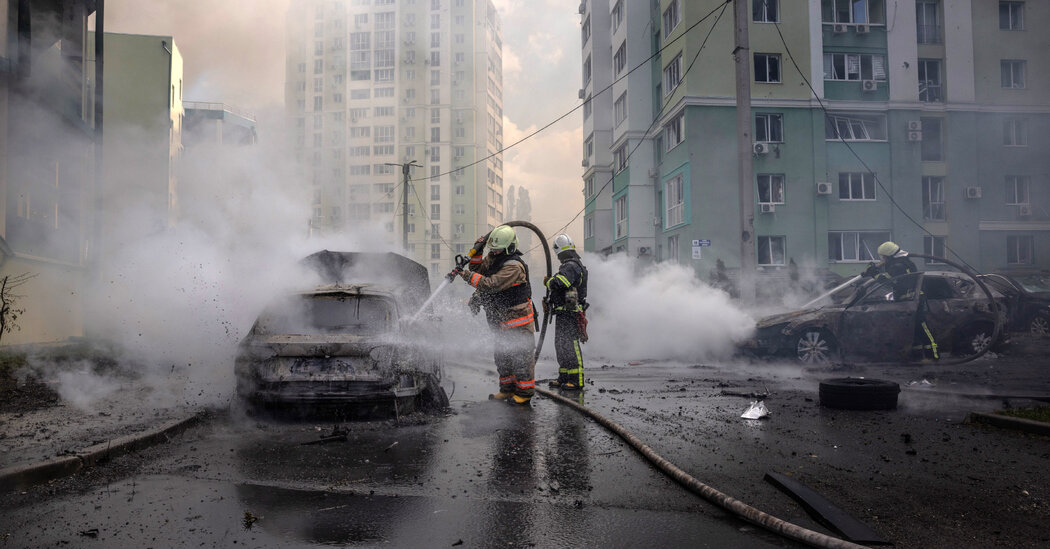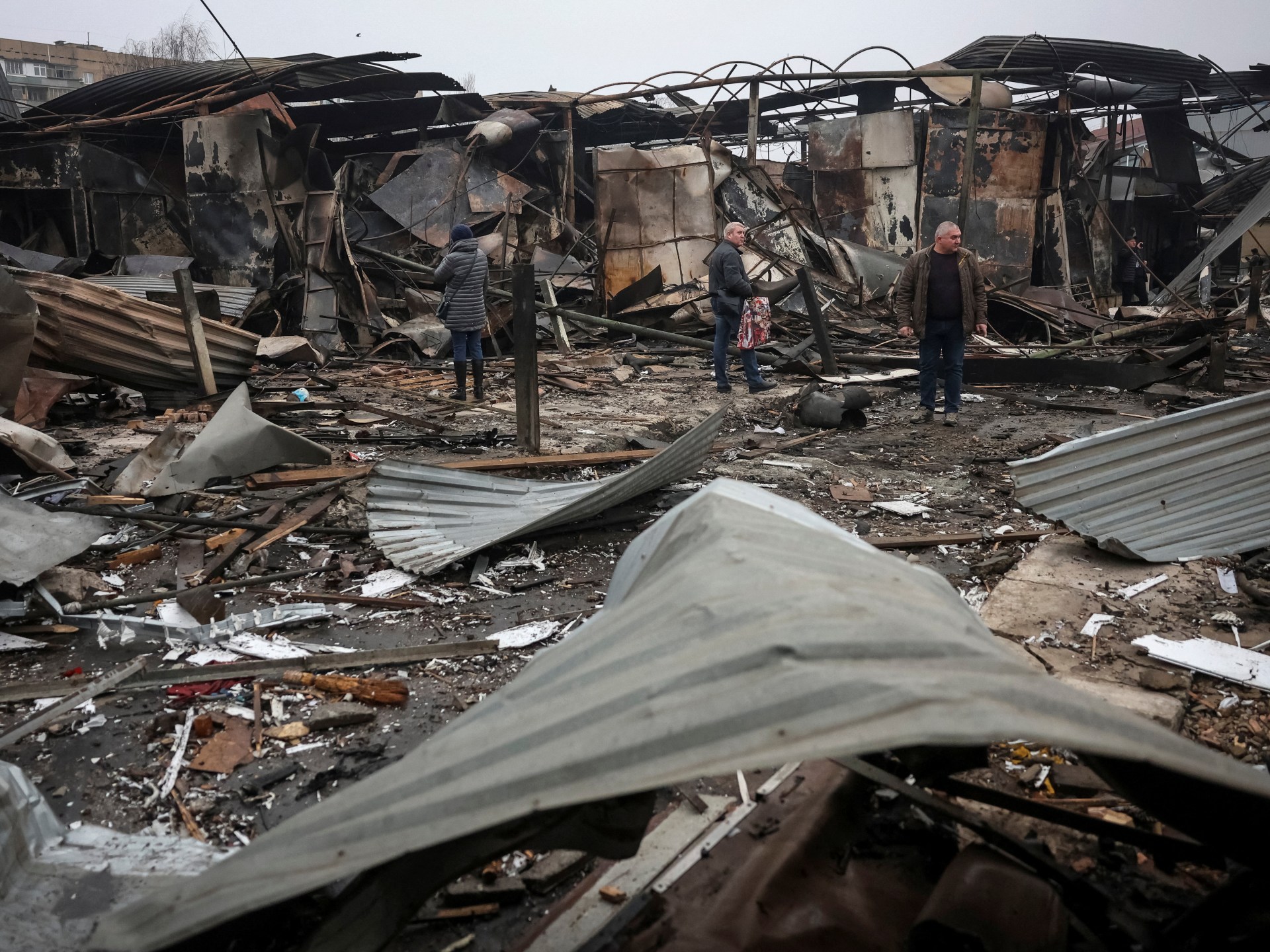
"They talk but they don't produce. And the war just keeps going on and on:" Donald Trump once again sharply criticized the Europeans' approach to the Russia-Ukraine conflict in an interview with the US news site Politico on December 9. As harsh as it may be, there is some truth to this assessment. Despite its unwavering support for Kyiv, the European Union has often struggled to turn words into action. In the coming days, it will have the chance to prove the opposite by resolving the thorny issue of frozen Russian assets on its territory due to international sanctions. At a crucial summit in Brussels on Thursday, December 18, and Friday, December 19, the EU is set to decide the fate of €210 billion in assets it wants to use as leverage to ramp up aid to Ukraine.
The 27 member states are up against a wall. While they managed in the first half of the year to compensate for the suspension of US aid by Trump, support has faded since the summer, according to data published by the Kiel Institute. Without new funding by spring 2026, Ukraine's finances will be exhausted. The country would then be forced to make unacceptable compromises in the face of Russian aggression.
Subscribers only
Zelensky and European leaders seek US commitment to deter Russia from attacking Ukraine