A
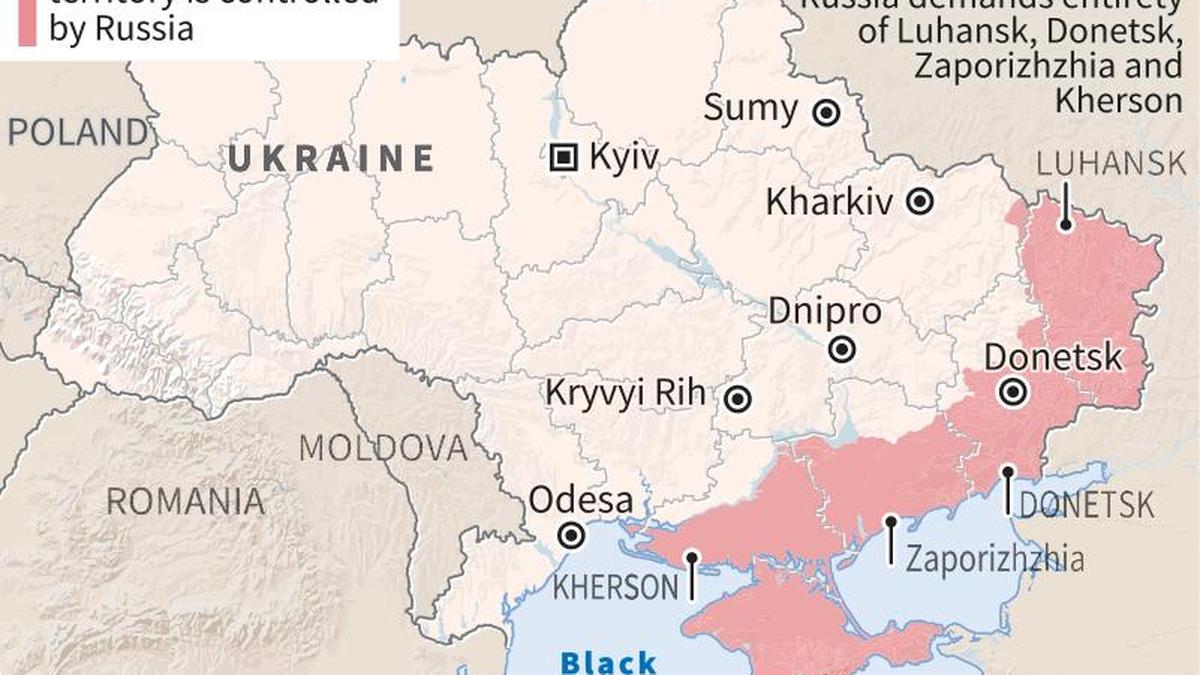
sense of defeatism seems to hang over Ukraine's cause. The precarious situation in Pokrovsk, the end of US aid and diplomatic pressure surrounding a so-called "peace plan" negotiated without Ukraine or its European allies have all fueled the Russian narrative of a doomed resistance. According to this prevailing discourse, Ukraine has run out of strength, Europe has resigned itself and Washington is ready to end the conflict – not only by accepting Russia's illegal annexations, but also by opening the door to a Russian sphere of influence whose reach no one can predict.
That vision is misleading. While no one denies the challenges of the moment, Ukraine is far from defeated. For nearly four years, Ukraine has endured a shock that no European democracy has faced in the 21st century. And yet, it has held firm. In the Donbas, Russia loses between 20,000 and 25,000 soldiers each month for minimal territorial gains. The small town of Pokrovsk, which the Russian military command had expected to seize over a year ago, has still not fallen. Behind the solidity of the front line is the resilience of the rest of society: In 2025, Ukraine will have produced several million drones – some equipped with artificial intelligence algorithms – and developed innovative systems for electronic warfare, missile defense and deep-strike capabilities.