S
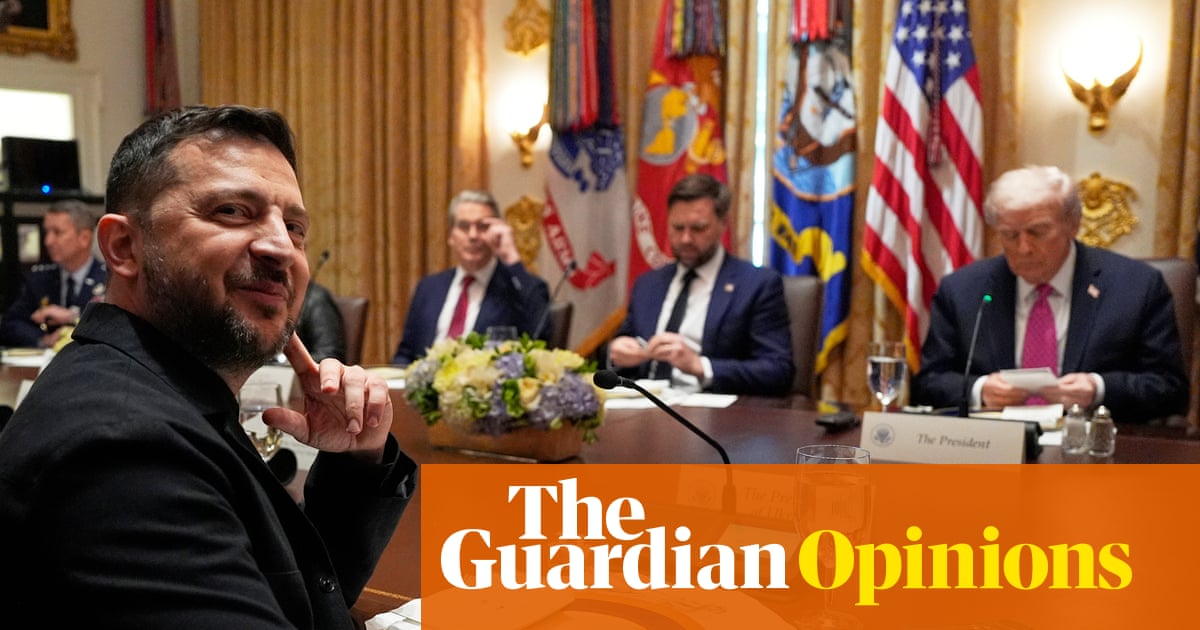
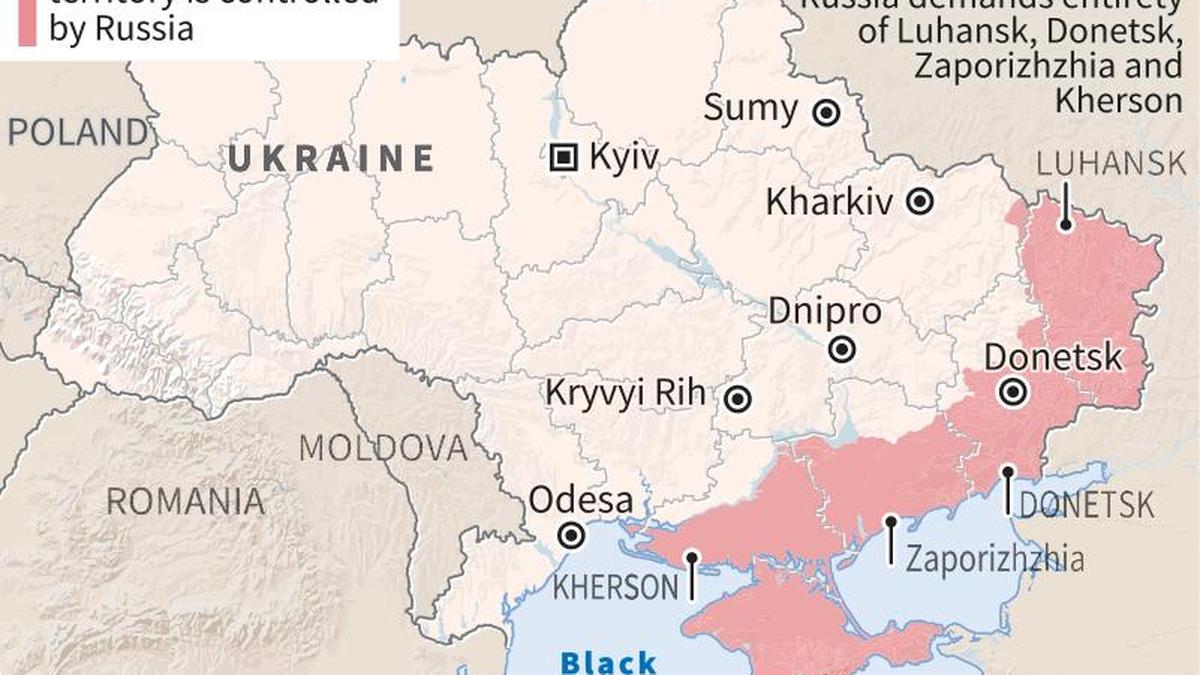
o far, Donald Trump's ultimatums regarding Ukraine have shared an inevitable fate: They have always faded away on their own. The most recent one, delivered to Kyiv, required that they accept, by Thursday, November 27, a "peace plan" so favorable to Moscow it could have been drafted by Russian artificial intelligence. This shaky and contested plan, immediately partially rewritten, at least served as a reminder of a constant: the distrust, if not outright hostility, of the occupant of the White House toward Kyiv.
Subscribers only
Europeans seize on latest US reversal to push for Ukraine security guarantees
This attitude goes back a long way, with the first sign appearing as early as July 2016. On the eve of the Republican National Convention that would nominate Trump for the presidential election, the Republican Party's platform chief was approached by emissaries from the magnate who asked her to replace, in the section supporting the delivery of military aid to Ukraine, the phrase "lethal defensive weapons" with "appropriate assistance."