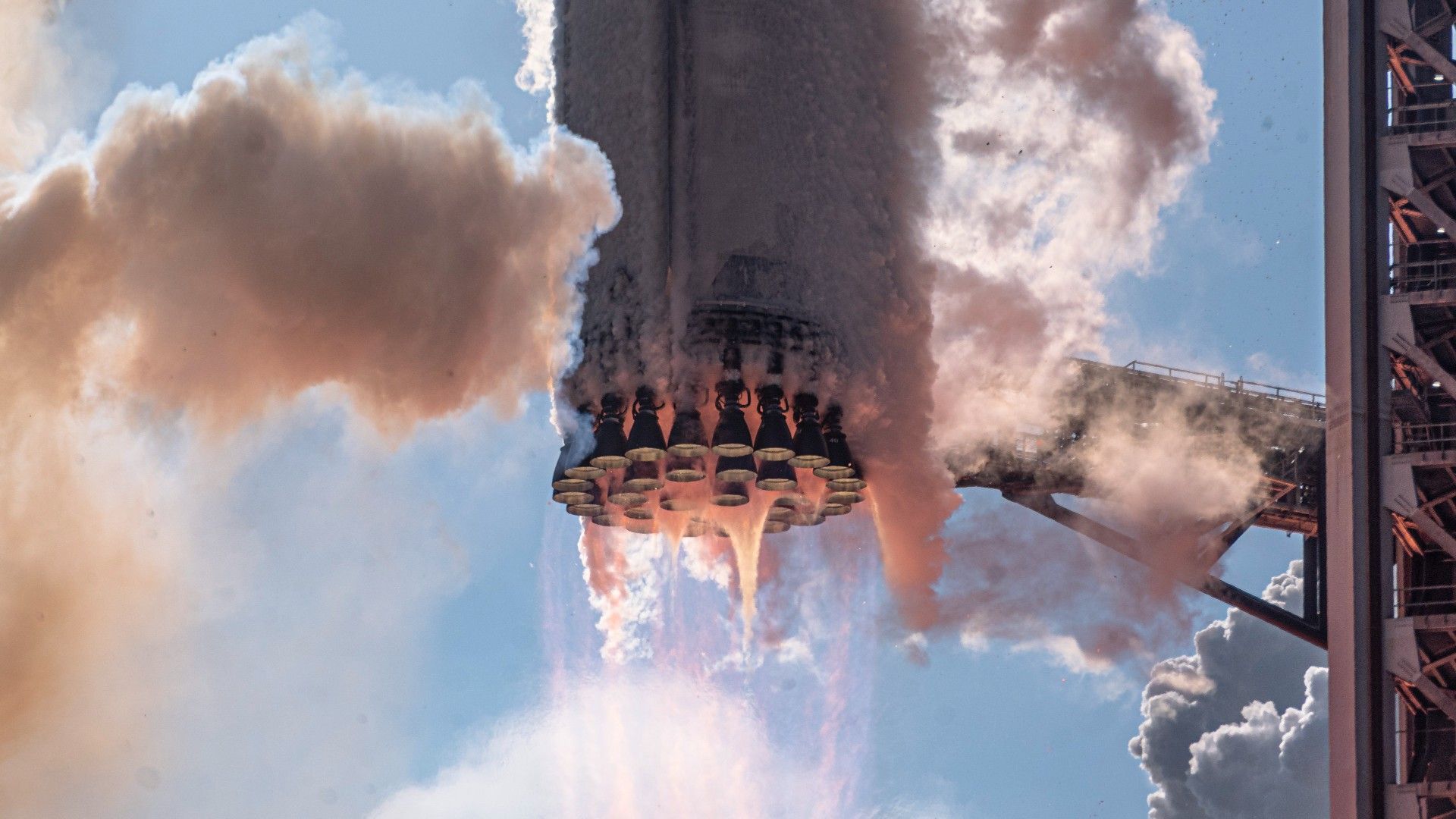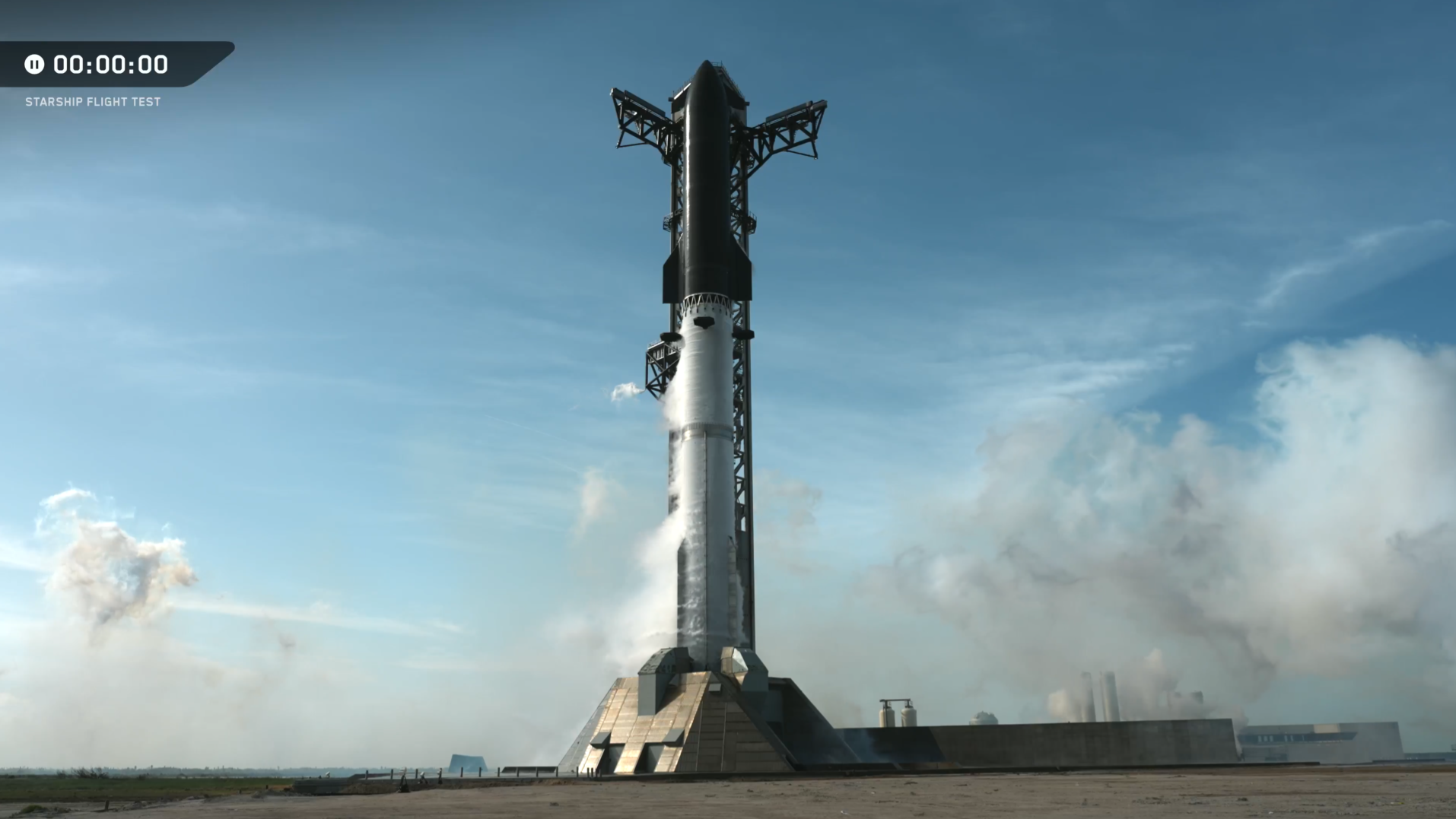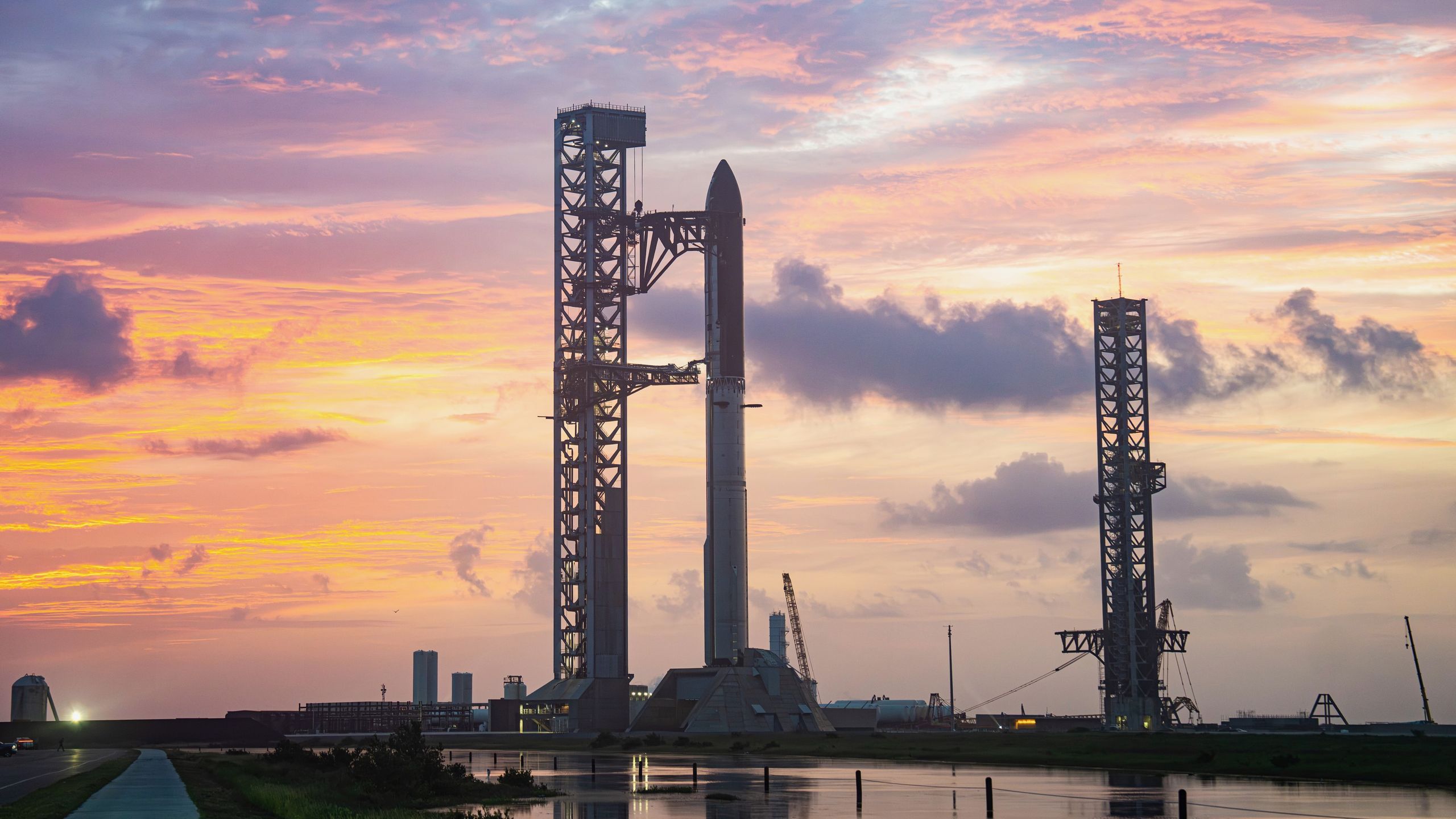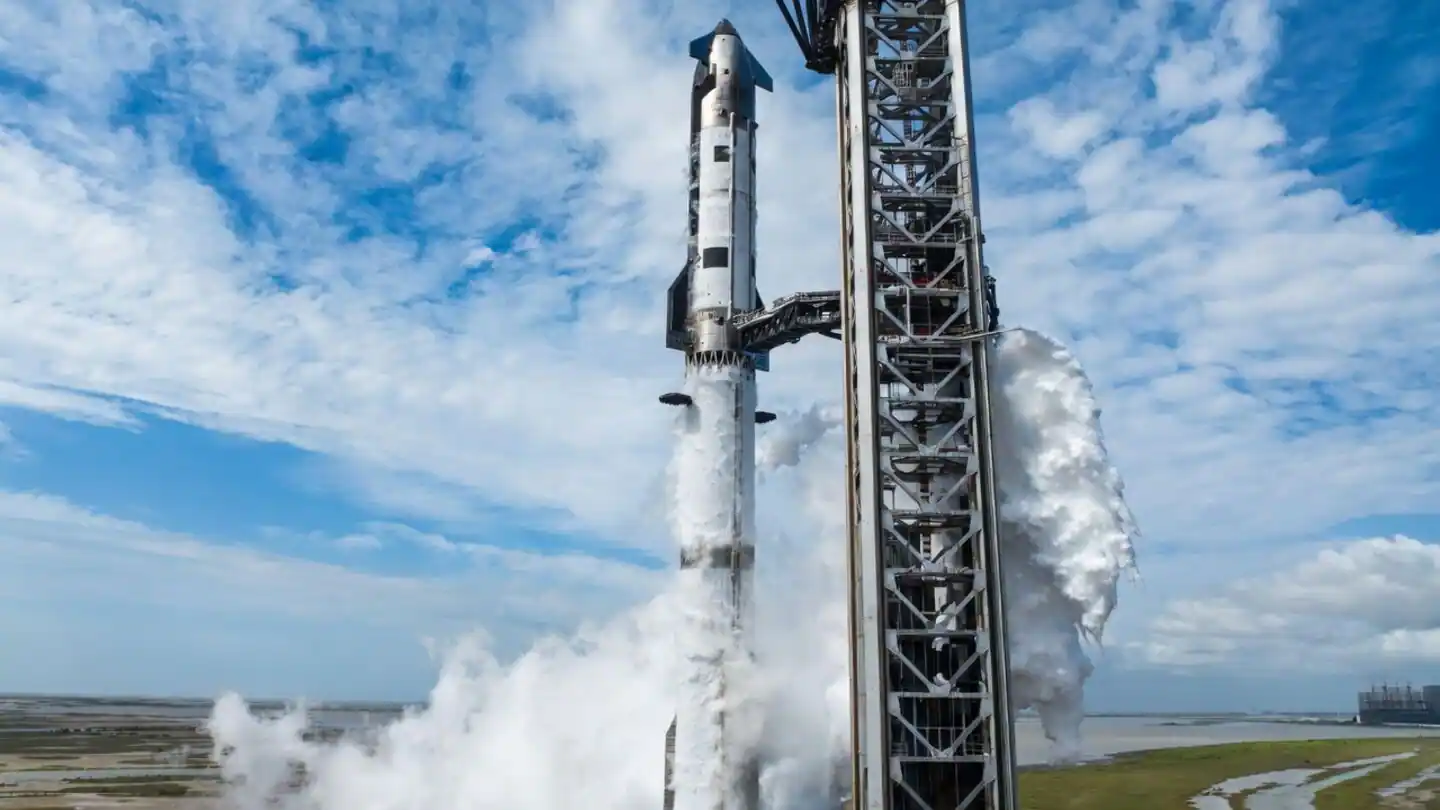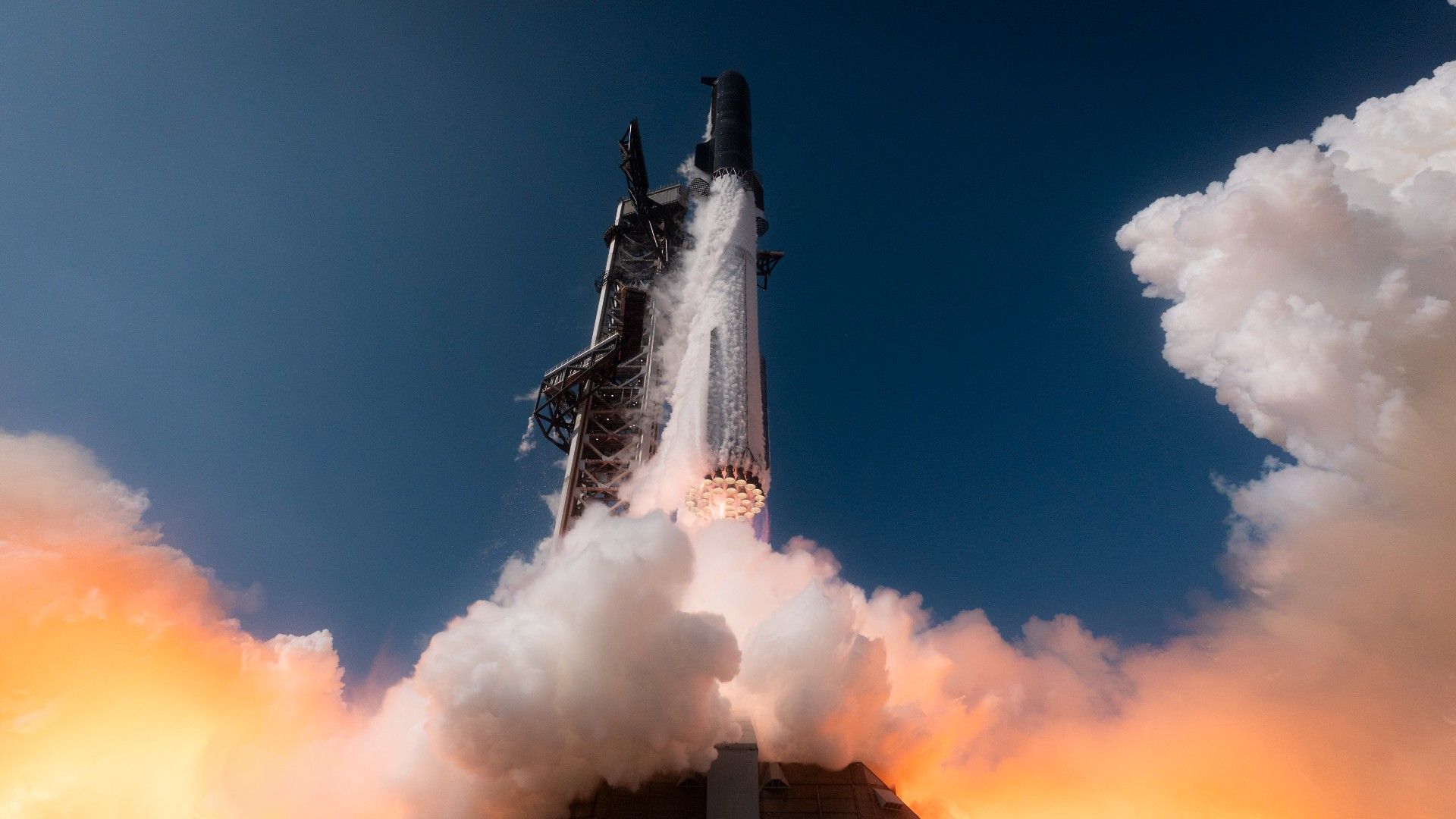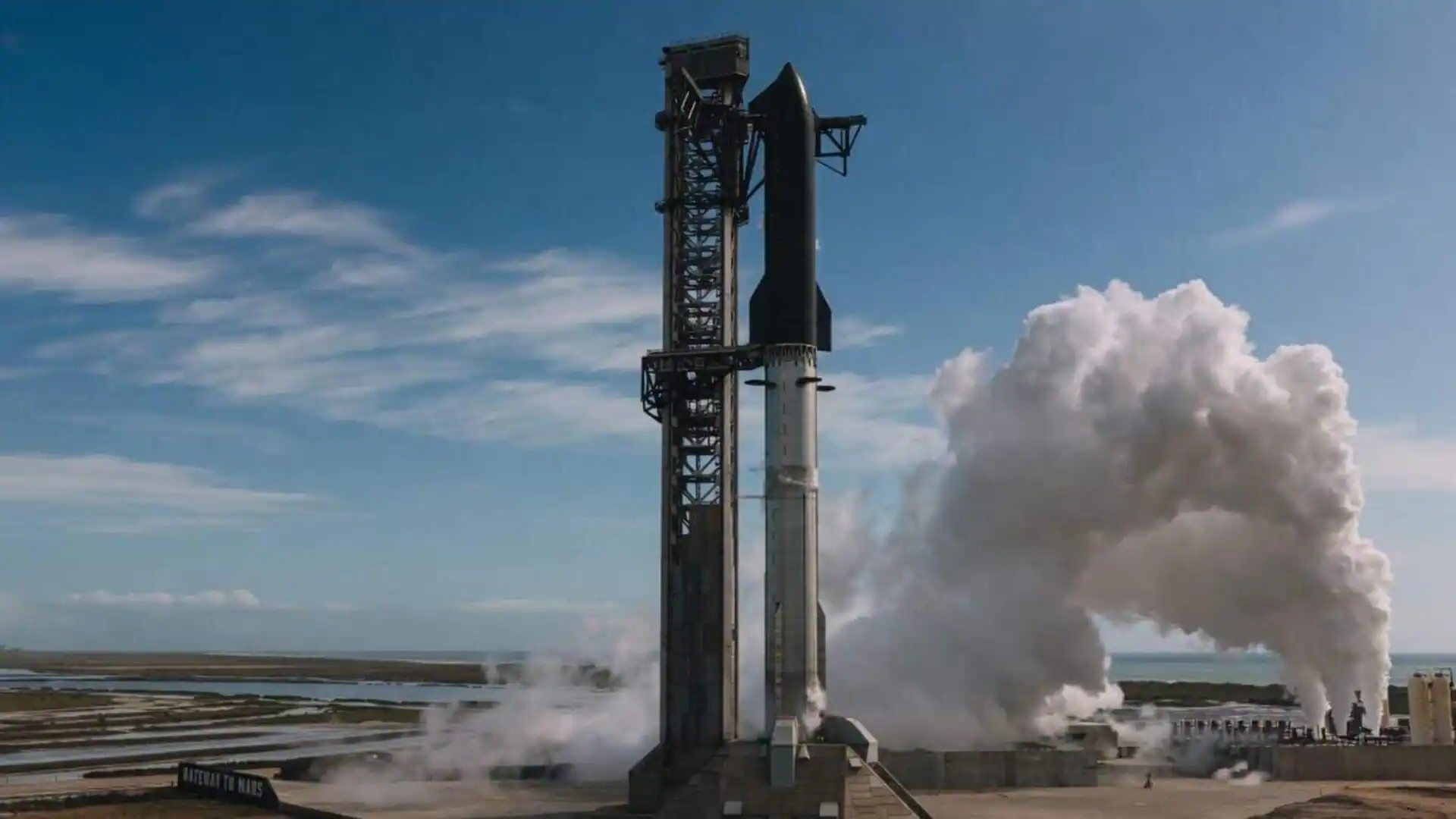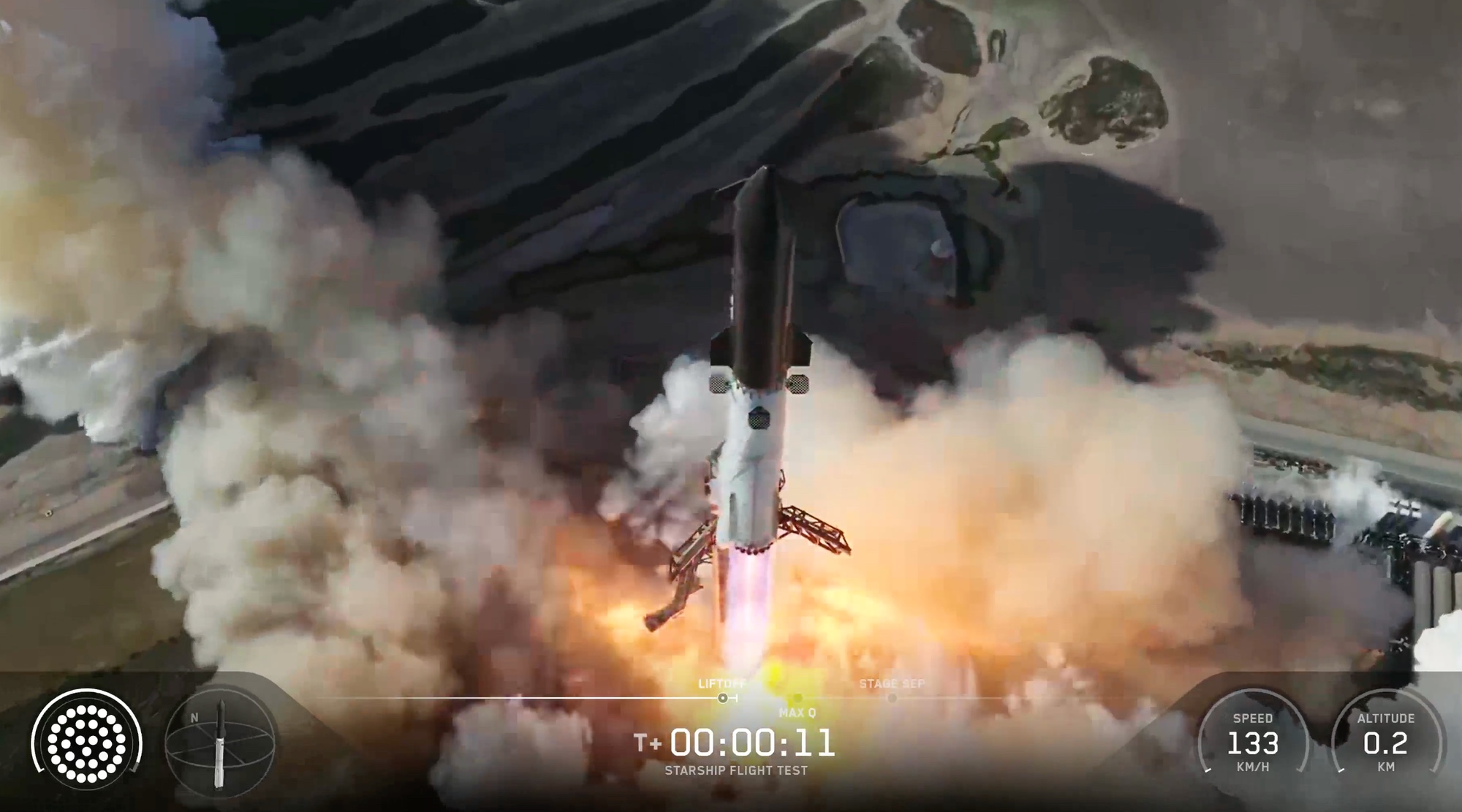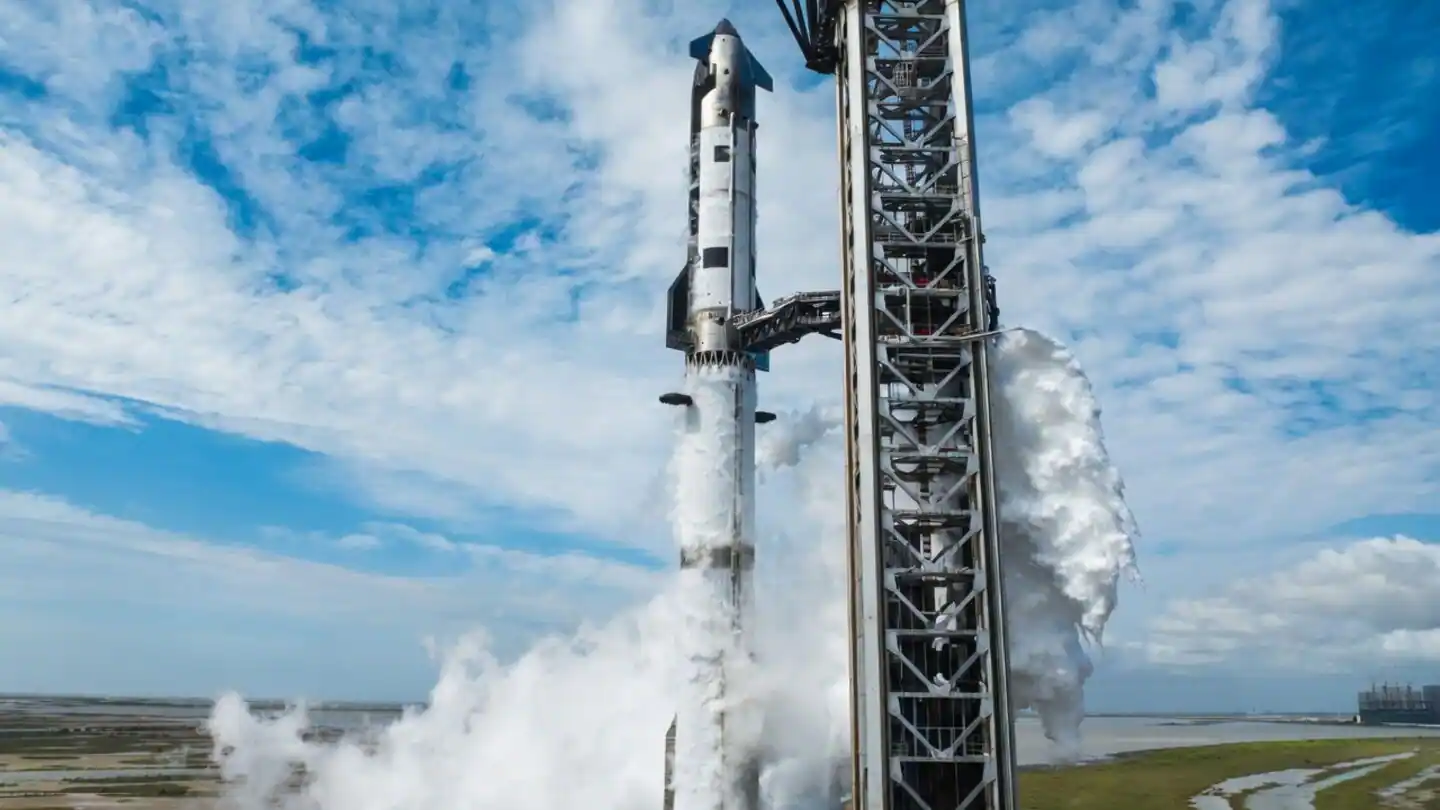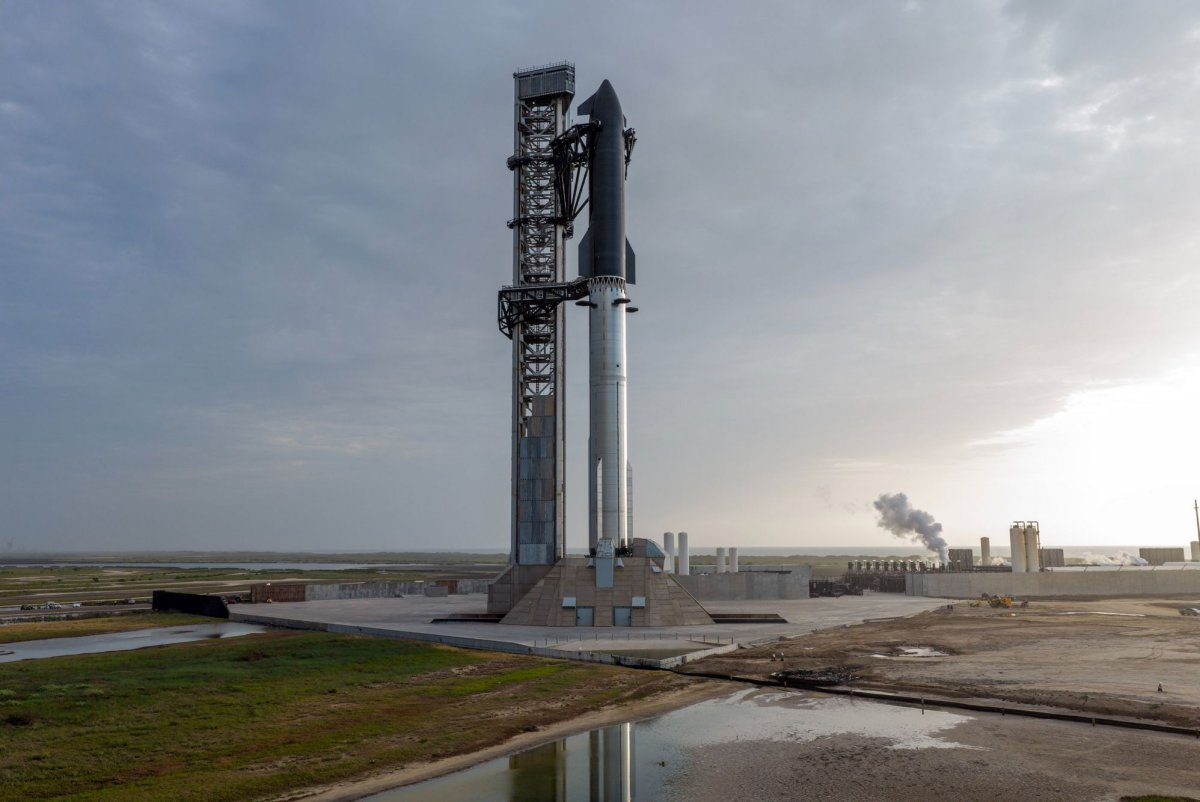
SpaceX is set to attempt the 13th flight test of Starship on Thursday, July 23, as the company continues testing the world's most powerful rocket after a scrubbed launch attempt last week.The silhouette of Elon Musk and SpaceX logo are seen in this illustration. (REUTERS)The launch window is scheduled to open at 5:45 pm CT (6:45 pm ET) and will remain open for 90 minutes. SpaceX said its live webcast will begin around 30 minutes before liftoff on its website and official X account. The company cautioned that the schedule could change depending on weather or technical conditions.The mission follows an aborted launch on July 16, when several engines failed to ignite during startup, triggering an automatic scrub, according to SpaceX founder Elon Musk.What are the goals of Starship Flight 13?According to SpaceX, Flight 13 will revisit several objectives from the previous test while introducing new milestones, including the first deployment of 20 next-generation Starlink V3 satellites.The Super Heavy booster will attempt a successful launch, stage separation, boostback burn and controlled landing at an offshore site in the Gulf of America. Meanwhile, the Starship upper stage is expected to deploy the satellites, restart a single Raptor engine in space and complete a controlled splashdown in the Indian Ocean.The Starlink V3 satellites are designed to improve the network's capacity and internet speeds. As part of the test, they will extend their solar arrays and antennas and attempt to communicate with the wider Starlink constellation using high-capacity laser links before re-entering Earth's atmosphere and burning up roughly 20 minutes after deployment.Also Read: Jack Dorsey's experiment, Elon Musk's empire: 20 years of twttr, now X, and how it changed the worldWhat's different after the last Starship test?SpaceX says it has made several hardware and software modifications after problems encountered during Flight 12.During that mission, differences in engine startup caused the Super Heavy booster to rotate incorrectly during its flip maneuver. Five of its 33 engines also failed to relight during the boostback burn, preventing the maneuver from being completed as planned.The company has since updated the engine startup sequence, improved engine relight hardware and refined onboard software intended to make the booster more reliable during flight.The Starship upper stage has also received propulsion system upgrades after one of its three vacuum-optimized Raptor engines shut down about 40 seconds after stage separation during the previous mission. Although the vehicle still reached its planned suborbital trajectory, SpaceX said the changes are aimed at improving engine reliability on future flights.In addition, six of the 20 Starlink satellites will carry cameras to photograph Starship's heat shield during flight. Engineers have also painted several heat shield tiles white to simulate missing tiles and test inspection techniques that could support future return-to-launch-site missions.Also Read: Why Elon Musk's xAI is facing backlash over claims it uploaded users' code"The thing that separates us from a lot of other companies is that we test fast and we test often, and that includes launches," Tim Southerton, SpaceX's director of Starship launch engineering, said in the company's documentary Critical Path.The latest test is a step toward SpaceX's long-term goal of developing a fully reusable rocket capable of supporting NASA's Artemis Moon missions and, eventually, human missions to Mars.
What time is SpaceX's Starship Flight 13 launch today? Schedule, live stream, test goals
SpaceX plans its 13th Starship flight test on July 23, following a previous launch scrub due to engine failures.
534 words~2 min read