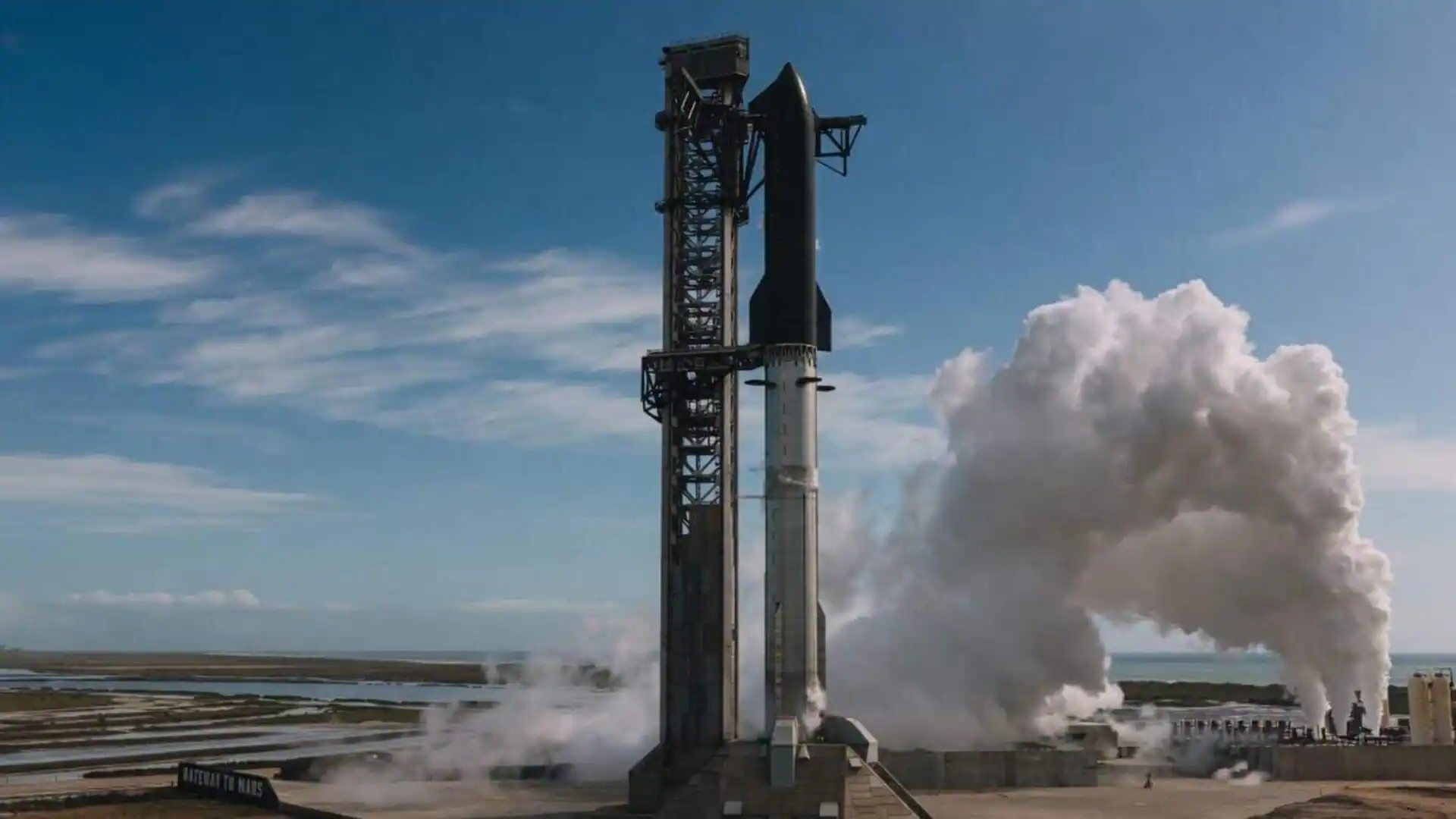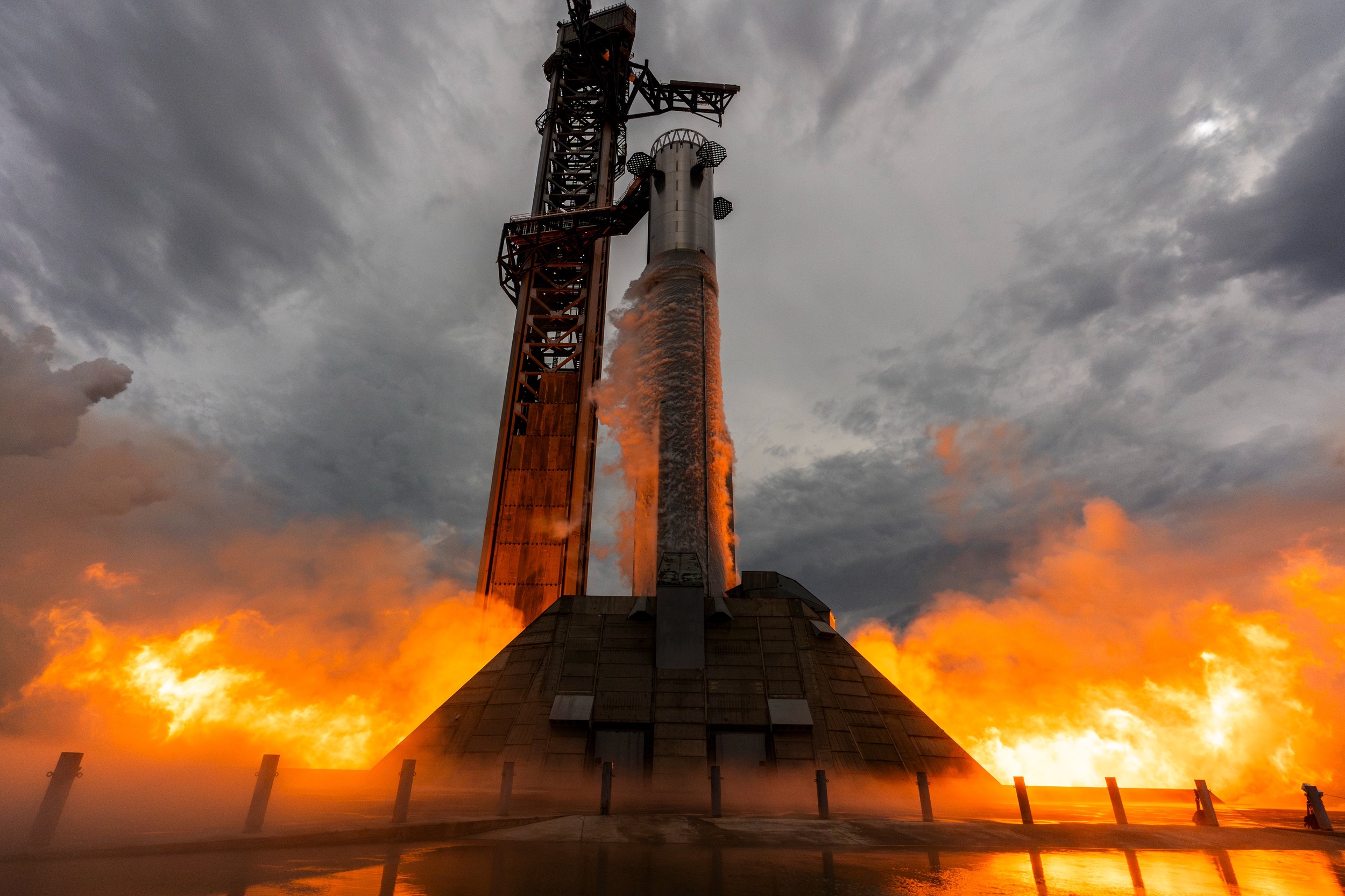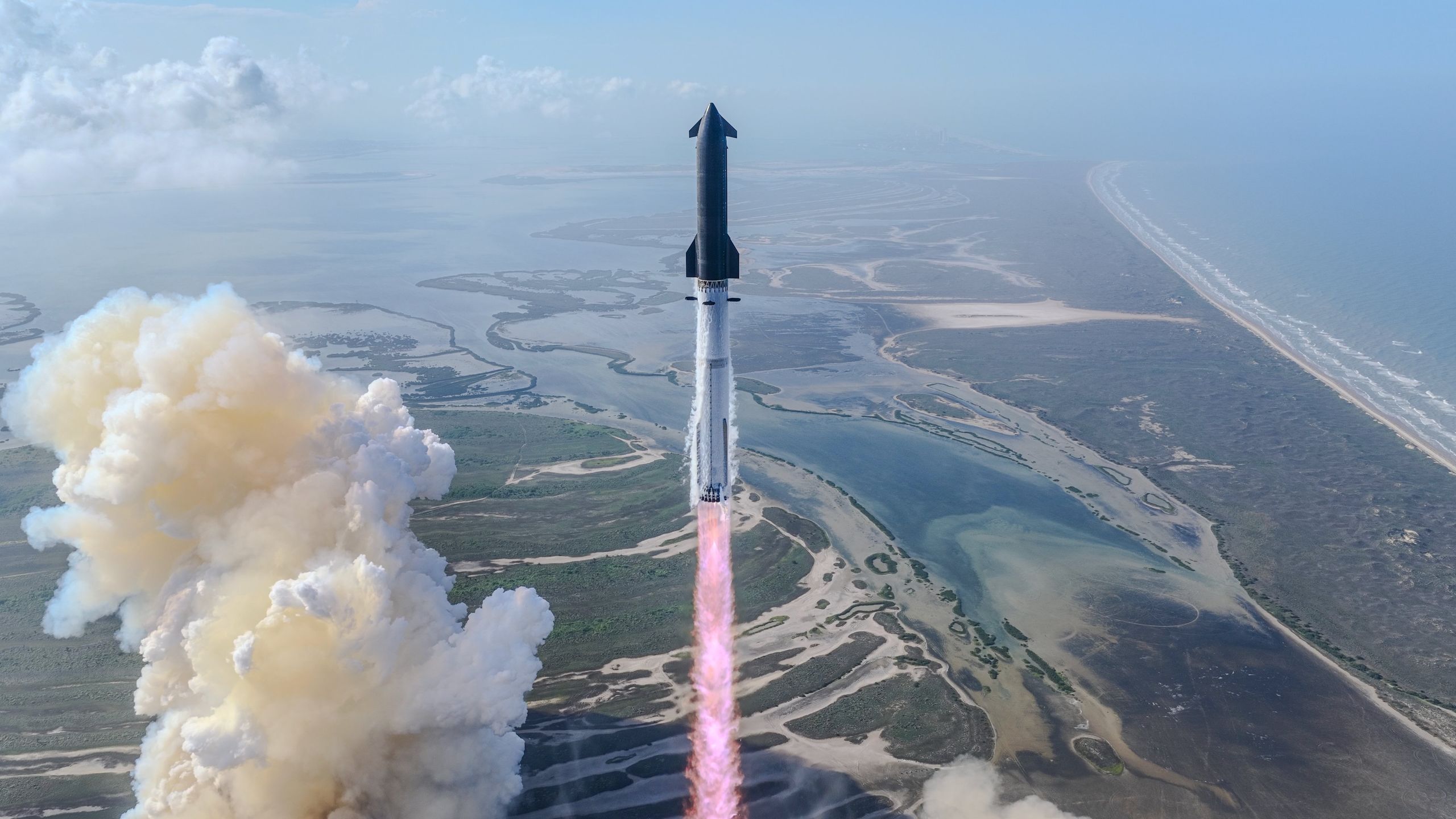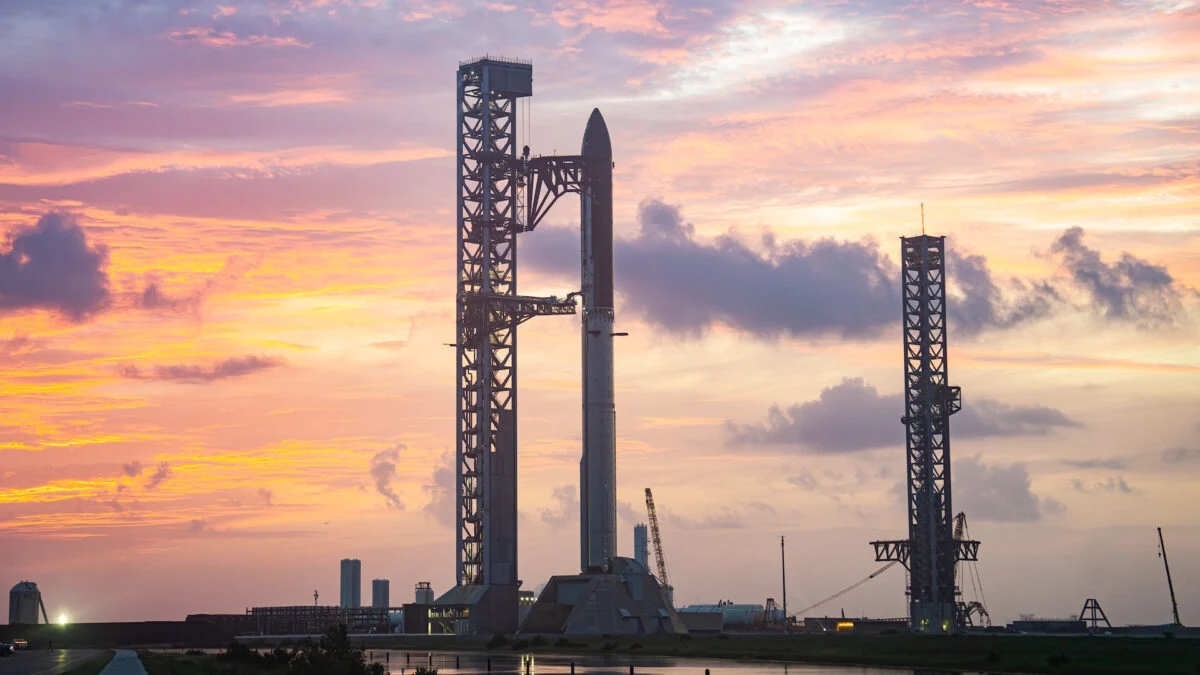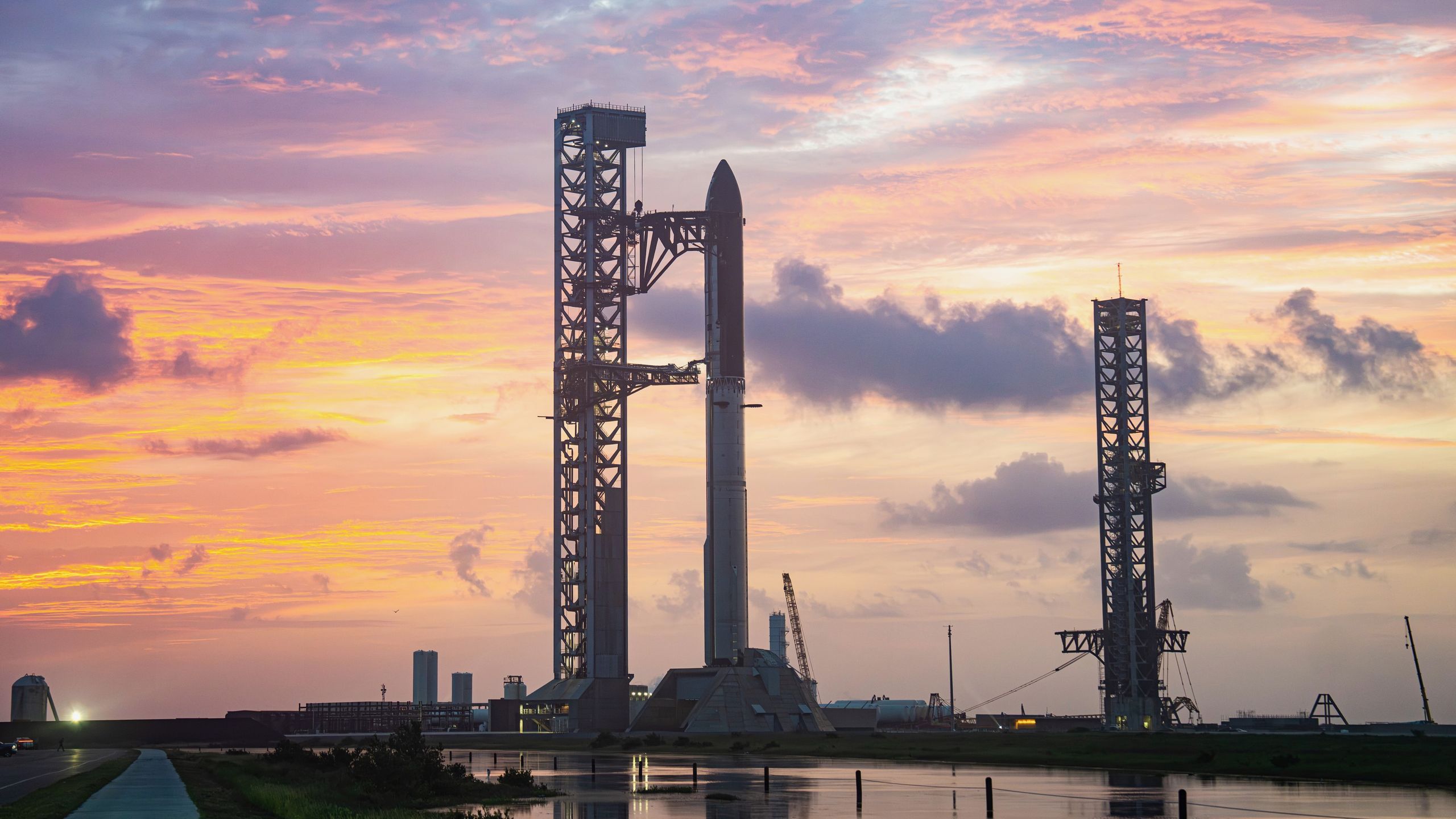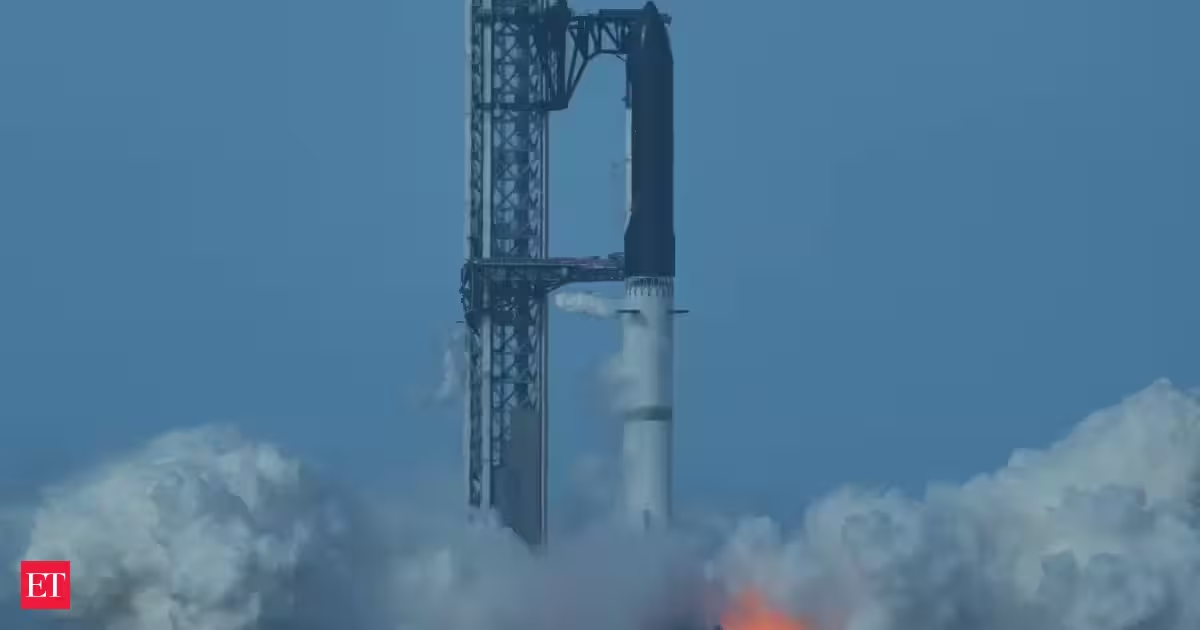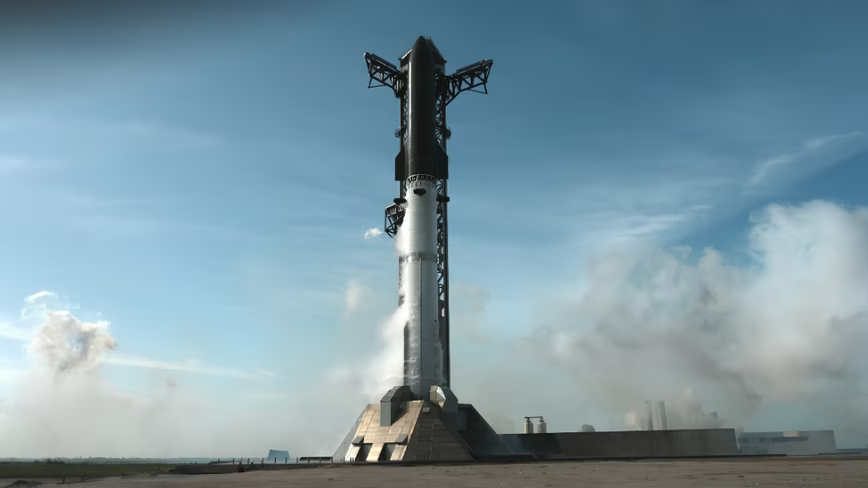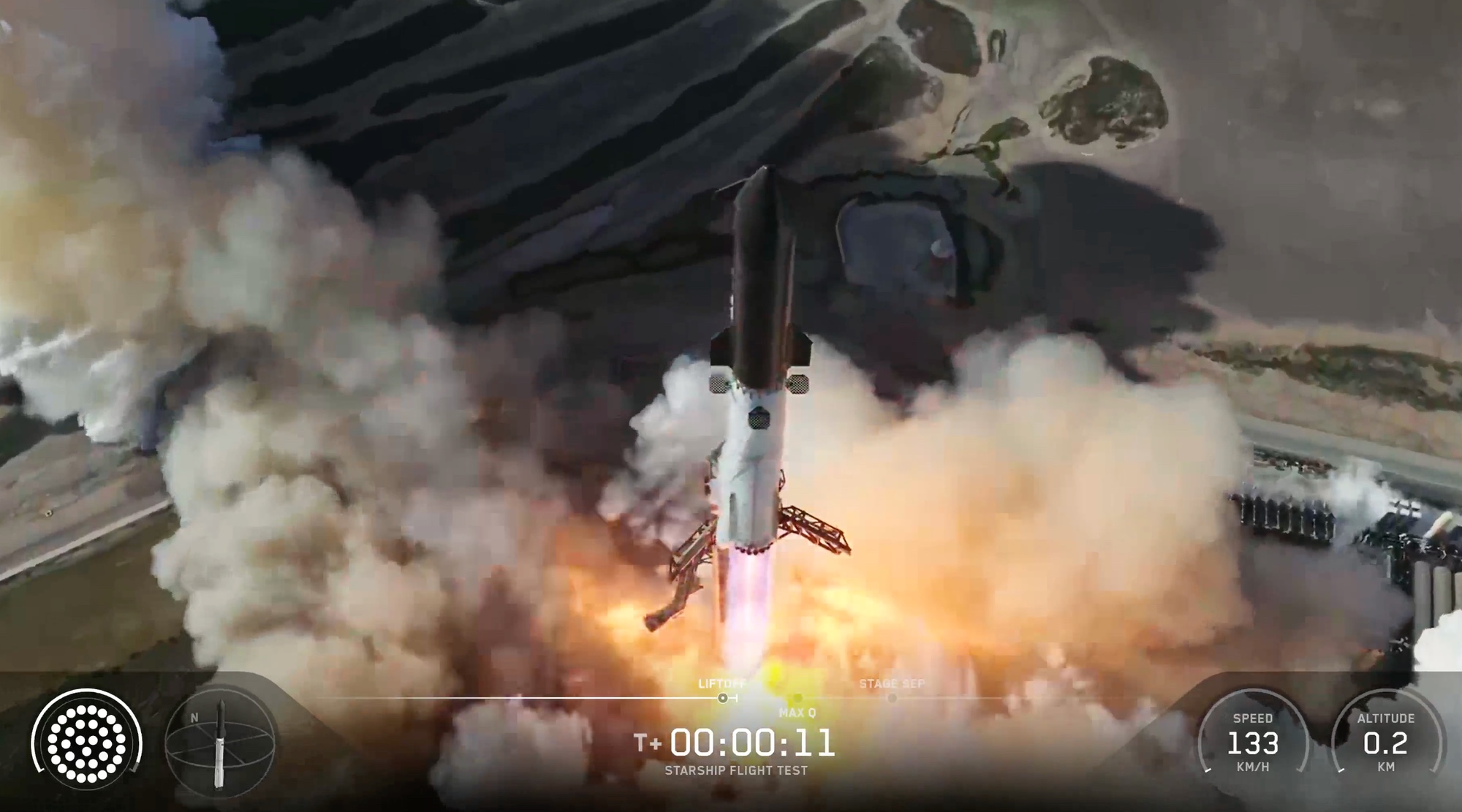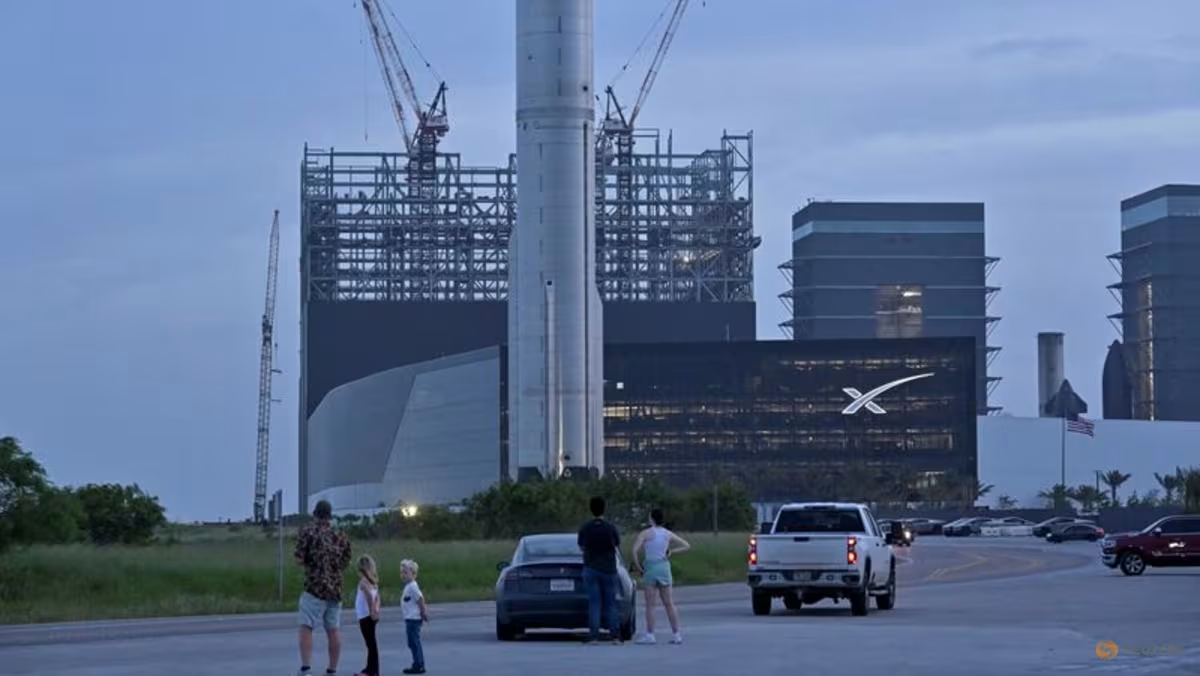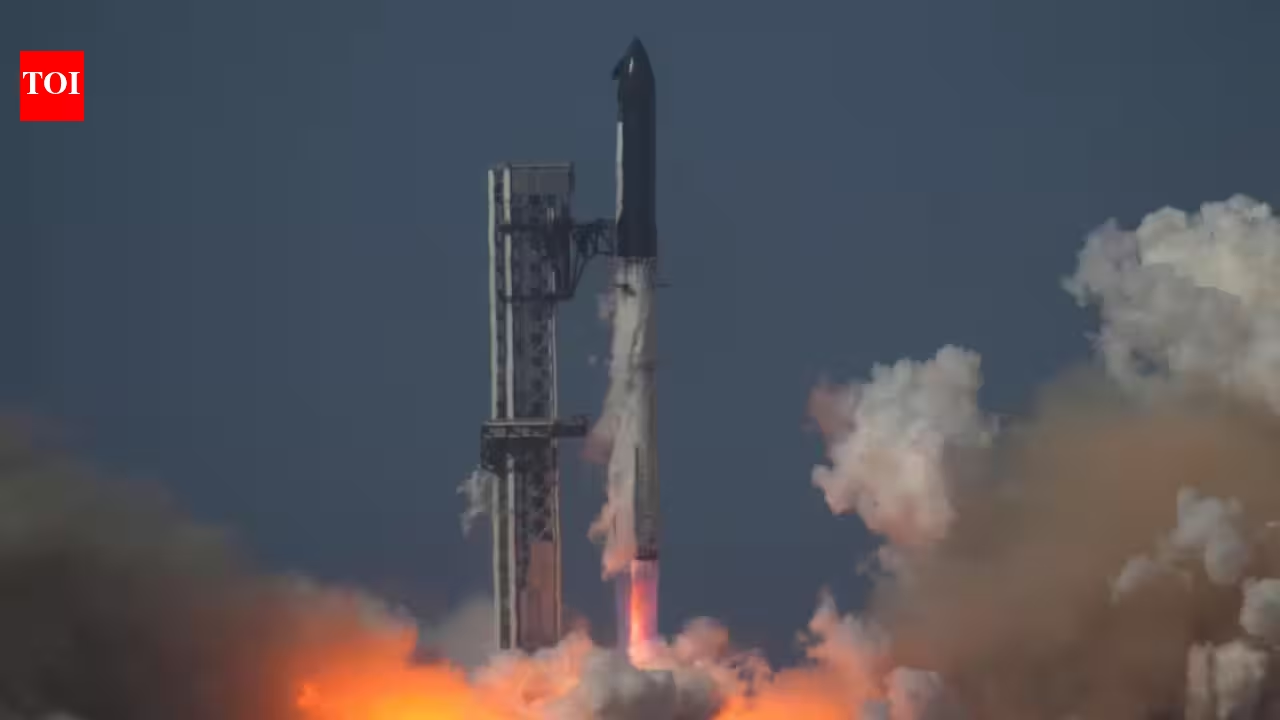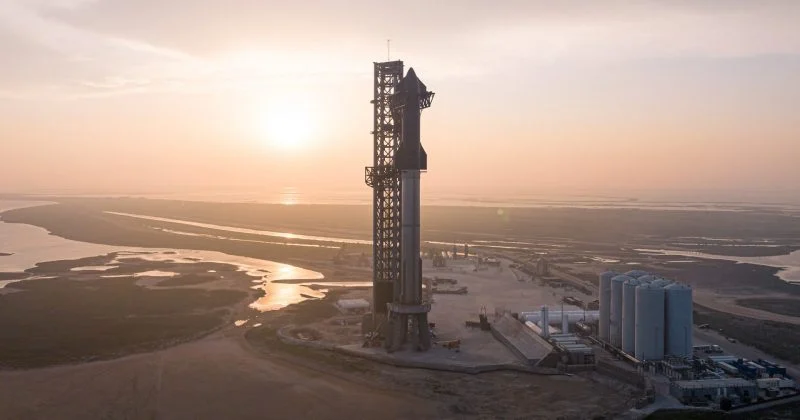
SpaceX is taking another swing at launching its Starship mega-rocket after an ignition issue killed last week’s attempt at the literal last second. Flight 13, targeting a July 23 launch from Starbase in Boca Chica, Texas, will carry 20 Starlink V3 satellites and test a series of engineering fixes that could determine the pace of SpaceX’s most ambitious program.
What happened and what’s next
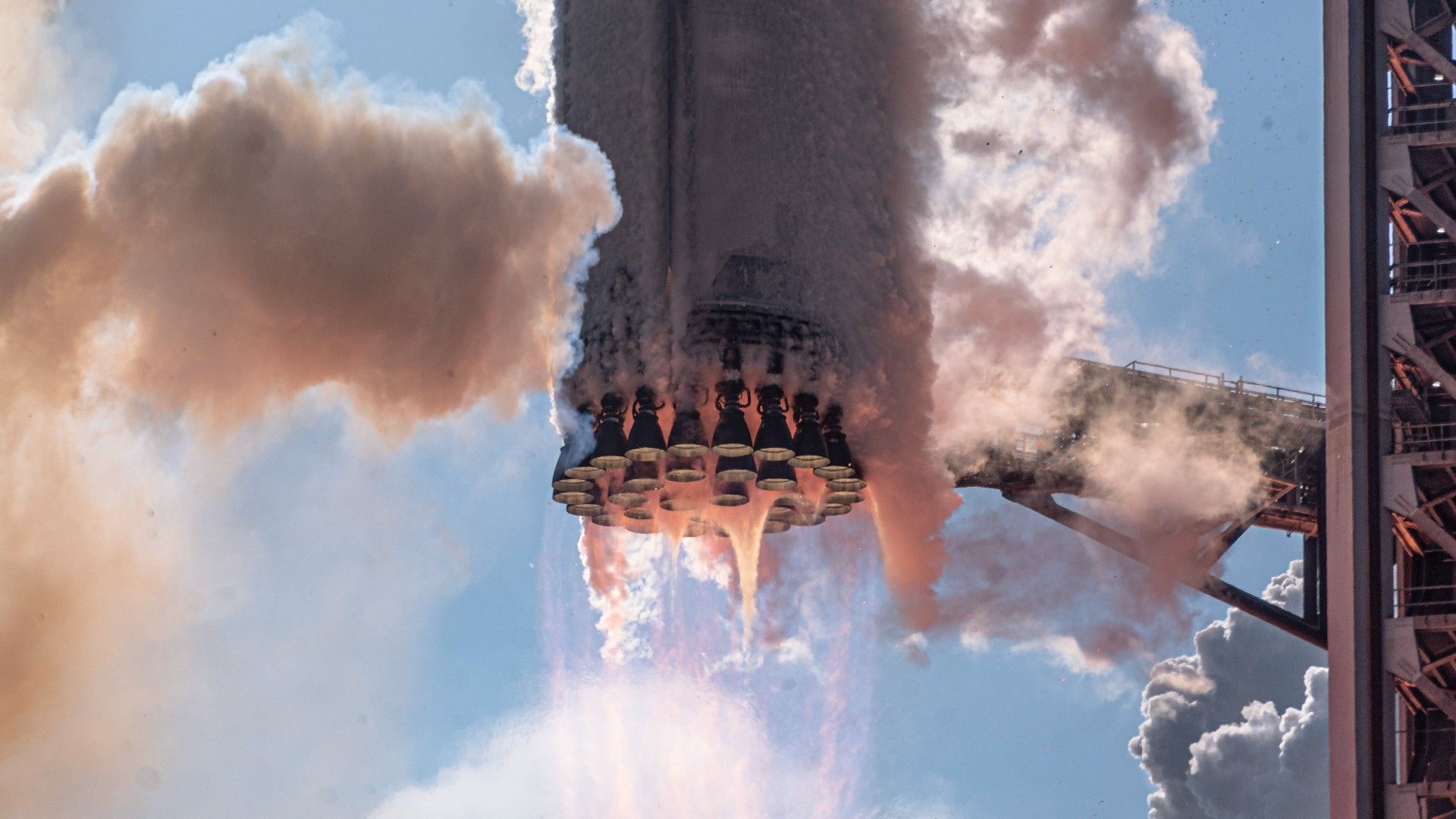
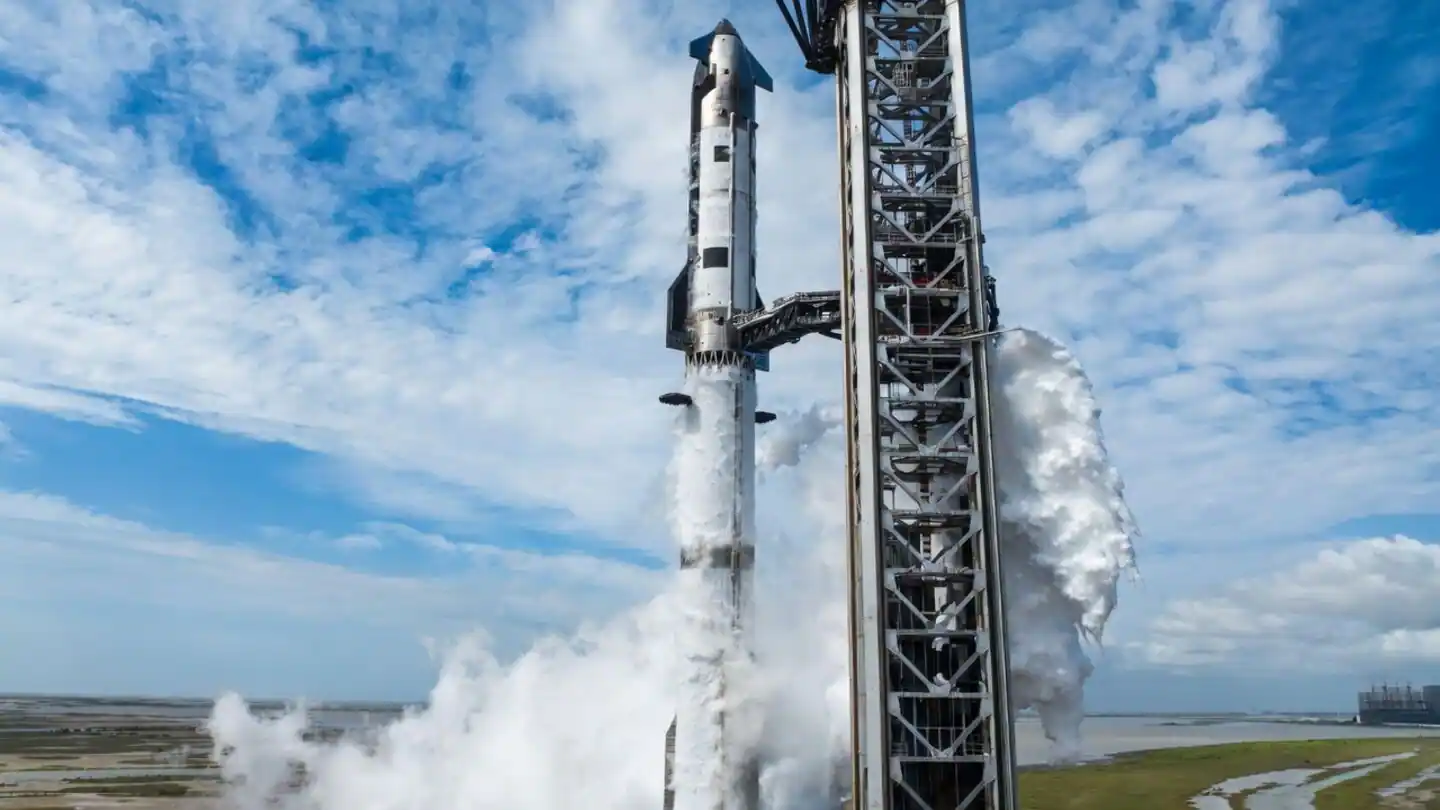
On July 16, SpaceX’s Super Heavy booster experienced ignition problems at T-0 seconds, forcing controllers to scrub the launch. The rescheduled attempt has a 90-minute launch window opening at 5:45 p.m. CT on July 23. SpaceX will use Booster 20 and Ship 40, both built in the newer V3 configuration that debuted during Flight 12 back on May 22.
Flight 12 was a milestone in its own right. It marked the first use of V3 vehicles and Raptor 3 engines, and it was also the first launch from SpaceX’s newly operational Pad 2.
Flight 13’s objectives go beyond just getting off the ground. SpaceX wants to test the heat shield’s performance under high dynamic pressure, attempt an in-space Raptor engine relight, and execute the booster flip maneuver that has been refined after previous flight anomalies. The mission will also deploy 20 Starlink V3 satellites.