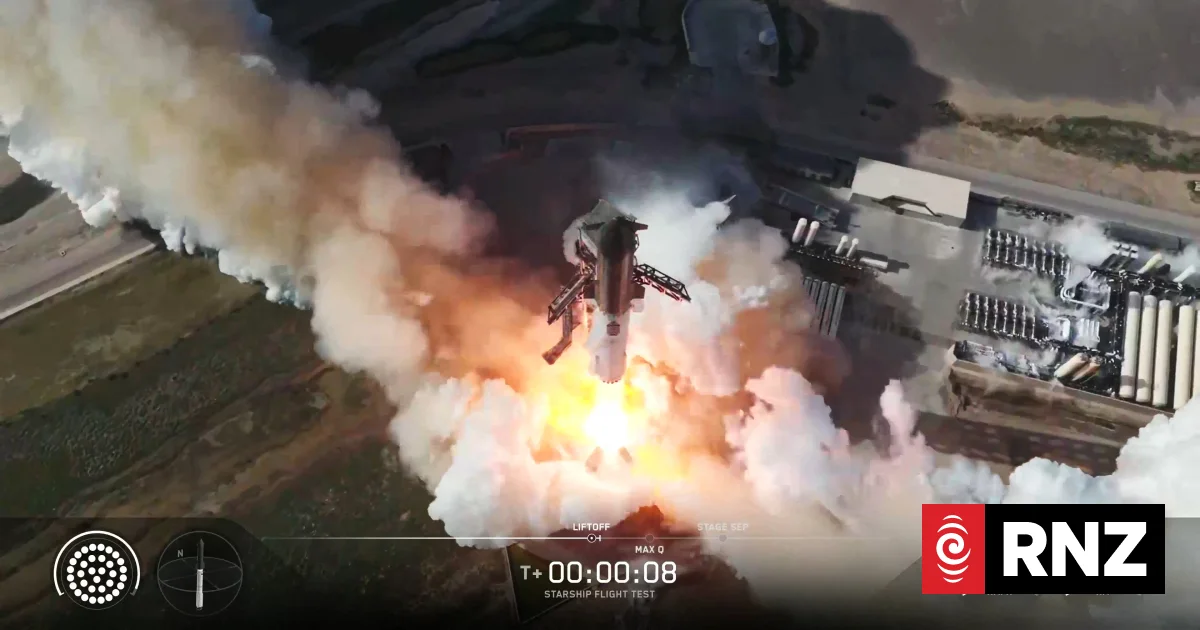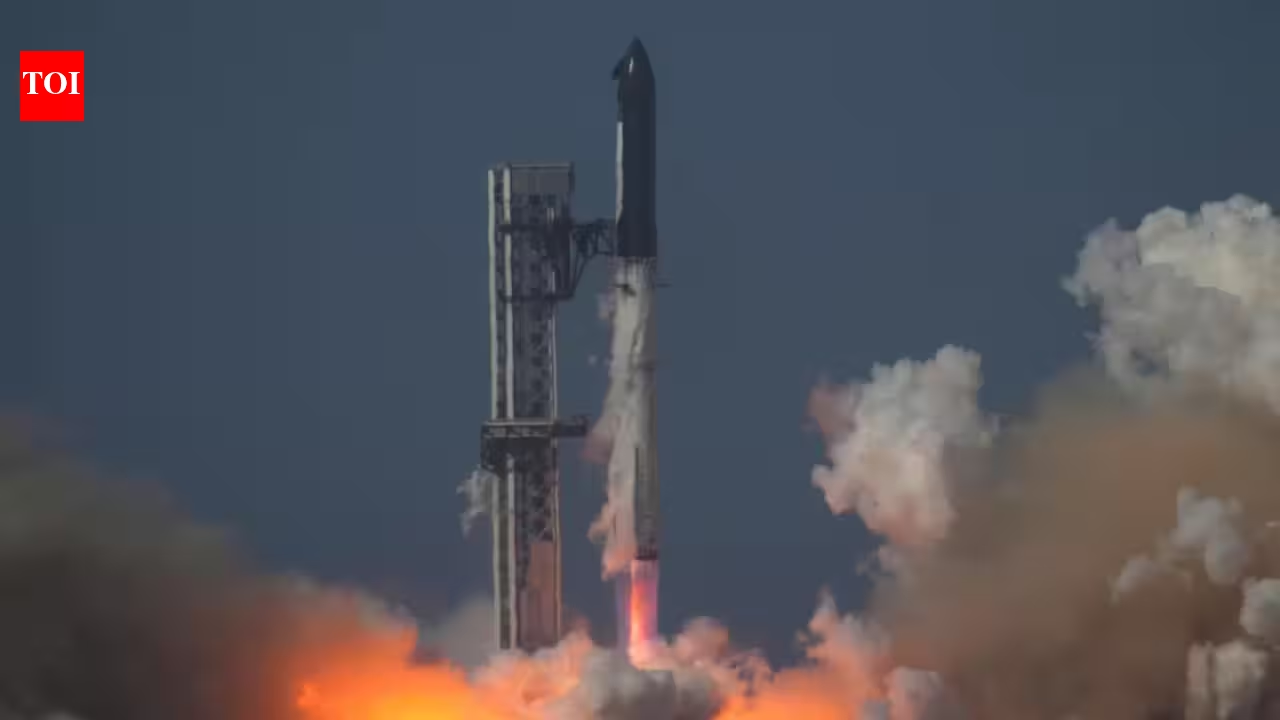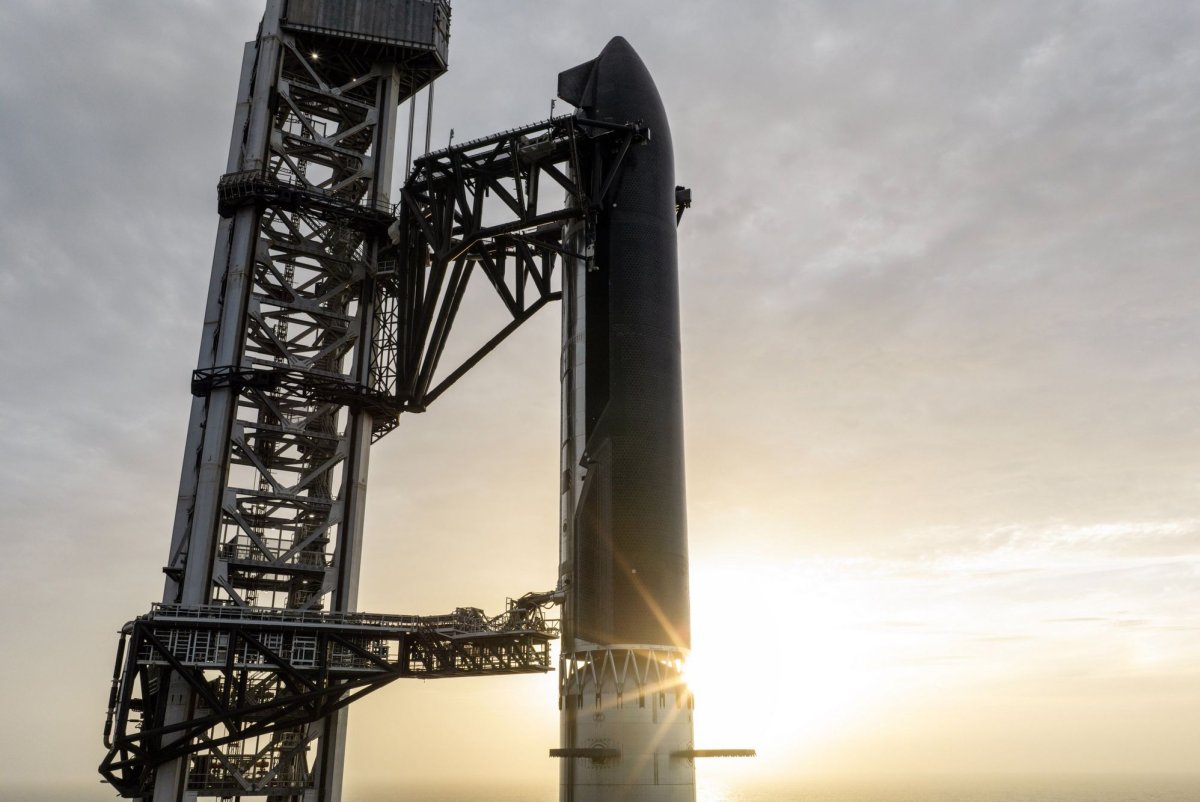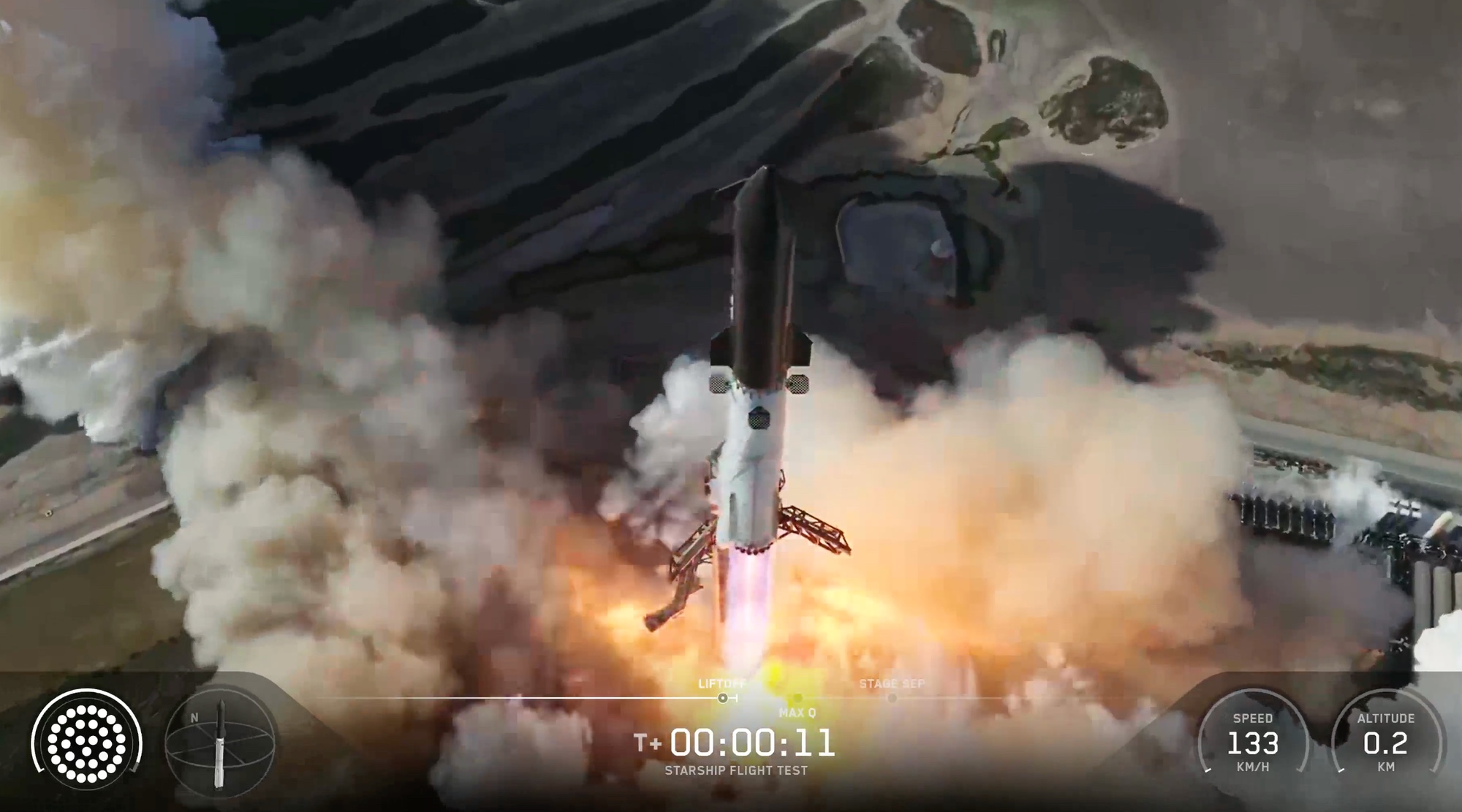
SpaceX's Starship lifts off on Flight 13 July 24. Credit: SpaceX webcast
WASHINGTON — SpaceX launched Starship on its 13th suborbital test flight July 24, correcting some of the issues seen on the previous flight while deploying functioning satellites for the first time.
Starship lifted off from SpaceX’s facility at Starbase, Texas, at 6:51 p.m. Eastern. The launch was delayed 24 hours because of cloudy conditions that would have prevented imaging of the vehicle during its ascent, although SpaceX noted on the webcast that the clouds themselves were not a constraint to launch.
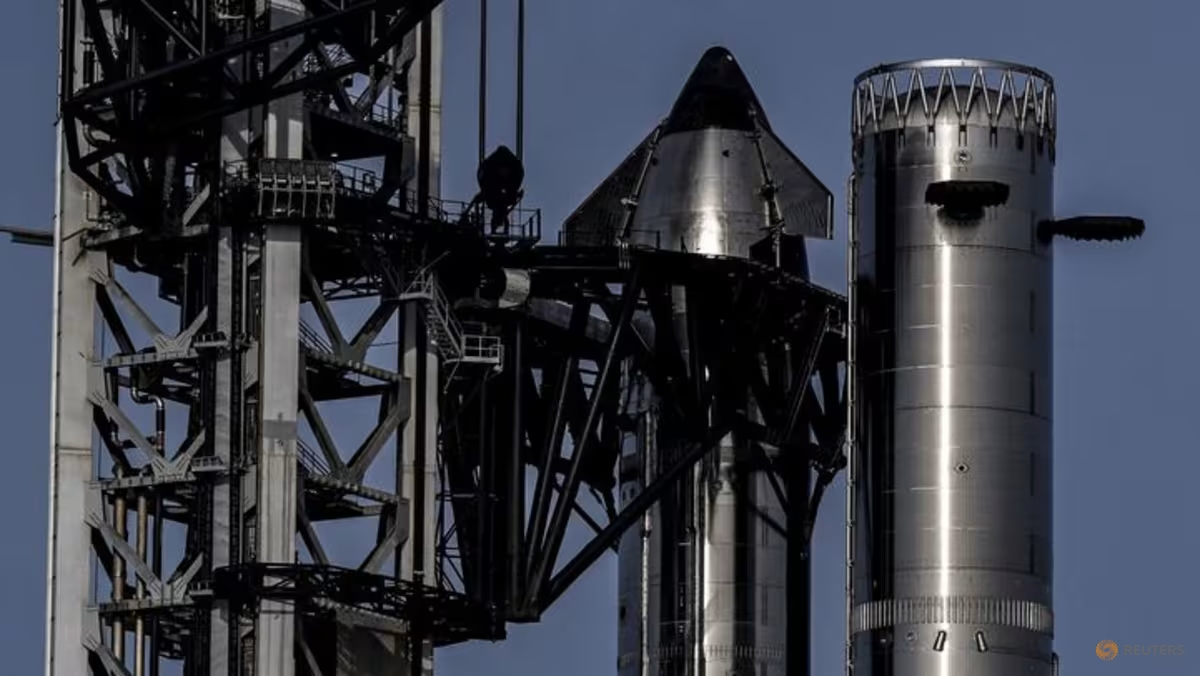
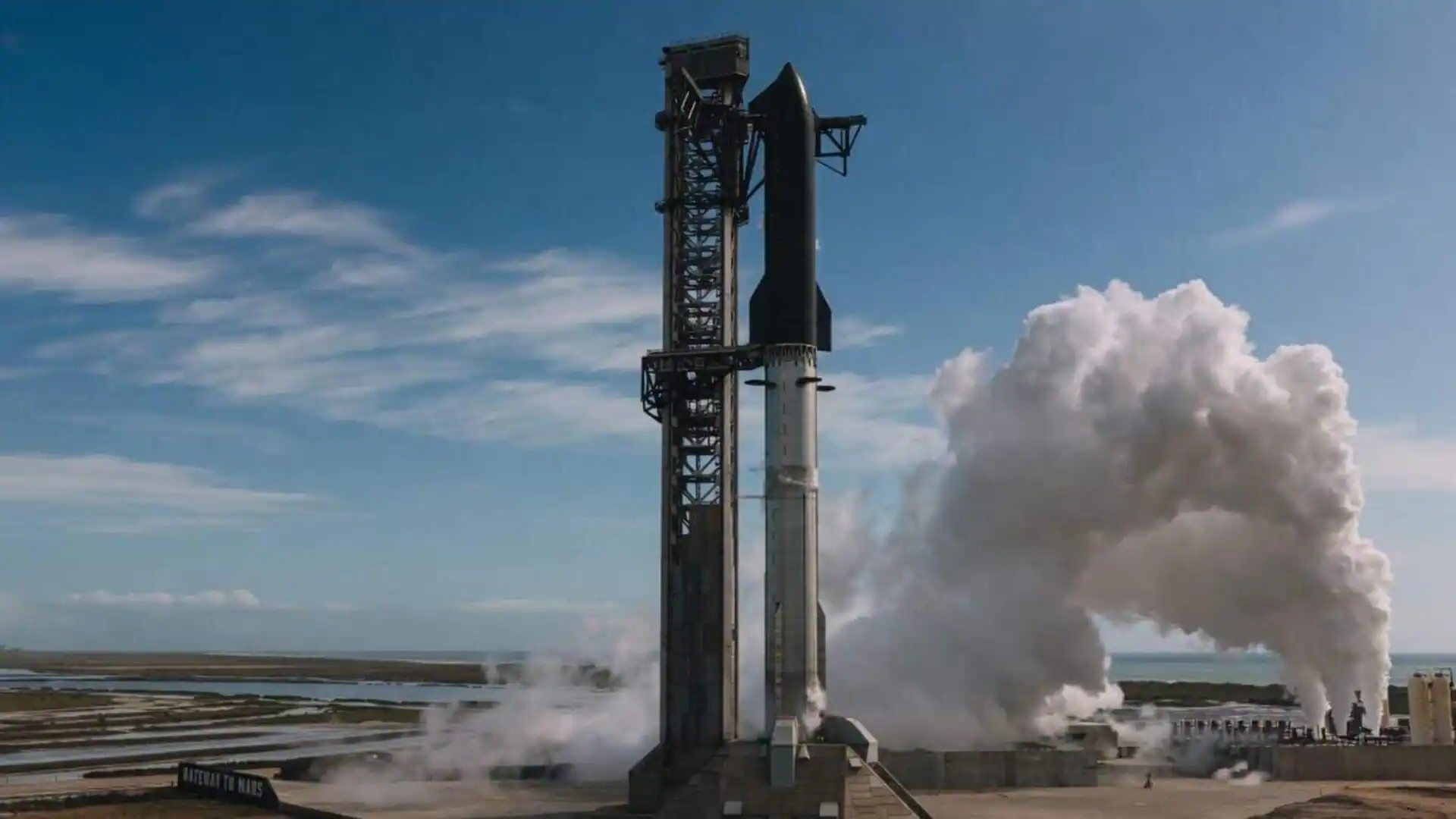
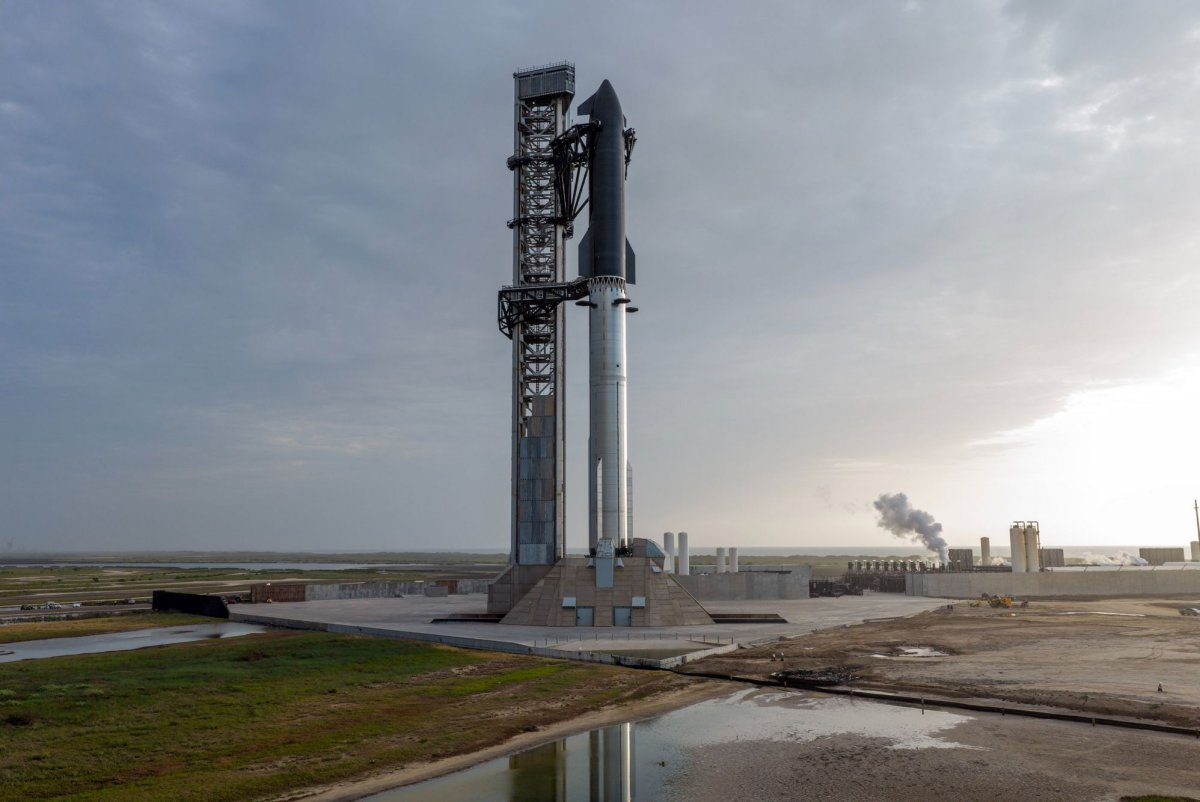
Flight 13 is the second flight of Starship V3, the upgraded version of the vehicle that SpaceX intends to use for future orbital missions, and flew a similar suborbital profile to Flight 12. SpaceX used the launch to test fixes to the vehicle to address issues such as engine failures seen on Flight 12.
As with Flight 12, SpaceX did not attempt to bring the Super Heavy booster back to the launchpad but instead targeted a “soft” splashdown in the Gulf of Mexico. However, SpaceX acknowledged that not all of the Raptor engines needed for the landing burn started up, causing the booster to hit the water at a higher speed than planned.