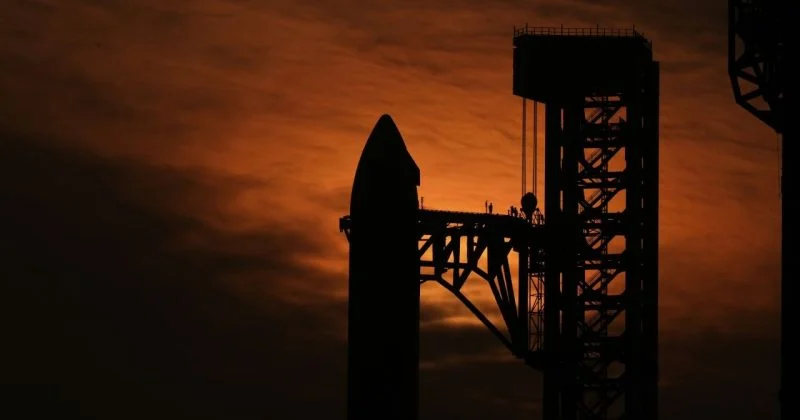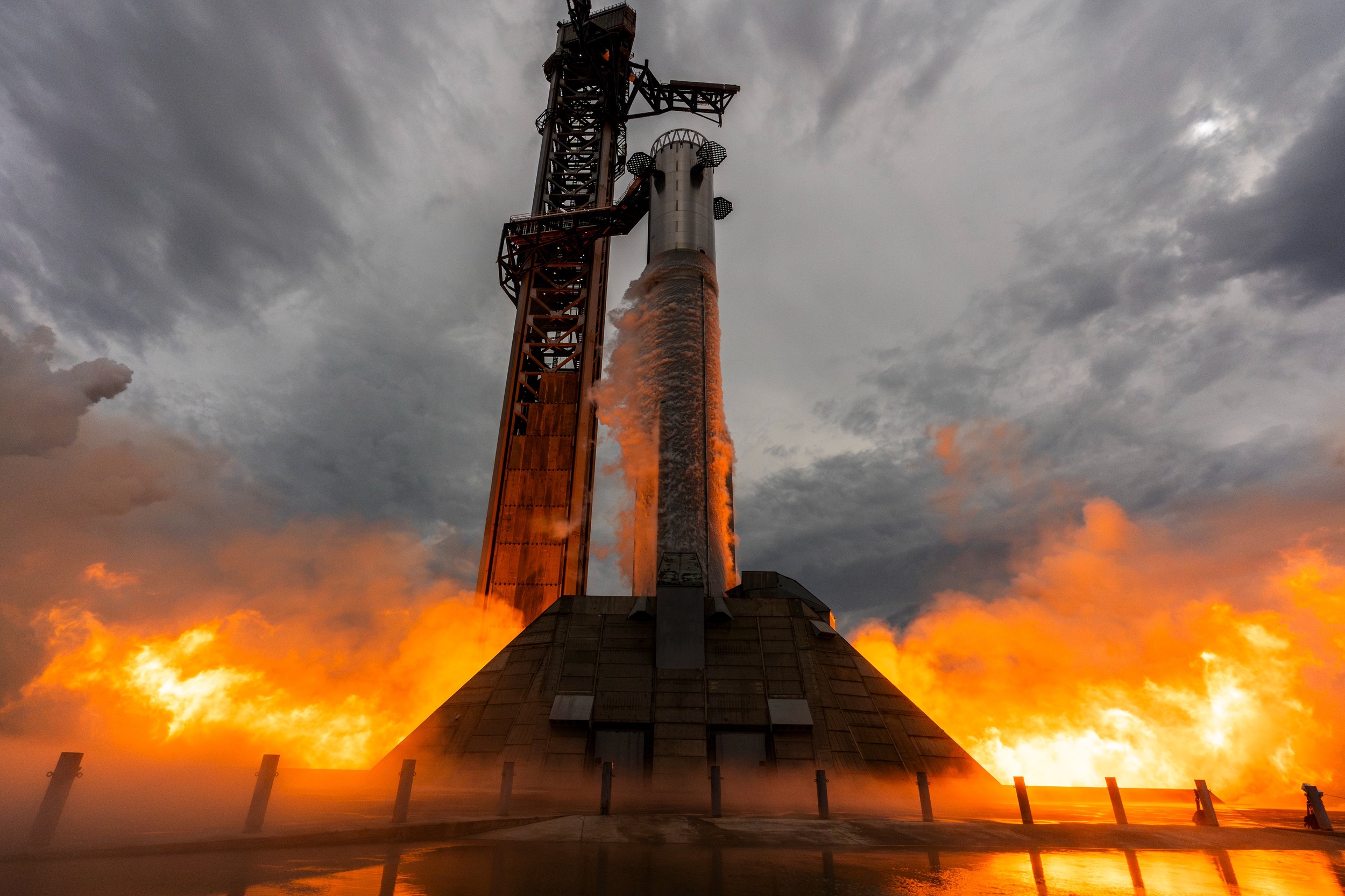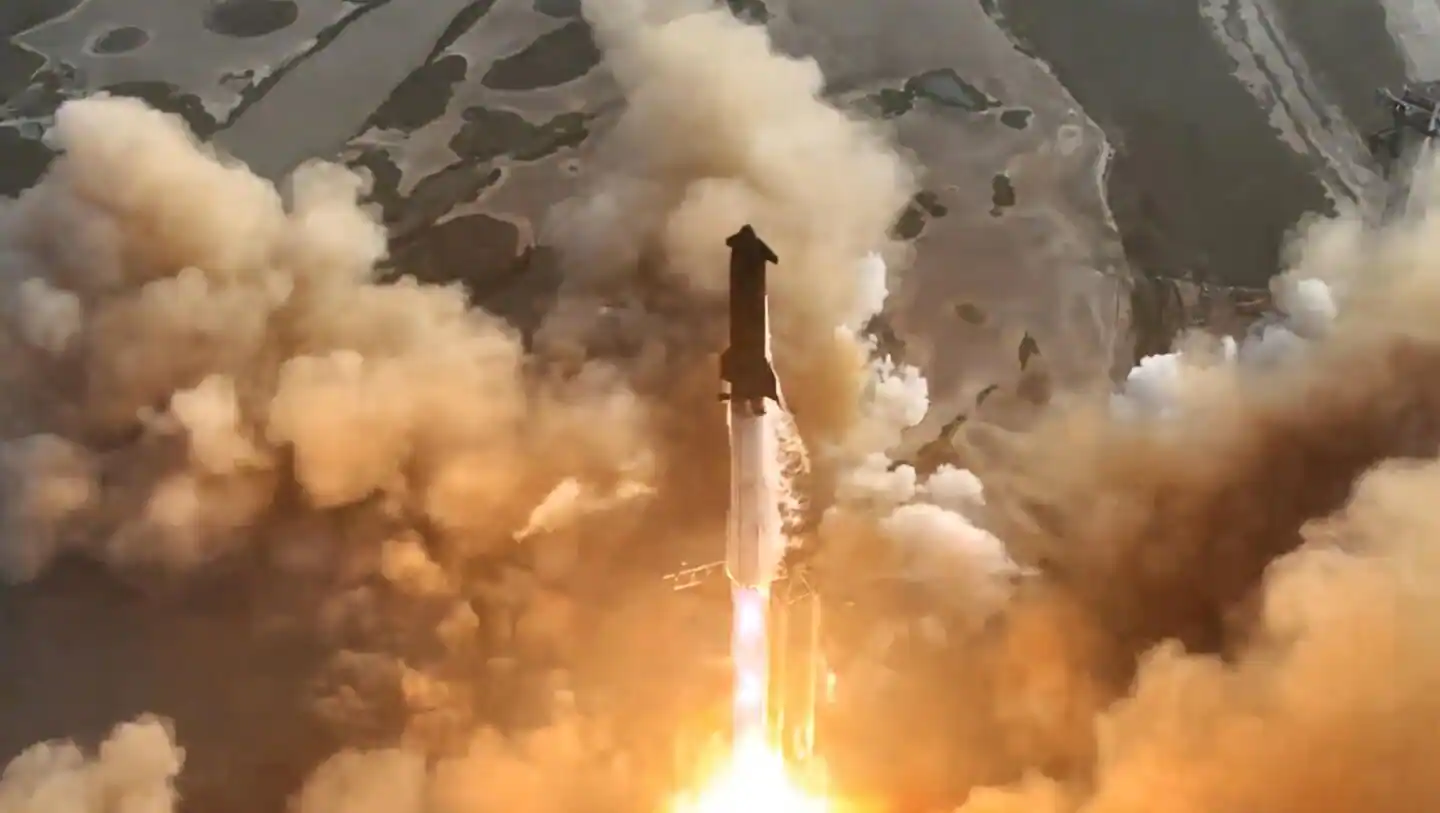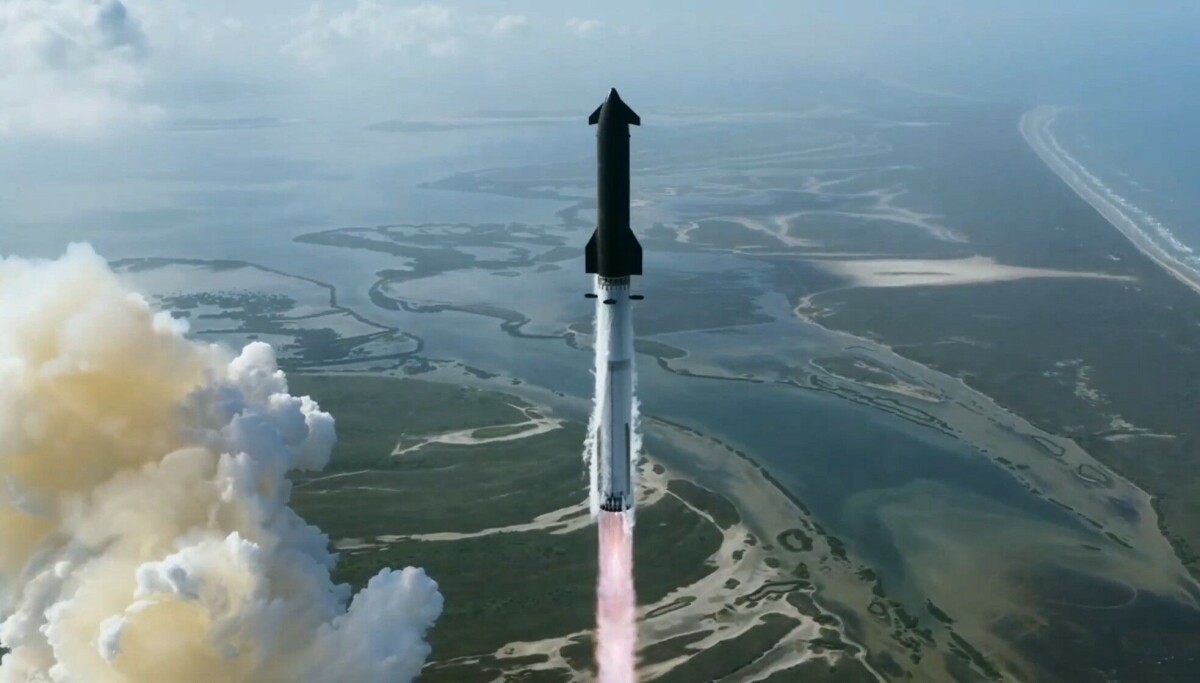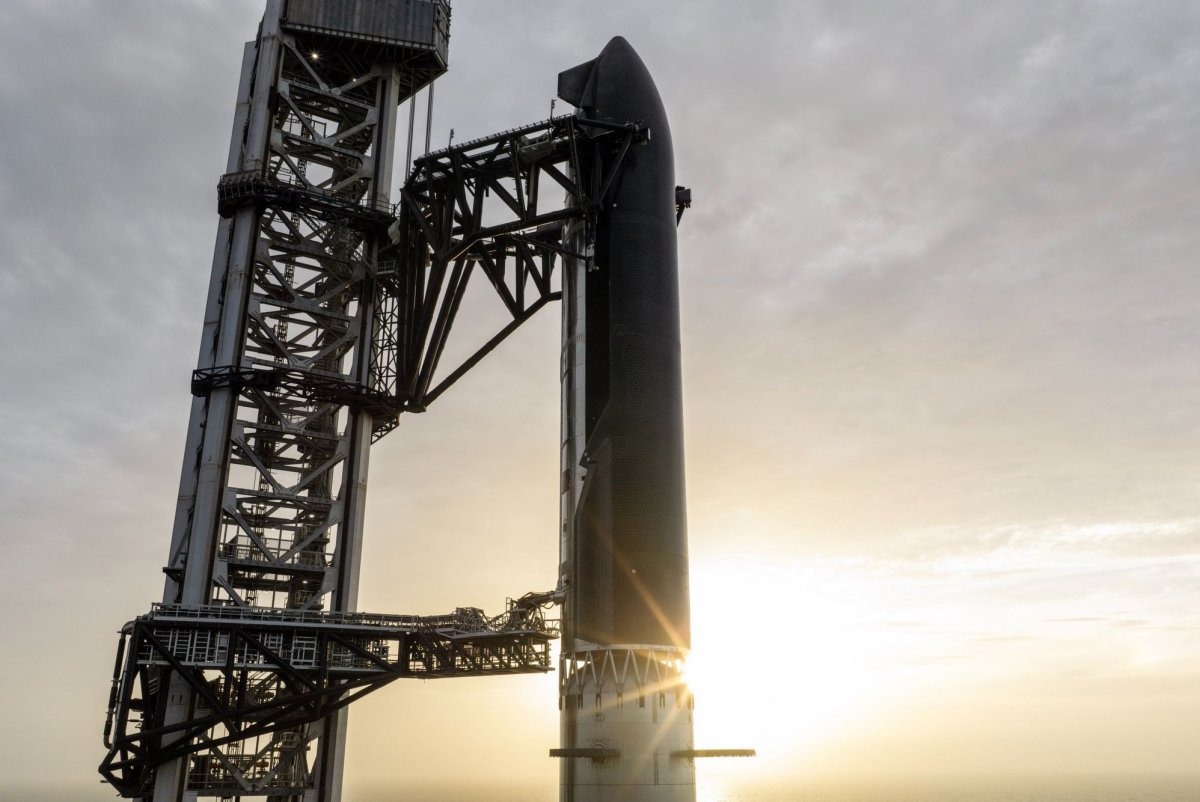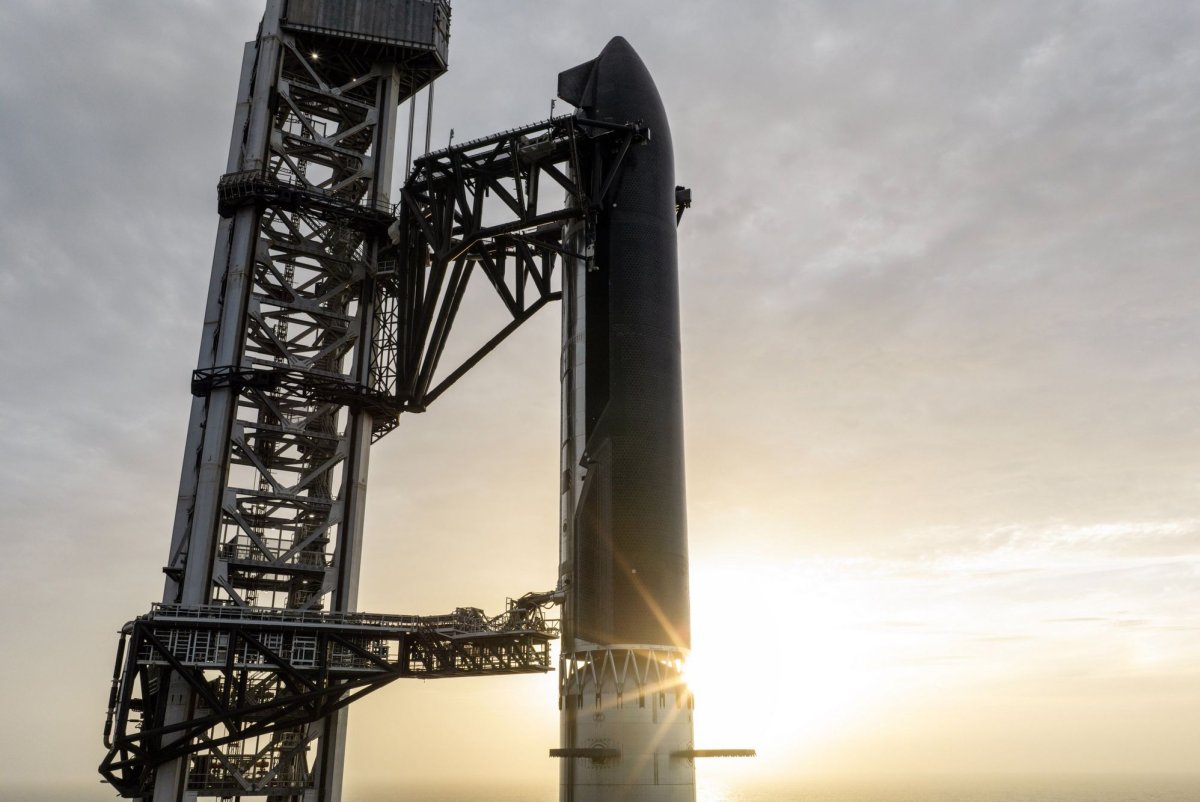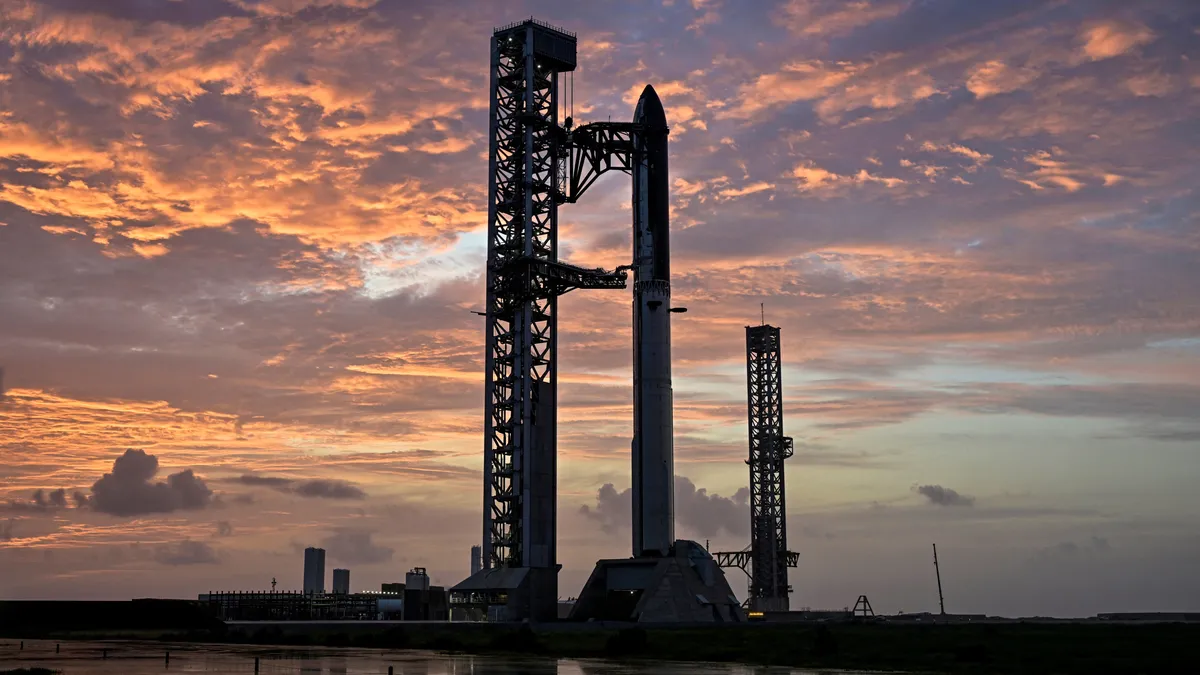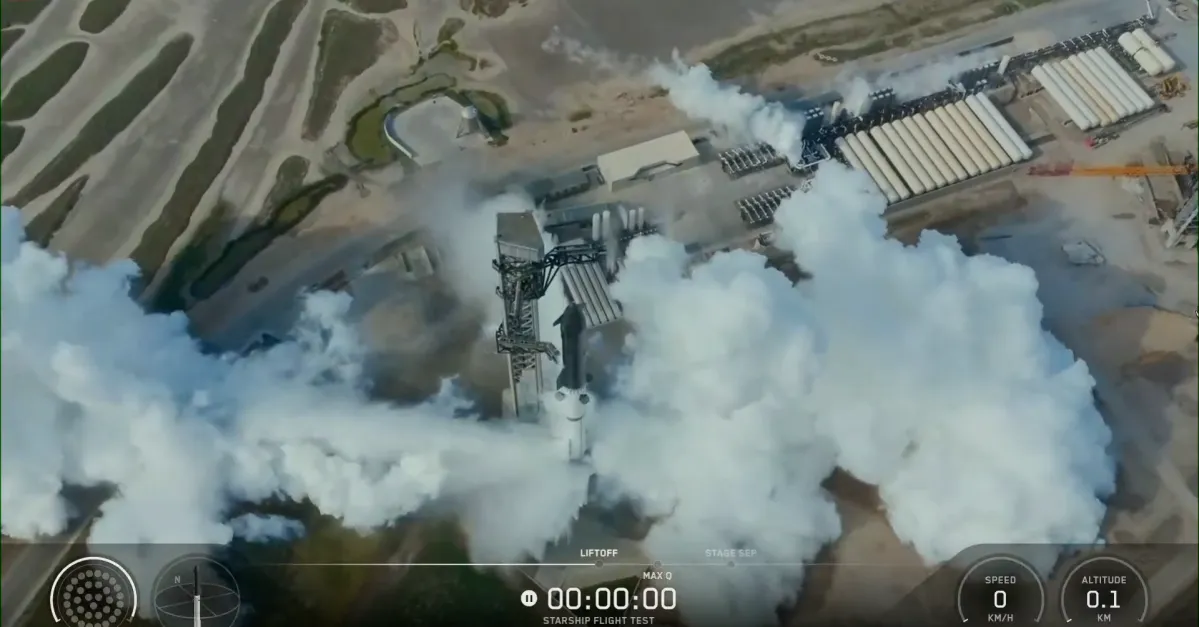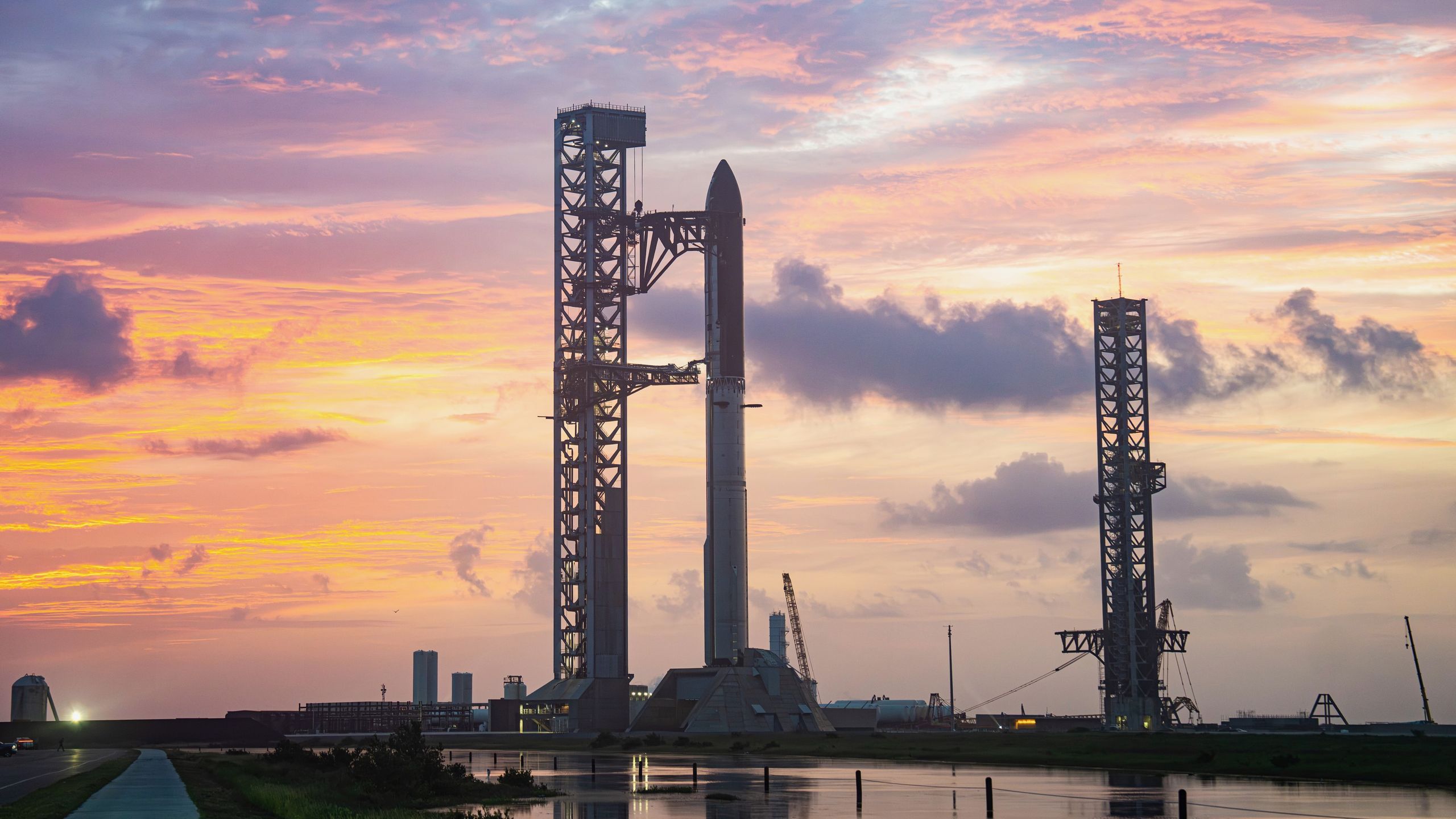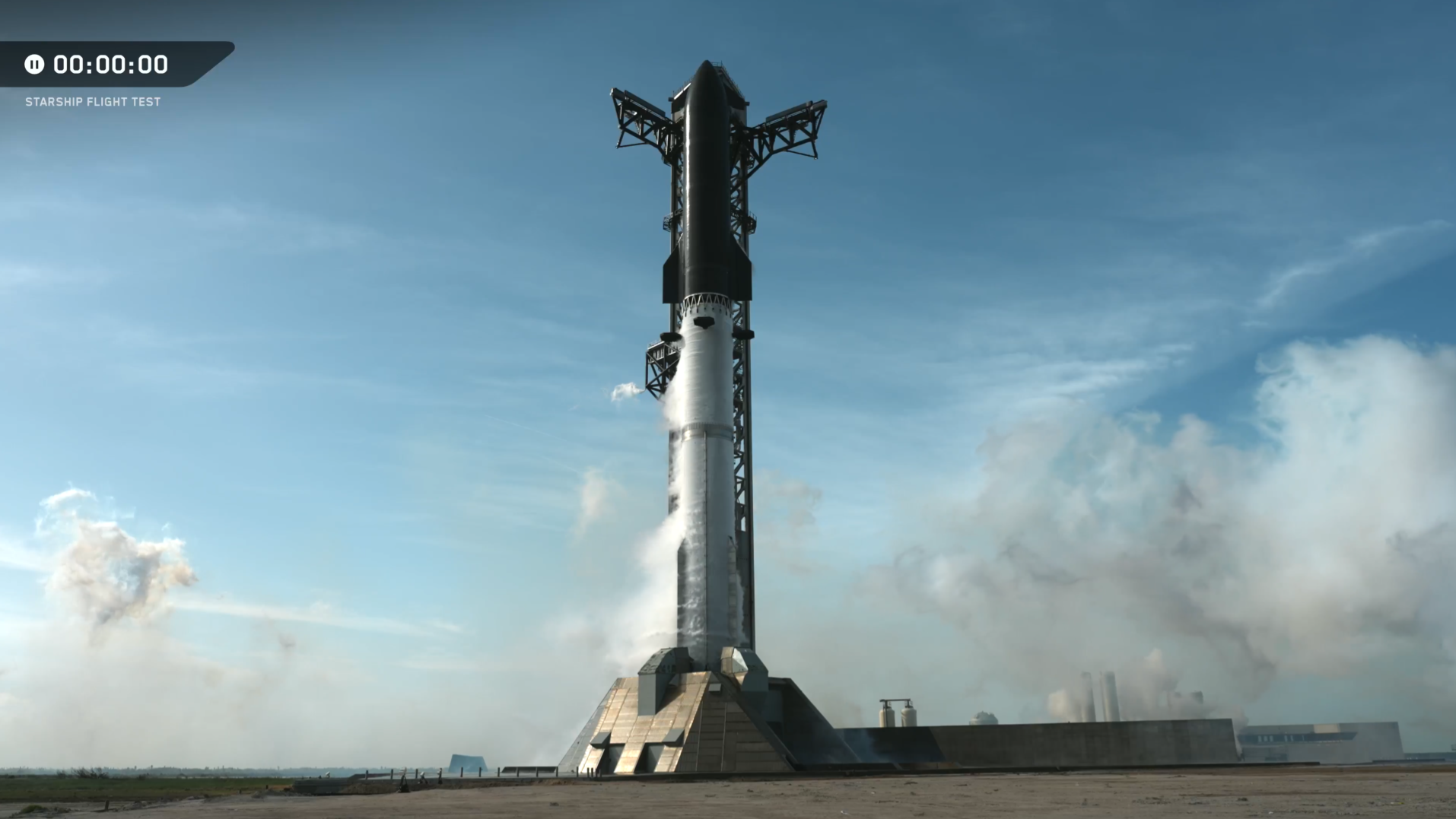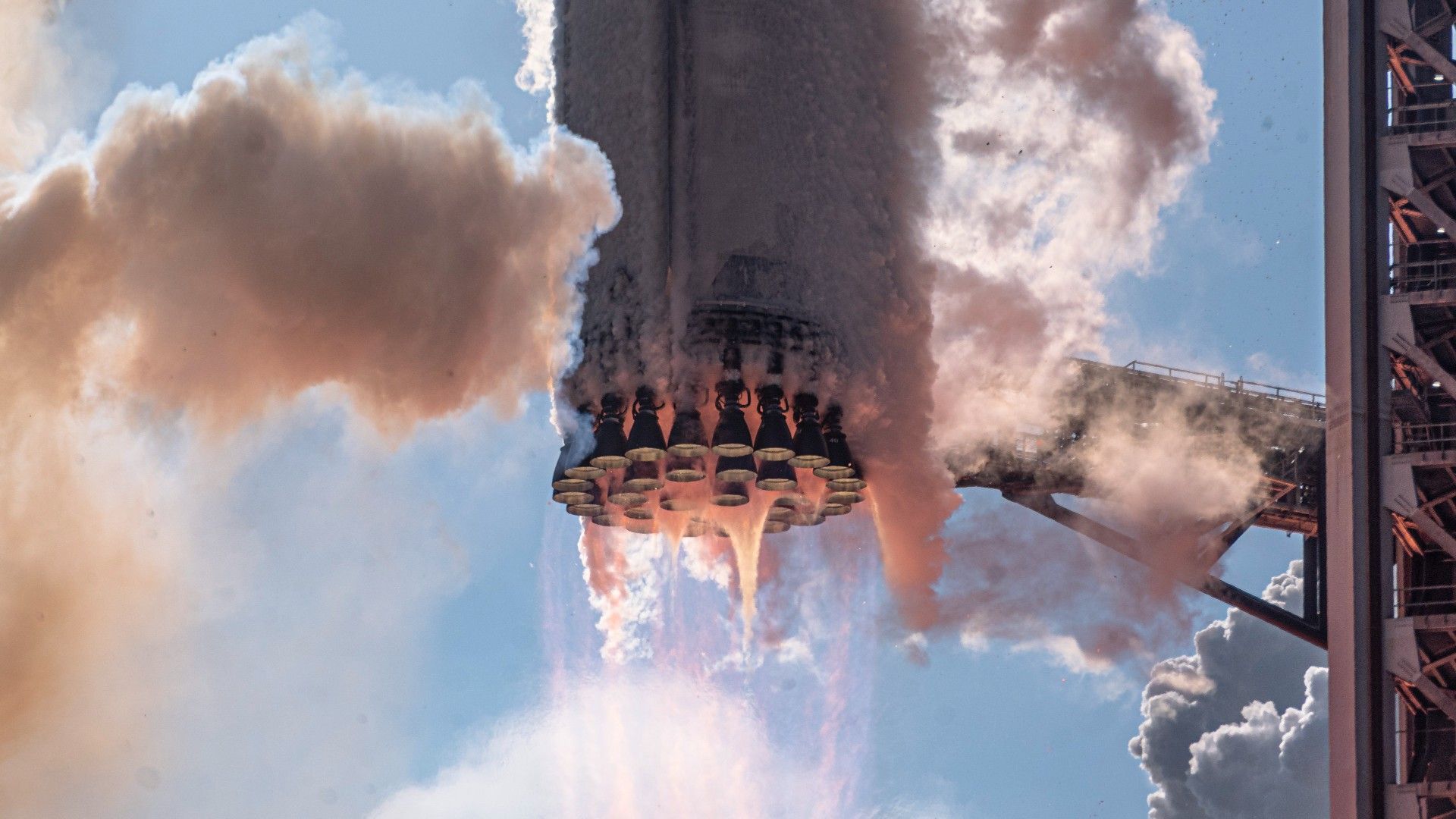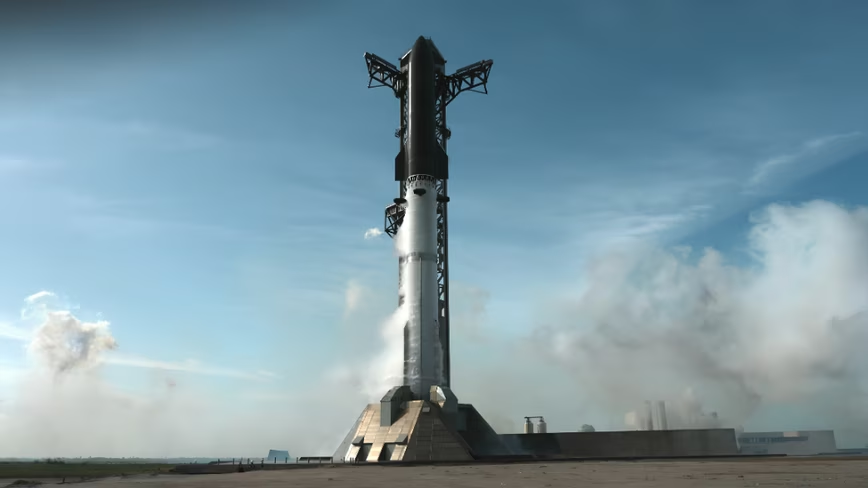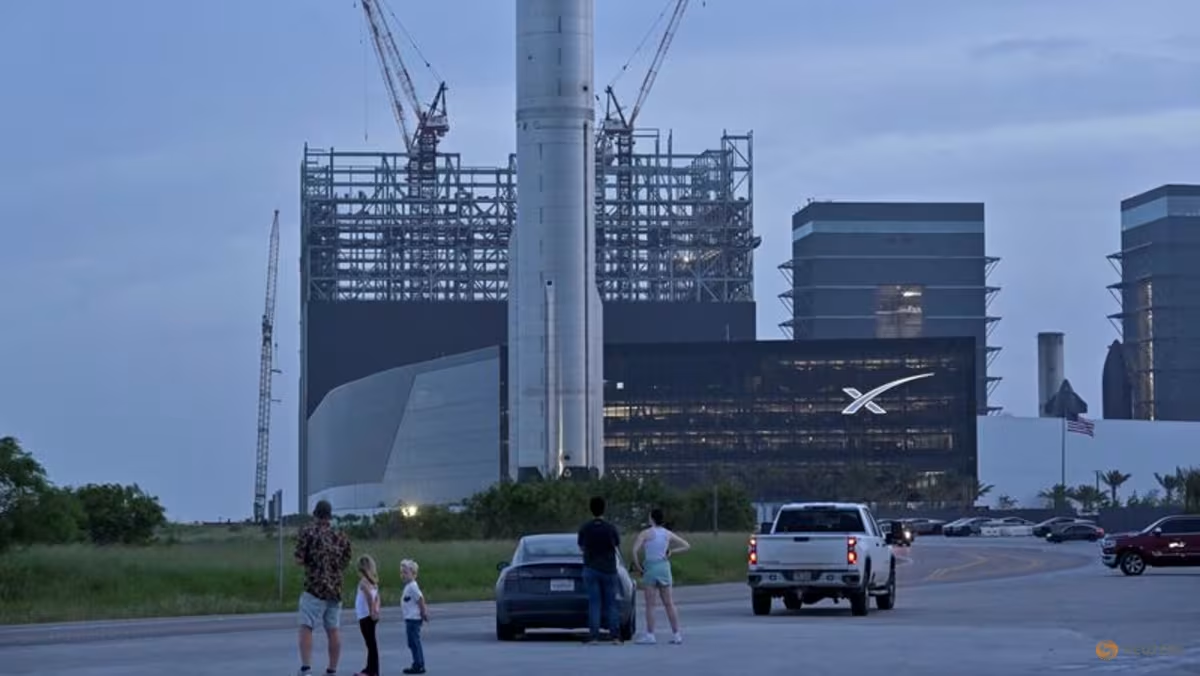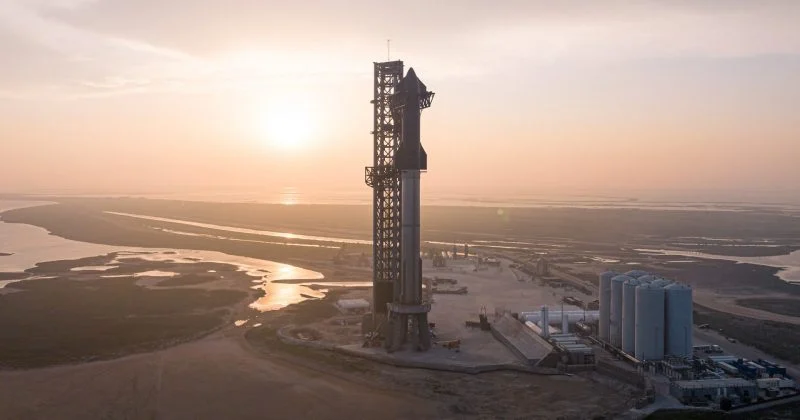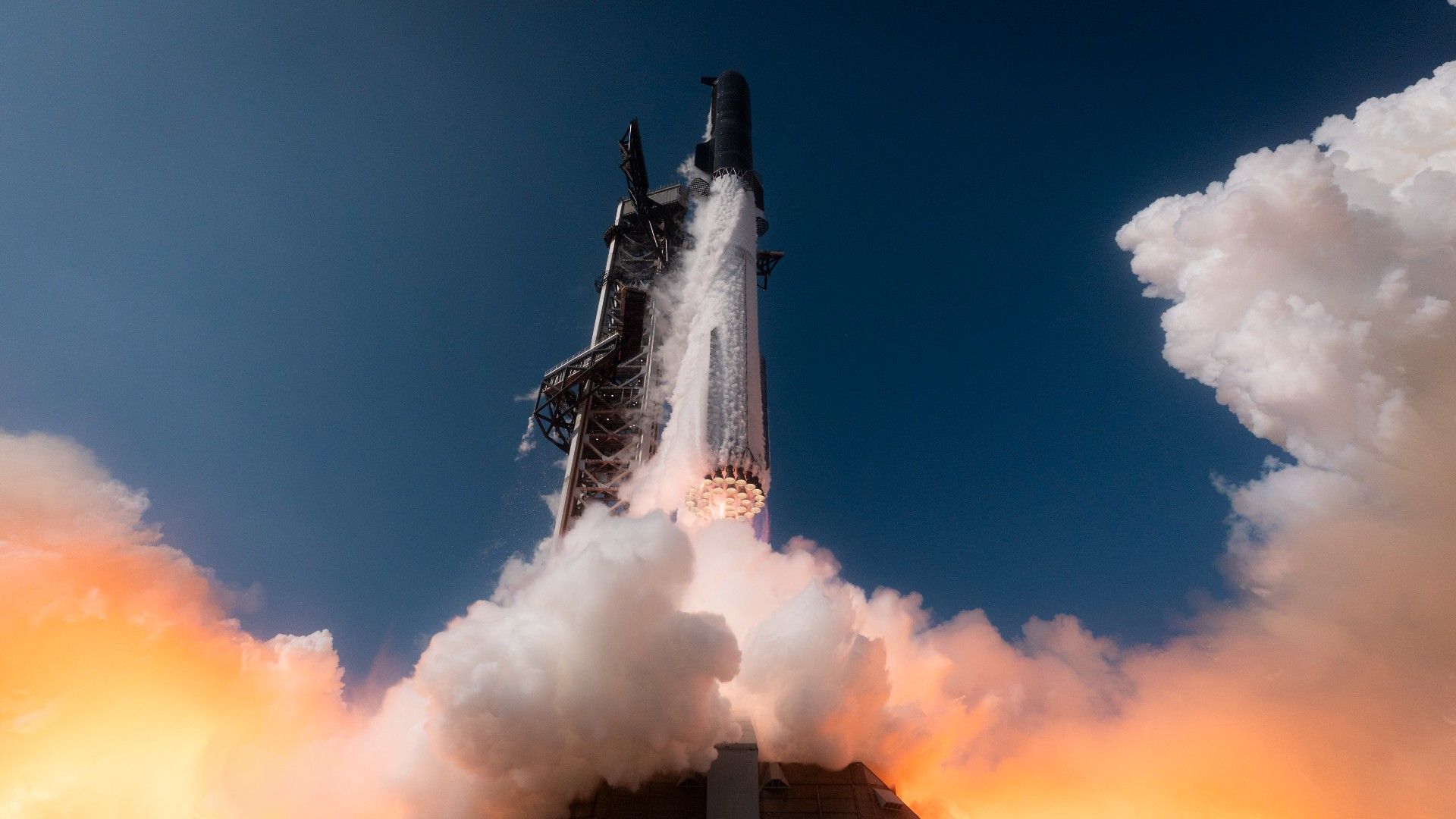
(Image credit: SpaceX)
Update for 12:15 p.m. ET on July 20: The July 16 launch attempt was aborted. SpaceX is now targeting Thursday (July 23) for the launch of Starship Flight 13, during a 90-minute window that opens at 6:45 p.m. EDT (2245 GMT).SpaceX is targeting this week for the next launch of its massive Starship vehicle.Following engine tests on both Starship stages in the last two weeks — igniting all six Raptor 3s on the "Ship" upper stage and all 33 Raptor 3s on the "Super Heavy" first stage — SpaceX is proceeding with the launch of Starship Flight 13, which is scheduled for no earlier than Thursday (July 16), according to a July 11 SpaceX social media post.It will be the second launch for Starship "Version 3" (V3), a bigger, more powerful upgrade from previous Starship designs, and will come a little less than two months after V3's debut on Flight 12. To validate those upgrades, SpaceX didn't add any major objectives to Starship Flight 12 that hadn't already been proven on the spacecraft's previous V2 configuration. But the new design didn't quite check all the necessary boxes last time around, so Flight 13 will largely attempt an improved outcome of the same mission.Though still in its development phase, Starship is designed for full reusability. Unlike SpaceX's Falcon 9 first-stage booster, which is equipped with legs capable of touching the rocket down on coastal landing zones or one of the company's droneships at sea, both Ship and Super Heavy are designed for a return directly to the launch site, where chopstick-like arms on the "Mechazilla" tower catch the stages out of mid-air.SpaceX has yet to attempt such a recovery with Ship but has succeeded in doing so with Super Heavy three times so far. Two of those caught boosters were then reflown on subsequent launches. When flying the new V3 hardware during Flight 12, though, SpaceX opted for Super Heavy to perform a soft splashdown in the Gulf of Mexico, rather than risk launch pad infrastructure on an unproven vehicle, but Super Heavy didn't make it to the planned touchdown zone.According to a new SpaceX analysis, a sequence change in Ship's engines, which ignite before the two rocket halves physically detach in a maneuver known as "hot staging," led to a 90-degree error in Super Heavy's orientation after separation. Super Heavy's boostback burn was also cut short when five of its 33 engines failed to relight. SpaceX says it has introduced a modified startup sequence for Ship and hardware updates to Super Heavy to address the orientation anomaly and ignition issues, respectively, "along with updates to engine alarms and aborts to match the conditions seen in the multi-engine flight environment."Ship ran into a bit of trouble during Flight 12 but also managed to pull off some firsts. One of the spacecraft's three vacuum-optimized Raptors was lost 40 seconds after stage separation, but it still reached its designated suborbital trajectory, demonstrating its "engine out" capabilities, according to the SpaceX update. The loss did, however, prevent Ship's in-space engine relight attempt. SpaceX traced the failure to "interconnected causes" and has introduced a number of fixes for the upcoming Flight 13, "with additional reliability improvements planned in upcoming versions of the Raptor engine."Flight 12 also featured the first deployment of two of SpaceX's Starlink internet satellites equipped with cameras for inspecting Ship's heatshield tiles and exterior conditions while in space. They were deployed with several Starlink V3 mass simulators, a payload that's getting an upgrade of its own for Flight 13.