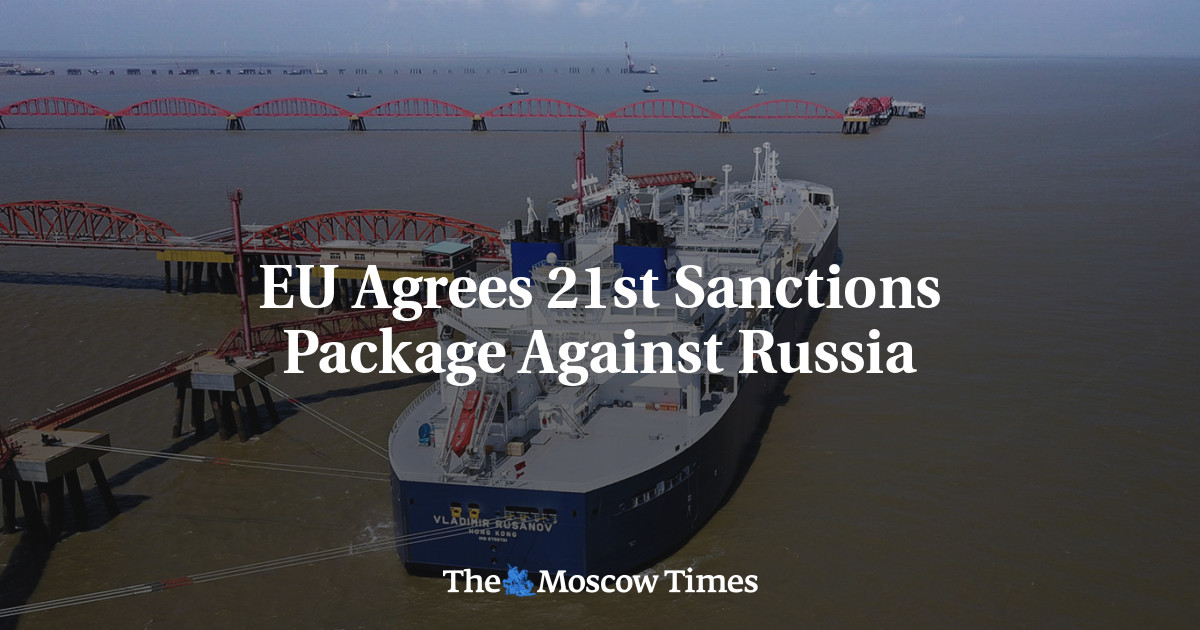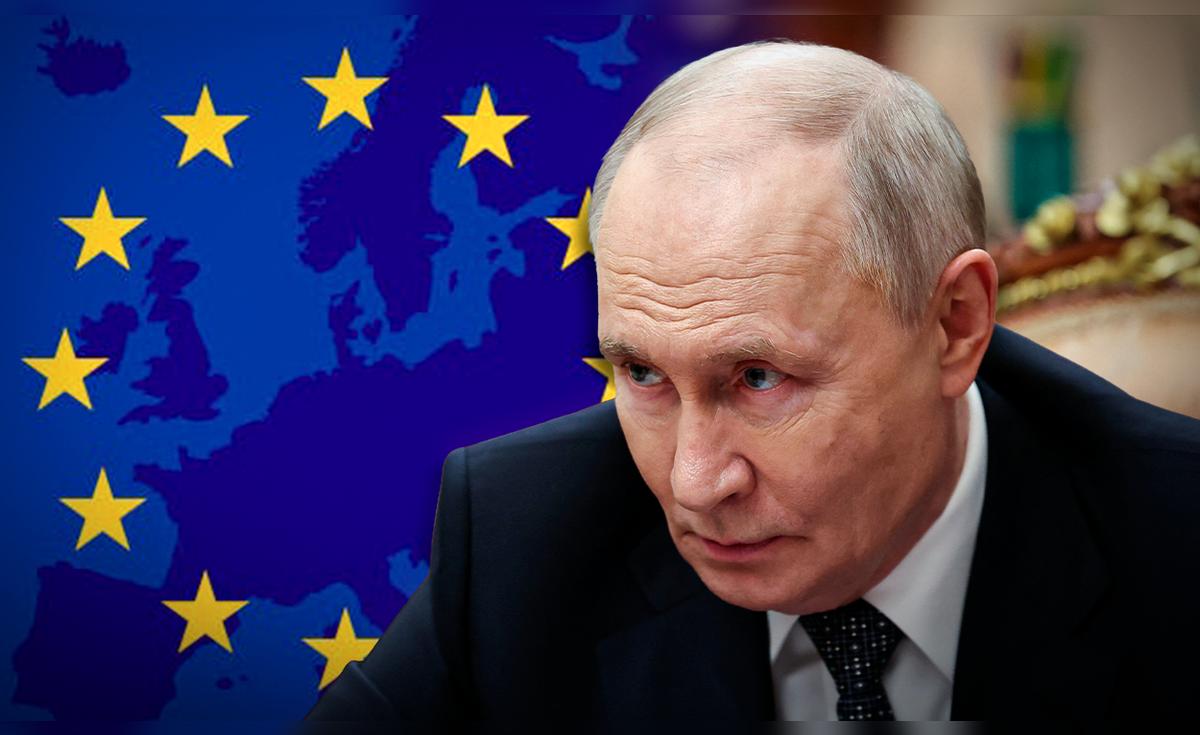
The European Union has agreed on a new set of sanctions against Russia, marking the 21st package focusing on the ongoing conflict in Ukraine. The package includes an extension of the oil price cap on Russian crude for another 12 months, maintaining the cap at $44.10 per barrel. These measures also introduce further restrictions on Russia’s financial and military sectors, as well as efforts to crack down on the so-called “ghost fleet” of ships evading sanctions. The EU has consistently renewed and expanded its sanctions since 2022 to exert pressure on Russia’s ability to fund its military operations.
The market reaction to these developments appears to suggest that participants view the continuation and expansion of sanctions as a factor that could constrain oil supply, thereby increasing the likelihood of higher oil prices. This is reflected in the increased probability of crude oil reaching new all-time highs by the end of the year. The probability of a YES outcome for crude oil reaching a new record by September 30 has risen to 10.5%, up from 7% a day earlier. Meanwhile, the December 31 market has seen its YES probability increase to 20.5%, reflecting heightened expectations of geopolitical tensions affecting oil prices.