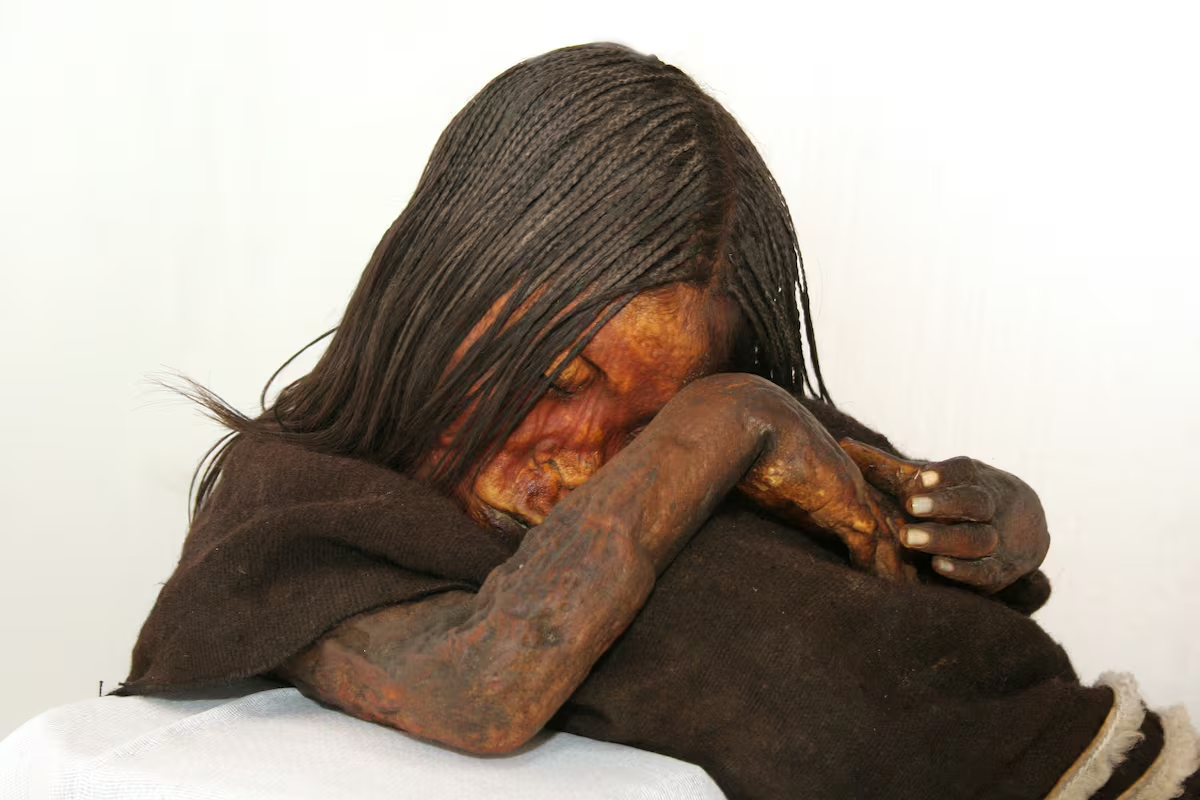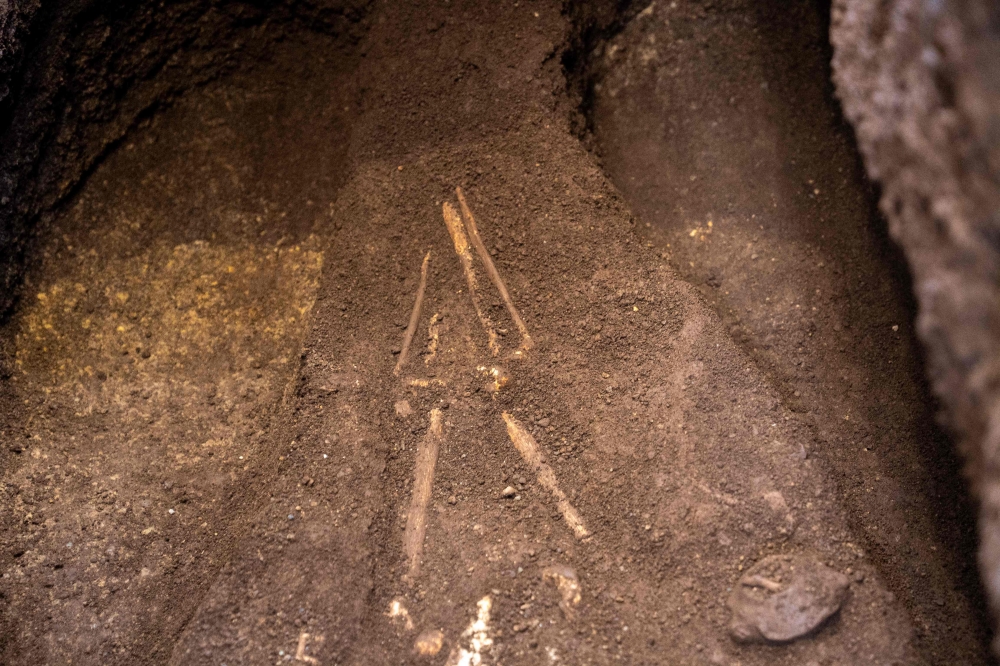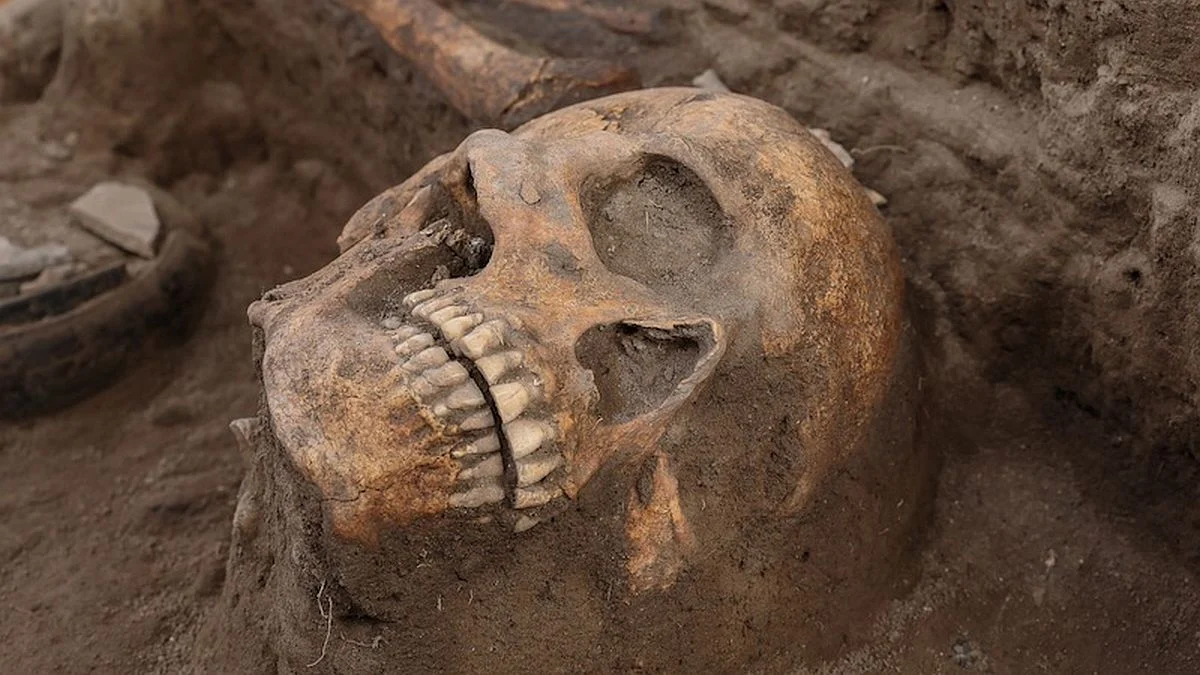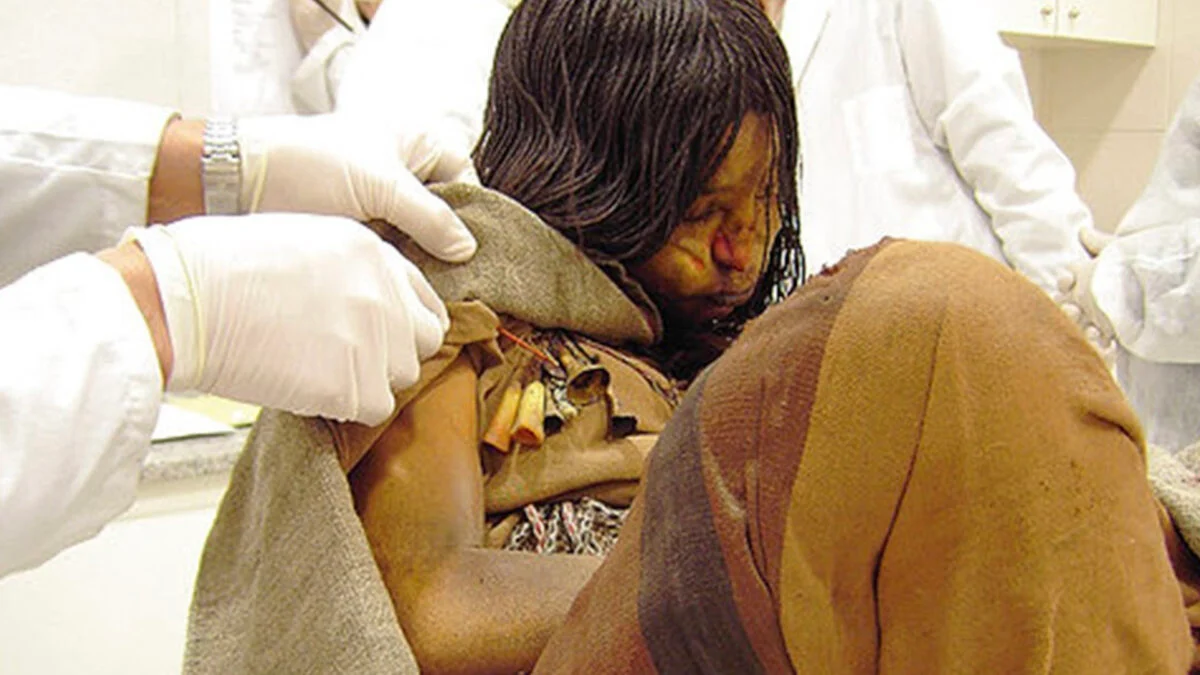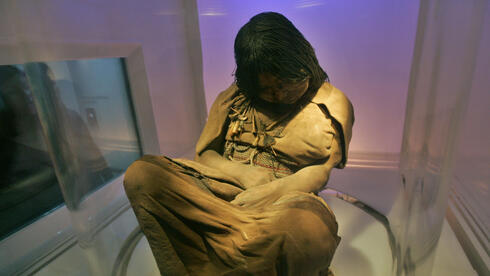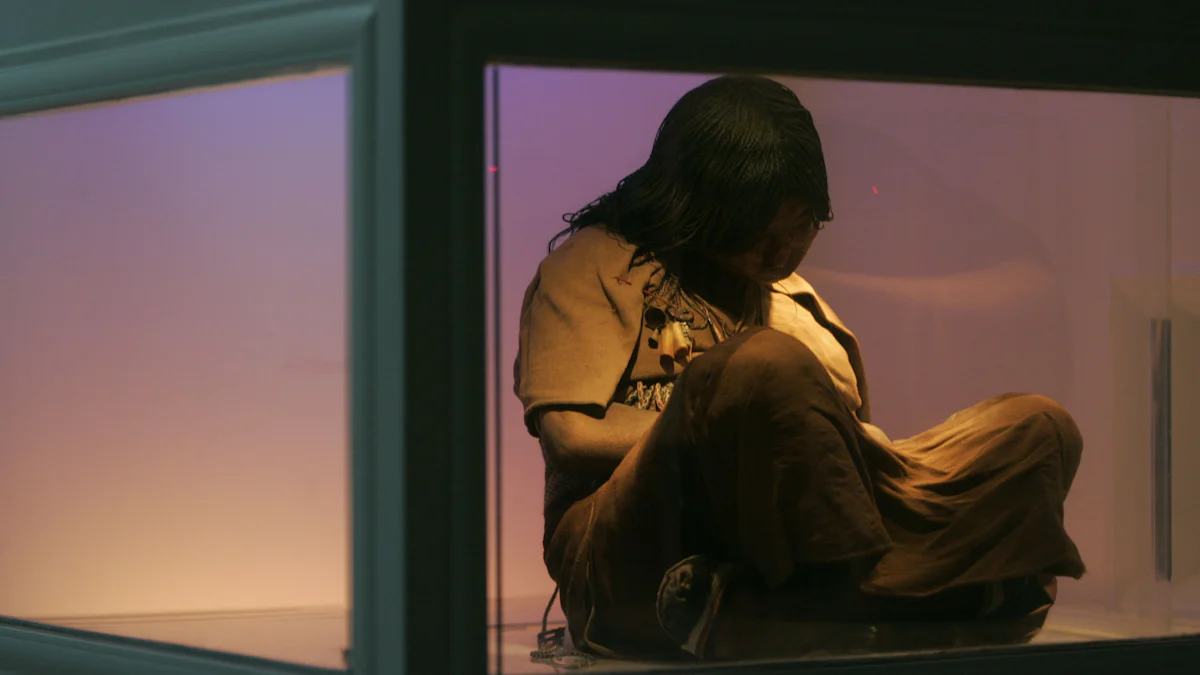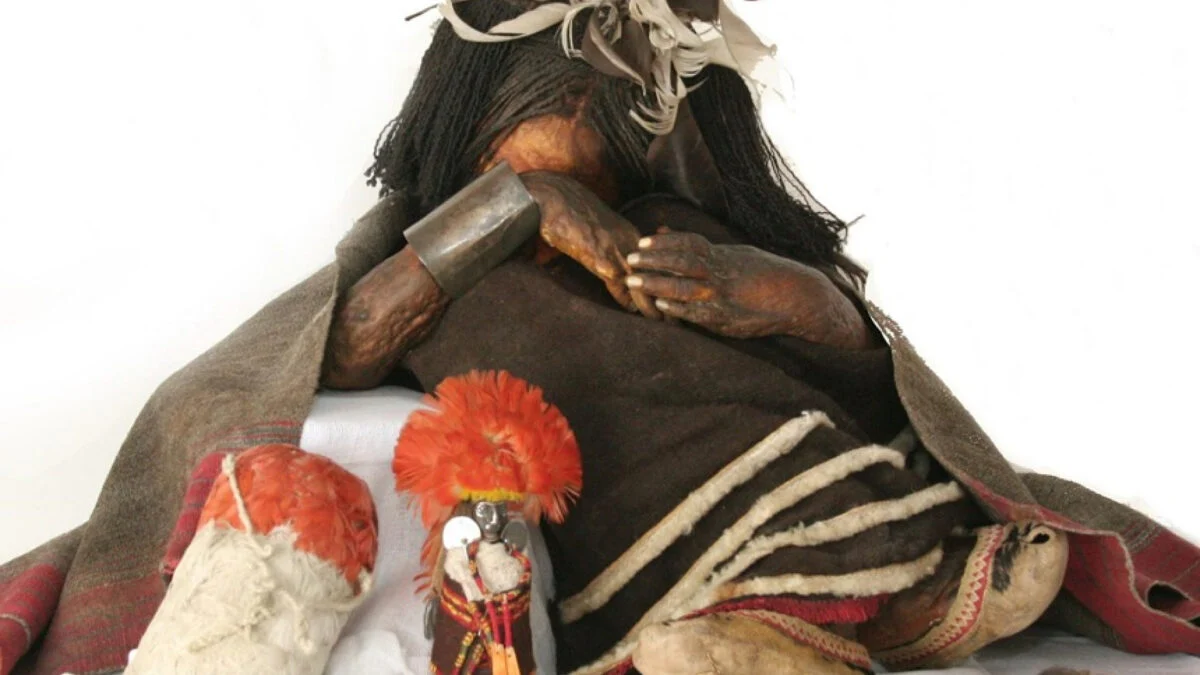
In 1954, looters found the mummified remains of a small boy. Soon, archaeologists took over and eventually concluded that the boy, about 8 years old, likely died of hypothermia during an Inca ceremony in the high Andes, about 17,716 feet (5,400 meters) above sea level. But things might have played out very differently than we believed. In addition to the boy, dubbed the Boy of Cerro El Plomo, researchers revisited two mummified girls, ages 9 and 18, from Cerro Esmeralda in the Atacama Desert, Chile. According to a recently published Science Advances paper on their findings, a comprehensive analysis overturns previous assumptions about how these Inca children passed. The new interpretation is that the Boy of El Plomo was killed from blunt force trauma to the skull, whereas the signs of strangulation for the Cerro Esmeralda girls probably happened postmortem, and their cause of death remains a mystery. “This study enabled us to re-examine exceptionally important heritage contexts, applying new research questions, new technologies, and ethical conservation criteria,” Verónica Silva-Pinto, the study’s lead author and a doctoral researcher at the University of Valencia in Spain, said in a statement.
For Decades, Scientists Thought They Knew How This Inca Child Died. They Were Wrong
The study sheds new light on the final moments of three children sacrified to the Inca gods.
815 words~4 min read