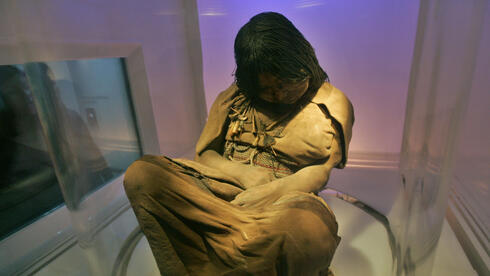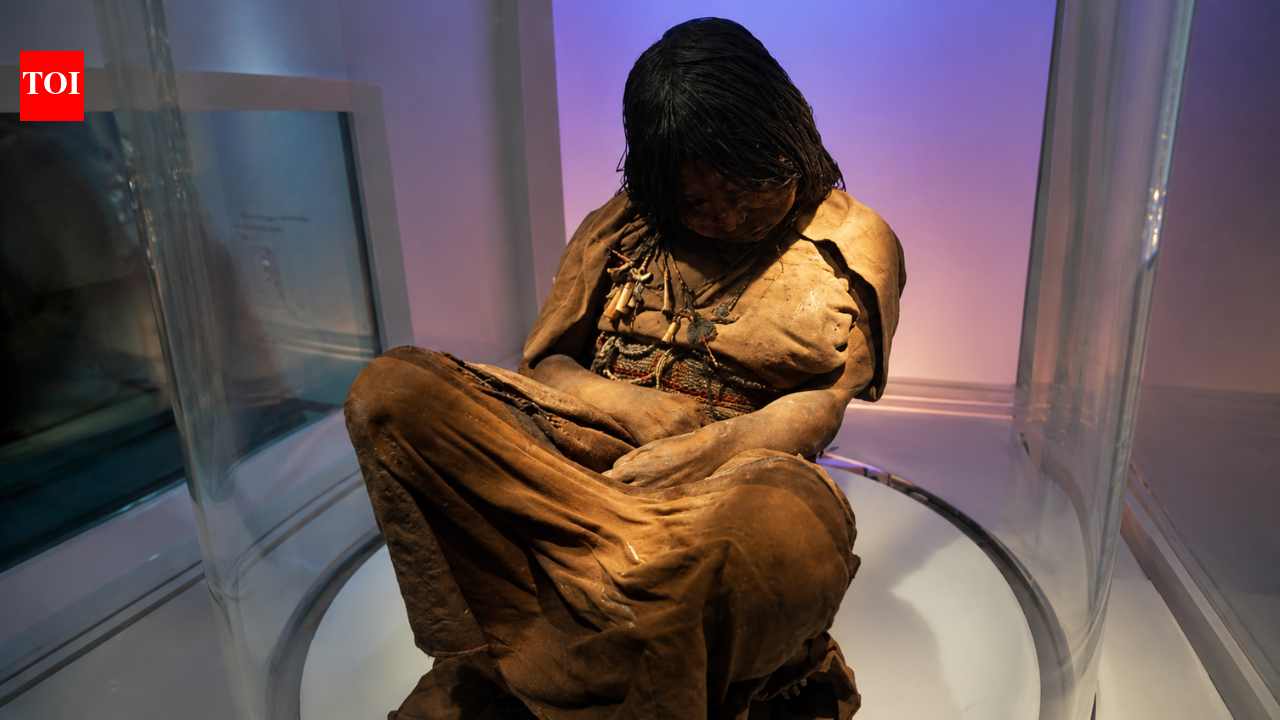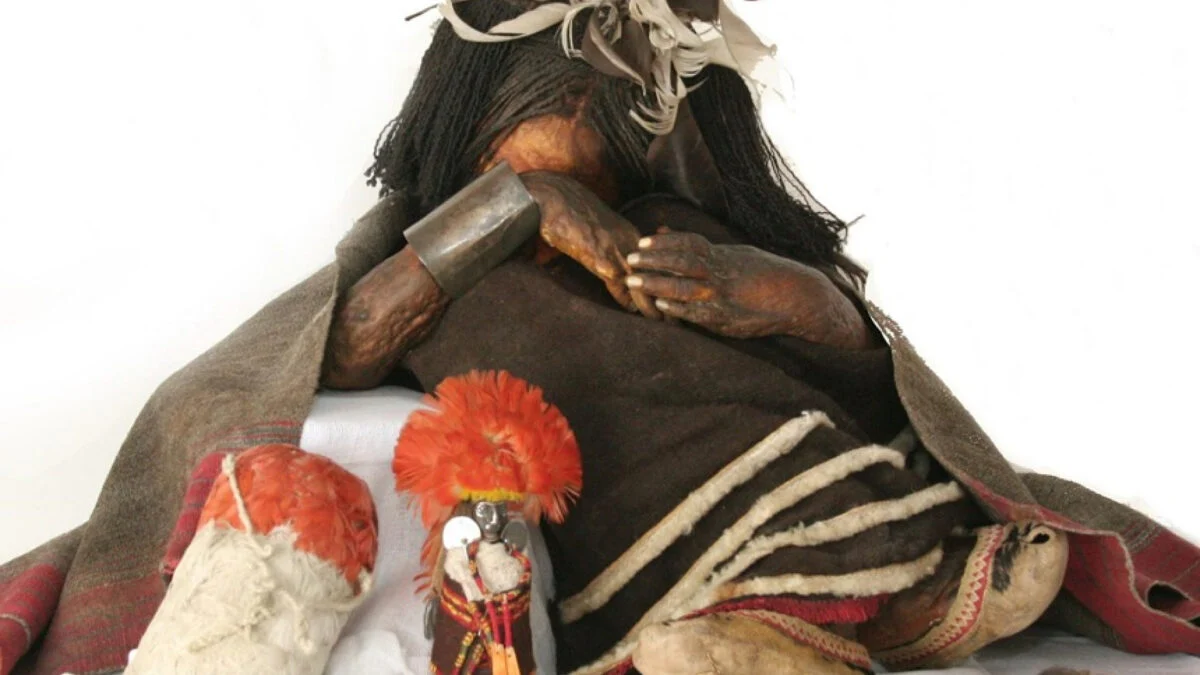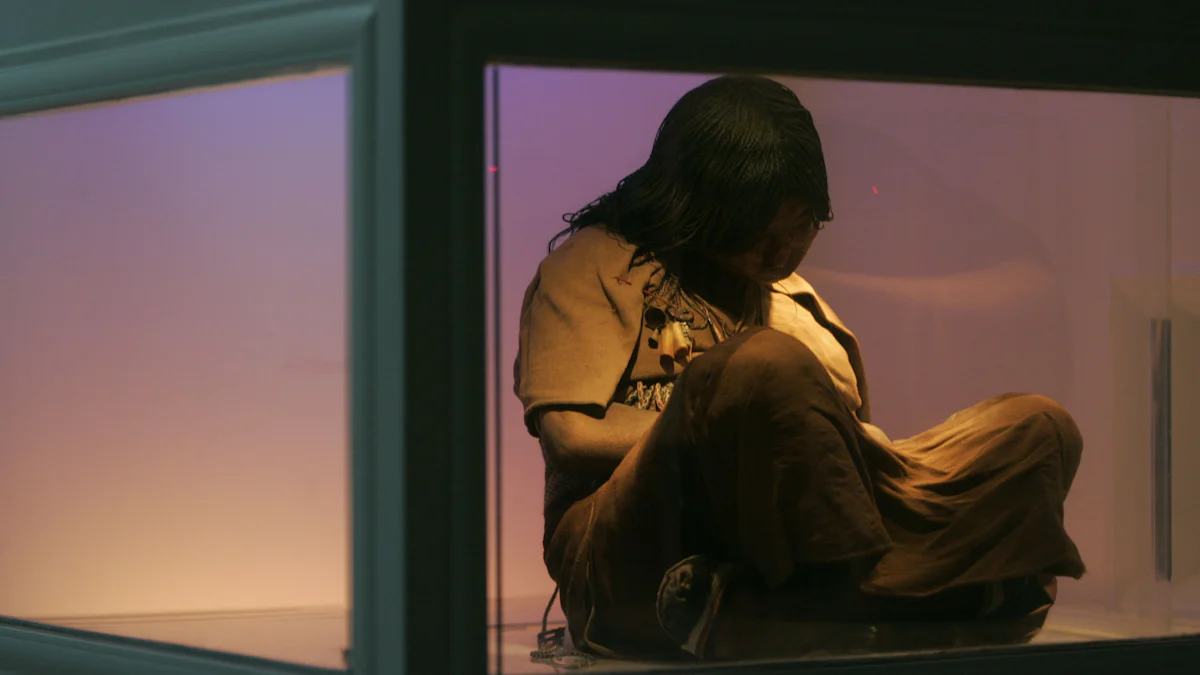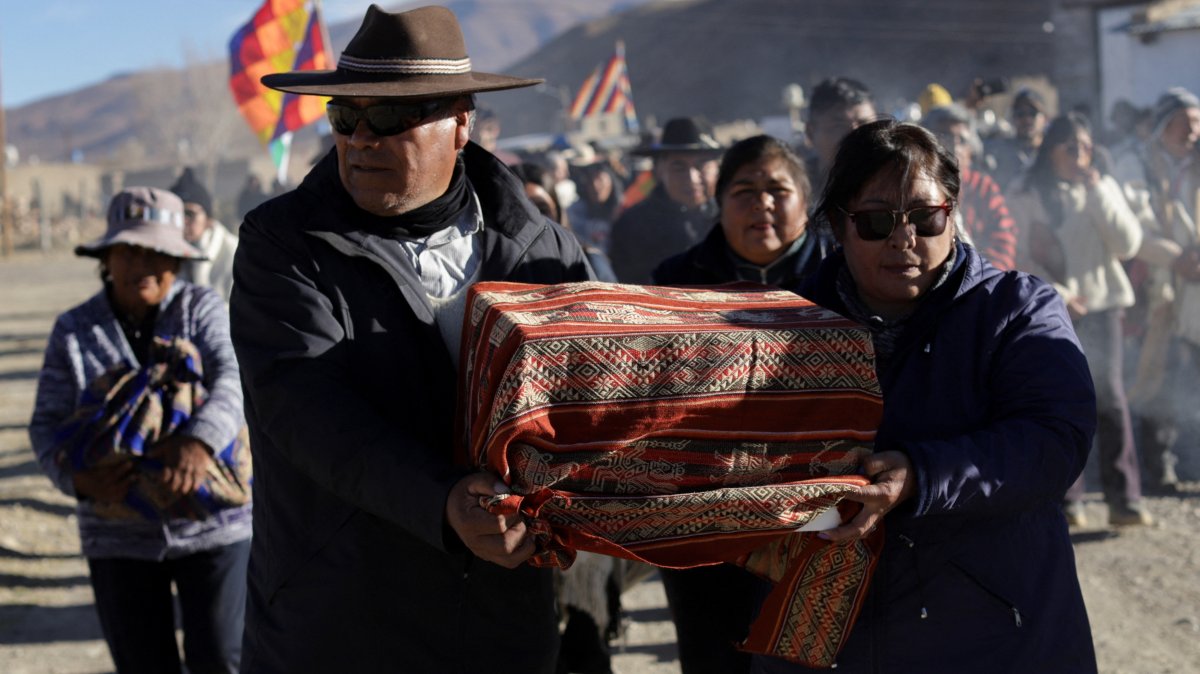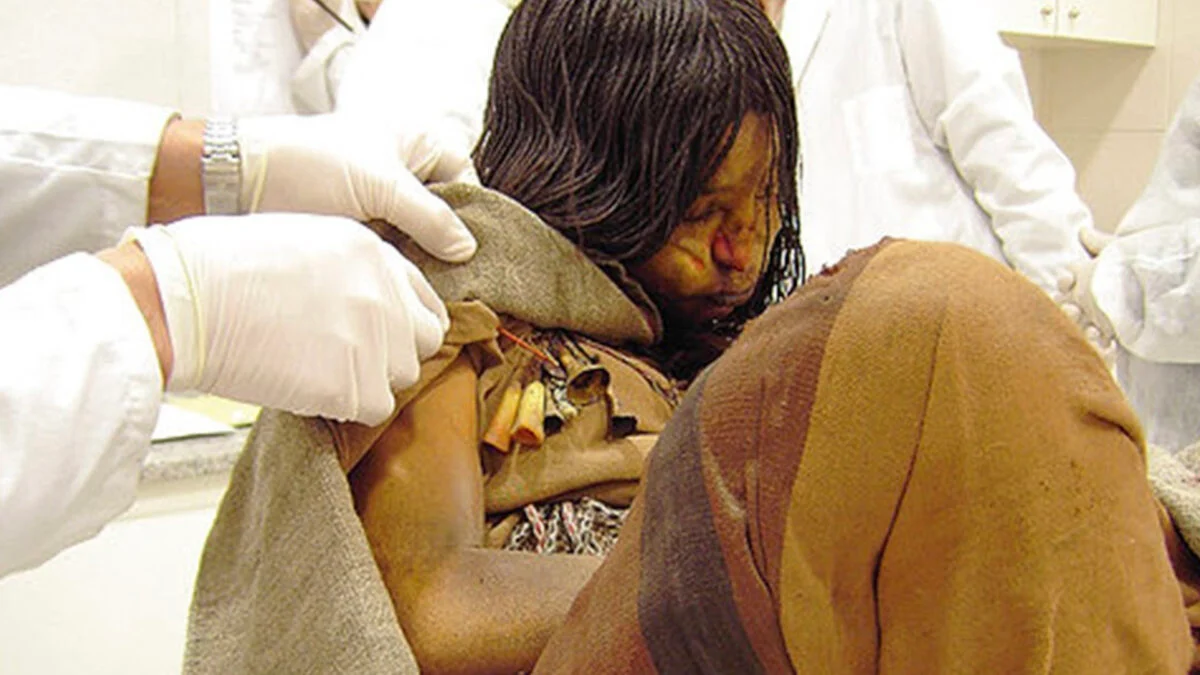
Researchers called her the “Llullaillaco Maiden.” Discovered by archaeologist Johan Reinhard and his team in 1999, this well-preserved mummy of a 13-year-old girl sacrificed by the Inca was found near the snow-capped peak of Llullaillaco, a volcano 22,109 feet (6,739 meters) above the border between Chile and Argentina.
Quite literally frozen in time, the maiden (or “Doncella,” as she was later called) has typically been interpreted as a religious sacrifice—one that would, in Reinhard’s words, “become deified and worshiped for generations as the villagers’ intermediary with the gods.” But a new study of offerings made alongside this young human sacrifice has added new political and strategic dimensions to this ancient ritual, known as “capacocha.” Radiocarbon dating refined by geological and climate analyses of side offerings, including coca leaves, manioc seeds, and maize grains, has tightened up the timeframe in which this human sacrifice likely occurred. The new context ties the maiden’s death more closely to southern campaigns of the Inca’s last rulers, according to archaeologist Dominika Sieczkowska-Jacyna and her coauthors.
“The capacocha might have been deliberately used as part of the broader Inca statecraft, serving as a tool through which the empire strengthened its authority, conveyed its ideology, and responded to environmental or social challenges,” the researchers argued in their new study.