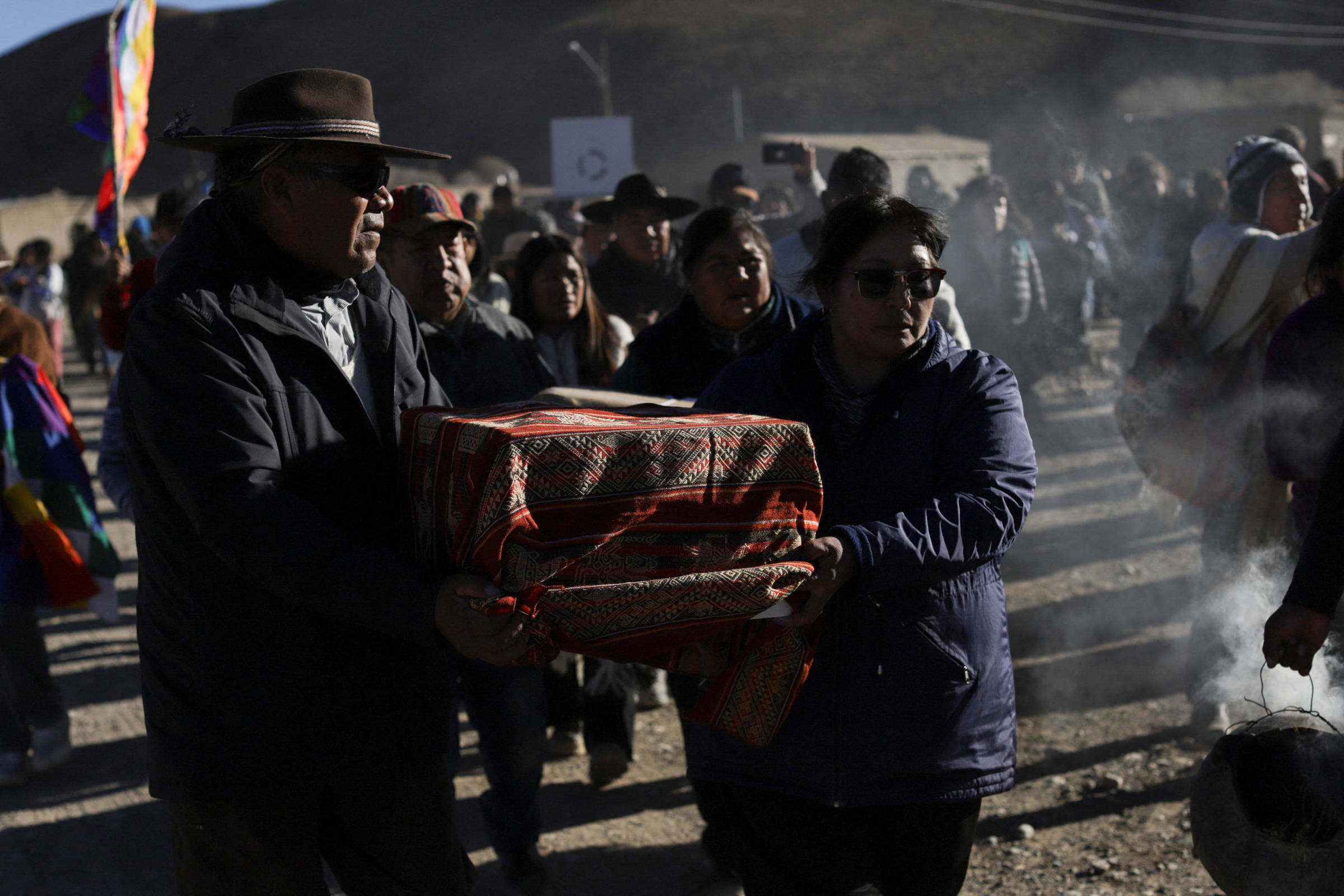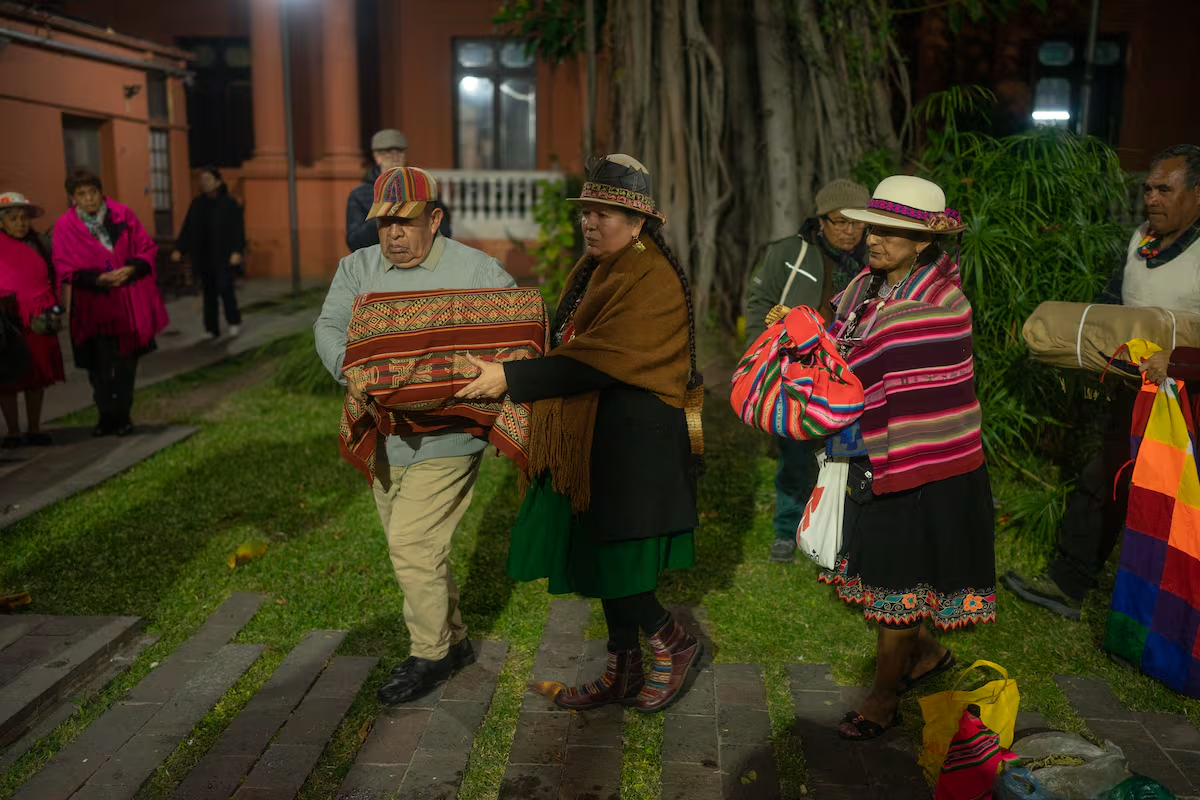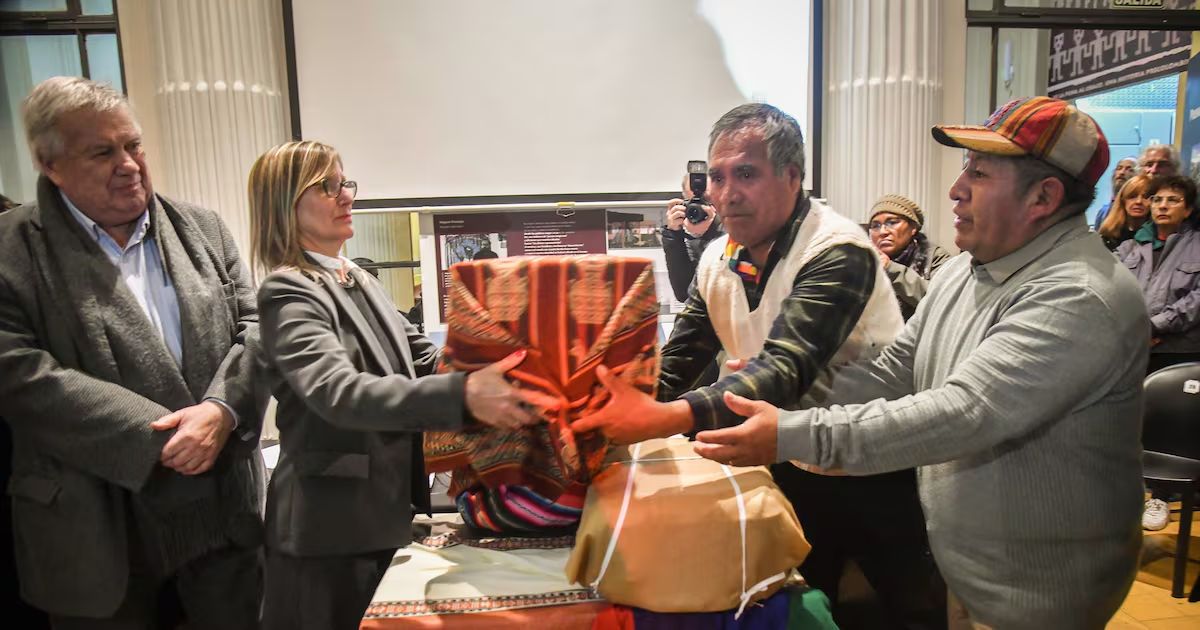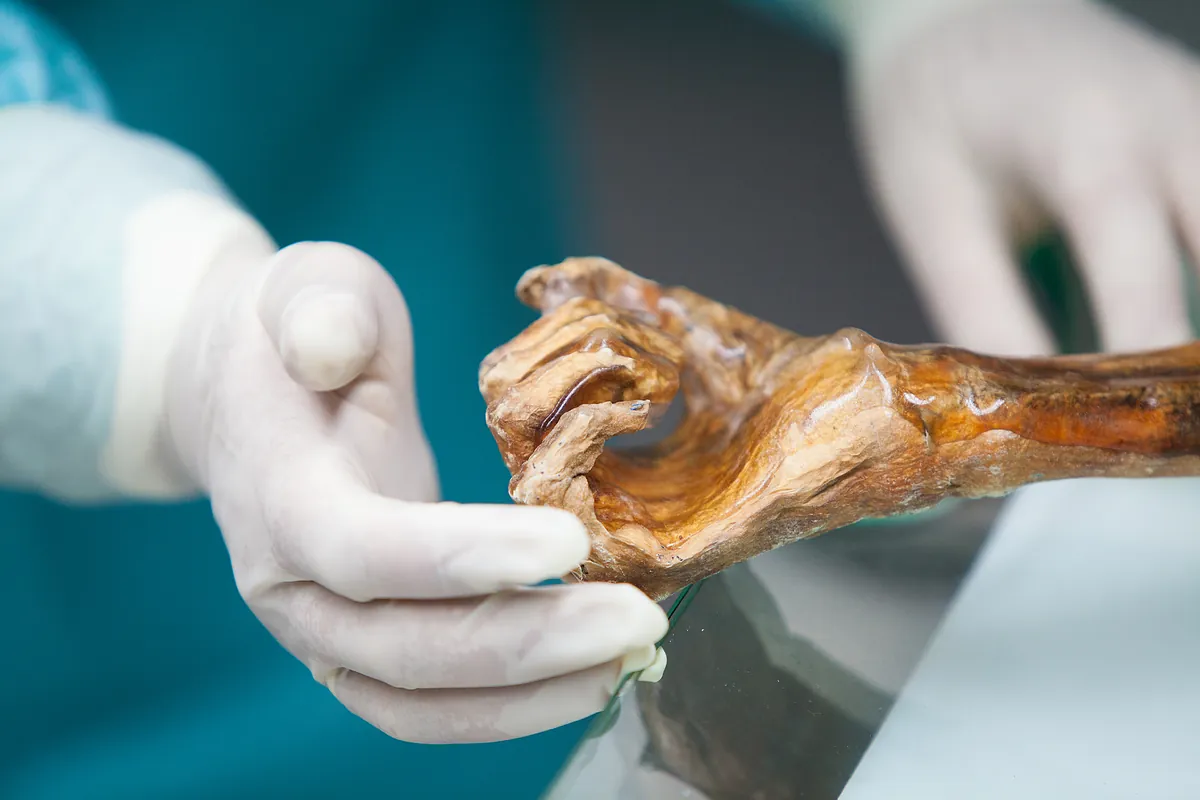
The mummy of a child from the Inca period, discovered frozen in 1905 on a mountain in northwestern Argentina, has been returned to an indigenous community after spending 119 years in a Buenos Aires museum.
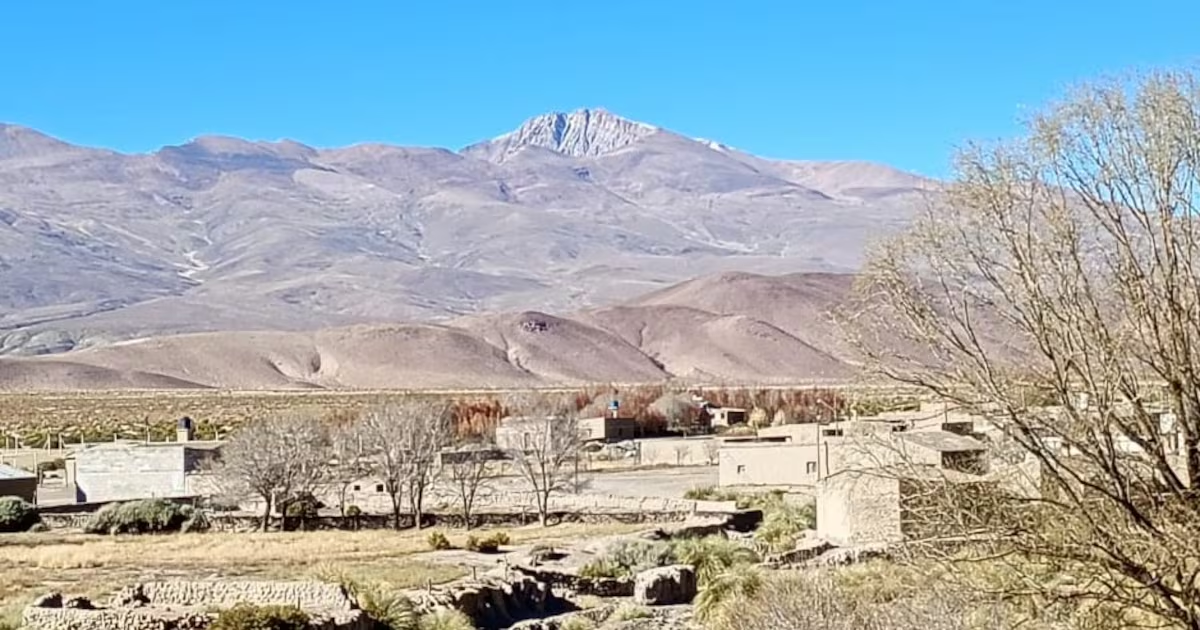
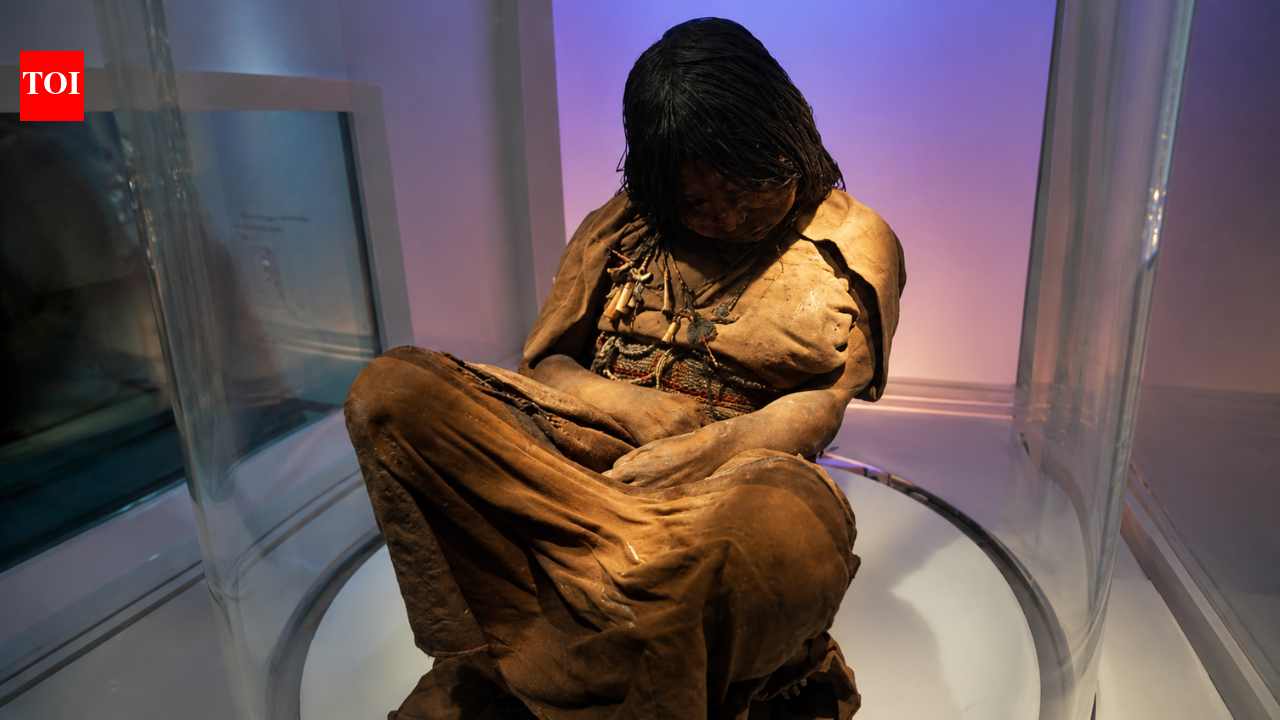
The so-called "Child of Chañi," a reference to the mountain in the province of Jujuy where he was found accidentally by members of the military and mountaineers, almost 5,900 meters (19,357 ft) above sea level, was between fivseven and 7 years old when he was sacrificed as part of a sacred Inca ritual known as "capacocha."
Since the finding, the child's remains have been stored in the Juan B. Ambrosetti Ethnographic Museum, overseen by the University of Buenos Aires (UBA). For decades, the indigenous communities of the Puna region in northern Argentina have demanded the mummy's restitution.
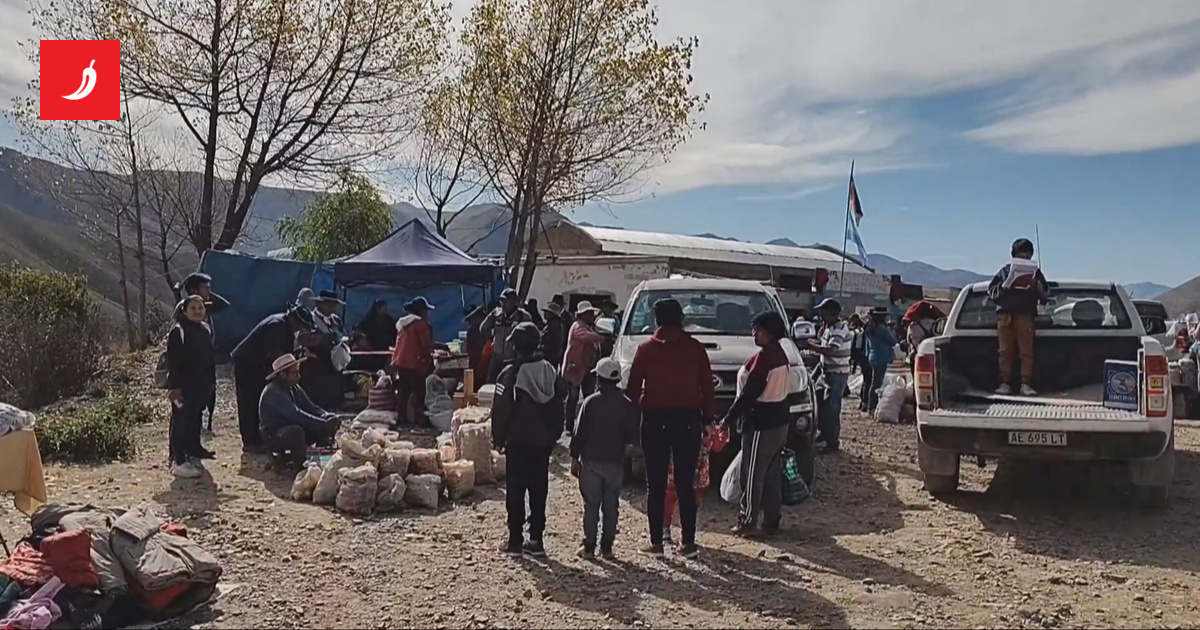
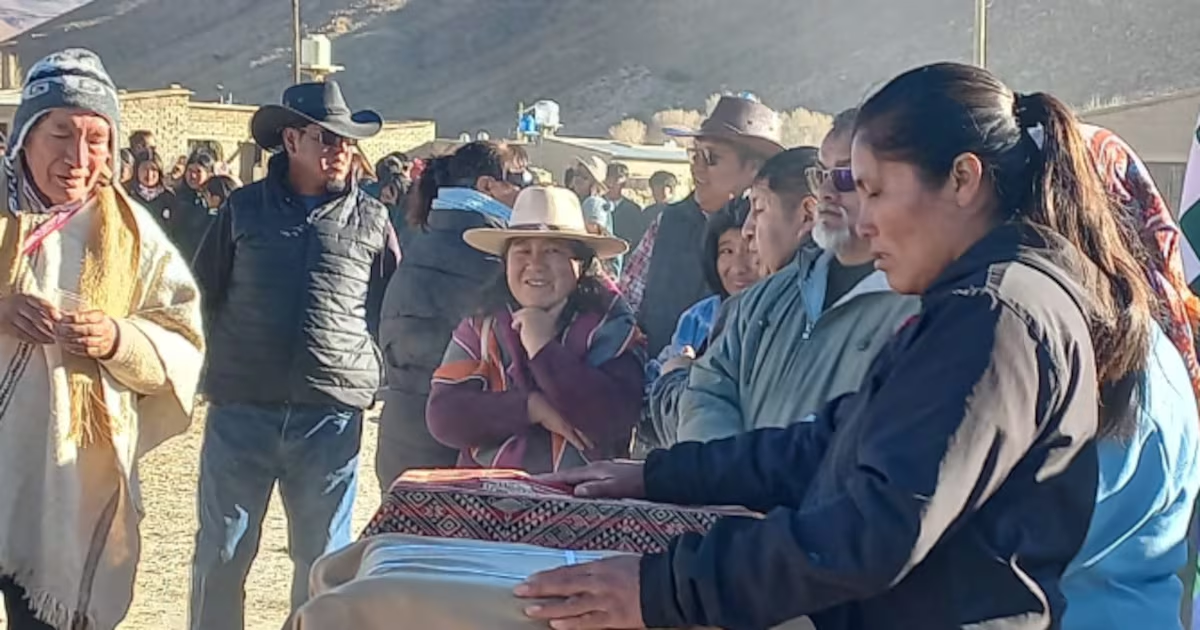
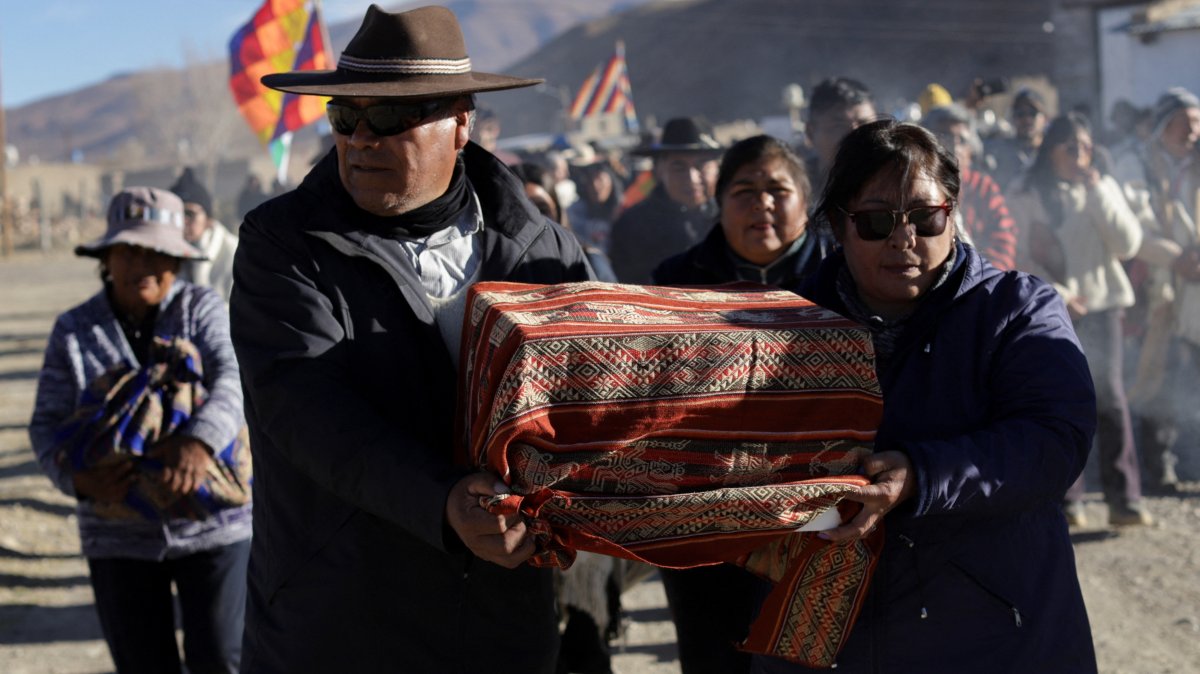
The mummy was transported on Thursday from the museum in bustling downtown Buenos Aires to the town of El Moreno in Jujuy province, where the Kolla indigenous community celebrated with ceremonies and rituals.
"This little boy has much to tell us about our identity," Clemente Flores, a Kolla leader, told Reuters. "He is a beloved being, a grandfather of ours who fell asleep to show us the history of our culture and ways of life, some of which still endure."