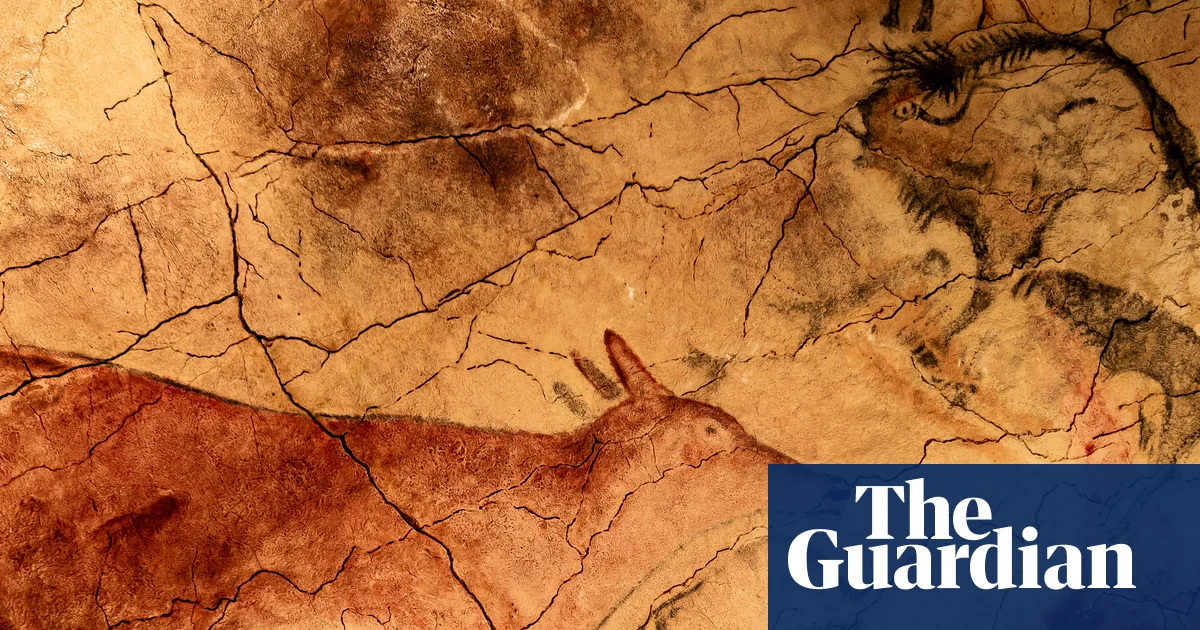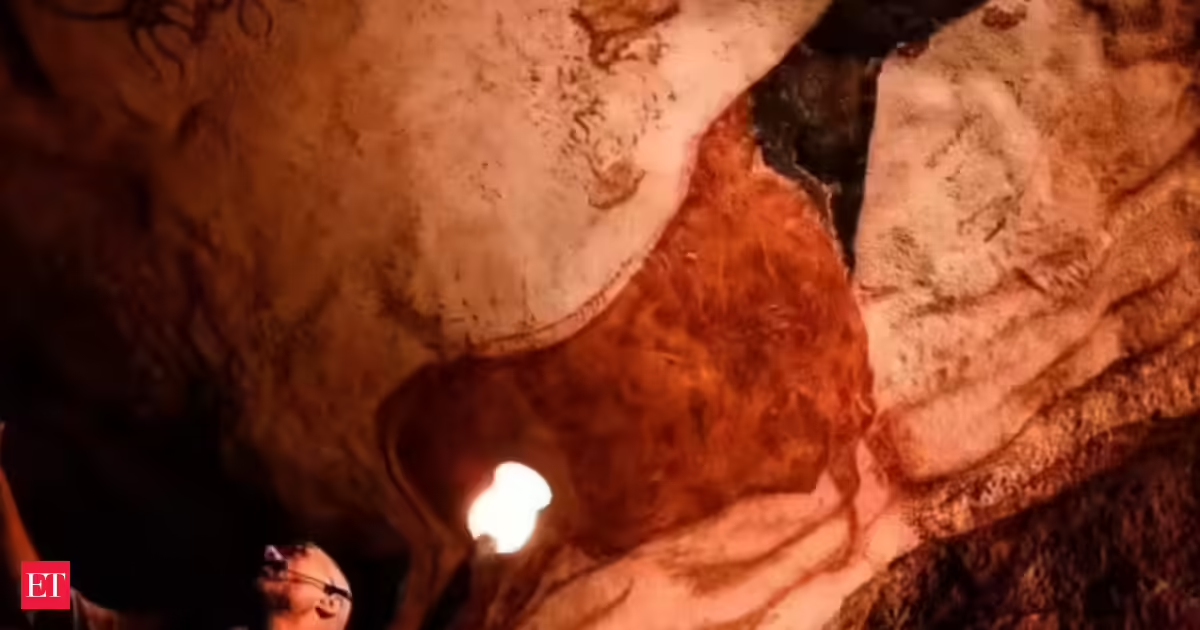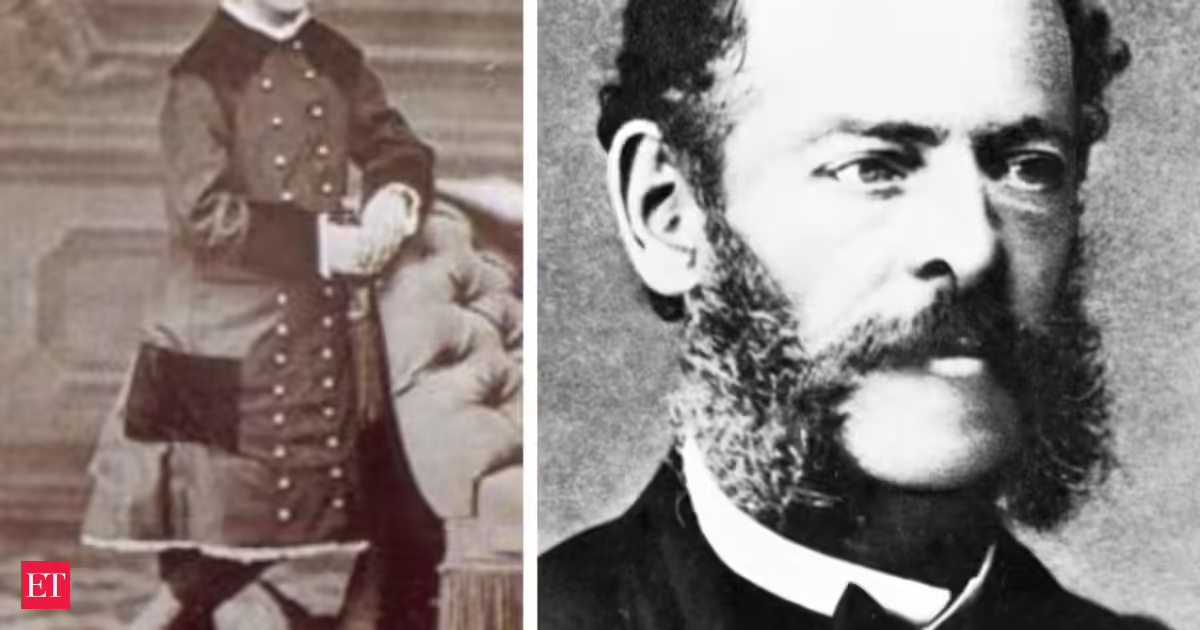
Some of archaeology’s most important discoveries emerge from years of excavation and careful planning. Others begin with a moment of simple curiosity. In 1879, María de Sautuola accompanied her father into Altamira Cave in northern Spain and reportedly looked upward toward the cave ceiling, where she noticed striking painted figures that had escaped wider attention for thousands of years.The discovery would eventually transform understanding of prehistoric art and become one of the most famous moments in archaeological history. What makes the story remarkable is not only the paintings themselves but the ordinary act that revealed them.A child looking upward inside a cave helped draw attention to a body of Ice Age artwork that would later reshape ideas about the creativity, skill, and symbolic lives of prehistoric humans.María de Sautuola and her father | Wikimedia CommonsThe paintings were hidden in plain sightThe famous bison and other animal figures of Altamira were not placed at eye level. Many of the most celebrated images appeared across the cave ceiling, making them easier to overlook than modern visitors might expect.Research examining Cantabrian cave art notes that decorated surfaces frequently occupy ceilings as well as walls, creating viewing conditions that depend heavily on movement and perspective. This helps explain why the discovery story remains so compelling.The paintings were not concealed behind a barrier or buried beneath sediment. They were simply located in a place that required someone to look in a different direction. María’s upward glance therefore became an important part of the site’s history because it changed how the cave was perceived.Discovery and recognition were not the same thingFinding the paintings was only the beginning. Like many important archaeological discoveries, Altamira required interpretation before its significance became widely accepted.Researchers studying the history of prehistoric art often point out that recognition can take longer than observation. Seeing painted figures on a cave ceiling is one thing. Convincing others that they are ancient and historically important is another. The Altamira paintings eventually became celebrated as masterpieces of Upper Paleolithic art, but that status emerged through discussion, analysis, and debate. The discovery therefore illustrates an important feature of archaeology: uncovering evidence and understanding evidence are often separate stages of the same process.The cave’s environment helped preserve the artworkOne reason Altamira survived for so long is that the cave provided conditions that protected the paintings from many of the forces that damage exposed archaeological sites. Research published in 2023 examining the cave’s environmental history describes how stable conditions helped preserve the artwork over extended periods.The situation changed after the site became widely known. Increased human visitation altered the cave environment and created new conservation challenges. As a result, Altamira became important not only as an archaeological discovery but also as a case study in heritage preservation. The same attention that made the paintings famous also introduced risks that required careful management.A family visit became a historical turning pointPart of what makes the Altamira story memorable is its ordinary beginning. The discovery occurred during a family visit rather than a large-scale excavation campaign supported by extensive equipment and planning.This detail serves as a reminder that archaeology often depends on observation as much as excavation. Many important finds emerge because someone notices a detail that others overlook. In the case of Altamira, the crucial action was remarkably simple. A child explored a cave, looked upward, and paid attention to what she saw. That act of observation eventually brought one of the world’s most important collections of prehistoric art into public awareness.Magdalenian polychrome bison | Wikipedia CommonsThe paintings changed how prehistoric people were viewedBefore discoveries such as Altamira gained acceptance, many people underestimated the artistic abilities of prehistoric communities. The cave paintings challenged those assumptions by demonstrating sophisticated use of color, composition, and natural rock surfaces.Modern archaeological research places Altamira within a broader tradition of Upper Paleolithic cave art across western Europe, yet the site remains especially important because of its role in changing public and scholarly perceptions. The paintings revealed that prehistoric artists were capable of producing works of remarkable complexity and visual impact. In that sense, the discovery altered not only knowledge of a specific cave but also broader ideas about human creativity in deep history.The story of Altamira continues to resonate because it combines chance, curiosity, and scientific importance in a single moment. María de Sautuola’s upward glance was a small action, yet it helped bring extraordinary prehistoric artwork into view and ultimately changed how people understood the distant human past. The paintings remain among the most famous examples of Ice Age art, while the cave itself continues to remind researchers of the challenges involved in preserving fragile archaeological sites. More than a century later, the discovery still illustrates how history can sometimes turn on something as simple as looking where nobody else thought to look.
In 1879, 8-year-old María de Sautuola looked up in a Spanish cave and saw bison painted 36,000 years ago; scientists rejected her father's claim for 23 years
In Altamira Cave, Spain, a young girl's innocent curiosity uncovered breathtaking Ice Age artwork. By simply glancing upwards, she illuminated a rich tapestry of prehistoric creativity that reshaped understanding of early human abilities. This fortuitous encounter highlighted the importance of preserving our cultural heritage, illustrating how a moment of wonder can unlock the secrets of the past.
798 words~4 min read