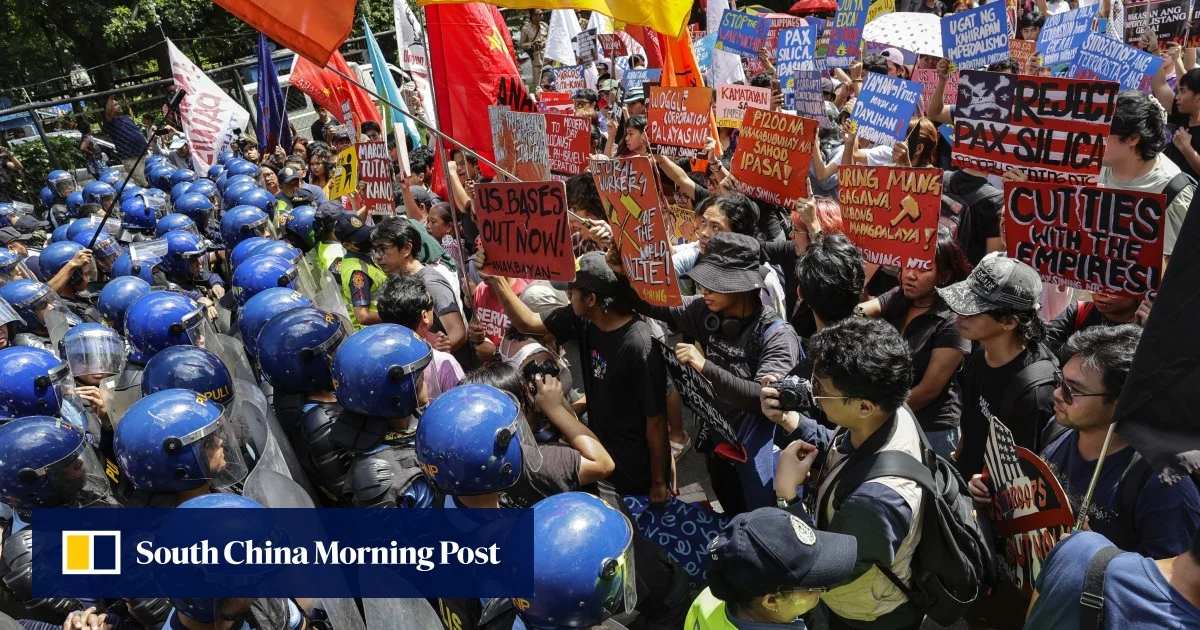
Since news first broke that the Philippines was joining Pax Silica—a US-led coalition of 24 nations aimed at reducing dependence on China for technology supply chains—many were already opposed to the initiative. And while Malacañang framed Pax Silica as an opportunity to attract billions in investment and higher-paying jobs for Filipinos, farmers’ rights activists like The Kilusang Magbubukid ng Pilipinas (KMP) criticized the government, calling the project a “massive sell-out.”
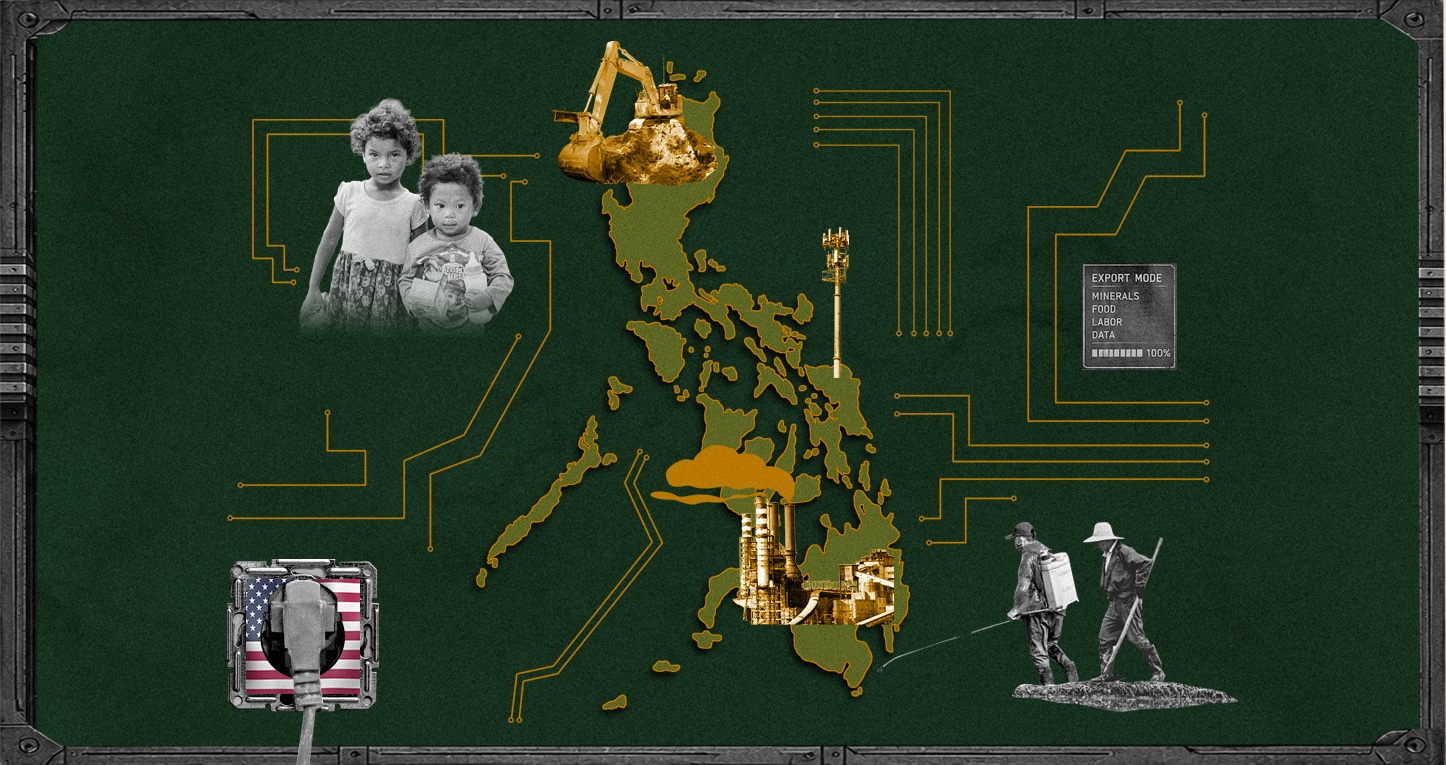
This begs the question: expansion at whose expense? Who is lining their pockets and who is paying the price? As more activist groups speak out against Pax Silica, they call into question our government’s integrity and its capacity to defend national sovereignty, environmental interests, and Indigenous/local communities.
The ill-reputed coalition aligned with countries like Israel, Australia, the United Kingdom, Japan, and Singapore, among others—but the Philippines became a prime participant because of the attraction to its rich minerals and, frankly, cheap labor.
In mid-April, the United States State Department and the Philippine government announced their plans to build a 1,619-hectare artificial intelligence (AI) and advanced manufacturing hub in New Clark City, Tarlac.